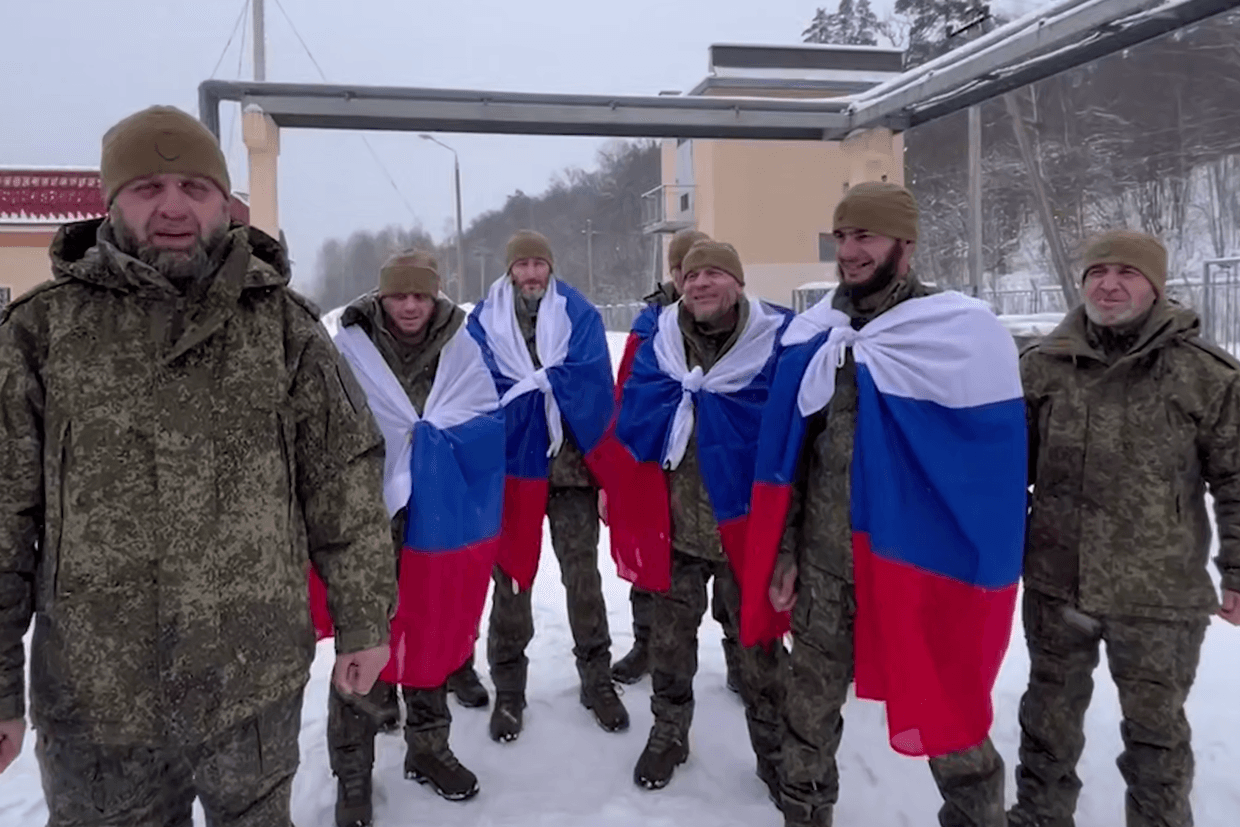
Twenty Chechen prisoners have been returned to Russia from Ukraine as part of an exchange under the ‘157 for 157’, or ‘all-for-all’ formula. Most of them, according to the Ukrainian project ‘I Want to Live’, served in the Akhmat unit.
The project, created by the Ukrainian authorities to help Russian military personnel voluntarily surrender, stated that the Russian side insisted primarily on the release of Akhmat fighters. The project claimed that Moscow refused to take back other soldiers, a demand which had previously led to the collapse of other planned exchanges.
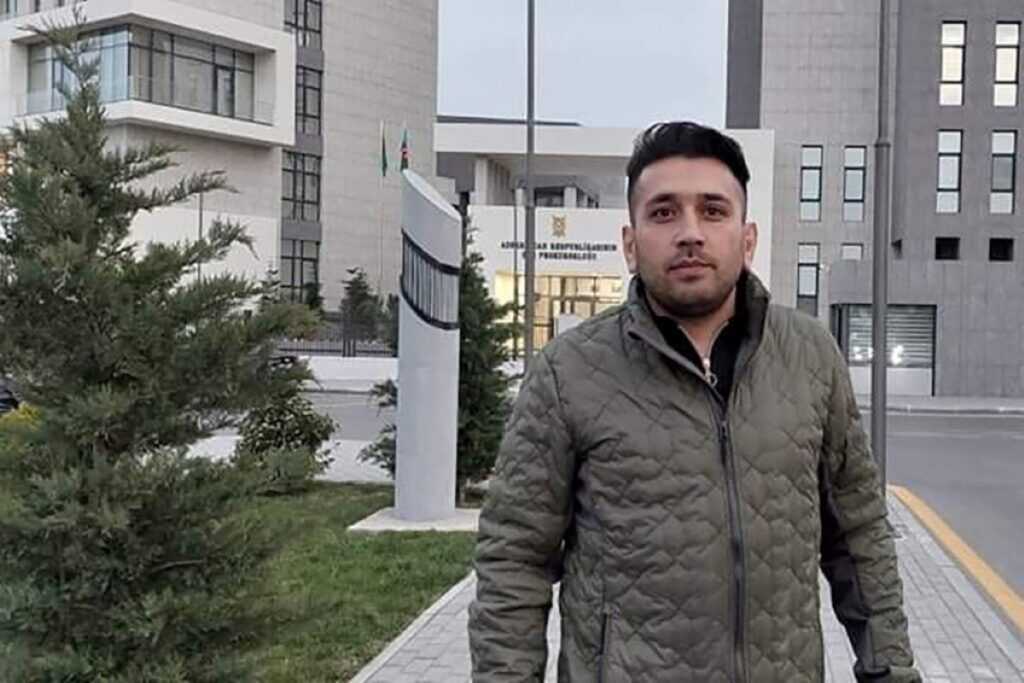
Among the published list of released Chechen soldiers were Roman Bibulatov and Magomed Bizukayev, who had appeared on exchange lists back in 2024. According to the project, representatives of the Akhmat unit insisted on their priority return and warned of possible disruption of exchange procedures in case of refusal.
The Russian independent media outlet iStories reported that Bibulatov was convicted for sexually assaulting minors. According to the investigation, he and three of his acquaintances repeatedly raped three children — an eight-year-old boy and girl and their 12-year-old sister. According to leaked information, Bibulatov was sentenced in 2010 to 11 years in prison.
In 2022, after serving his sentence, he was convicted again, this time of drunk driving. Bibulatov was released again in 2023, after which he was placed under administrative supervision. He later said that he had signed a contract with the military because he had ‘been caught again’ for drunk driving.
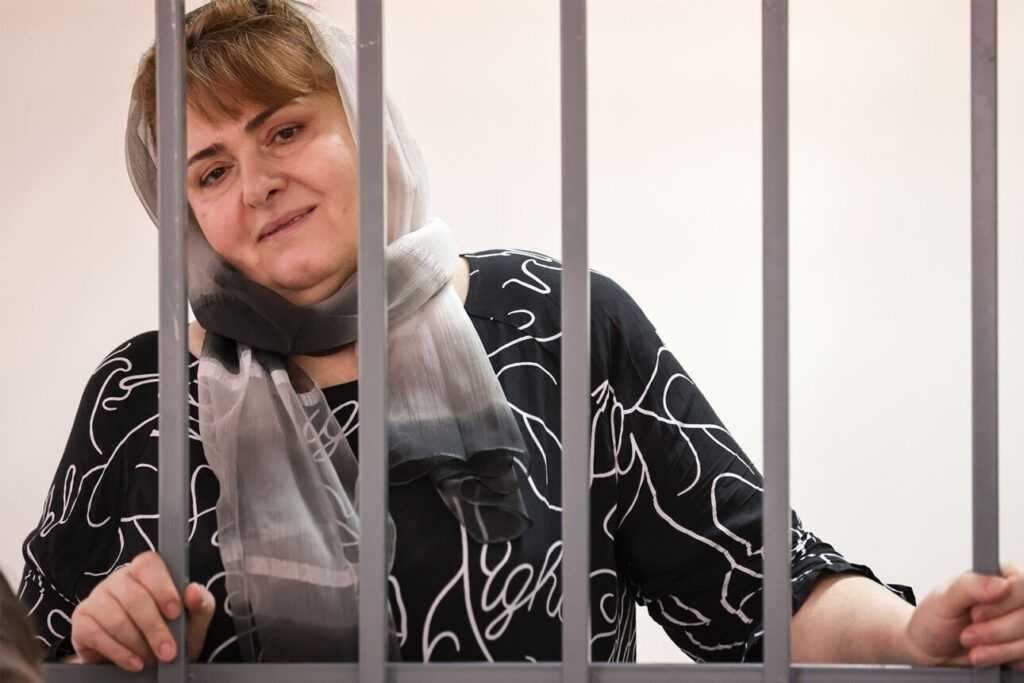
Another released prisoner was Magomed Zarakhmatov, the former head of the Chechen village of Valerik. The Chechen opposition movement NIYSO previously claimed that Zarakhmatov received this position on the instructions of Chechen Head Ramzan Kadyrov. According to RFE/RL, Zarakhmatov was dismissed from his post after conflicts with local residents and was subsequently sent to war. While in captivity, he stated that he had been forced to participate in the hostilities.
A significant proportion of those exchanged were prisoners who had previously signed contracts with the Defence Ministry from places of detention. According to the Ukrainian project, around 75% of those returned in this most recent exchange belonged to this category. Such soldiers are usually sent back to military units immediately after such exchanges.
The last exchange of POWs involving natives of the North Caucasus took place in October 2024. At that time, soldiers captured during the Ukrainian incursion into Russia’s Kursk region were returned to Russia, including four fighters from the Chechen Akhmat regiment. As part of the same procedure, 19 residents of Daghestan, six soldiers from Kabarda-Balkaria, and one resident of Ingushetia were released.