A look back on Georgia’s 100-day theatre strike
Georgia’s theatres have been at the forefront of anti-government demonstrations — yet their strike still failed.

In September, one of Georgia’s best-loved working actors, Andro Chichinadze, was sentenced to two years in prison on charges of organising or participating in group actions that violate public order.
‘I can tell you that I forgive you for what you have done to me over these nine months’, he told prosecutors and the judge during his closing statement. ‘But this forgiveness comes with a request […] do not take on cases that involve imprisoning people like us.’
Chichinadze was arrested at home on 5 November 2025 — he initially faced the more serious charge of ‘organising, leading, participating in, and publicly calling for violent actions’, which carries a sentence of up to six years in prison.
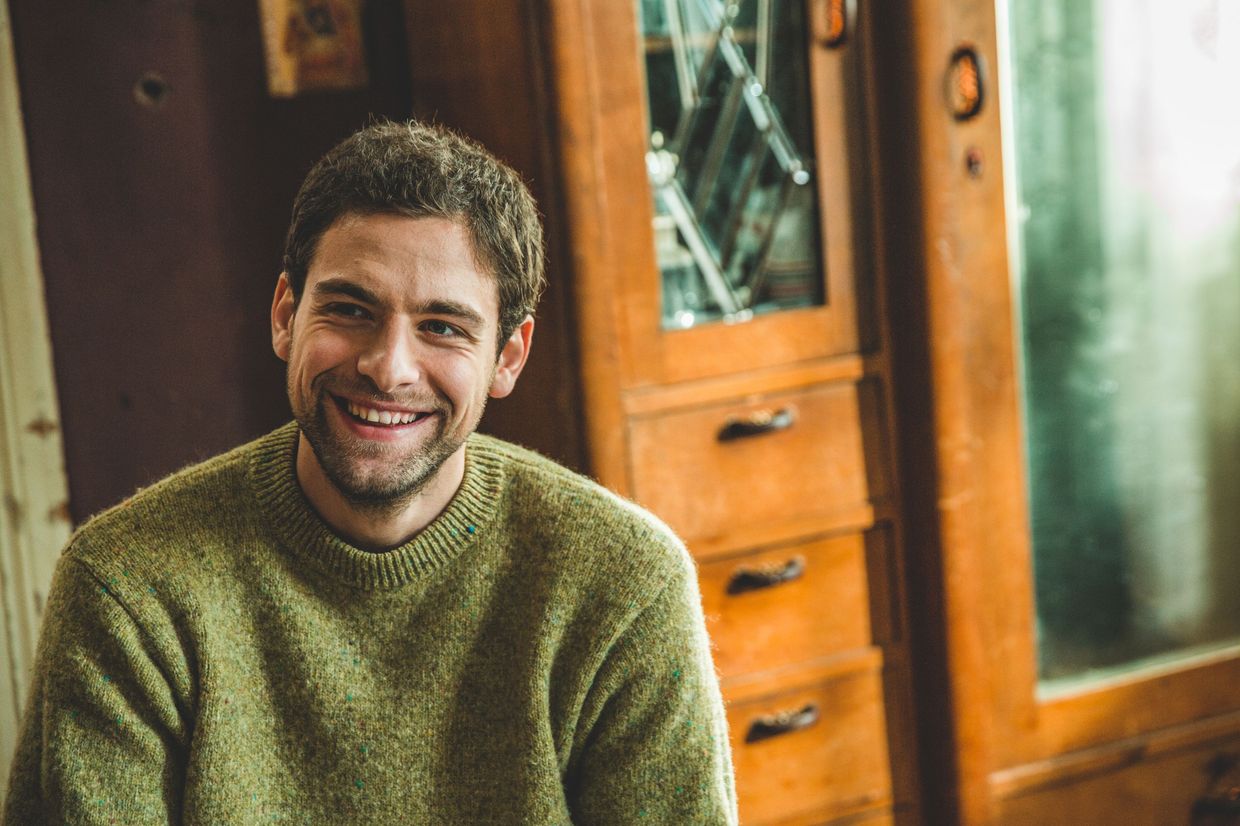
Like many of his colleagues, Chichinadze had been attending the protests outside the Georgian Parliament on Tbilisi’s central Rustaveli Avenue, which followed the controversial 2024 parliamentary elections that resulted in another term for the ruling Georgian Dream party.
The streets erupted in earnest 24 days later, when Prime Minister Irakli Kobakhidze announced that the government would be halting Georgia’s EU accession talks until 2028.
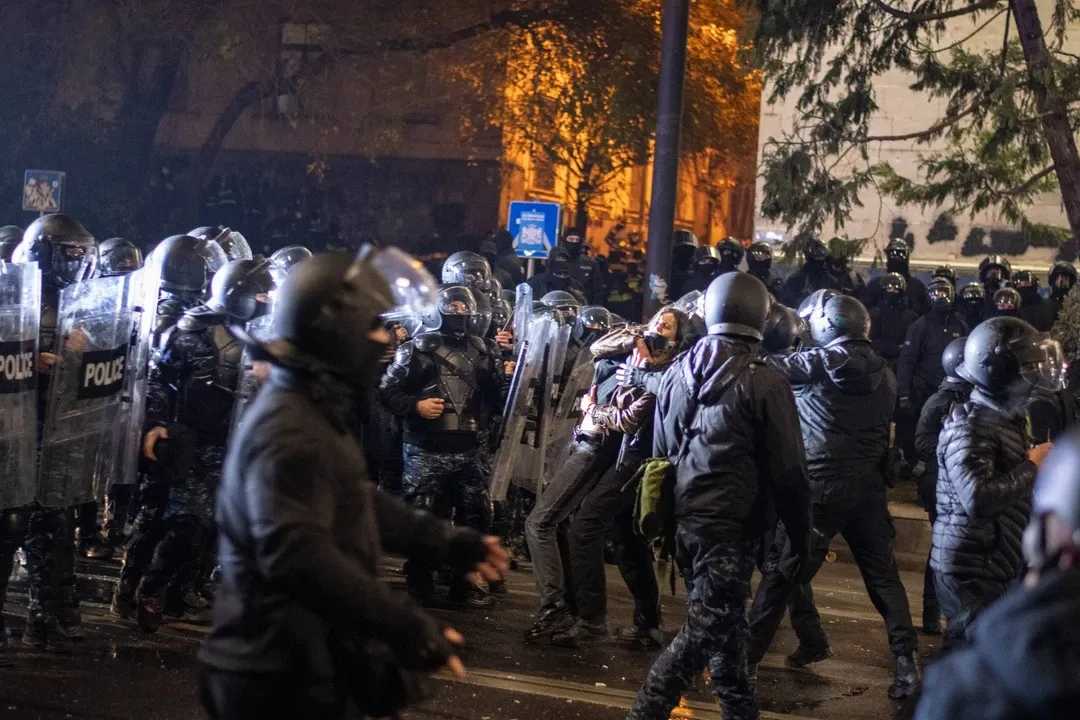
In the weeks and months that followed, thousands of people filled Tbilisi’s main thoroughfare every evening. Police officers in masks — offering critical anonymity in a city where everyone knows everyone — dealt brutally with the protesters, deploying tear gas, water canons, rubber bullets, intimidation, sexual harassment, and straightforward beatings. Many, like Chichinadze, were arrested on various protest-related charges.
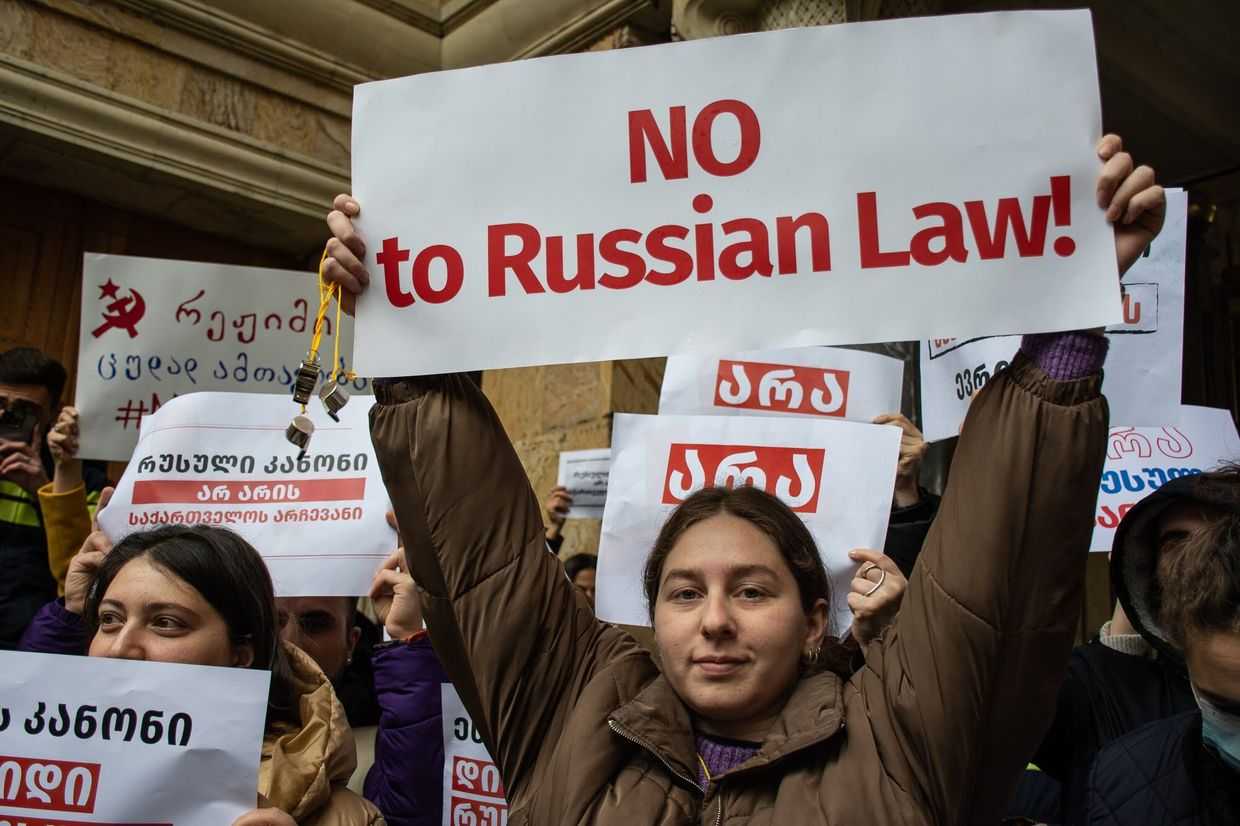
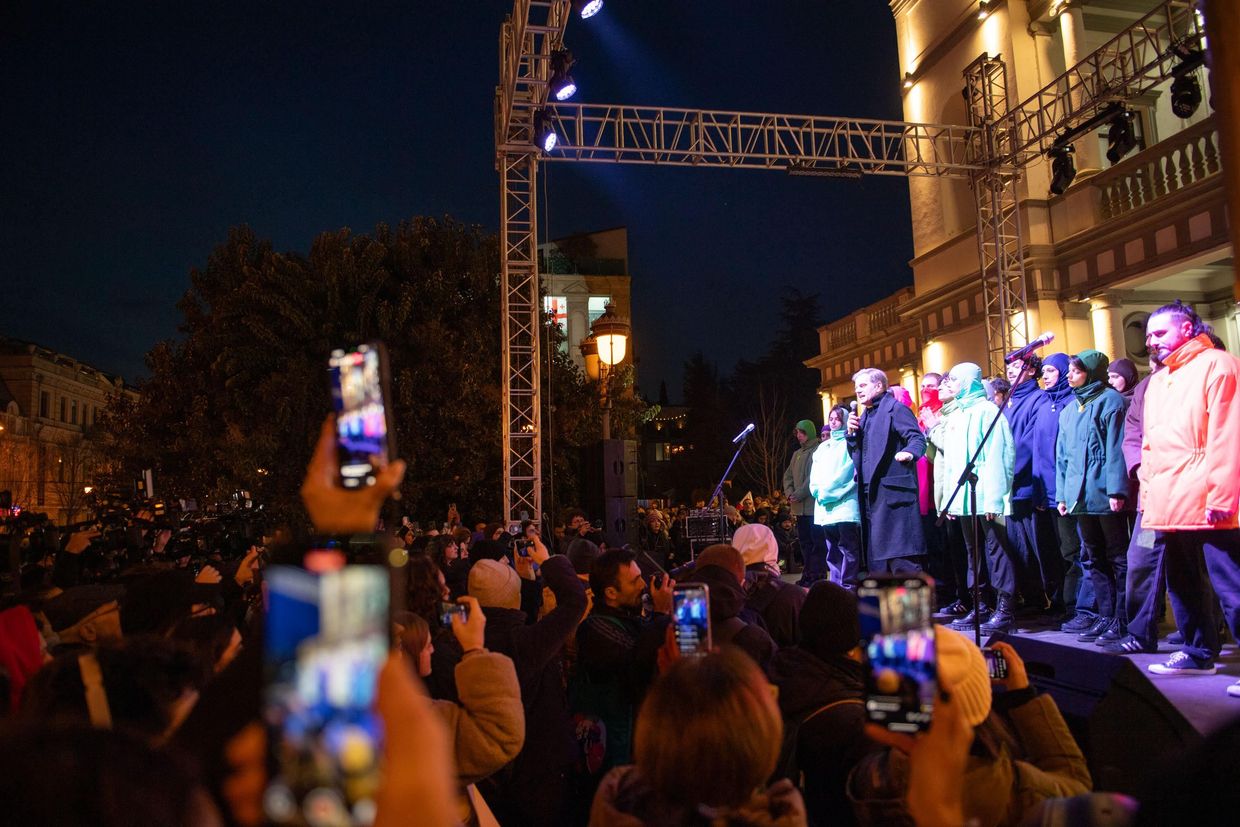
The theatre was at the forefront of these demonstrations from the very beginning, organising several collective marches. After a performance of Hamlet at the Haraki Theatre on 18 November, the actors urged the audience to join them. In full period costume and make-up, they descended from the stage and walked with their audience to Rustaveli to meet the tear gas and water cannons.
On 5 December, one month after Chichinadze’s arrest, Georgia’s theatre workers went on strike. Chichinadze’s release, and the release of all the other protesters, was among the principal demands of those striking. In an effort to inspire other sectors to follow suit, it was decided that the strike would position itself expressly against anti-protestor violence, as opposed to against the government.
In total, the strike lasted 100 days — yet in the end, it was unsuccessful.
Building solidarity from the ground-up
The theatre in Georgia has a rich history of vocal dissent dating back to the Soviet Union, when figures like Sandro Akhmeteli (who became a symbolic figurehead for the theatre’s 2024 protests) and Petre Ostkheli used their art to rebel against the authorities — and were mercilessly punished for doing so.
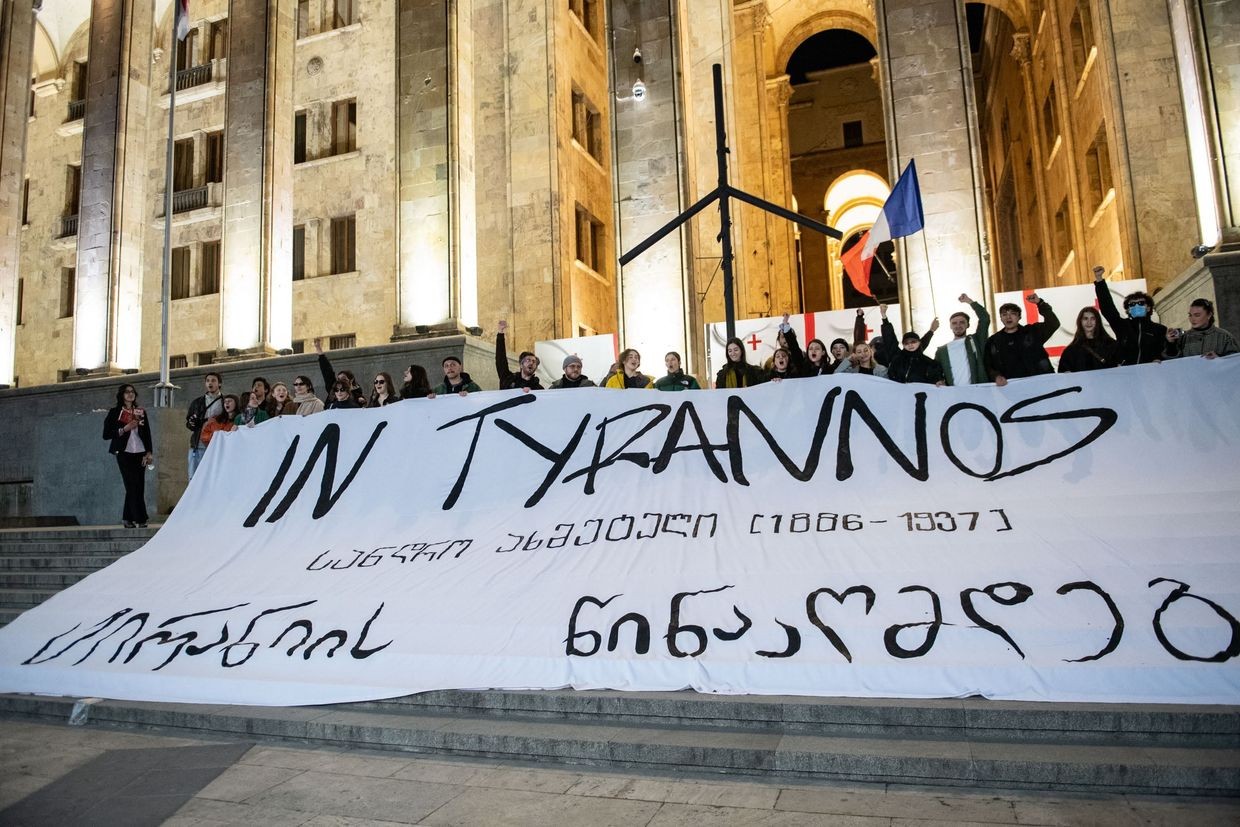
"In tyrannos" - against tyranny
— Mariam Nikuradze (@mari_nikuradze) January 14, 2025
Sandro Akhmeteli - Georgian director killed in 1937 during the Soviet Union.
Banner was put up by protesters on Rustaveli theatre.
Georgian theatre day is also marked today. pic.twitter.com/wzyewWLa91
As actor Anuki Bubuteishvili tells OC Media, ‘when you start studying acting at the [Shota Rustaveli Theatre and Film University] there’s a kind of public ritual, you have to swear to serve the Georgian people and Georgian culture, to serve your country using your art’.
In a public statement during the strike, Bubuteishvili made reference to this oath, arguing that the place for artists ‘was, is, and will be next to the Georgian people’.
Yet, at the same time, Georgia has a relatively unsuccessful history of strikes, union organiser Giga Bekauri tells OC Media. In the cultural mentality, and in the discourse between the two prevailing political forces of conservatism and liberalism, strikes are generally seen as outdated and communistic. Georgian laws around striking are dense and largely prohibitive, and general strikes are not explicitly recognised or legally protected unless they directly involve a labour dispute.
 Mikheil Gvadzabia
Bekauri has been working with Georgian unions since 2015, when he joined the Georgian Trade Unions Confederation (GTUC). In November 2020, he decided to leave the GTUC after deeming it a ‘yellow union’, meaning it unduly collaborated with businesses and government, manipulating workers for private advantages.
‘It’s a kind of normal union mafia story there’, he says.
Along with his friends, Bekauri began working for independent labour unions, principally within the cultural sector. Together they established five new independent unions, including Gildia (theatre union), the Cinematographers’ Union, the Union of Museum Workers, the Musicians Union, and the Architects Union.
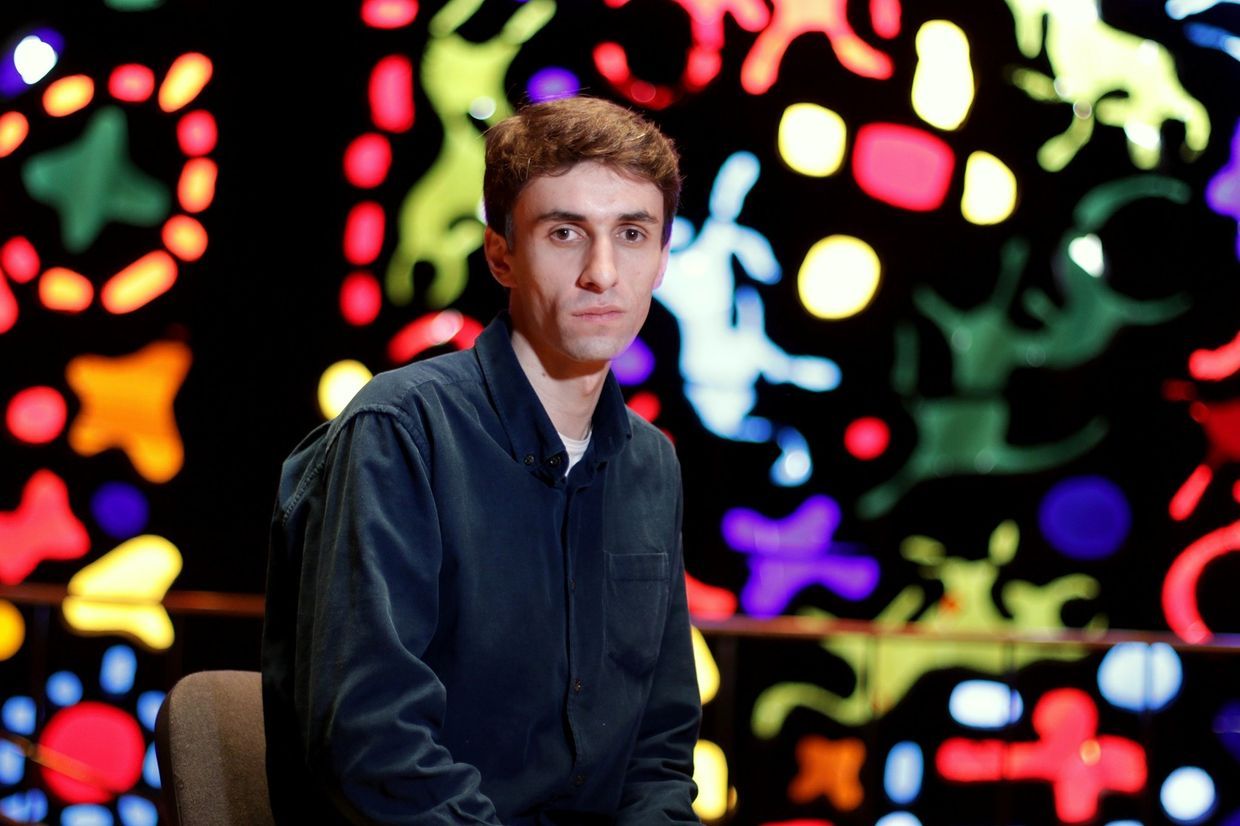
Bekauri notes that they had several incentives in unionising the arts, first of which was that ‘it was one of the un-unionised sectors with unprotected labour rights, many violations, and poor conditions’.
Secondly, Bekauri adds, any progress that was made in the GTUC concerning the service sector, medicine, or other industries, had not been supported by workers in the cultural sphere. Therefore, by creating new unions based around the arts, they hoped for a kind of ripple effect, thereby broadening union strength across sectors.
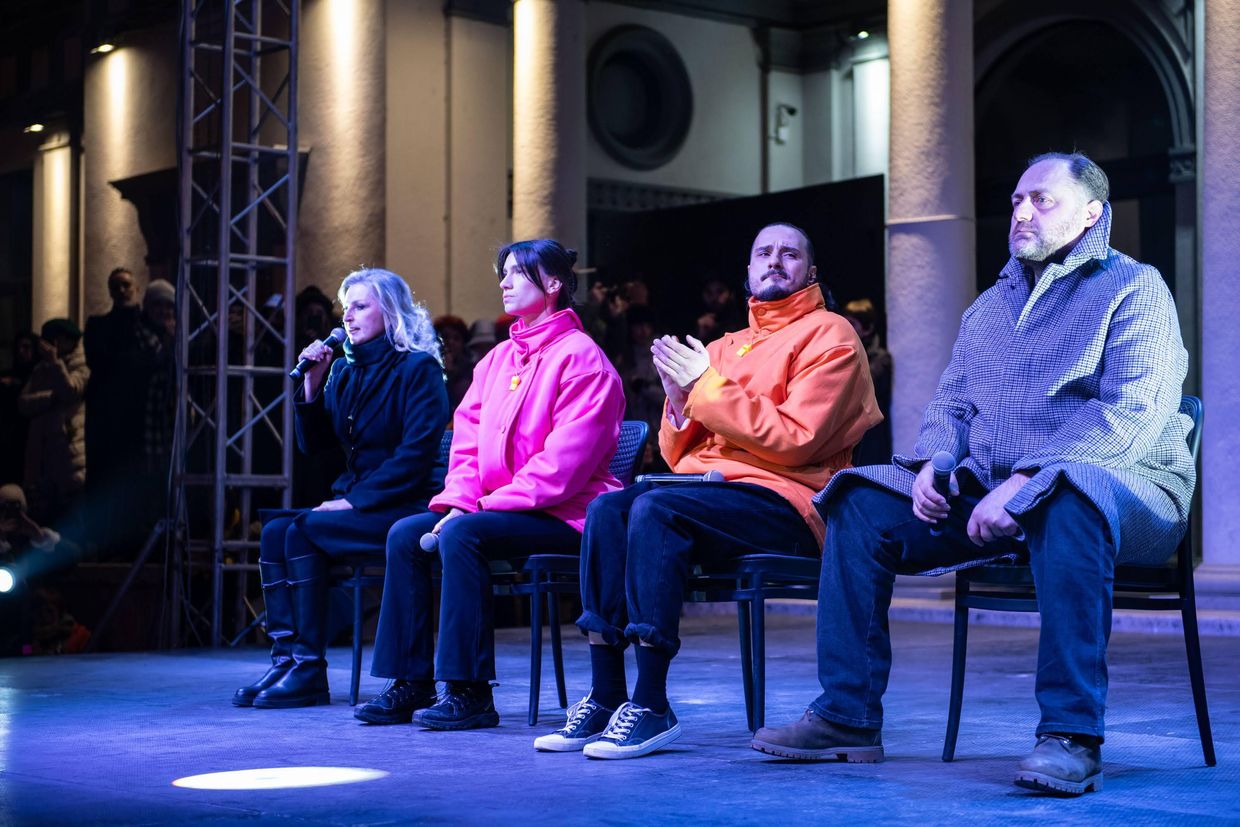
The culture industry ‘is very influential in Georgia’, Bekauri says.
He emphasises that the nature of the arts industry makes identifying rights violations very difficult, particularly for freelancers. Such workers are to some degree isolated and therefore vulnerable. Low wages, exploitative overtime, harassment, and political discrimination are all persistent problems. Even once violations are discovered and identified, they are tricky to prove in court.
Yet despite these difficulties, Bekauri says that theatre workers were sceptical about Gildia at first. To combat this unease, Bekauri and his colleagues planned a campaign in two parts: the first consisting of practical work, network-building, one-to-one meetings and the like; the second was a PR campaign.
After two years ‘we became a “real union” in the field’, he says. Membership grew, Gildia made three collective agreements in different theatres, were in active discussion with employers, and actors were frequently making use of their free legal aid in court trials and contracts.
‘Actors came to us with their problems’, Bekauri says, ‘and began participating in public campaigns’.
‘One goal was to get influential people, actors, to talk publicly about labour rights and social justice. They began to do so, beyond just cultural issues; there were public acts of solidarity around evictions in Tbilisi, for example’.
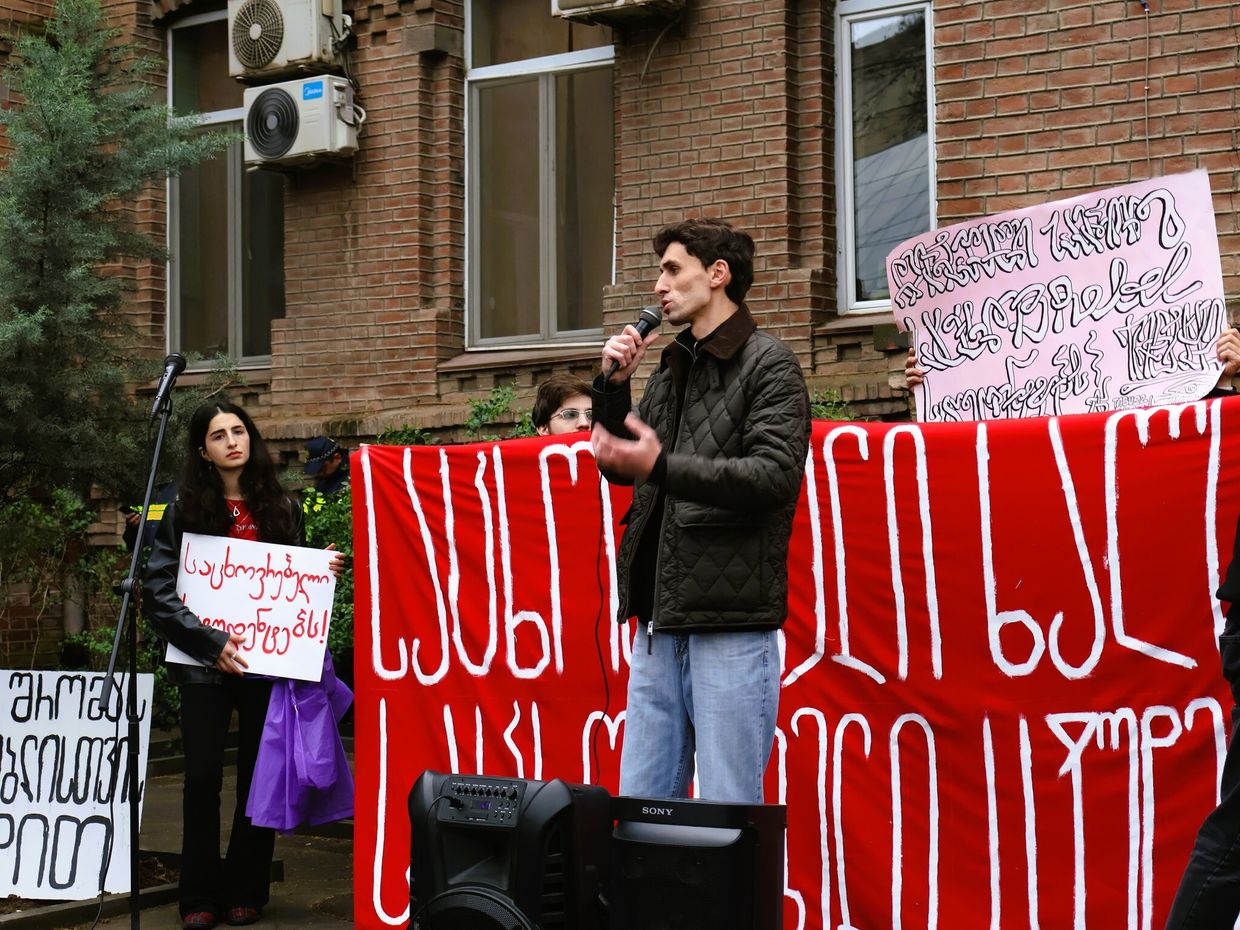
With the framework for solidarity and larger protest movements now in place, a general strike was simply the next logical step.
‘We stood together, and we made our voices heard’
On 10 December, Gildia announced they were fundraising for striking theatre workers. Through their appeal and another newly established foundation, they managed to raise ₾300,000 ($110,000) from Georgians in roughly three months.
‘It was a really important moment in Georgian union history’, Bekauri says. ‘Because of this we were able to pay monthly salaries from the strike fund’.
Desiring to maintain its independence, Gildia did not accept money from banks and businesses. The union’s lawyers, who were essential in navigating the complex Georgian strike laws, worked on a volunteer basis.
Once the strike began, Guildia held weekly meetings so that the strategy and prolongation of the strike could be regularly reevaluated. Actors and directors involved describe this period as one of unprecedented energy and cohesion.
‘Emotionally, it was a very tough time’, Bubuteishvili, who knows Chichinadze personally, says, ‘but at the same time I’ve never seen my profession and theatre workers so united’.
Naturally these weekly meetings involved conflict, but the union organisers made great efforts to facilitate peaceful disagreements and nourish the sense of unity.
‘There were different thoughts on the strike, about the length of it’, director Gega Gagnidze tells OC Media, ‘but the important thing with this strike was that the theatre community made it clear that violence cannot be normalised in Georgia. We stood together, and we made our voices heard’.
After 100 days of striking, everyone was exhausted, and Gildia had run out of money to pay salaries. Bekauri says a pre-agreed deadline for the strike would have been a better strategy: that way, plans for further organising of a different kind following the resumption of work could have been made, and Gildia would still have had resources. But at the time, deadlines were not something strikers were willing to discuss. With their colleagues imprisoned or being regularly arrested and beaten, emotions were running high.
On 14 March, the strike was called to an end. Actors and directors returned to work — many were relieved to do so.
‘We must work more now, I think’, Gagnidze told OC Media at the time. ‘It’s better to do something, to write, to draw, to make music, to create a new play, because we have to somehow translate the political and social situation into our medium’.
He found ‘catharsis’ in the first play he staged after the strike, Joseph, which was based on Kafka’s novel The Trial.
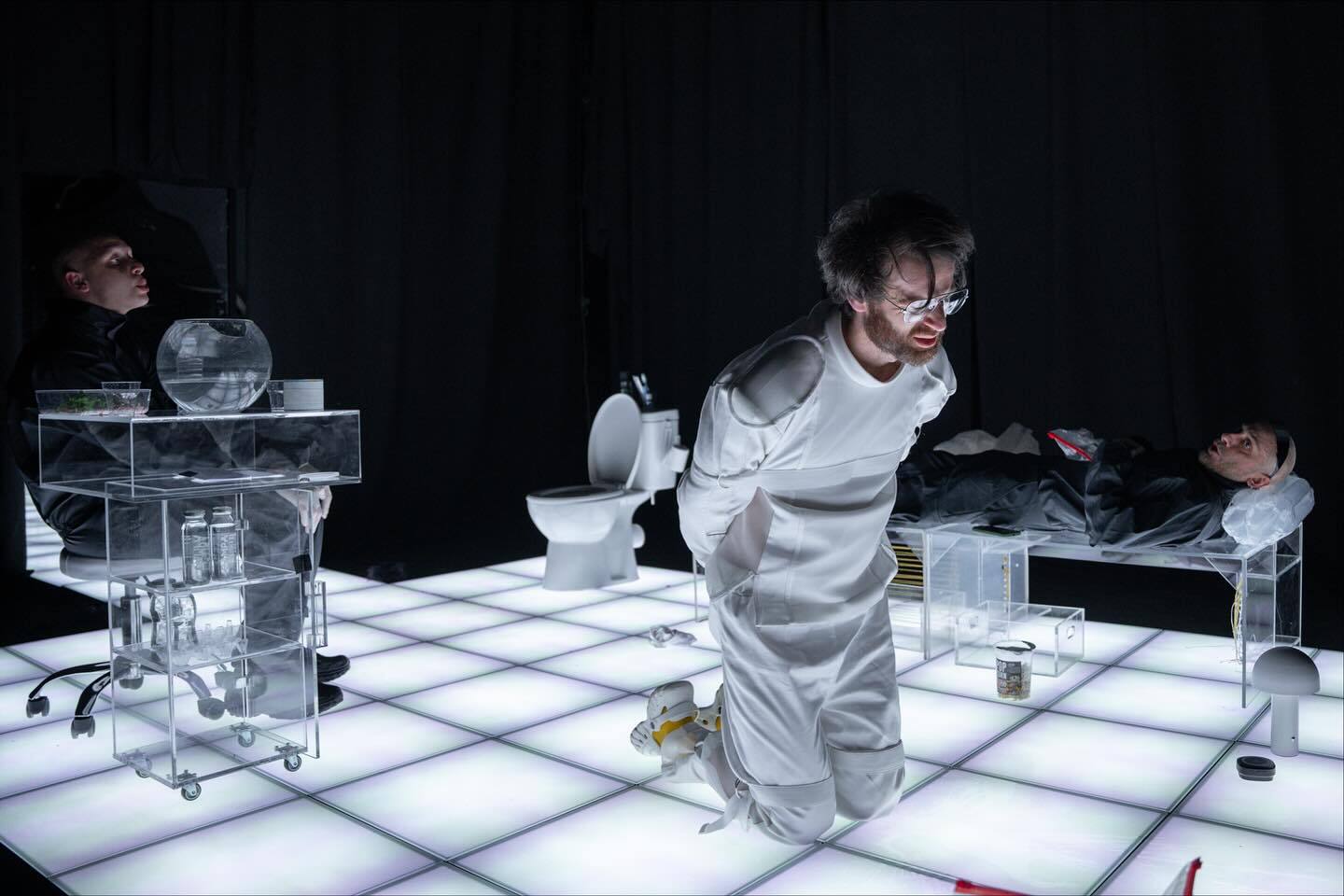
But not everyone could continue work. The detained actor Andro Chichinadze had been part of the Vaso Abashidze New Theatre troupe, and since his arrest his fellow actors had been touring a play describing the political situation in Georgia and demanding the release of protesters, entitled Manifest, around Georgia’s regions. The protest play was organised by the director of the New Theatre, Davit Doiashvili.
On 16 April, the Ministry of Culture fired Doiashvili, accusing him of failing to fulfil the theatre’s ‘founding objectives’ and for theatrical inactivity, despite a flow of state funding.
Like Chichinadze, ‘Georgian culture is also imprisoned’, Doiashvili stated at the time.
‘We are on different sides’, Bekauri says of Doiashvili. ‘He’s an employer, and I’m working for the employees. But I will say that he has done everything he could to protect his actors. He knew that he would lose his job’.
Despite the obvious disappointment that the strike’s aims were not met, Bekauri approves of the theatre workers returning to work.
‘They are resting now, on their stages. They’re putting on so many important shows, communicating important messages from the stage, and it’s good for them’.
Nina Gogadze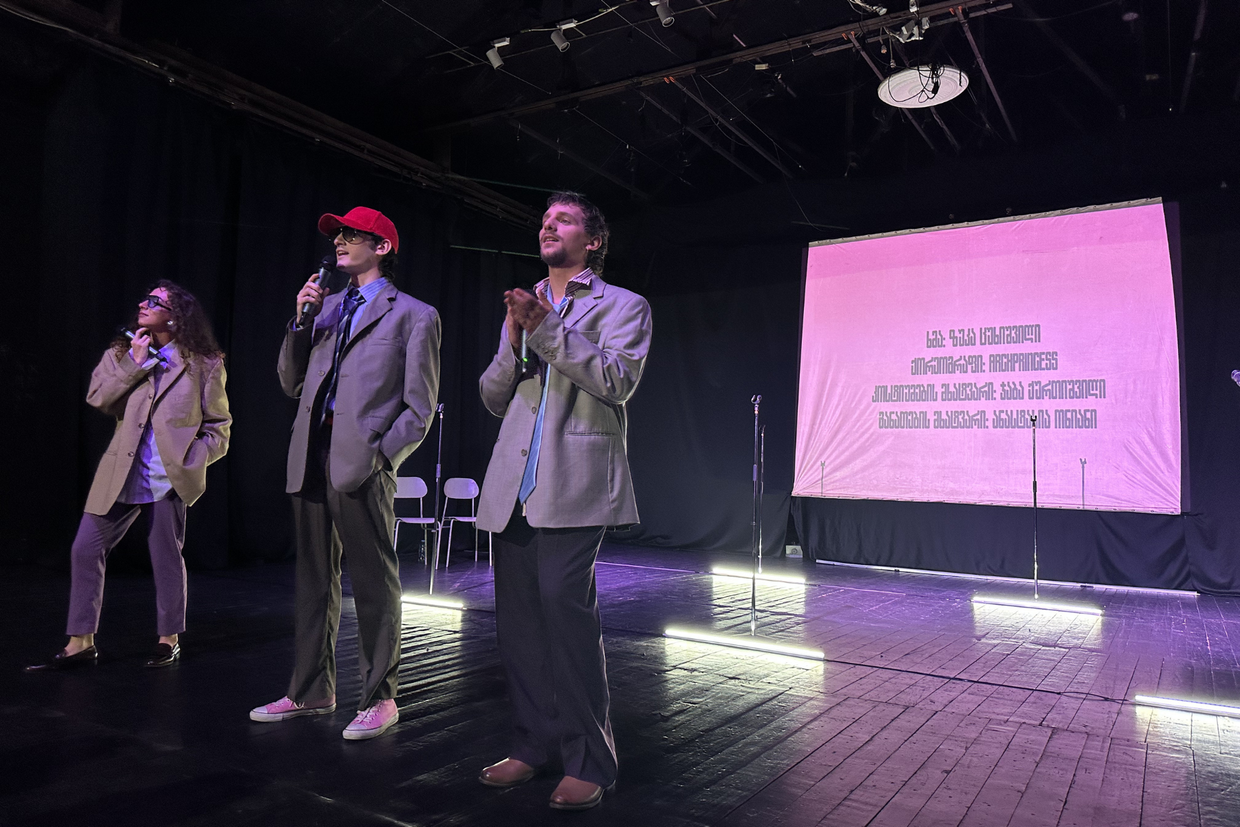
When asked about the legacy of the theatre strike, Bekauri says: ‘In a different Georgia this experience will be so useful. Theatre workers learnt how to talk in gatherings, how to disagree ethically, they learnt about the laws surrounding strikes’.
He concedes, however, that the failure of the strike might ‘disappoint workers, not only those who belong to the union that organised it, but also workers from other sectors’.
In other words, careful strategy, as well as persuasion as to the efficacy and importance of strikes, will be necessary for any future endeavours.
Today, Chichinadze remains in prison. No successor to Doiashvili as director of the Vaso Abashidze New Theatre has been announced. And Gildia’s funds have been entirely depleted — they now only have the resources to take on certain legal cases, and only those involving the cultural sector.
Yet Georgia’s theatre scene, as the recent Tbilisi International Theatre Festival demonstrated, is energised, producing challenging, and often political, work.
As Bekauri puts it, the theatre workers ‘have trust in one another, and they know that when the time comes, they will stand together’.