‘A part of our citizenship is being taken away’: Georgian emigrants on the overseas voting ban
Georgian Dream’s ban on overseas voting has sparked outrage, with members of the diaspora viewing it as an undemocratic attack on a fundamental right.

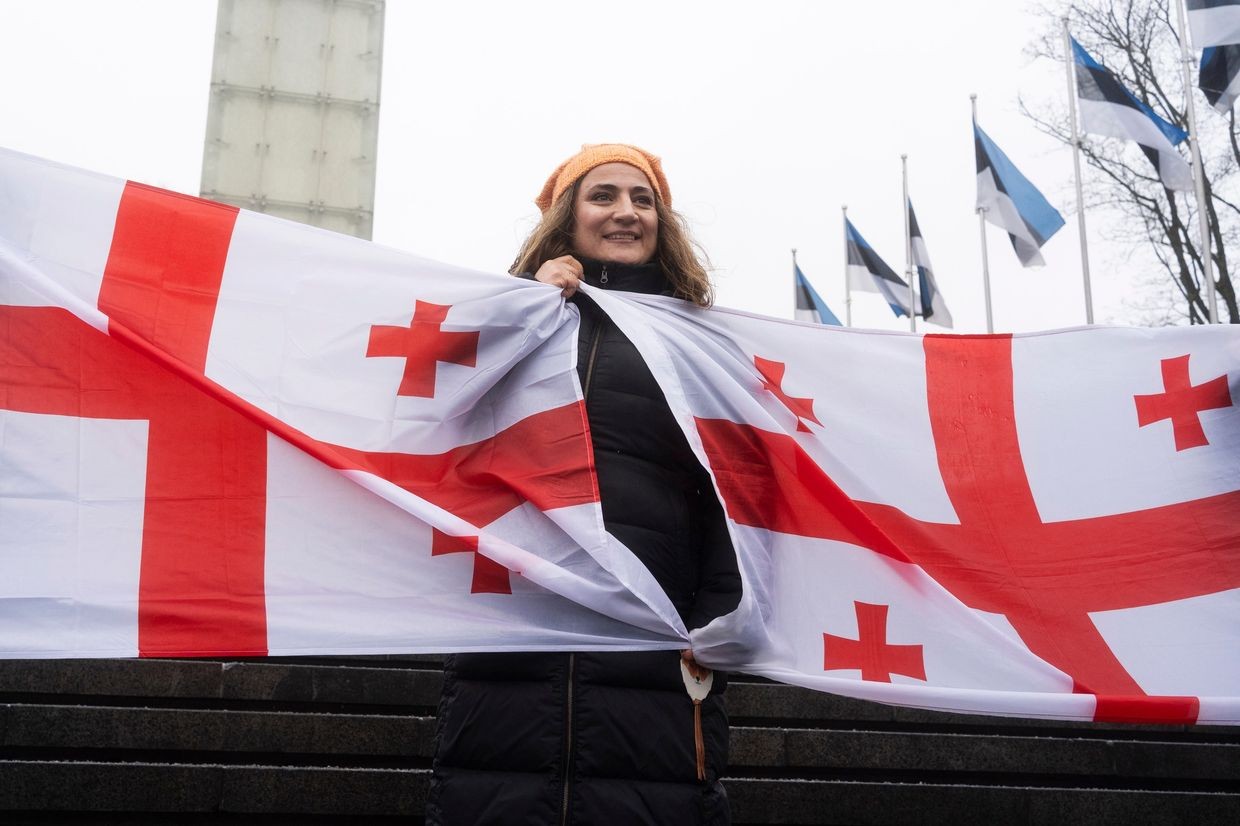
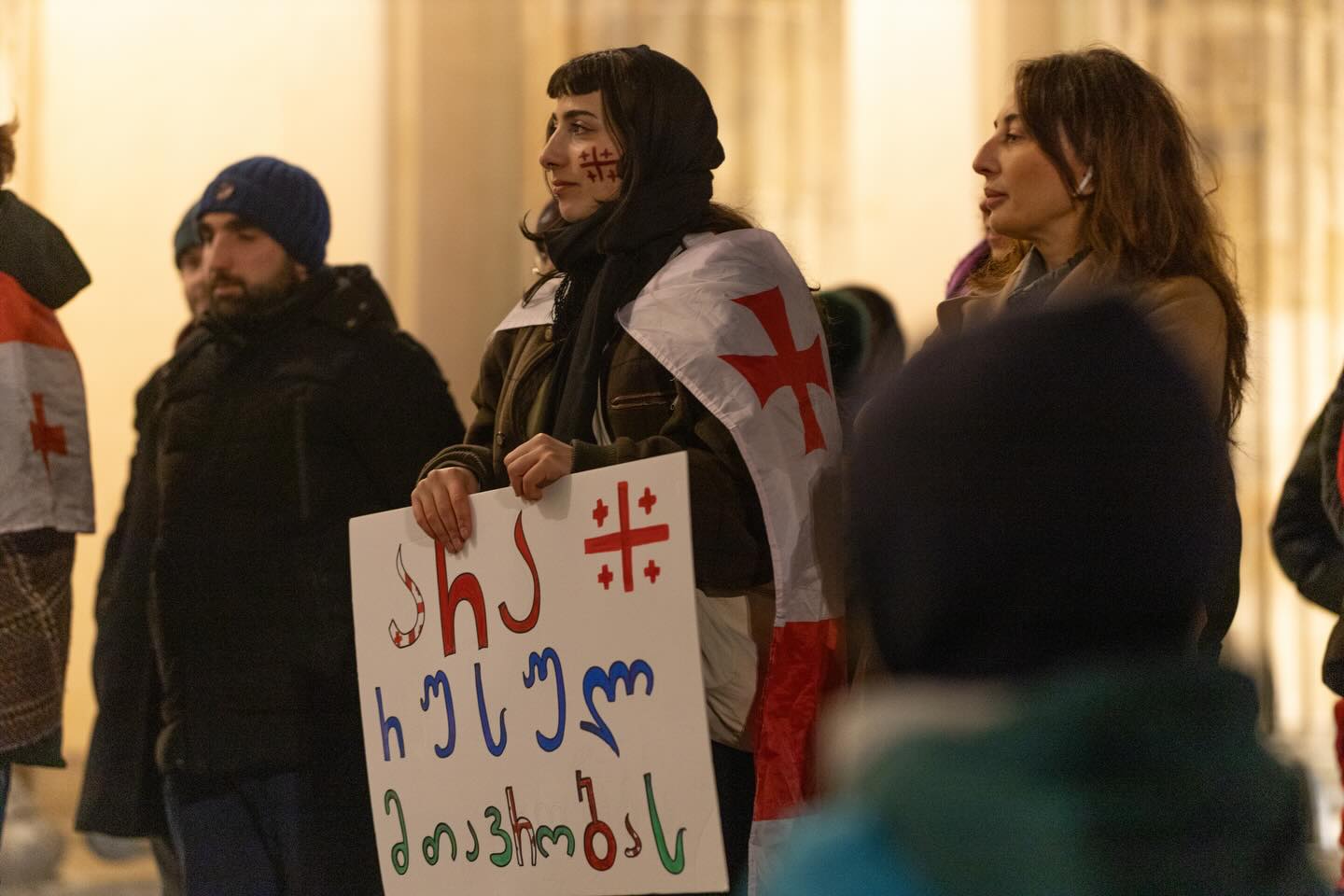
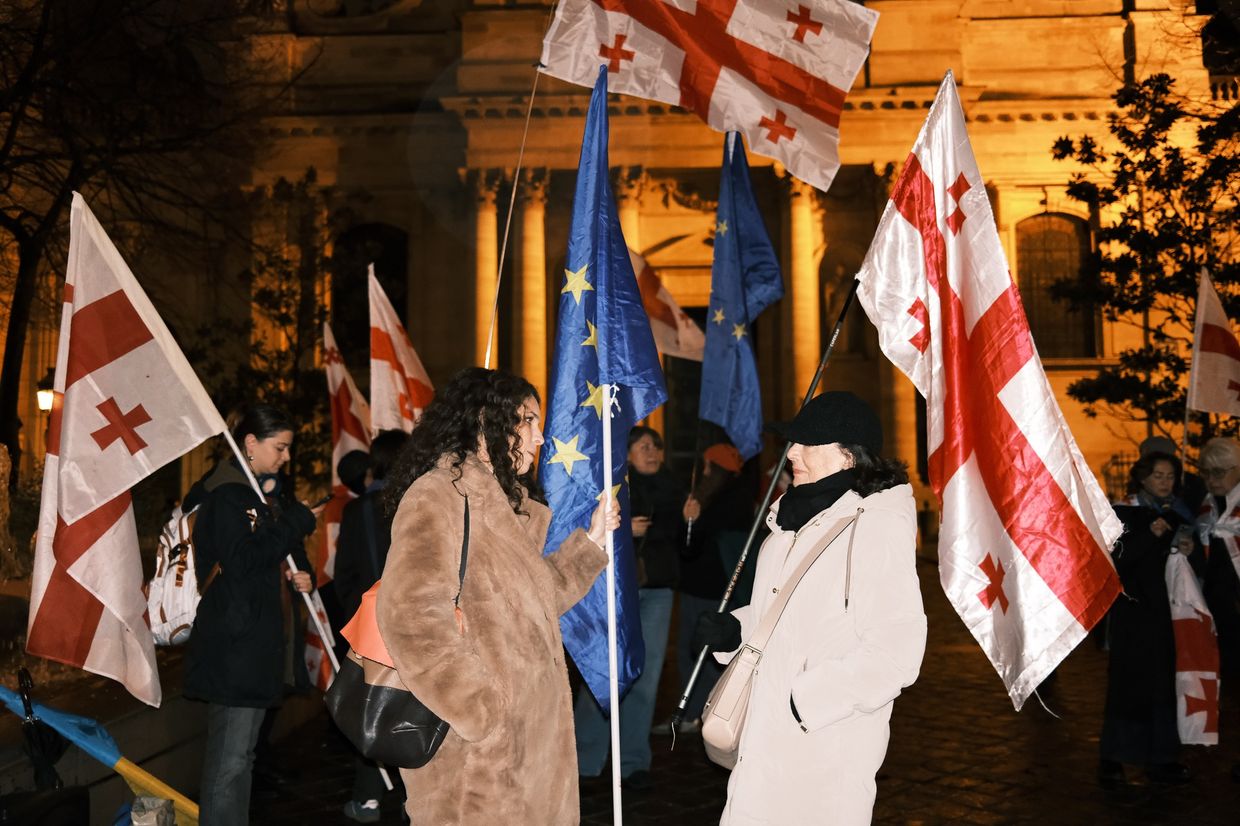
A cold breeze ran through the small crowd gathered near Berlin’s Brandenburg Gate on 28 November 2025. Made up mostly of Georgian migrants, the group had come together to mark one year of daily anti-government protests back in Tbilisi, which were originally triggered by Prime Minister Irakli Kobakhidze’s announcement that Georgia’s EU accession bid would be halted until 2028. Yet this commemoration was not the only thing on their minds.
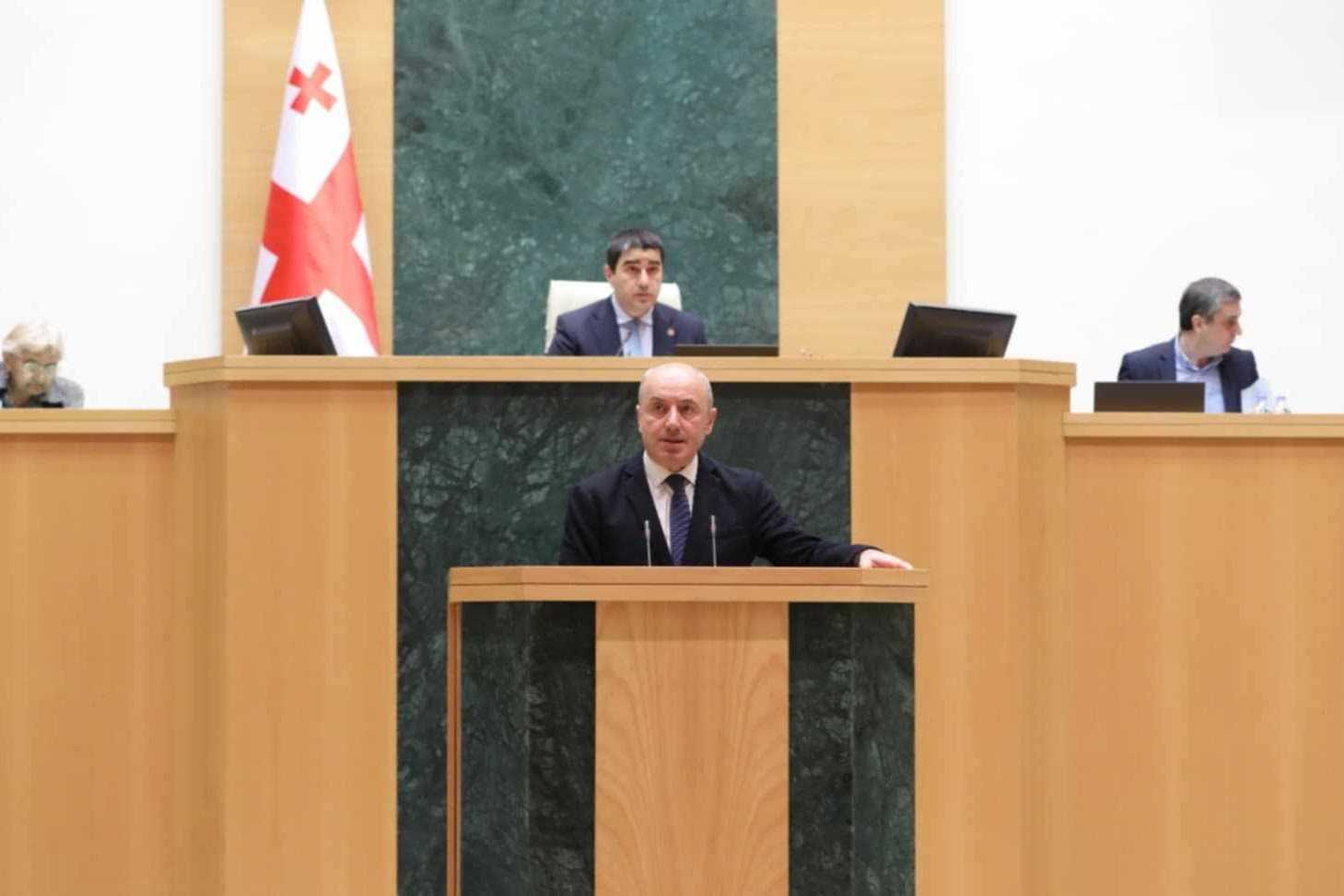
Just days earlier, Parliamentary Speaker Shalva Papuashvili had announced a revision of the electoral code that would ban overseas voting for parliamentary elections. According to him, the measure ‘increases the stability of elections, reduces the influence of external players, and ensures a more adequate, informed choice’. Indignation spread.
‘It is a new step towards dictatorship’, an active member of the France-based diaspora organisation Géorgie vue de France, Ketevan Sharukhia, tells OC Media.
Papuashvili’s announcement came at a time when Ketevan was increasingly regretting the gap between the promises of Western authorities and the concrete actions taken against the ruling Georgian Dream party — ‘For now, Europe is sleeping’.
On 17 December, in part due to Géorgie vue de France’s active work with French MPs, the French parliament passed a resolution ‘aimed at condemning the illiberal and authoritarian drift of the Georgian government and reaffirming our support for Georgia's European destiny’.
That same day, the Georgian parliament approved the bill to ban overseas voting.
 Mikheil Gvadzabia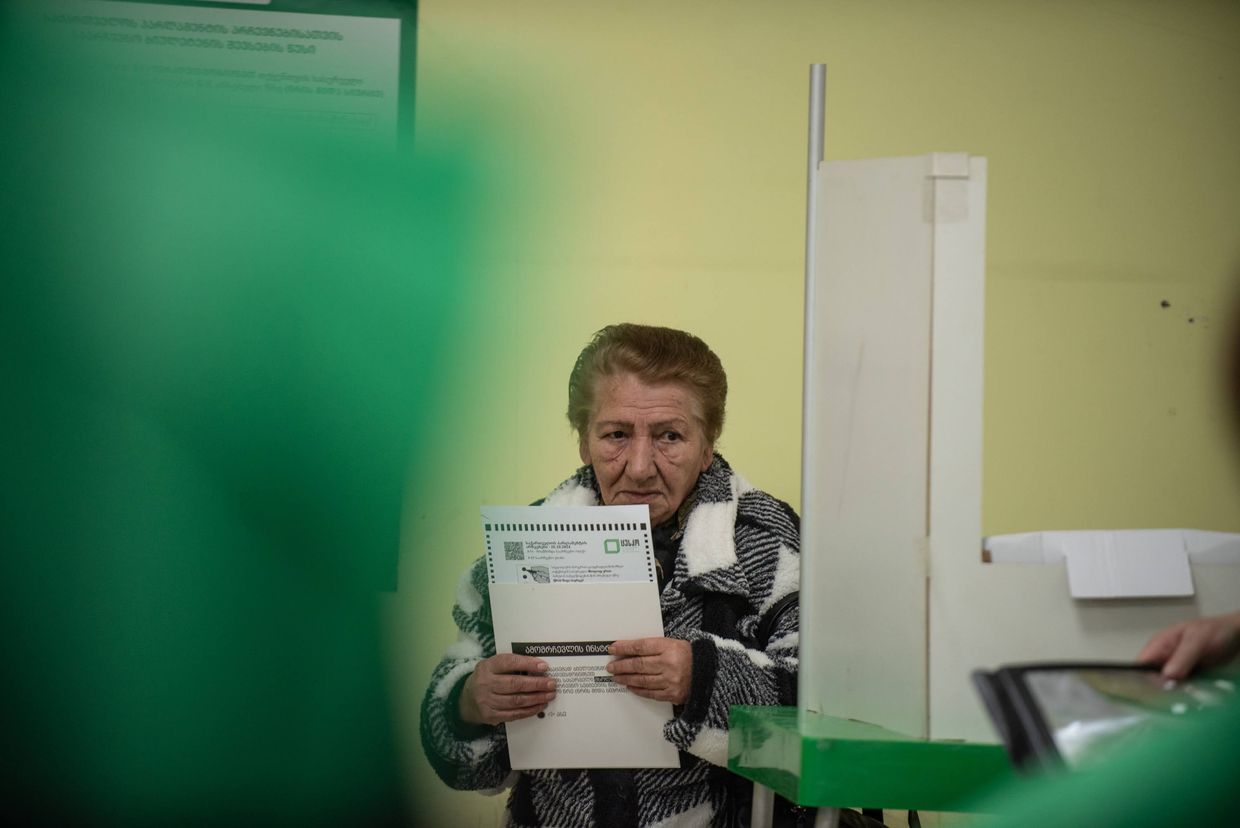
A measure consensually deemed ‘undemocratic’
One common phrase amongst diaspora members interviewed by OC Media in regards to the new amendment was that it was ‘undemocratic’.
In his statements prior to the bill’s adoption, Papuashvili emphasised that the measure ‘fully complies with international standards’, listing other countries — including Ireland, Israel, and neighbouring Armenia — that do not allow overseas voting.
Yet, as the Pew Research Centre notes, the norm is that ‘most countries and territories allow voters abroad to cast ballots in some capacity, such as embassy or absentee voting’.
Gaga Gogoladze, a founding member of Germany-based Georgisches Zentrum im Ausland (GZA), separately notes that it is rare to see a country rolling back on such a democratic norm, with the tendency usually being to expand those rights.
‘We are citizens of Georgia, and this is the only tool we have to participate in our country’, underlines Georgian emigrant Lalo at the 28 November Berlin protest.
There, diaspora members depicted the just-announced measure as ‘ridiculous but not unexpected since we are now in full tyranny’ and ‘disrespectful for emigrants, that is, a third of the country’.
Speaking in parliament in March 2025, then-Deputy Foreign Minister Vladimir Konstantinidis said that over 1.5 million Georgians live abroad. The government does not track any official statistics in this regard, however.
‘Attacking the diaspora is attacking the society’, Gaga argues.
Some, including Ketevan, stretch the argument further to deem the measure ‘unconstitutional’, claiming that it breaches ‘the very idea of everyone being able to vote’.
In anticipation of such criticism, Papuashvili claimed in his November presentation that ‘all citizens of Georgia will have the full right and opportunity to vote in the elections. The only condition is to return to their homeland’.
To those concerned, the words sounded empty.
‘I personally cannot’: an impossible return
Shorena Kharazishvili emigrated to France in 2012, feeling a lack of support from both her country and her family while facing a personal crisis. Through her work as a librarian in Tbilisi, she found a passion for French culture, ‘its Revolution, and everything [the country] has developed’. As a 32-year-old single mother of four girls, the move was filled with hardship, going from one low-paying job to another before eventually finding stability as a dentistry assistant.
Today, speaking to OC Media from a suburban city in the Parisian region, she remains ‘very happy’ with her decision to emigrate, one she believes opened possibilities for her children as well as herself.
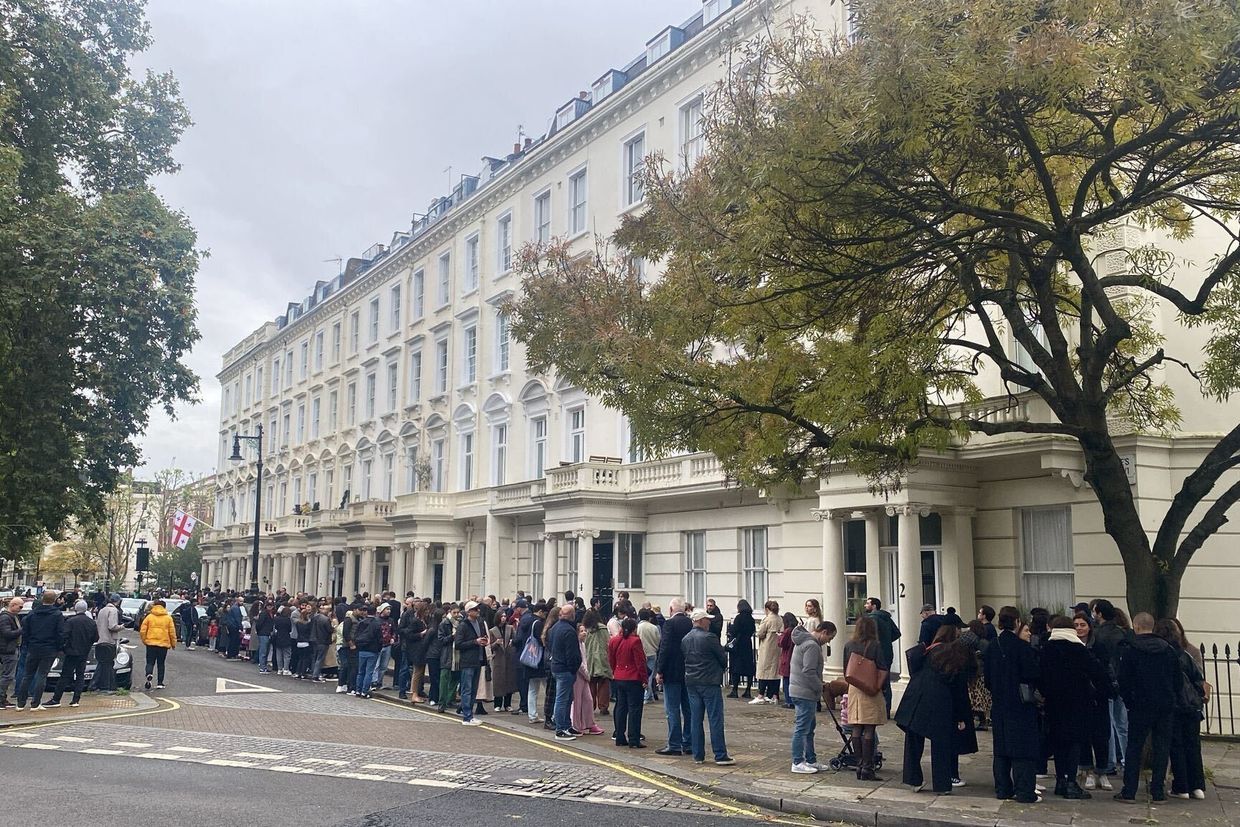
‘I am proud to be Georgian’, she says, and it was with this pride that Kharazishvili voted at the Georgian embassy in Paris on 26 October 2024. Despite the long hours waiting, she was happy to see her fellow Georgian citizens flocking from all around France on ‘a day of hope’.
Yet, the observations of ‘mass election fraud’, the turnaround over Georgia’s European future, and the increasing authoritarianism of the Georgian Dream party led to disillusionment with the current state of the country, reminding her of her childhood under president Eduard Shevardnadze. The ban on voting from abroad only increased her despair.
Shota Kincha
While Khazarishvili may have found stability for her family in France, this does not mean she can easily travel to Georgia. Indeed, she has not been back to her homeland for two or three years now due to soaring prices — to her ears, Papuashvili’s claims that nothing changes for the diaspora sound frivolous against her lived experience.
‘Despite my willingness, I personally cannot [go back to vote], because it will hit our budget, while the flights will be 10 times more expensive’, she exclaims.
Socio-economic reasons are among the main push factors for Georgian emigrants. It means a significant section lives in precarity, while continuing to transfer financial surplus to family and acquaintances in need back home, to the detriment of personal savings.
‘Most people cannot afford it’, says Nika in Berlin. Similarly, Anna Khelaia-Beck notes from the German city of Stuttgart that she knows many emigrants who ‘have not seen their families for five or even 10 years’.
Beyond the financial toll, many among the diaspora do not have legal status in their countries of residency, meaning that a short return would expose them to an obvious risk of deportation.
Indeed, Khazarishvili sees the electoral amendment as a betrayal of the emigrants whose very presence abroad is often a financial lifeline for entire families in Georgia. In 2025, the diaspora transferred around $3.6 billion back to their homeland in remittances, making up just under 10% of the country’s GDP.
The authorities are ‘just considering [the diaspora] as money distributors’, Kharazishvili says.
She assumes the government took this new decision ‘on purpose’ knowing ‘very well we cannot come back’, all because it ‘fears the diaspora’.
There is also the question of whether Georgia could even handle an influx of its diaspora for election day.
Georgia’s three international airports in Tbilisi, Kutaisi, and Batumi handled a total of 3.1 million travellers in 2024, a record-breaking year. This averages out to around 20,000 travellers a day nationwide.
‘There’s not nearly enough capacity to make [travel for hundreds of thousands of diaspora members] possible’, Natia, a young film critic living in Berlin, argues.
Erasing a source of electoral opposition
Within the current authoritarian drift unfolding in Georgia, members of the diaspora also see the ban on voting abroad as part of the ruling party’s move to reinforce power.
Georgian Dream gained a majority in the contested domestic results of the 2024 parliamentary elections, but the vote from abroad was the opposite, with the party winning just 13% of the vote, a notable decline from 29% in 2020.
‘They couldn’t exert pressure here’, Anna Khelaia-Beck says. ‘But in return, they opened very few polling stations’.
In the run-up to the October 2024 parliamentary elections, Anna volunteered with Generations for Georgia, a civil society organisation working to help people register to vote and to improve accessibility to what they view as a fundamental right. Any requests to open polling stations in new locations, however, formulated through existing procedures, remained unanswered.
Anna recalls the situation in the US where Georgians were only able to vote in three cities, despite the country’s vast size and its status as home to one of the largest Georgian diaspora communities. ‘It’s crazy!’, she says.
On election day, she was an observer in Stuttgart and claims to have witnessed people being registered at another polling station than the one initially communicated. Observer groups similarly concluded that the authorities ‘disfranchised’ Georgians abroad by limiting their ability to vote, with what Gaga would call ‘artificial problems’.
Among the more than 2 million Georgians reported as voting in the 2024 elections, only 35,000 were abroad, according to official figures, not enough to make their voices a game-changer. Nonetheless, as Gaga sees it, their clear sentiments remain a thorn in the side of the ruling party.
Indeed, he explains, the diaspora has been a place where a lot of anti-government organisation happens, whether in terms of opposition initiatives, consolidation, or dealing with the exile of dissidents.
‘This is something that they don’t like obviously’, Gaga argues, adding that they view the diaspora as an ‘undesirable group’.
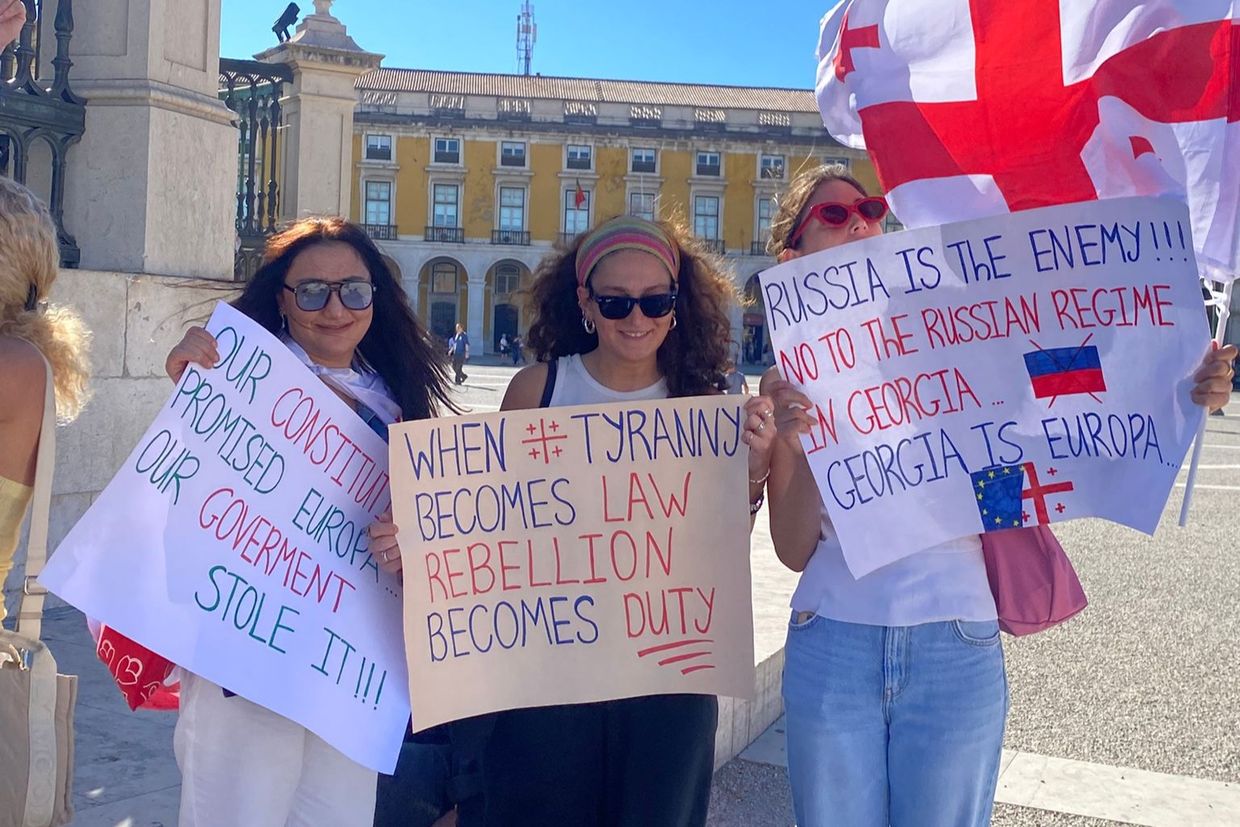
Similarly, Ketevan sees this ban as a question of comfort, in other words, an attempt for Georgian Dream to gain legitimacy by erasing such clear electoral defeats from future records.
‘They don’t want to take this risk again’, Anna says, likewise assuming the ban comes as a punishment for the diaspora’s opposition.
In parallel, there are concerns about the ban being used to apprehend political opponents by bringing them to Georgia.
Anna’s extensive political involvement in Stuttgart did not go unnoticed. She recalls receiving repeated anonymous phone calls threatening her family and herself, explaining this is part of why she has not returned to Georgia for the last three years. She believes that if she were to fly back for future elections, she ‘would be immediately arrested and would not even be able to cast a vote’.
‘All of us who are fighting this regime, for instance, by talking to politicians or demanding sanctions’, Anna claims, ‘we are on the blacklist’.
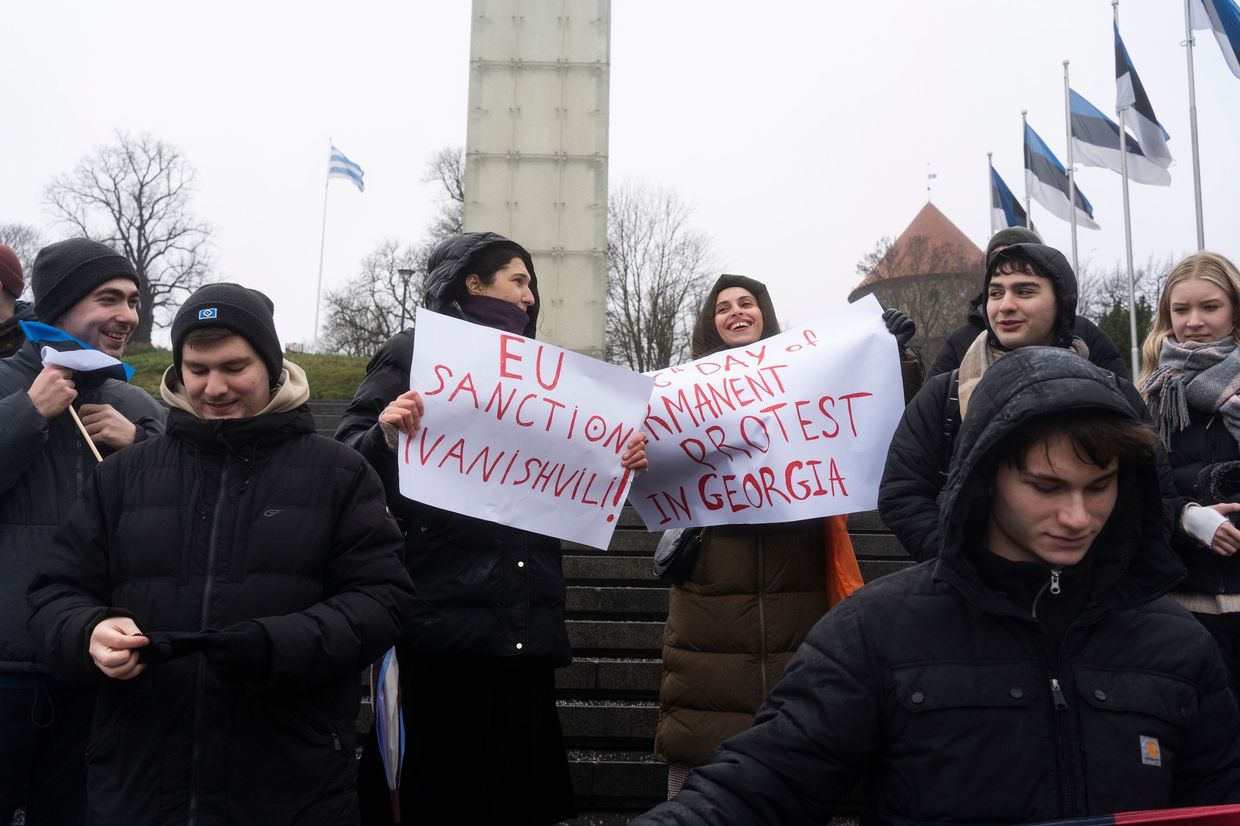
Gaga similarly believes the goal is ‘to create a division between people in the country and the diaspora’, which, by extension, ‘is portrayed as a foreign agent’.
‘We are all considered foreign agents’, Ketevan likewise declares.
Amidst all the anger is also resignation: ‘After the last elections, considering people know that their vote won’t make a difference, a lot would think that making sacrifices to travel to Georgia and vote there is not worth it’, Natia says.
Many who spoke to OC Media agreed with her.
‘Regrettably, we have reached this point’, Shorena reflects, ‘where we have fully lost trust’.
This article was translated into Russian and republished by our partner SOVA.