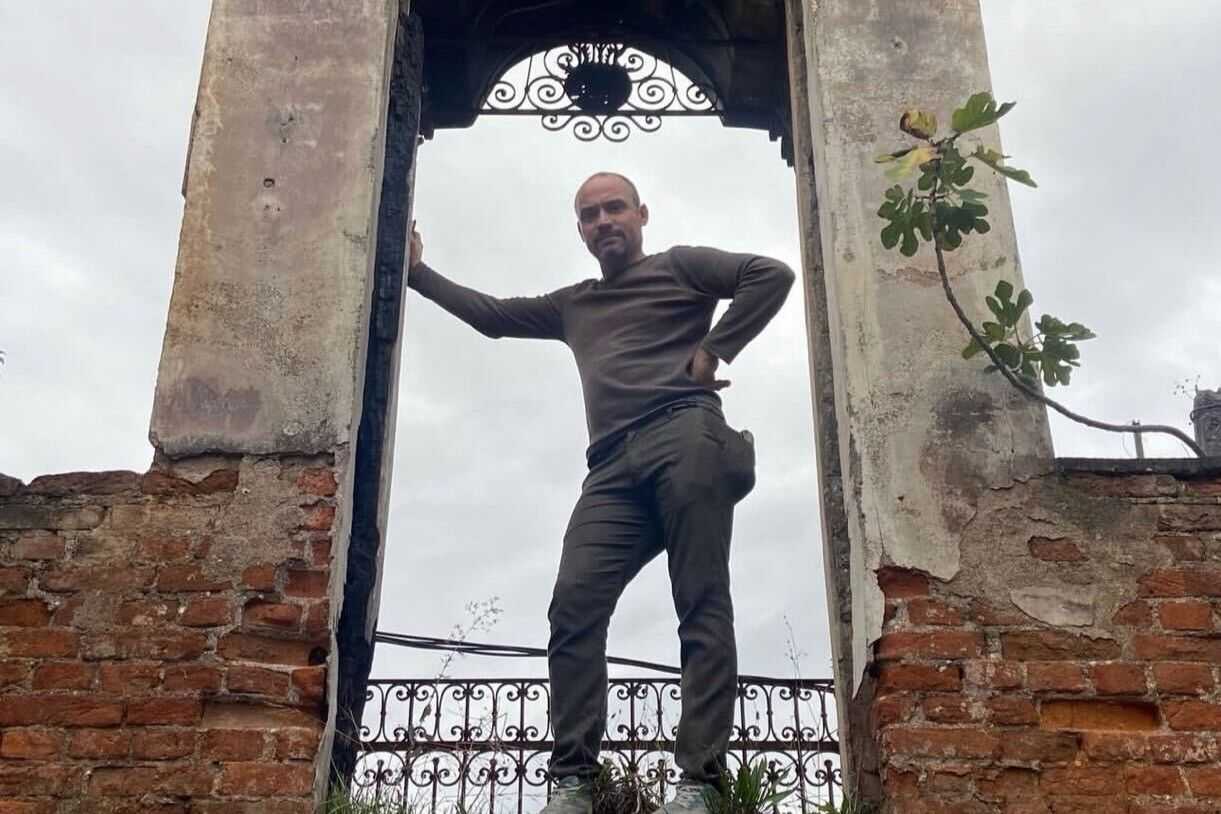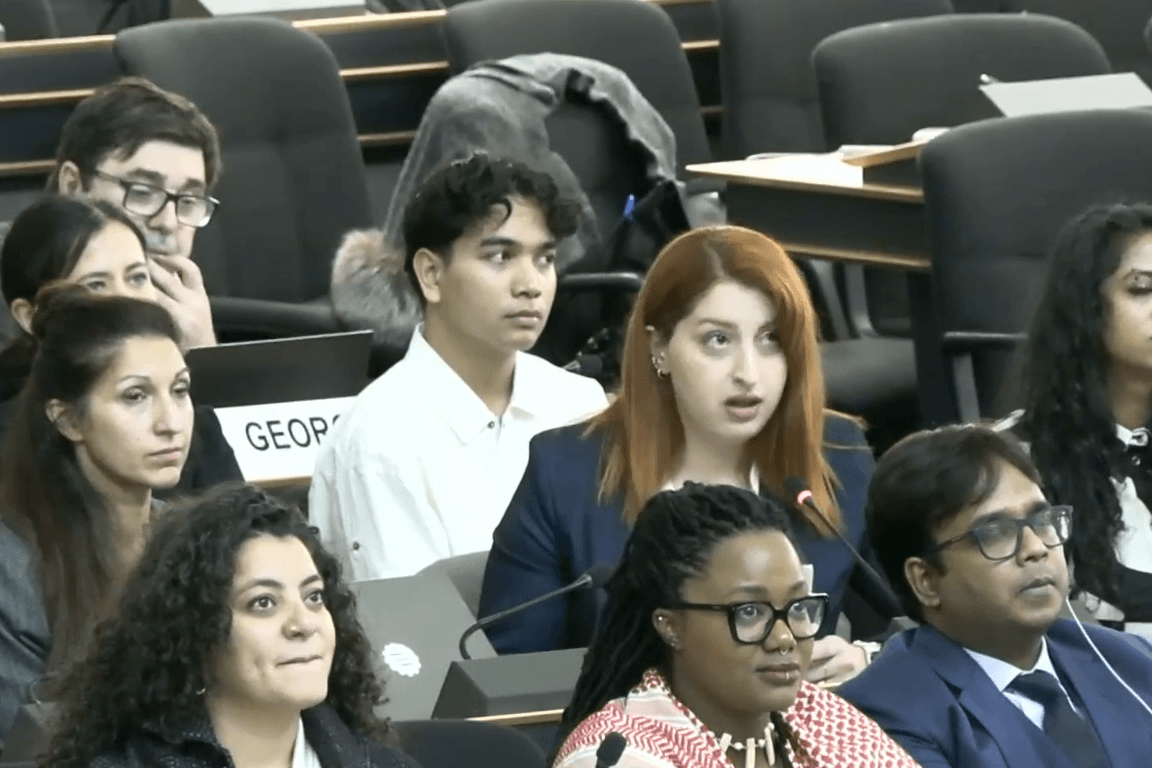
An Abkhazian–Turkish activist from Turkey’s Federation of Caucasian Associations (KAFFED), Elçin Adzinba, has said she was the victim of a cyberattack after receiving threats from people who identified themselves as the ‘Georgian mafia’.
Adzinba, an assistant professor at the Adnan Menderes University in western Turkey, spoke at the 18th UN Forum on Minority Issues in Geneva as part of a KAFFED delegation on 28 November. In her remarks, she drew attention to the lack of recognition of documents issued in Abkhazia internationally.
‘Across many countries, documents issued in Abkhazia are rejected without consideration; birth certificates, death records, marriage papers, medical reports, and diplomats are treated as if they do not exist’, she said.
‘This practice strips people of legal identity, access to healthcare, and [the] right to education’, Adzinba said.
She also said that ‘thousands of Abkhazians’ were trapped in Abkhazia, as they faced barriers to travelling abroad.
‘We call on all United Nations member states to act — not to take sides, not to make political statements — but to implement practical and humanitarian mechanisms that allow Abkhazians to access basic rights’, she said. ‘These mechanisms exist elsewhere, they work, and they save people from needless suffering’.
She concluded by calling for the establishment of a binding non-use of force agreement between Sukhumi (Sukhum) and Tbilisi, a long-standing Abkhazian demand.
In an interview with OKNO, a social-media-based Abkhazian media outlet, published in English by Abkhaz World, Adzinba said that she attended the forum as an academic member of KAFFED’s Abkhazia Working Group.
Established in 2003, KAFFED is an umbrella organisation that manages over 56 Caucasian associations in Turkey, mostly of North Caucasian peoples.
During the interview, Adzinba said she was confronted after the first day of the forum while she was walking in Geneva. ‘Two men approached me. They said they knew who I was, that they were “Georgian mafia”, and that I should be more careful with my statements’, she said.
‘The next day, when I was to speak in the UN hall, Georgian representatives sat directly behind me to create pressure. This is visible in the video of my speech. But many good people supported me: including UNPO Secretary General Mercè Monhe Cano and other participants, they came and sat next to me, in front of me, and behind me.’
Adzinba said that a Georgian representative later took the floor and said that he wanted to respond personally to her.
‘When he began repeating the usual set of lies, I simply left the hall’, she said, adding that she reported the threats she had received to the UN.
On Thursday, OKNO reported that Adzinba had also been subject to a cyberattack.
‘They gained access to all my passwords — bank, university, e-government, and others. They completely deleted all my correspondence related to Abkhazia, including correspondence with the UN and international NGOs’, she said. ‘My academic papers and data stored in Google Drive were also deleted. Most of it was recovered, but the correspondence was not’.
‘In the past, the Georgians burned Abkhaz archives and libraries, and today they’re targeting the work of scholars. Their mentality hasn't changed at all’, Adzinba told OKNO.
According to the media outlet, Adzinba has filed a complaint with the Turkish Prosecutor’s Office regarding the hacking of her accounts.
 OC Media
For ease of reading, we choose not to use qualifiers such as ‘de facto’, ‘unrecognised’, or ‘partially recognised’ when discussing institutions or political positions within Abkhazia, Nagorno-Karabakh, and South Ossetia. This does not imply a position on their status.
This article was translated into Russian and republished by our partner SOVA.