Armenia’s past weapons purchases hindered by CSTO membership and Nagorno-Karabakh, Pashinyan says

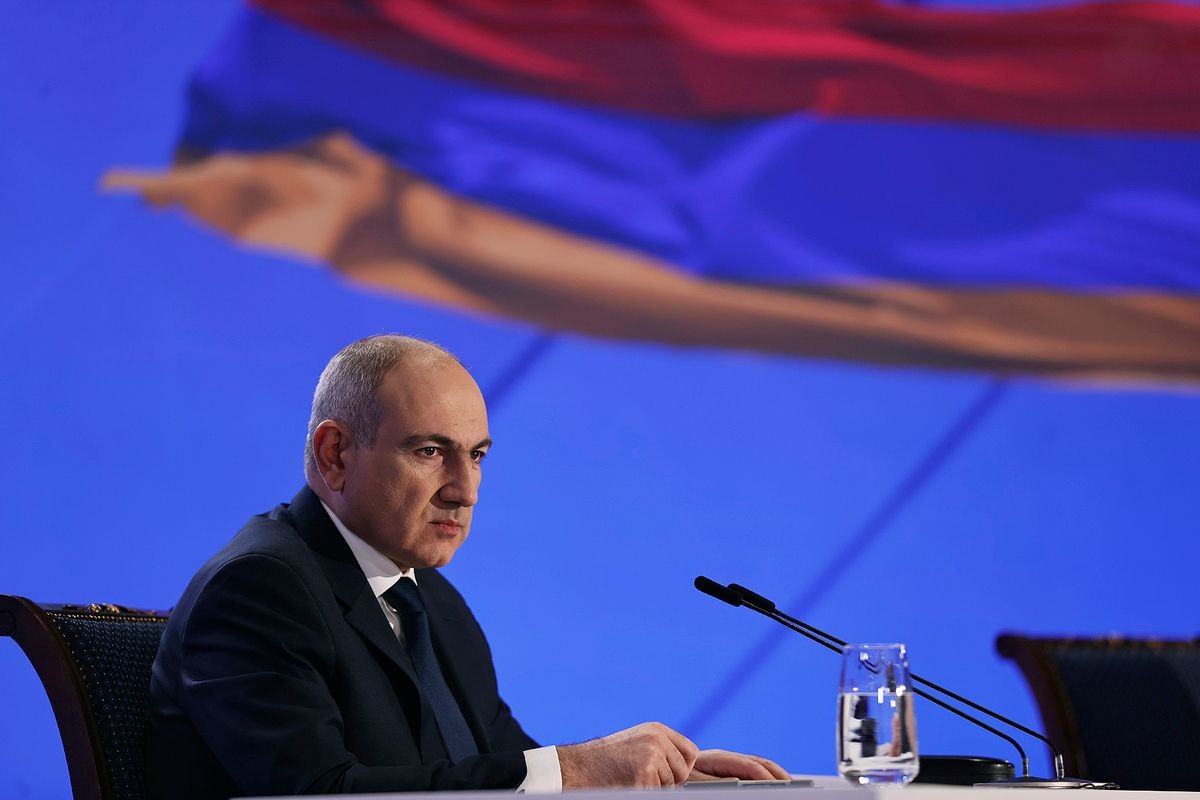
Armenia’s ability to purchase weapons was historically limited by the country’s membership in the Russia-led Collective Security Treaty Organisation (CSTO) and the conflict over Nagorno-Karabakh, Prime Minister Nikol Pashinyan has said.
Pashinyan made the statement in his message on the Armenian Day of the Army, celebrated on 28 January.
Highlighting the ‘significant investments’ and ‘major reforms’ implemented in the army under his leadership, Pashinyan underscored that ‘a vast amount of modern weaponry and military equipment’ was acquired in recent years.
He added that the purchases were ‘of a quality and specification that our army has never had before’, noting that Armenia had previously been unable to acquire such modern weapons and military equipment for two reasons.
 OC Media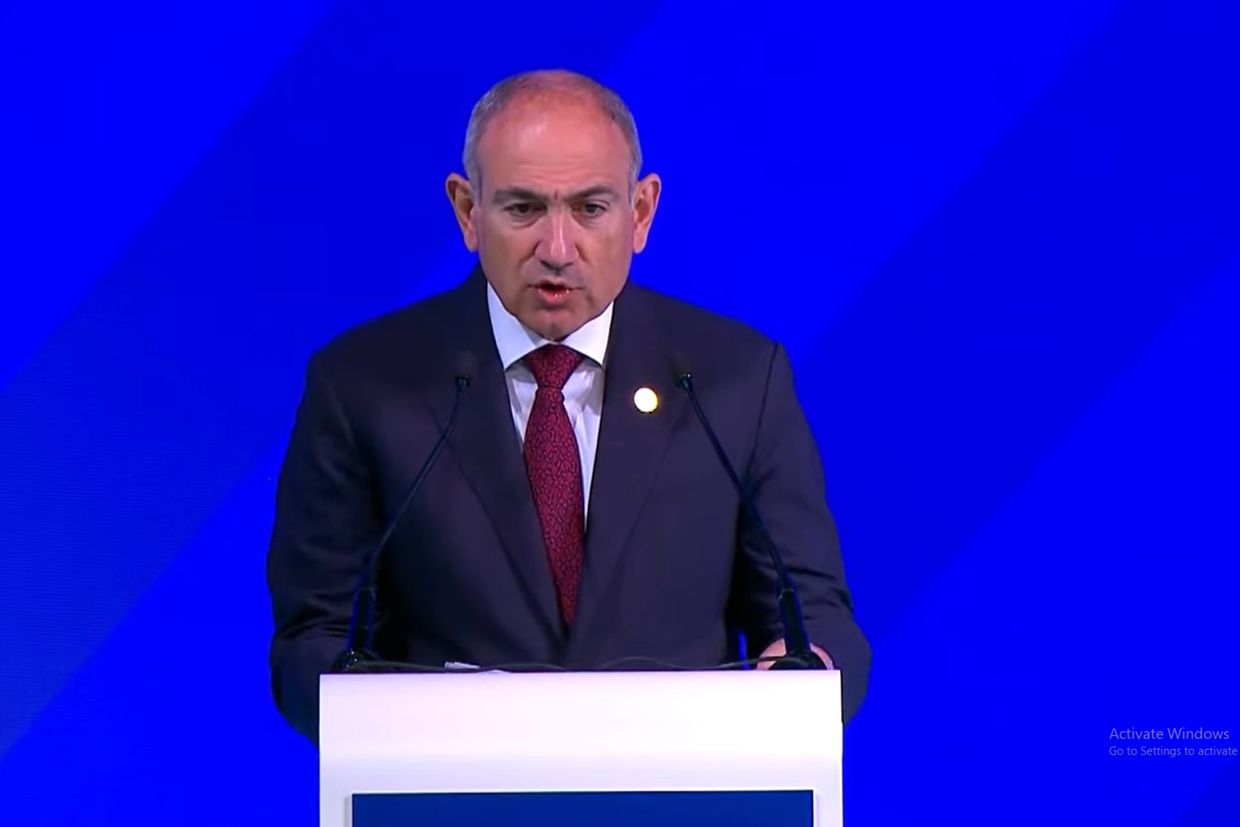
Pashinyan said international partners refused to sell weapons to Armenia because they were ‘not sure that these weapons would not be deployed outside the internationally recognised territory’ of Armenia, likely implying Nagorno-Karabakh.
The second concern was that ‘they were not sure that the classified specifications of these weapons would not become available to the CSTO.
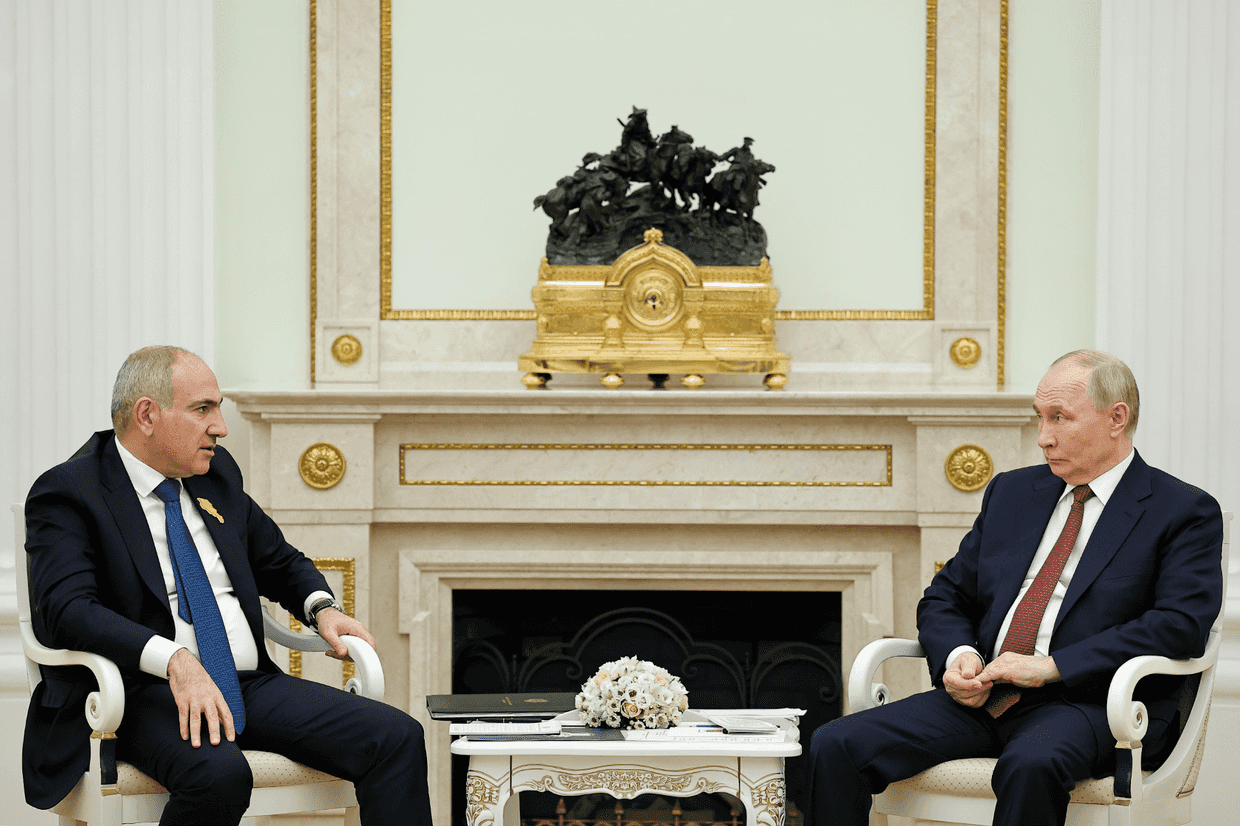
Armenia froze its membership in the CSTO in 2024, citing the bloc’s failure to meet its security obligations during Azerbaijani military incursions in 2021 and 2022. At the time, Pashinyan said the CSTO’s refusal to come to its aid during the Azerbaijani attacks ‘could not have gone without consequences’.
Arshaluys Barseghyan
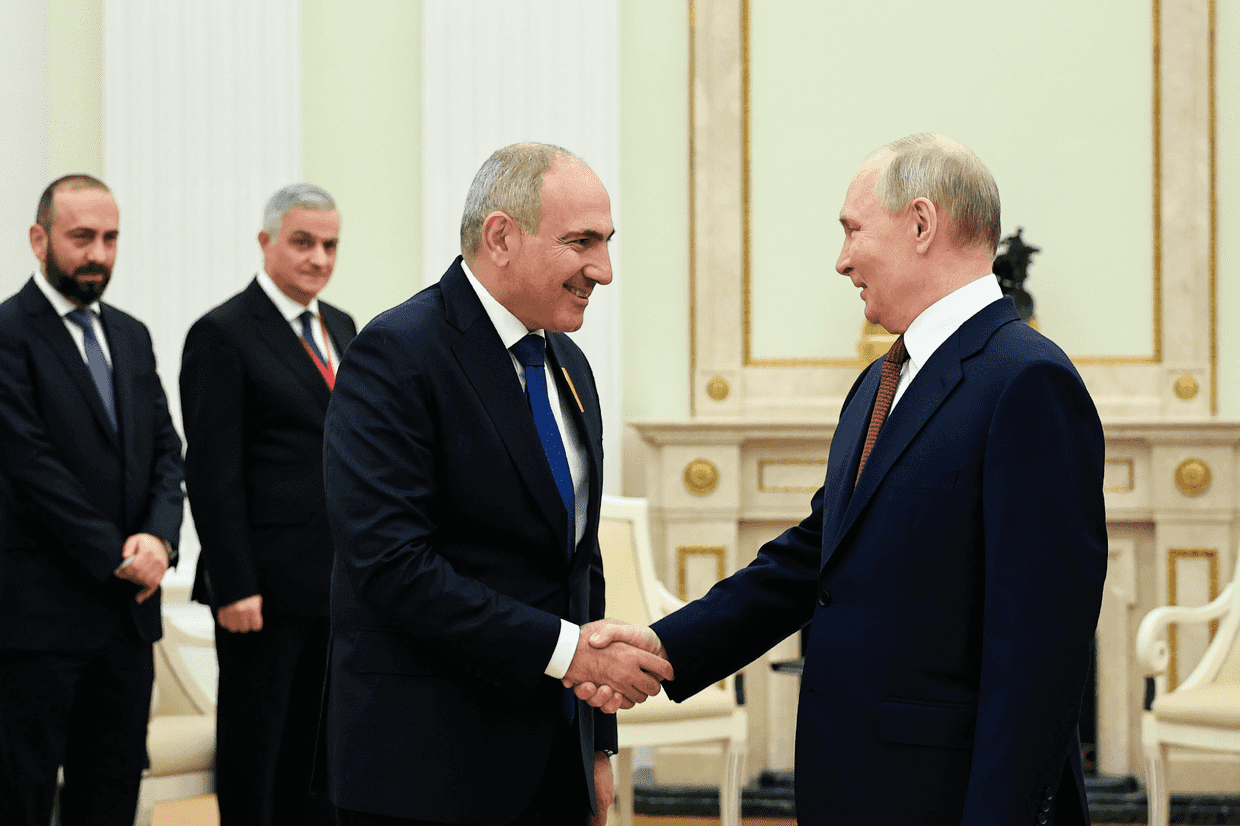
In his comments on Wednesday referencing that lack of support, Pashinyan also added that Armenia’s CSTO partners, implying Russia, ‘were also refusing to deliver hundreds of millions of dollars worth of weaponry and military equipment for which Armenia had already made payments’.
Yerevan has repeatedly criticised Moscow for failing to fulfil weapons purchase contracts signed in 2021. For their part, Russian officials have cited the impact of Moscow’s full-scale invasion of Ukraine as the main factor affecting deliveries. Later, Armenia and Russia reached an agreement under which the amount paid by Armenia for undelivered weapons would be deducted from interstate debt.
Pashinyan said the combination of these events ‘constituted an existential threat’ to Armenia, adding that ‘it became evident that a decision had been made to eliminate our statehood and reduce our sovereignty to zero’.
He argued that the threat was overcome firstly after Armenia and Azerbaijan recognised each other’s territorial integrity in October 2022 — a process that included Armenia recognising Nagorno-Karabakh as part of Azerbaijan. Pashinyan also cited Armenia’s decision to freeze its membership in the CSTO as a second key factor.
Vowing to continue the development of the army, Pashinyan added that Armenia was not preparing for war. Reiterating that ‘peace has been established’ between Armenia and Azerbaijan, Pashinyan added, ‘there is no more reliable guarantee of security than peace’.
‘We will continue to strengthen this most reliable guarantee of security’, Pashinyan said.