Armenia’s Simonyan touts ‘balanced policy’ with Kremlin in interview with Russian opposition TV

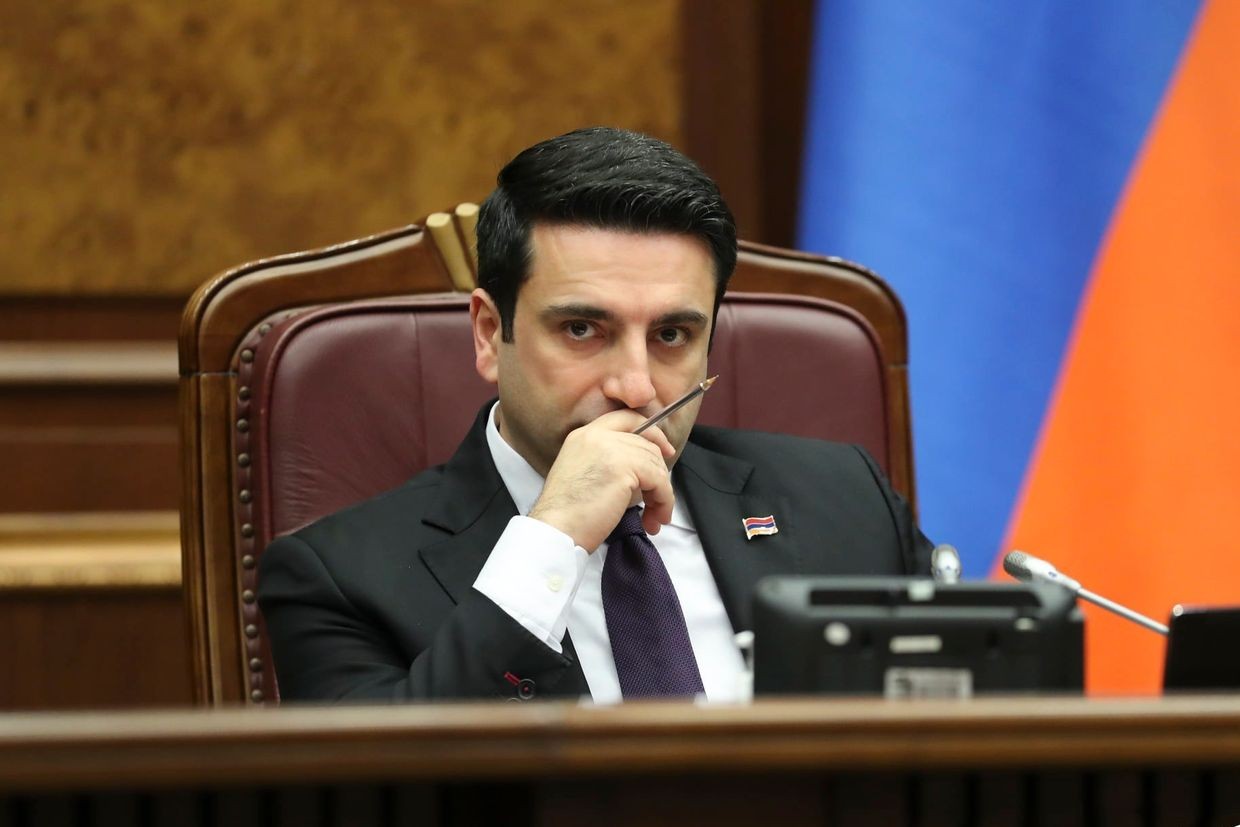
In an interview with Russian opposition TV Dozhd (TV Rain), Armenia’s Parliamentary Speaker Alen Simonyan has said that his country seeks to maintain a ‘balanced policy’ towards Russia, despite its apparent shift towards the West. Simonyan, among other things, has also stressed that ‘zero people’ wanted by Russia have been extradited from Armenia.
Simonyan appeared on TV Dozhd’s foreign affairs programme hosted by Ekaterina Kotrikadze on Sunday.
Touching on Armenia’s ‘dependence on Moscow’, Simonyan was asked about statements made by Russian propagandists Aleksandr Dugin and Vladimir Solovyov regarding Armenia.
While Kotrikadze has not specified what statements she was referring to, Solovyov had in January suggested that Russia could launch a ‘special military operation’ — the term it uses to describe its full-scale invasion of Ukraine — against Armenia.
The Kremlin distanced itself from Solovyov’s comments, saying they were his ‘personal opinion’.
 Nate Ostiller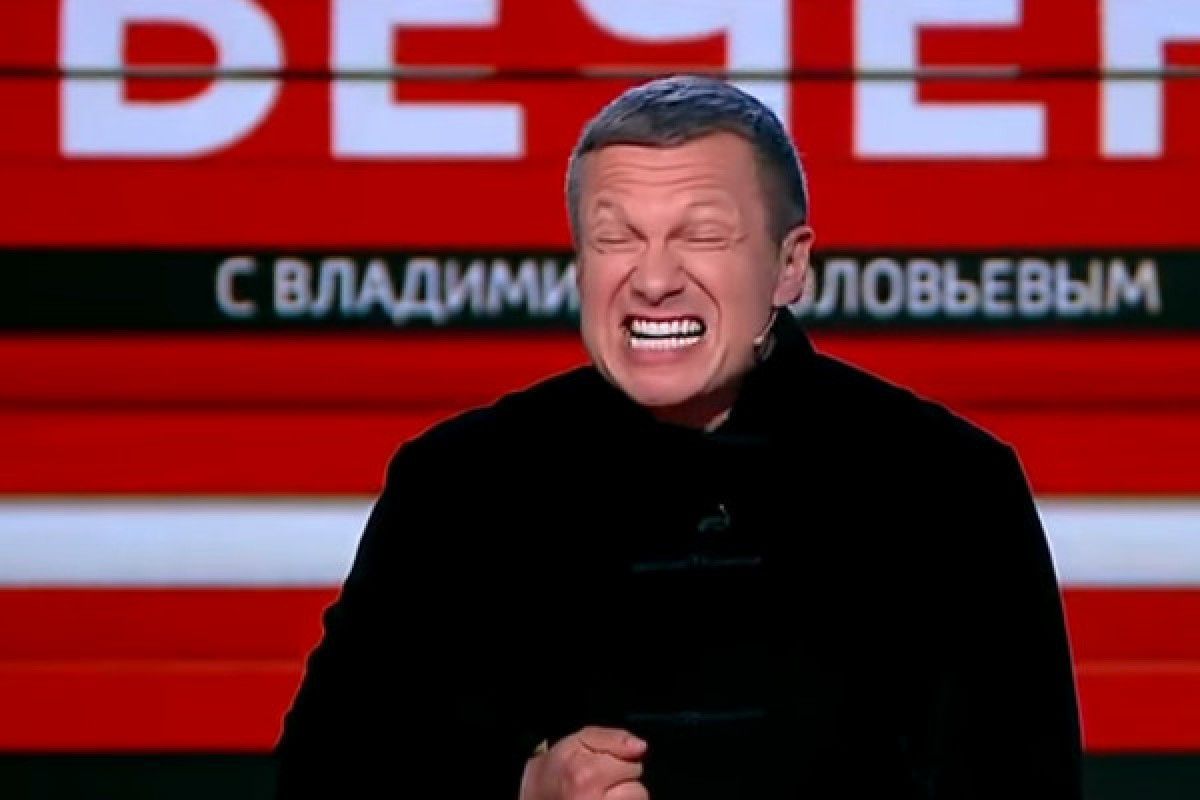
Simonyan noted that the remarks were made at the ‘highest levels’, adding that Solovyov and Dugin are considered mouthpieces of Russia.
Asked if he believed that Russia was acting against Armenia’s interests, Simonyan deflected, saying that Russia was acting in its own interests, like any country would.
Kotrikadze then asked Simonyan about the ongoing conflict between the Armenian government and the Armenian Apostolic Church, noting that Armenia was being ‘actively criticised’ in Russia for its handling of the crisis.
Simonyan said that the conflict was not between the Church and the government, but instead with people who serve the interests of ‘those who are often located outside the Republic of Armenia’ and serve their own interests. He additionally said that ‘in some country, if it turns out X person who holds a high position in a church is a pedophile’, and if law enforcement moved to prosecute such a clergyman or a politician criticises him, such prosecution or criticism would be framed as an ‘attack on the church’.
‘You can’t hide under this black robe and think that this is an indulgence and you can do whatever you want and when they come for you you say that this is an attack on the church’.
He added that ‘four to five high ranking’ clergymen were ‘mired in these situations’, and that a document existed ‘confirming’ that the brother of Catholicos Karekin II, worked with Russia’s foreign intelligence service.
Asked if Armenia would consider asking Russia to remove its forces stationed at the Russian military base in Gyumri, Simonyan said Armenia viewed their removal ‘unfeasible’, but said that they would be open to discussing it with Moscow, drawing parallels to how Armenia asked Russia to remove its border guards at Zvartnots Airport in Yerevan and on parts of its land borders.
‘We keep talking about the war in Ukraine, but let’s imagine this scenario: a country, let’s not call it Russia, let’s call it country X, attacks Armenia. How would the world react? What would other countries do? Nothing, they will just make statements’, he said.
‘We understand that, and that’s why we are trying to walk a fine line’.
During the interview, Simonyan claimed that Armenia would not detain or extradite people wanted by Russia if their ‘prosecution is politically motivated’.
‘No one has been deported from Armenia’, he said, adding that there were situations in which people were detained, but were later released.
‘Many people wanted in Armenia, former political figures accused of violence, murder, and corruption, are now hiding in the Russian Federation’, he added.
‘I guarantee to you that not a single person will be detained or extradited to any other, third country for political reasons’, he continued. ‘We have a lot of people coming, a lot of artists, a lot of famous people who are labeled foreign agents and so on, they have concerts here […] It’s going very well, so I think this issue needs to be closed’.
Armenia’s relations with Russia have been tense for years, with Yerevan accusing Moscow and its security bloc, the Collective Security Treaty Organisation (CSTO), of failing to come to its defence against Azerbaijani attacks on the border.
The country has since pushed for deeper relations with the West, with the Armenian government greenlighting a bill announcing the beginning of the process of joining the EU — a move criticised by Russia, which has on several occasions stressed, both directly or through its blocs, that Armenia’s membership with the EU would be incompatible with its obligations to Russia and its associated organisations, such as the Eurasian Economic Union.
Armenia has also, on occasion, detained several Russian dissidents or military deserters, but has released them shortly after.