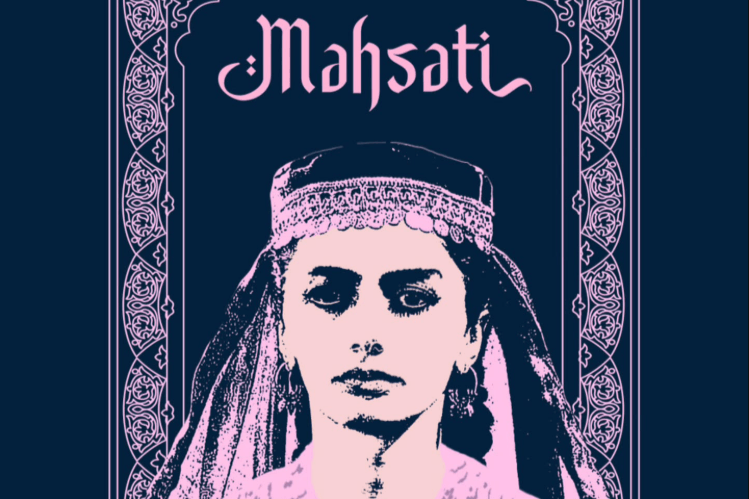
Screenings of the short film ‘Mahsati’ at the Baku International Film Festival, organised by the Azerbaijani Culture Ministry, have been cancelled after the ministry said the film portrayed famed 12th century poet Mahsati Ganjavi as an ‘immoral woman’.
In an announcement made on 4 December, the Culture Ministry said the screenings were cancelled because the film shows ‘disrespect for literary heritage’, demonstrates ‘a clear disregard for ethical and normative frameworks’, and presents the poet Mahsati Ganjavi ‘as a wandering, immoral woman’.
The pro-government media outlet Qafqazinfo wrote that certain fragments of the film ‘contain subliminal messages’ which contradicts the content and the life of Ganjavi.
The film was directed by Suad Gara, the daughter of former Culture Minister Abulfas Garayev. It has been screened internationally, including at the 11th Mammoth Lakes Film Festival in California.
The American festival described the plot of the short film as follows: ‘Young theatre actress Mina struggles to play the role of Mahsati Ganjavi, the scandalous 12th century poetess. Prompted to loosen up by her friends, she goes on a night about town looking for inspiration. When she meets an attractive stranger, their agendas remain hidden beneath the veneer of an Eastern fairy tale’.
The filmmakers have said the film is ‘a modern tale built in the spirit of feminism’, the pro-government media outlet Kinobiz noted.
After the film was removed from the festival, Gara made a statement, saying it had been disqualified from the Baku festival’s programme because the Film Commission of the Culture Ministry refused to issue a screening license, arguing the film does not conform to moral values.
Gara said that in the film, the young actress, dreaming of playing Ganjavi, goes to a club with her friends, drinks alcohol, dances, and begins a romantic relationship with a man.
‘The film is an attempt to take a contemporary look at the story of Mahsati Ganjavi’, Gara said.
‘Raised by a single mother, she was an artist who wrote boldly and beautifully about love, guilt, emotions, and freedom’.
The director said that Ganjavi and her works have been living for hundreds of years, despite the efforts of people who want to deprive her of her voice. Gara further characterised critics as those who want to silence women and relegate them to the past.
‘As women filmmakers, we reject such absurd restrictions on how women can be portrayed. It’s especially astonishing that these restrictions come from a modern and secular country, one of the first to grant women the vote and a country that nurtured inspiring figures like Mahsati’.
‘Mahsati was a force of nature — a pioneer, a freedom-loving individual, a shining star whose light has not faded since the 12th century’, Gara said.
Later, on 17 December, Gara publicly apologised, stating that her last post ‘was never critical, it was simply emotional, personal thoughts’.
‘As a citizen of Azerbaijan, I have always treated my country, our people, and our cultural values with great respect and deep devotion. I sincerely regret that my words were interpreted differently than I intended, and I apologise to anyone who may have been offended or hurt’, Gara said.
Director and actor Abdul Mahmudov, a member of the Artistic Council of the Cinematography Agency, commented on the removal of the film to pro-government media outlet Okhu.az, distancing himself and the agency from the film.
‘I ask: who gave this director the right to present the national and spiritual history of Azerbaijan in a ridiculous light within the confines of her narrow thinking?’
Mahmudov stated that anyone who wants to work on a classical subject should be under official state supervision.
‘The project must be approved before it’s implemented. Literature, It’s necessary to obtain the opinion of the institute, the Institute of History, and intellectuals. It’s wrong to approach history and literature this way’, he said.
 Aytan Farhadova
This article was translated into Russian and republished by our partner SOVA.