The state theatre, located in Georgia’s Black Sea city of Batumi, has cancelled a play over alleged concerns the director intended to carry out a ‘political act’. The cancellation was followed by backlash citing censorship concerns.
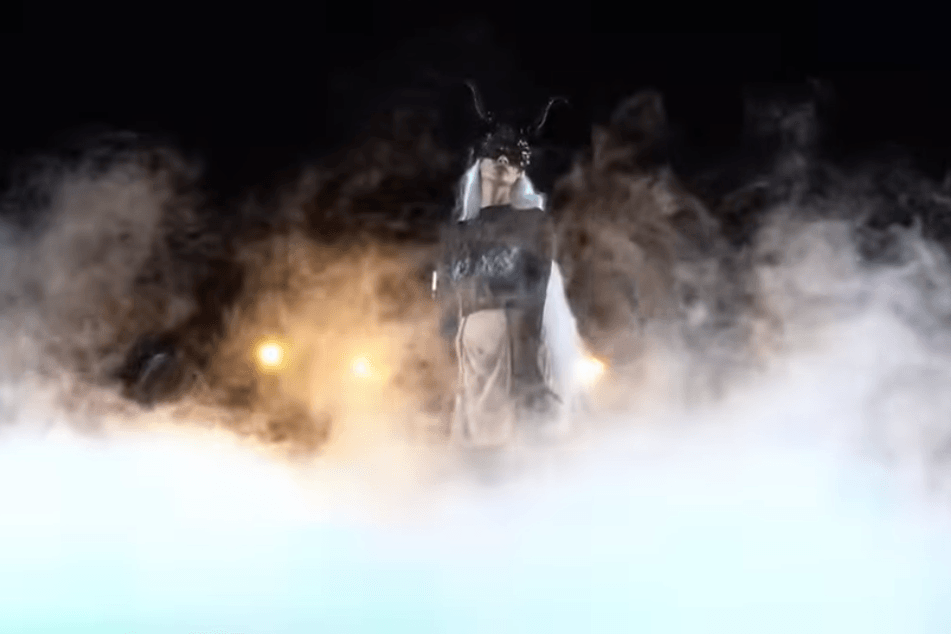
The Batumi Drama Theatre announced its decision in a statement published on Facebook on Thursday. The cancellation concerned the premiere of the play DARK WEB, directed by Gega Gagnidze. The premiere had been scheduled for 7-8 February.
The play ‘reflects on the violence and cruelty that dominate the contemporary digital world. It explores the causes and motivations behind violence’, the announcement read.
The theatre administration claimed that two days before the scheduled performance, they learned that the director was ‘planning to carry out a subjective political act within the play’, without providing further details.
The statement stressed that the theatre ‘categorically distances itself from the politicisation of its space’ and ‘bringing politics onto the stage goes beyond the framework of art and serves only a specific political context’.
‘Accordingly, the planned performance, whose content does not align with these principles, is cancelled’, the administration noted, adding that the theatre ‘will remain a space for culture and art, free from political influence’.
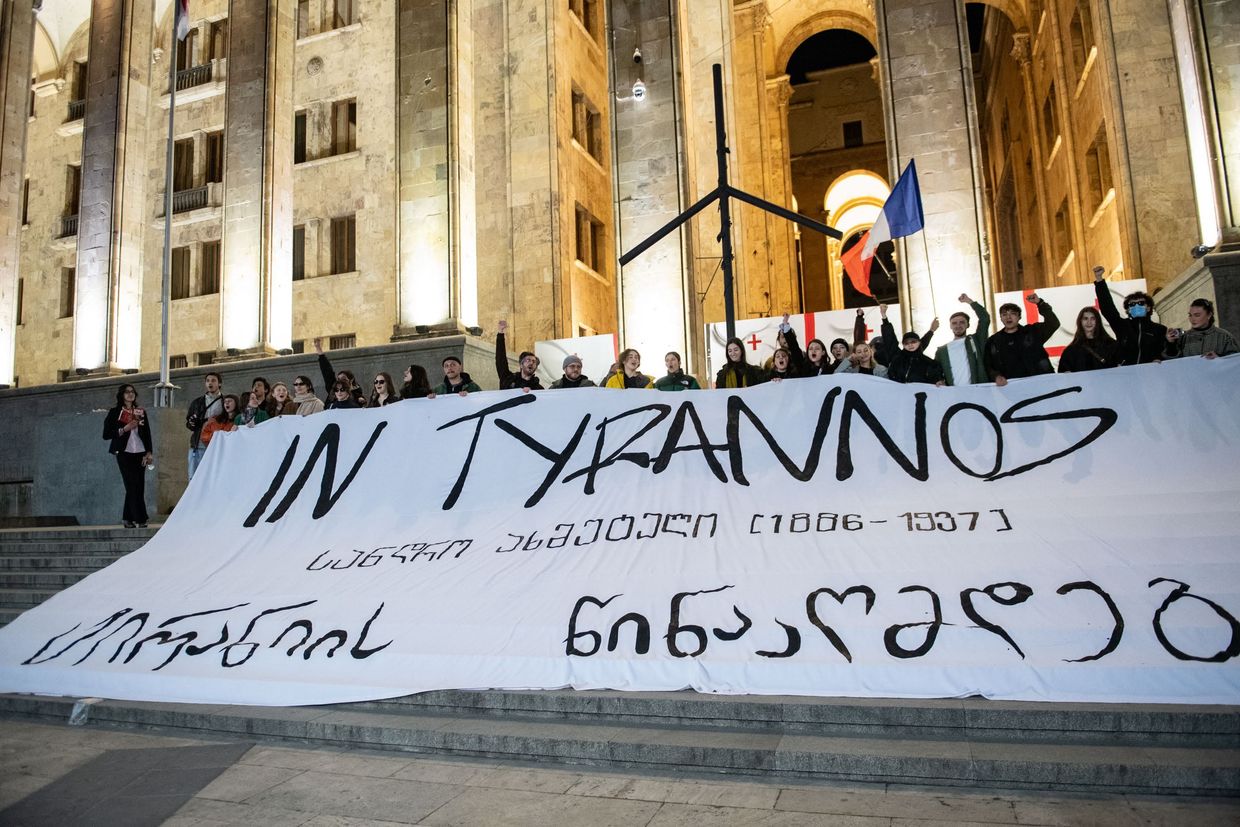
Many critical comments accumulated under the post, with some comparing the theatre’s decision to Soviet-era censorship.
‘Shoot the director! Send the actors to Siberia! Glory to the leader! Long live the party!’, Georgian writer Irakli Kakabadze wrote sarcastically under the statement.
‘Historically and professionally, the theatre has always reflected social and political realities […] Completely excluding politics from the theatre denies one of art’s fundamental functions’, added another user, Zurab Karchava.
Art critic and journalist Gogi Gvakharia also criticised the theatre for cancelling the play. He said he’s been studying censorship for ten years and ‘cannot recall a single case in which a censor admitted that a work of art was being banned for political reasons’.
‘With this, the leadership of the Batumi Theatre handed a note to the [ruling] party — “See how loyal I am; you won’t find anyone more loyal than me” ’, he added.
The Batumi Drama Theatre has previously seen conflicts between its actors and administration.
Against the backdrop of nationwide anti-government protests that began in November 2024 following the Georgian government’s EU U-turn, some of the theatre’s actors voiced calls for a strike, after which the then-head of the theatre, Nukri (Alexander) Kantaria, reprimanded them.
The actors’ protest intensified after, according to them, Kantaria failed to express condolences following the death of one of the protesting actors, Otar Katamadze, in August 2025. Amidst the protest, Kantaria, who had previously been a deputy for the ruling Georgian Dream party before joining the Batumi Theatre, resigned from his position.
Later, the Culture Ministry appointed actor Kote Mzhavia to Kantaria’s position. Mzhavia had appeared multiple times on entertainment shows by pro-government channels.
 OC Media