Chechens again top list of asylum seekers in Germany, but successful cases drop sharply
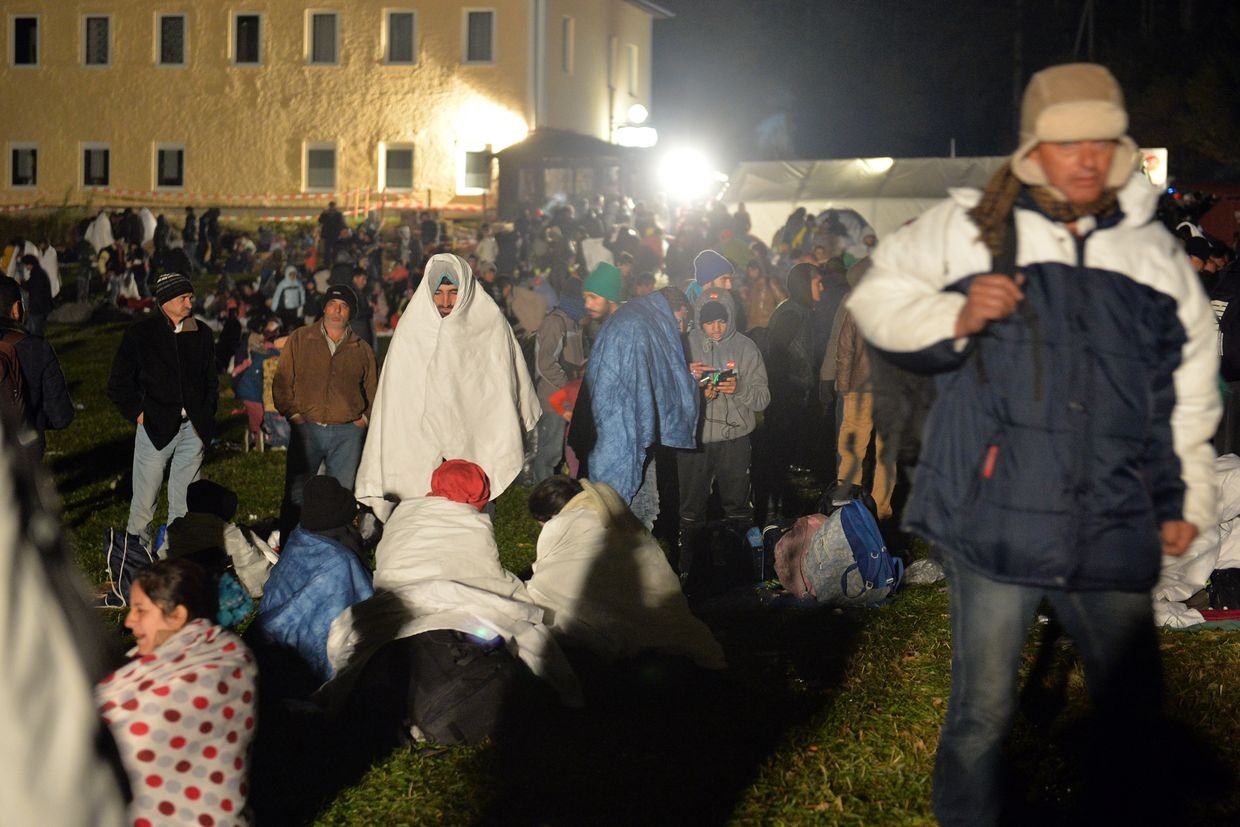
A government report has shown that while Chechens remain the dominant ethnic group among the applicants for asylum in Germany, the share of ethnic Chechens who received asylum declined from 21.1% in 2023 to 3.9% by November 2025.
The report was published on 13 January as a response to the Die Linke (‘The Left’) faction in the German Parliament.
While Echo first highlighted the data, that Chechens constitute 60–70% of Russian asylum applicants over the period covered, the German Parliament reply also listed Ingush, Avars, Kumyks, Dargins, Kabardians, together with Circassians, Ossetians, Lezgins, Armenians, Azerbaijanis, and Georgians among the applicants.
The inquiry by the German MPs covers applications submitted since 2021 and states that all ethnicity data is based on a self-identification that is voluntary. Across the years listed, Chechens remained by far the largest group, while Russians came second.
While Chechens remain the biggest ethnic group seeking asylum, they are less likely to receive protection. The same is true for a number of other North Caucasian groups, whose recognition fell or remained low in the later years covered by the report.
According to the Federal Office for Migration and Refugees of Germany (BAMF), from 2023 until November 2025, successful applications for ethnic Russians also declined, but from a much higher level, falling from 44.1% in 2023 to 21.6% in 2025.
The report also suggests that the asylum flow is not largely made up of men fleeing the mobilisation. Alongside men between 18 to 45, they also recorded a substantial number of women and minors among Russian applicants in each of the years covered.
The document also shows numbers of those who did not get the protection continued to be transferred to other EU countries under the Dublin system. In January–November 2025, Germany transferred 310 Russian nationals to other EU countries, among them 225 Chechens. The report also says that deportations to Russia are currently possible via Georgia and Serbia, and that 3,773 people received state-assigned ‘voluntary return’ support to return to Russia from 2021.
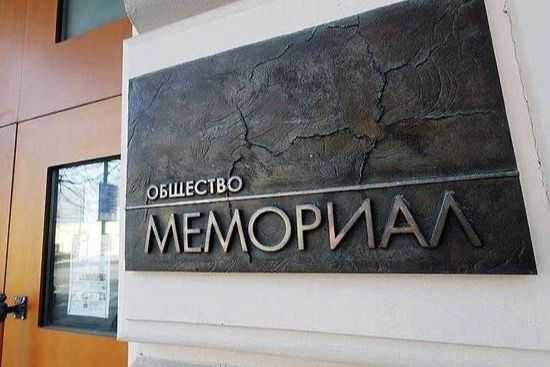
The questions that Die Linke MPs sent to the government also pointed out the repression of civil society in Russia, the forced closure of human rights organisation Memorial, the designation of the ‘LGBTQ+ movement’ as ‘extremist’, and reports of torture and ill-treatment in custody. They also described Chechnya as a particularly severe case, citing reports of abductions and enforced disappearances, and argued that ethnic minorities from poorer regions have been disproportionately exposed to military recruitment.
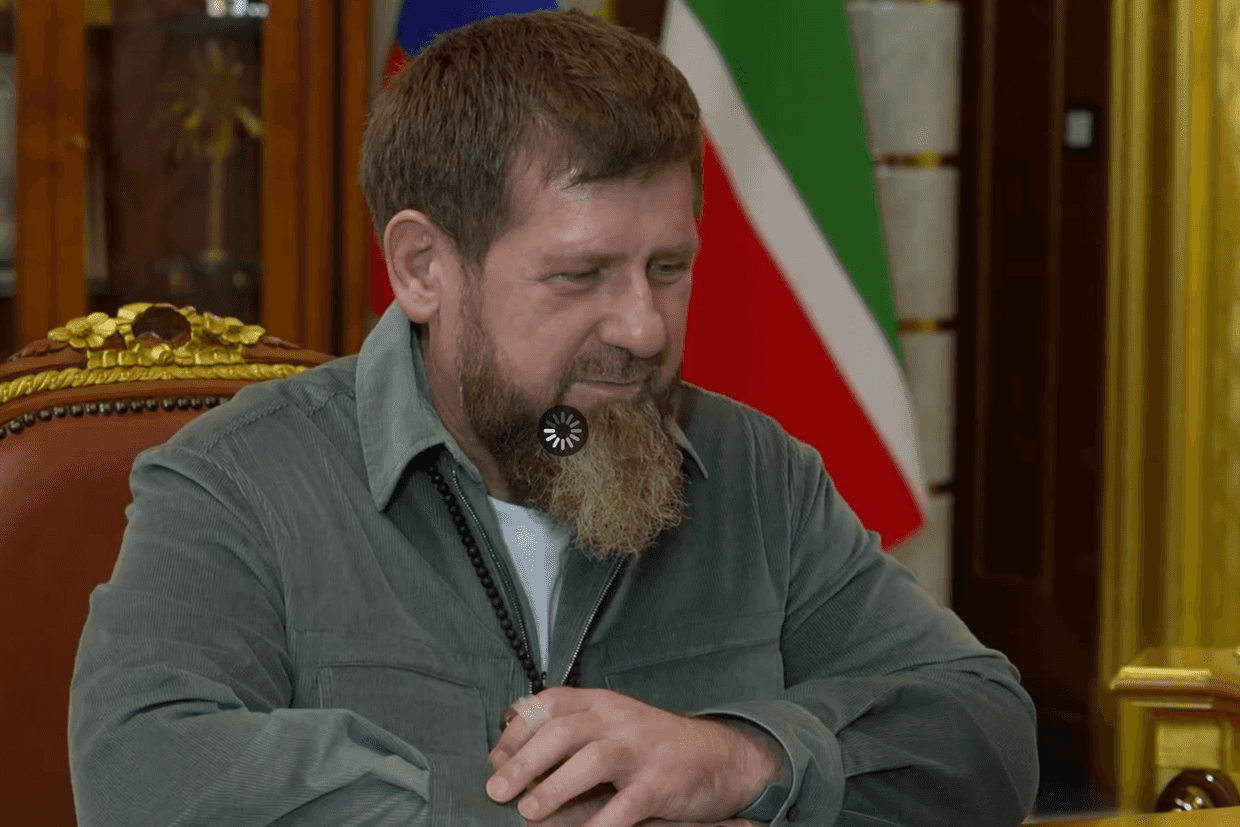
In its reply, the federal government largely limited itself to statistical answers, but in a later section described the human rights situation in Russia as having ‘deteriorated drastically’. The report also said that in Chechnya, there was a broad impunity for crimes committed on behalf of Chechen Head Ramzan Kadyrov’s regime.
 Gunef Yedic