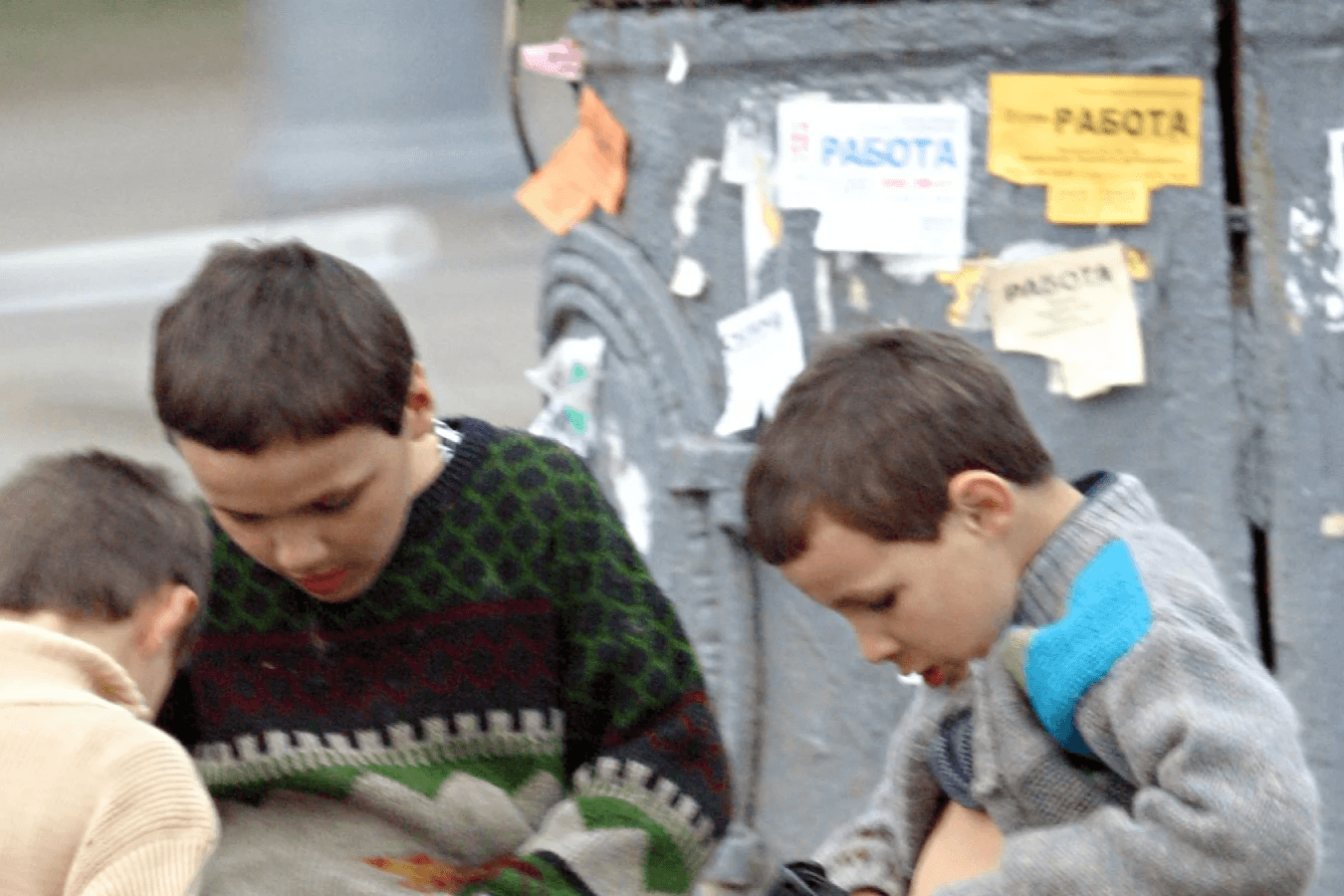
Daghestan has ranked fifth among Russia’s regions as having one of the highest figures for neglected and homeless children.
The data was published by Russia’s Unified Interdepartmental Information and Statistical System, the media outlet Kommersant wrote yesterday.
According to the figures, a total of 2,411 neglected and homeless children were identified in the republic in 2025, compared to 2,012 in 2024. Accordingly, the number increased by 399 over the year.
The statistics portal aggregates data from state agencies and is used to analyse socio-economic indicators in Russia. Overall, in 2025, Russia’s Interior Ministry identified 57,400 neglected and homeless children, at a 2.1% increase compared to the previous year. This marks the first increase in the indicator over the past five years. Previously, the figures had been steadily declining: 60,700 minors were recorded in 2021, 60,000 in 2022, 56,900 in 2023, and 56,200 in 2024.
Under federal legislation, neglected children are defined as those temporarily left without supervision by their parents or legal guardians. Homeless children are minors who do not have a fixed place of residence or stay.
Russia’s Interior Ministry confirmed that a downward trend had been observed in previous years but did not specify the reasons for the increase in 2025. In response to journalists’ inquiries, the ministry stated that a significant proportion of minors were found in places where their health, as well as their ‘spiritual and moral development’, could have been harmed. Some of the children were also discovered by police at night without parental supervision.
By federal district, the highest numbers of neglected and homeless minors were recorded in the Siberian, central, and north-western districts. Among individual regions, the highest figures were registered in Moscow, Saint Petersburg, Leningrad Oblast, and Tuva.
At the same time, several regions recorded a significant increase in the number of such minors. In Chelyabinsk, the figure rose from 566 to 2,900; in Tuva, from 1,690 to 3,250; and in Novosibirsk, from 895 to 1,200.
Meanwhile, three North Caucasus republics ranked at the bottom of the list, with the lowest numbers of neglected children. In Adygea, only 19 such children were identified in 2025, compared to 24 a year earlier.
The last two places in the ranking are occupied by North Ossetia and Ingushetia, with 49 neglected and homeless children identified in each republic. In North Ossetia, the number decreased threefold over the year, from 150. In Ingushetia, 45 such minors were recorded in 2024.
The director of the Arithmetic of Kindness Foundation, Naila Novozhilova, said that, in her assessment, there are virtually no homeless children in the classical sense in modern Russia. According to her, most minors included in Interior Ministry statistics fall into the category of neglected children.
‘As a practitioner, I see that there is no vagrancy among children,’ she said.
Novozhilova also pointed to existing problems in the system for preventing social orphanhood. According to her, these include insufficient coordination between various agencies, including social services and guardianship authorities. She added that many difficulties are linked to so-called crisis families, where parents are dependent on alcohol or drugs.
Official data does not provide a detailed breakdown of the reasons why children were left without supervision, nor do they specify what factors may have influenced the change in statistics in 2025.