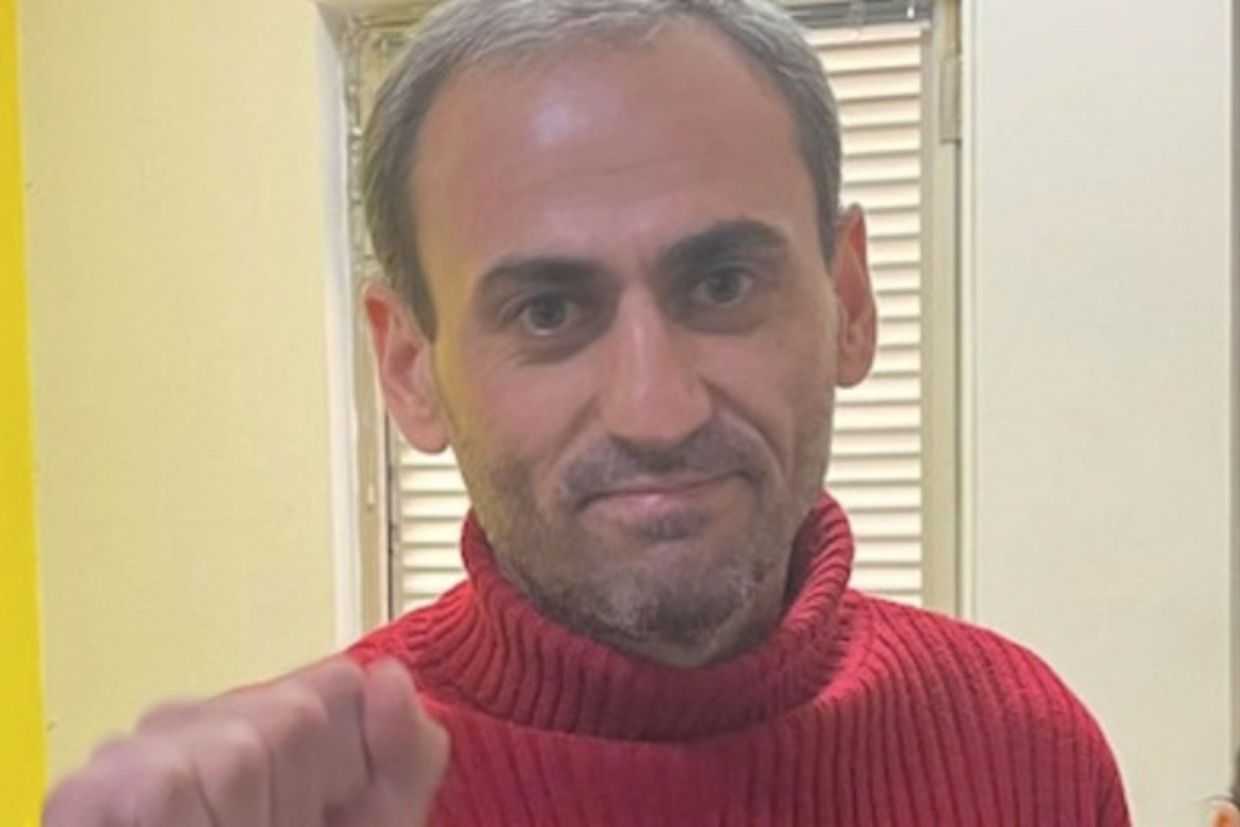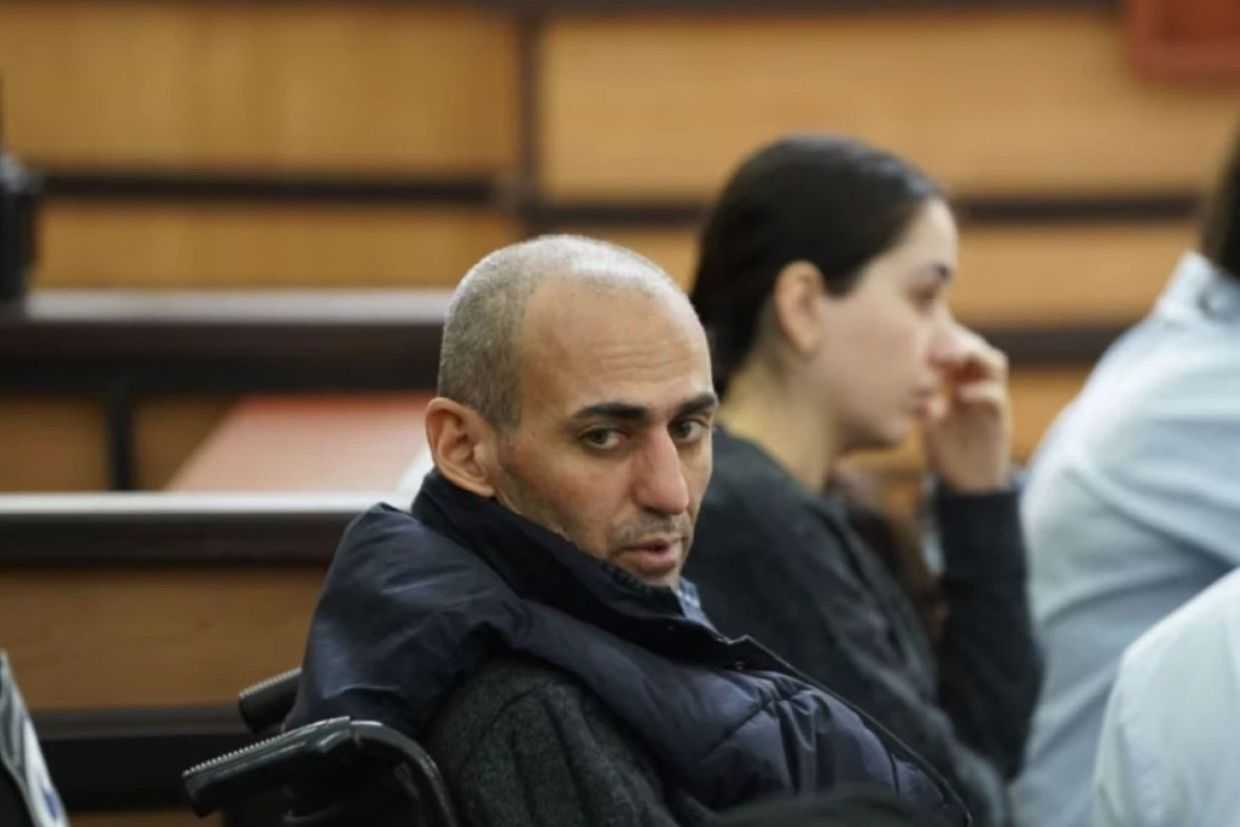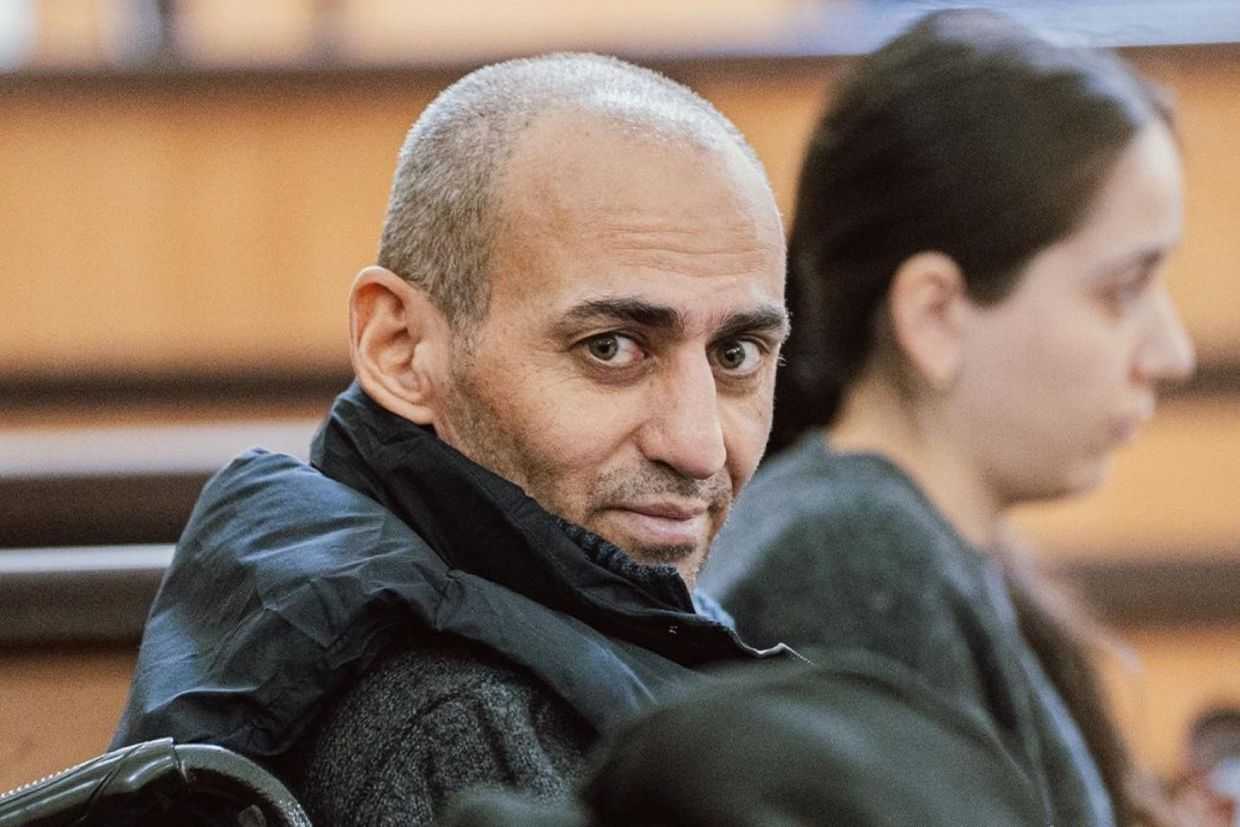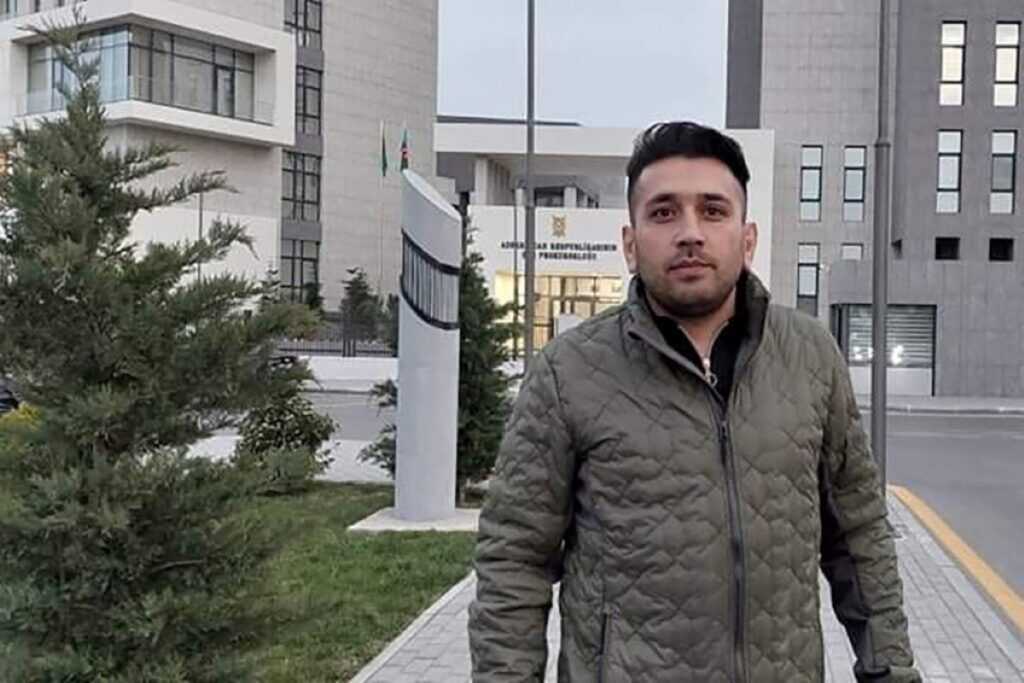
A court in Georgia has ordered the deportation of Azerbaijani journalist Afgan Sadigov in a late night hearing that lasted mere hours, following his surprise arrest several hours earlier for ‘insulting police’ online. The ruling came despite Sadigov being under an international protection order blocking his extradition to Azerbaijan over human rights concerns.
The court ruling came just a day before a scheduled visit to Georgia by Azerbaijani President Ilham Aliyev, according to RFE/RL.
Azerbaijan has sought Sadigov’s extradition from Georgia for nearly two years, reportedly accusing him of fraud or extortion. In 2025, the European Court of Human Rights enacted interim measures barring his extradition until they could hear his case. As a result, Sadigov was released from pre-extradition detention in Tbilisi, but, according to his lawyers, on bail with a travel ban.
Sadigov was reportedly arrested at around 22:20 on Saturday. CCTV footage shared by his wife, Sevinj Sadigova, shows what appears to be a number of plainclothes police officers, alongside emergency service personnel, approaching the apartment door, knocking on it, and speaking to neighbours to gain access.
‘After opening the door, Afgan was violently taken away without [the police] showing any valid reason’, Sadigova noted, claiming that authorities deleted the CCTV footage of his actual arrest.
Over an hour later, the Interior Ministry confirmed Sadigov’s detention for ‘insulting a police officer on social media’. The ministry added that Sadigov was taken ‘to ensure his presentation before the court and the timely consideration of the case’.
A court hearing was scheduled that same night. At around 04:00 in the morning, Judge Tornike Kochkiani ordered Sadigov’s deportation to Azerbaijan and banned him from entering Georgia for three years. The ruling came despite the defence’s request for more time to submit documents giving him a chance to leave voluntarily for an EU country where his family has political asylum.
‘We were ready to submit the necessary documents promptly to both the court and the Migration Department’, Tamta Mikeladze, director of the Social Justice Centre (SJC), which is representing Sadigov, said. She also added that the journalist had previously wanted to leave Georgia and reunite with his family abroad, but had been unable to do so due to travel restrictions imposed on him by the Georgian courts.
‘I have not seen such a breach of the rule of law and the [European] Convention [on Human Rights] in any case in recent years. This is a catastrophe’, Mikeladze said.
According to her, the case file also included a letter from the State Security Service (SSG) stating that Sadigov poses a threat to state security.
The defense said they suspected that the authorities would carry out the deportation order the same morning. In a statement on Sunday morning, the ministry said Sadigov ‘was deported to his country of origin’. His current whereabouts remain unknown.
The Facebook post that led to Sadigov’s deportation was reportedly published on 1 April and stated: ‘Wherever there is a dictatorship, police officers are ready to sell and trample everything for a salary and a police uniform, and they do it with love, dedication, and pride’.
Insulting an official, including a police officer, was singled out as a separate administrative offence by the ruling Georgian Dream party’s legislative amendments in 2025, which also allowed for the deportation of foreigners for said offences.
 OC Media
‘Everything was premeditated’
In her comments shortly after the ruling, Mikeladze from the SJC accused the authorities in Georgia and Azerbaijan of colluding in order to bypass the ECHR’s protection order.
‘Everything was premeditated and orchestrated by two authoritarian regimes’, she wrote.
According to the SJC, Azerbaijan ended its own criminal proceedings against Sadigov on 1 April, and notified Georgia; the next day, Sadigov himself was informed. On 3 April, his bail and restrictions on his movement were lifted, yet the following day, he was arrested and received the order for deportation.
In a Sunday statement, Georgia’s Interior Ministry cited the decision by Azerbaijan to halt Sadigov’s prosecution, noting that ‘criminal proceedings in the case subject to the ECHR’s interim measure have been terminated’.
‘Accordingly, all extradition proceedings have also been halted in Georgia’, it added.
According to SJC lawyer Mariam Kvelashvili, who attended Sadigov’s hearing, the ministry cited this during the hearing as well, ‘arguing that with criminal proceedings ended in Azerbaijan, Georgia had the right to deport him’.
Kvelashvili emphasised that this interpretation was incorrect, noting that the ECHR ruling banned Georgia from extraditing Sadigov until the consideration of his case was completed in the ECHR itself.
‘Accordingly, the Georgian authorities directly violated the [European Convention on Human Rights]’, she added.
She said the interior ministry presented ‘ridiculous evidence’ and, when discussing human rights in Azerbaijan, relied on ‘Bulgaria’s assessment’ that conditions there were ‘good’.
‘You can imagine the standards we are dealing with, while Amnesty International, Human Rights Watch (HRW), and other reputable international organisations report that human rights in Azerbaijan are dire, including threats against lawyers defending those charged for political reasons’, Kvelashvili added.
While criminal proceedings against Sadigov have been halted in Azerbaijan, his lawyers said they were confident that ‘a new case has already been prepared for him, and new charges will be brought once he crosses the border’.
Kvelashvili also pointed to changes in the law in 2025 under which appealing a deportation decision does not guarantee the deportee a set period to leave the country voluntarily.
‘I strongly suspect that these changes were made because of this case’, Kvelashvili said, highlighting the scale of state resources that may have been mobilised to detain Sadigov. ‘Top political officials are overseeing the political handling and assessment of this case’, she added.
‘We hope the ECHR will assist us. We hope so, though it is very difficult to predict the situation in Azerbaijan. Still, we will do our utmost to ensure that Afgan’s interests are protected there as well’, she concluded.
In addition to his criticism of the Azerbaijani authorities, Sadigov was known for his sharp condemnation of the Georgian government, and Russian President Vladimir Putin.
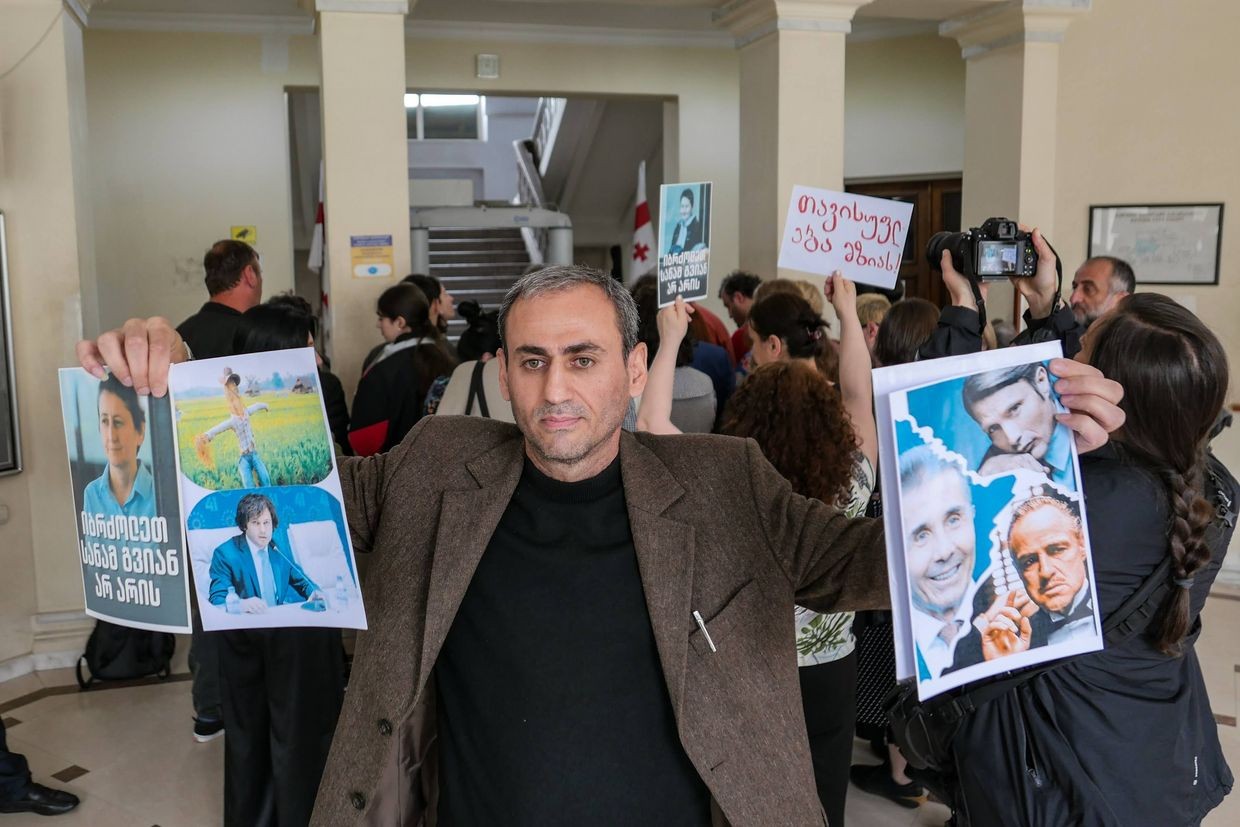
He frequently attended anti-government protests in Tbilisi in front of parliament, and occasionally burned posters depicting ruling Georgian Dream officials and Putin. During these protests, he has faced repeated problems with the police, facing days-long detentions and fines.
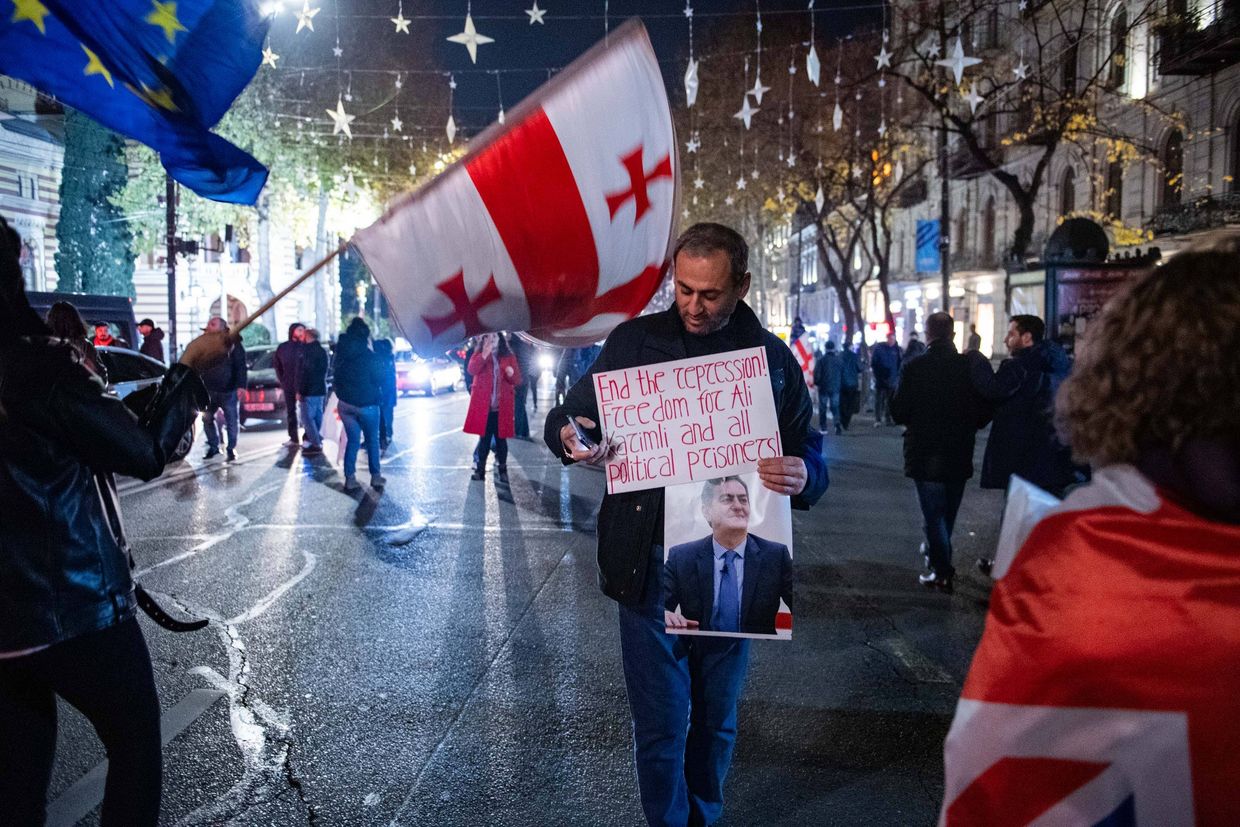
‘The court took into account the position of the Interior Ministry and considered that the individual had been recorded 62 times for various administrative offenses’, the ministry said in a statement on Sunday.
From Azerbaijan to Georgia — Sadigov’s case
Sadigov, who runs the YouTube channel Azel.TV, has twice faced prison in Azerbaijan, alongside a number of administrative arrests, and has previously been recognised by international organisations as a political prisoner.
He arrived in Georgia with his family in December 2023 with plans to leave for a third country. In July 2024, he said he was prevented from departing Tbilisi International Airport and told he could only travel to Azerbaijan. According to his lawyers, it was later revealed this was due to the suspension of his Azerbaijani passport.
Soon after, in August 2024, Sadigov was detained by Georgian authorities pending an extradition trial at Baku’s request. After the Georgian courts greenlighted the action, the process was halted by the ECHR in its January and February 2025 decisions. Sadigov was released from pre-extradition detention in April that year.
While in detention, Sadigov carried out a 161-day hunger strike.