Georgia’s national energy regulator has announced plans to increase electricity tariffs by 19%–33%, depending on household consumption, starting from 1 April.
The Energy and Water Supply Regulatory Commission, which sets tariffs, announced that prices for residential consumers in Tbilisi and other regions would rise by 5 tetri per kWh, while the commercial sector will face an increase of 4–6 tetri per kWh.
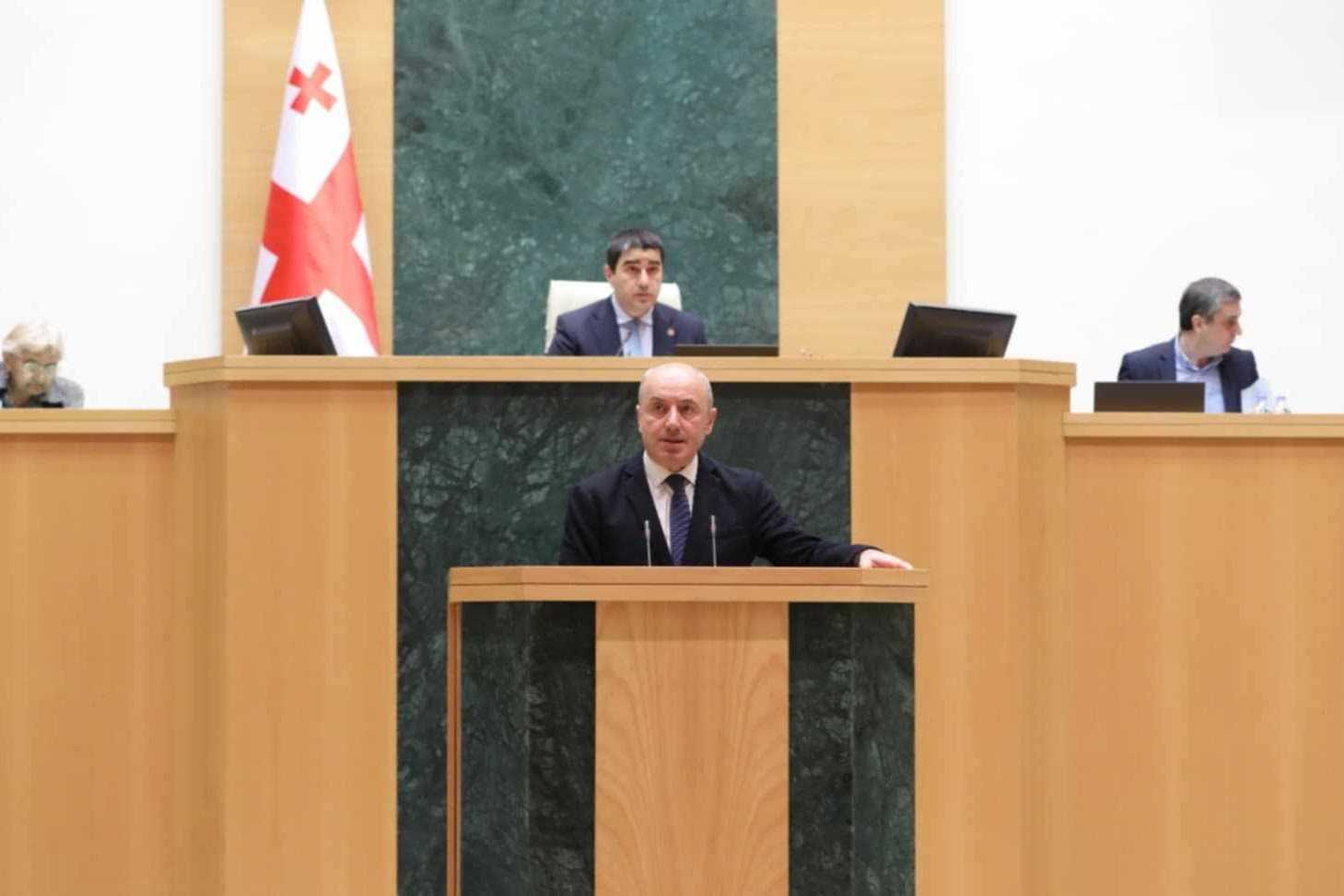
The head of the regulator, Davit Narmania, said the move was a response to growing consumption, rising wholesale electricity prices, and ‘dependence on imports during the winter months’.
The move is expected to drive prices higher across the country. Georgia’s year-on-year inflation rate stood at 4.6% in February.
Economist and former National Bank governor Roman Gotsiridze said the increase was unavoidable for some time due to higher demand and rising prices in other sectors, adding that the energy sector had to follow suit.
‘In return, higher electricity tariffs will also drive up the prices of other goods’, Gotsiridze said.
‘The government is responsible for prices. Here too, it is not the fault of greedy supermarket owners. When the cost of laying tiles — a service not sold in supermarkets — rises just like food prices, which are sold in supermarkets, it means the issue lies elsewhere.’
The move could hamper the government’s efforts to tackle the rising cost of living.
In early February, four major egg producers announced a 5% price reduction after the prime minister threatened to investigate ‘cartel-like’ practices in the food sector.
The electricity price hike came despite the National Energy and Water Supply Regulatory Commission announcing in December 2025 that the country’s electricity generation had increased by 19.1% year-on-year, reaching 1,171 GWh. Total annual consumption increased by 3.5% year-on-year.
Despite the rise, however, total electricity generation in 2025 declined by 2.8% compared to 2024, amounting to 13,838 GWh.
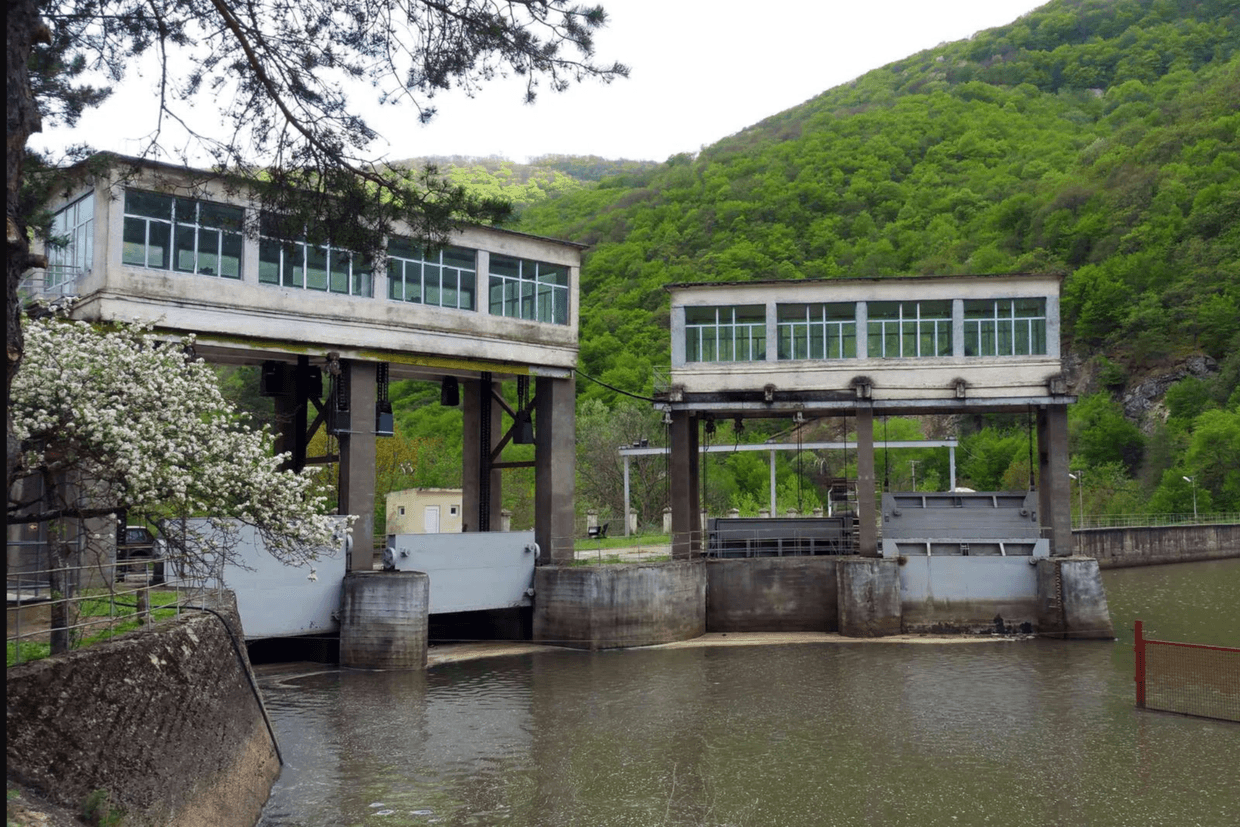
The Georgian government has scrapped several major hydropower projects, such as Namakhvani hydropower project, whose construction was scrapped and suspended, leading to a legal battle between the Georgian government and the contracting company behind the dam, ENKA.
 Helena Bedwell