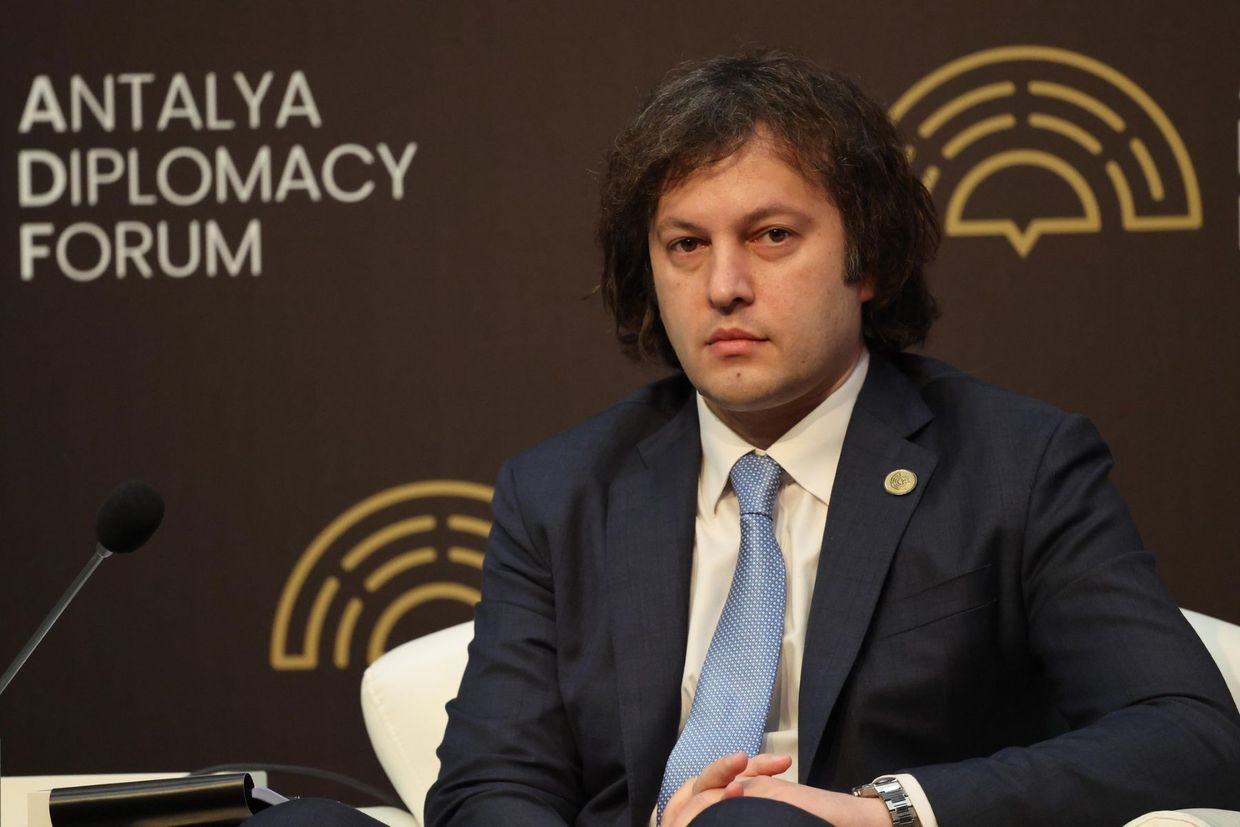
Georgian Prime Minister Irakli Kobakhidze has demanded an apology from the UK government over the BBC documentary on the 2024 Tbilisi protest crackdowns. In response, the British Embassy in Georgia emphasised the channel’s independence from the government.
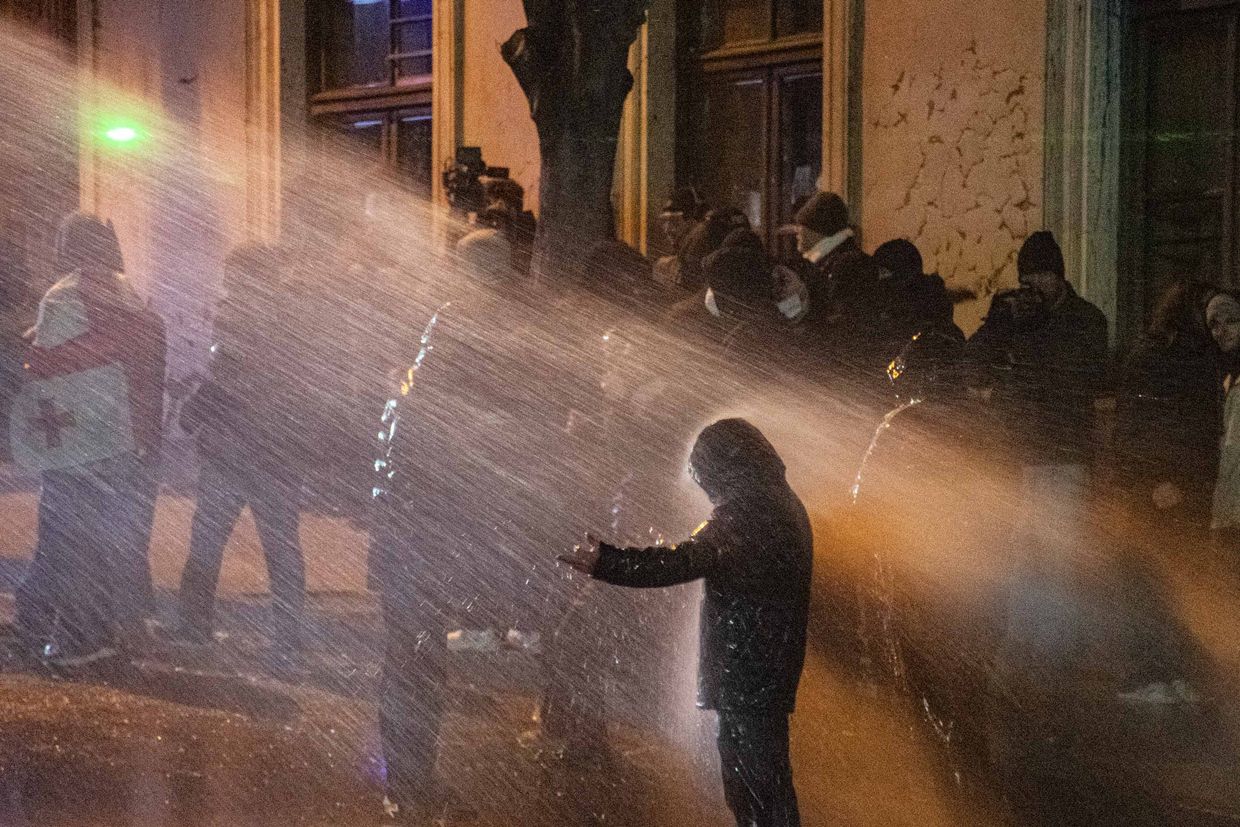
The Georgian authorities have repeatedly condemned the BBC after it had released a documentary suggesting that Georgian police used the WWI-era chemical ‘camite’ against anti-government protesters. Georgian Dream accused the channel of spreading falsehoods, while Georgia’s State Security Service of Georgia (SSG) said the preliminary results of its investigation found no evidence of the state acquiring ‘camite’ at any stage.
Continuing his criticism of the BBC, Kobakhidze said on Tuesday that, in his view, the UK should apologise for the material, as the BBC is a public broadcaster ‘directly funded by public channels’. He also reiterated the ruling party’s earlier decision to file a complaint against the BBC with the UK Office of Communications (OFCOM) and, ‘if necessary’,pursue legal action in the courts.
In response to Kobakhidze’s remarks, RFE/RL’s Georgian service contacted the British Embassy, which said that the BBC is independent from the UK government in both its operations and editorial policy. According to the embassy, the matter is for the channel itself to decide, apparently referring to whether or not the BBC plans to apologise for its documentary.
‘A country stripped of dignity and sovereignty’
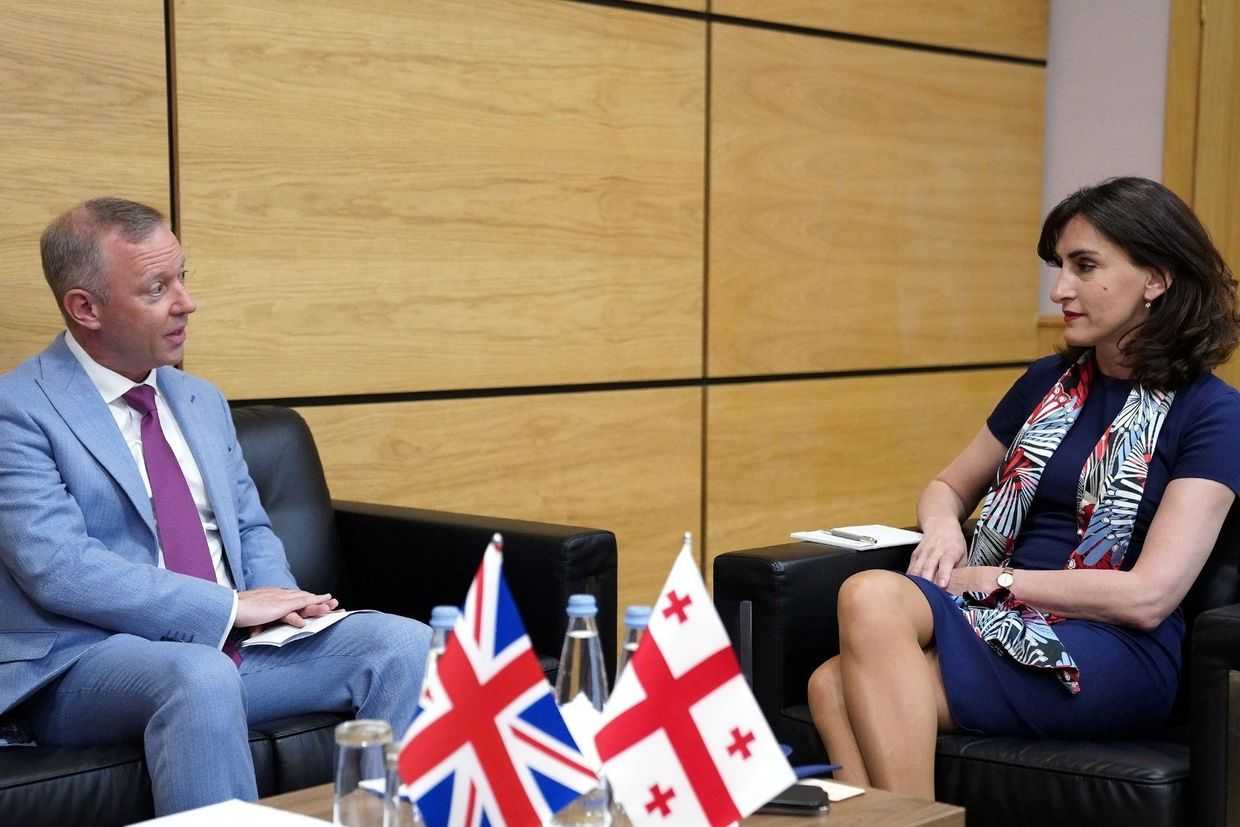
Kobakhidze also targeted the UK government following statements by the country’s ambassador to Georgia, Gareth Ward, made during a meeting with students at the Caucasus University in Tbilisi.
According to the embassy, Ward spoke about NATO, threats from Russia, and the UK’s role in the Georgian economy. The ambassador also noted that ‘the UK political relationship with Georgia remains damaged because of anti-democratic pressure on the opposition and civil society. We hope the Georgian government will return to the Euro-Atlantic path’.
Ward faced sharp criticism from the ruling party and its allies over the remark, with Kobakhidze describing the ambassador’s comments as those of ‘an ambassador of a country stripped of dignity and sovereignty’.
‘In this context, I am reminded of the words of [the former short-lived Prime Minister] Liz Truss, who spoke directly about the “deep state” having gained significant influence over the UK government’, he added, citing claims made by Truss.
Georgia’s relations with the UK, as well as with other traditional partner states, have worsened amid democratic backsliding in the country, including the passage of restrictive laws and police violence against anti-government protesters.
In October 2024, the UK suspended ‘strategic dialogue’ and defence talks with Georgia, and later imposed sanctions on law enforcement officials, influential judges, and others.
 OC Media