Opinion | Reflecting on the complex legacy of Patriarch Ilia II
The long-serving head of the Georgian Orthodox Church has left behind an ‘epochal, unique, and contradictory’ legacy.

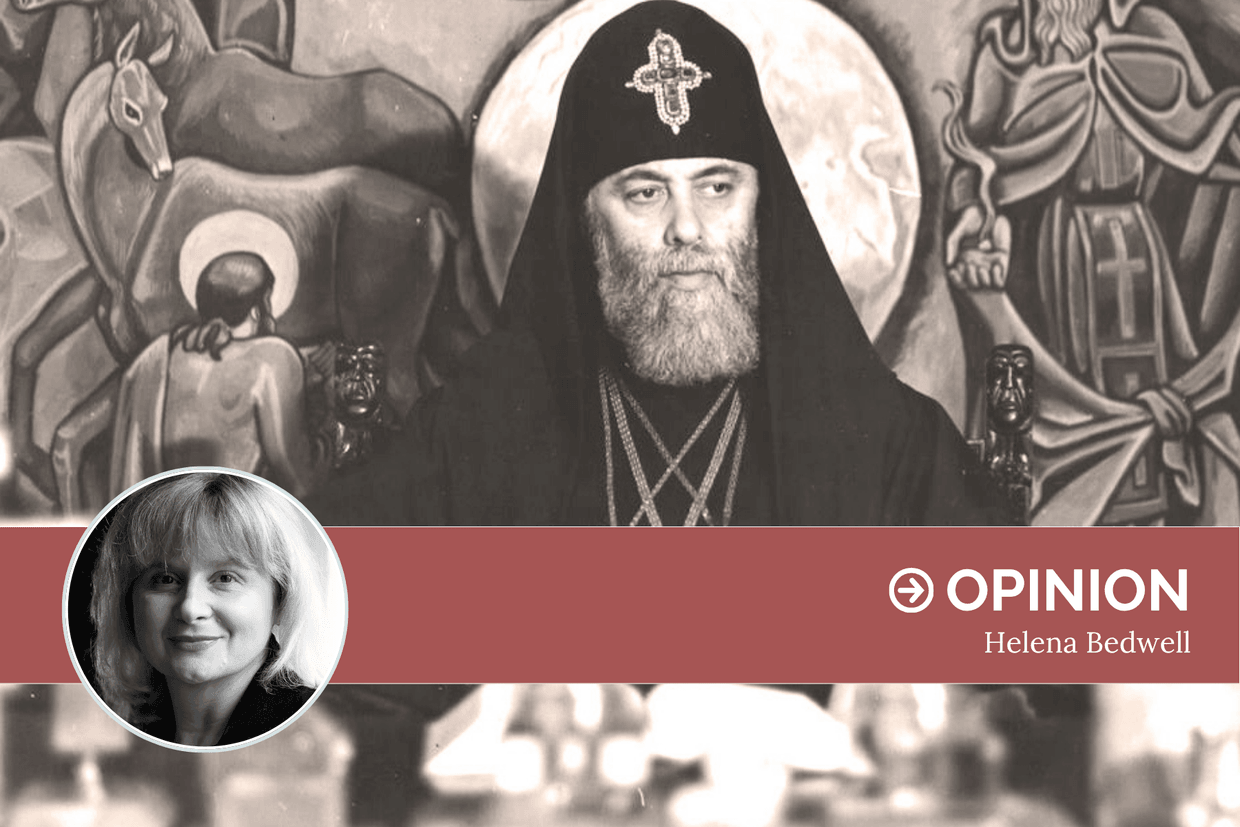
On the cool, spring night of 9 April 1989, tens of thousands of Georgians, the majority young people, gathered once again outside the House of Government of the Georgian SSR — now the parliament building in Tbilisi — demanding independence. They had been demonstrating there for days, spending the night with blankets and pillows — but the rising tensions were finally coming to a breaking point.
It was this night that the white-bearded Patriarch of the Georgian Orthodox Church, Ilia II, arrived on the scene, warmly greeted by protest leaders. He was handed a microphone to address the crowds, urging them to leave the area due to imminent danger. The footage, filmed on a handheld camera in the darkness of night, is shaky and the audio faint, yet the conversations are clear enough: Ilia II is inviting protesters to cross the street to Kashveti Church instead of dying at the hands of the Soviet Russian army.
‘If we leave, we will be called traitors’, Zviad Gamsakhurdia, one of the prominent leaders of the resistance and later Georgia’s first democratically elected president, says.
‘It is possible they will shoot’, Ilia II says.
‘Let them’, another protest leader, Merab Kostava, says. He would die later that same year in a suspicious car crash. ‘There is this magnificent moment, you know’.
‘Will you stay with us, Father?’, a third, unknown voice, asks.
Ilia II remains silent.
These are among my earliest memories — or rather, among the earliest political memories carried into my teenage years, when I woke up the next morning and my parents told me what had happened early that morning: poisonous gas, small military shovels used to crush not only bodies but spirits, 21 people killed, thousands wounded and poisoned.
Despite growing up in the secular Soviet Union — and in a family divided by very different traditions, where people on my mother’s side admired the Soviet Union and were rewarded for their work and bravery, while others in the family had suffered persecution — I was christened as a child. While I never closely adhered to any religious faith, Christianity has remained a large cultural touchstone in Georgia, a country proud to be one of the oldest Christian nations.
Even under Soviet rule, churches remained open, blessings continued, and priests — though limited in number — retained certain positions. When the Soviet Union collapsed after 70 years in power, people visibly returned to churches. Religion became closely intertwined with politics and the country’s future. That connection remains today: few political leaders, old or new, victorious or defeated, make decisions without consulting the Church, and vice versa.
Film critic Gogi Gvakharia told me recently that after the collapse of the Soviet Union, the Church remained the only social institution where people could simply meet and talk — and naturally, it became popular to return to the faith.
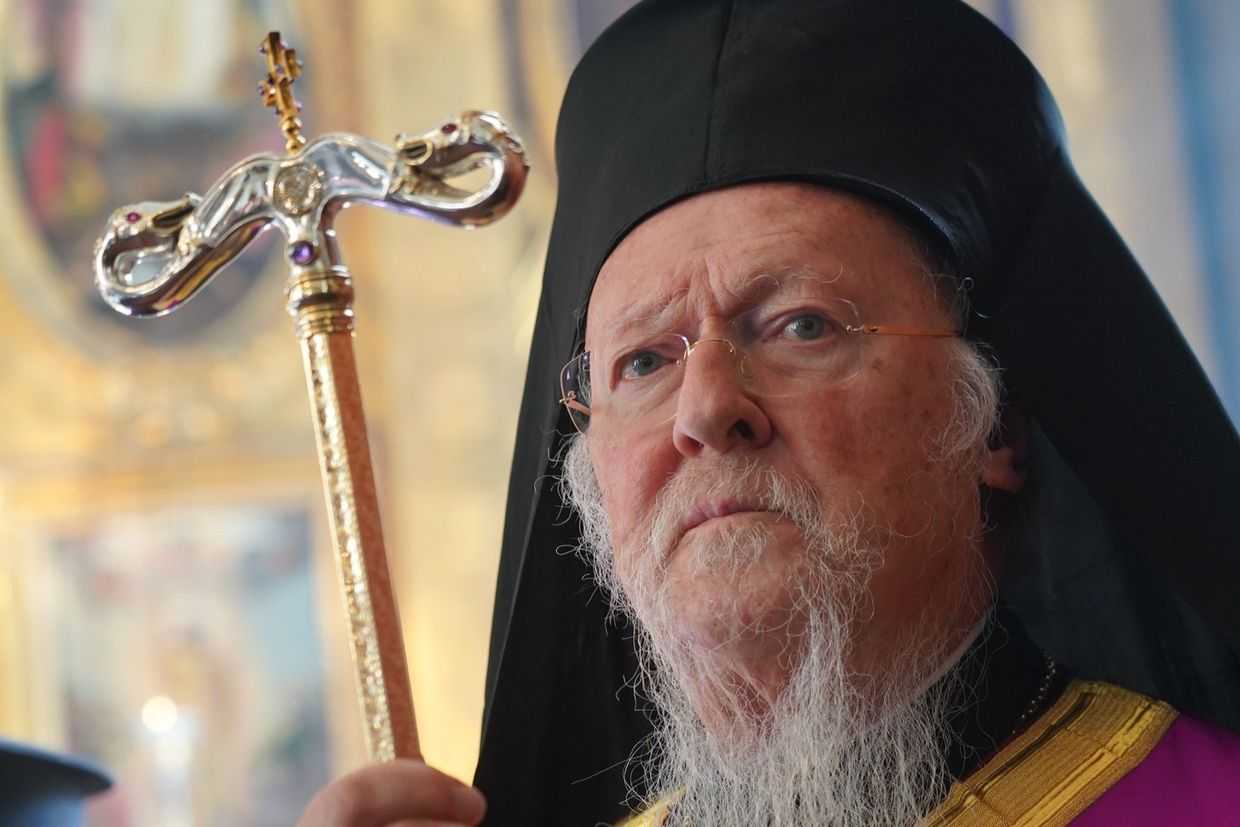
Ilia II, born as Irakli Gudushauri-Shiolashvili in Vladikavkaz, in North Ossetia, (then known as Ordzhonikidze) in 1933, was the one constant in Georgia for almost 50 years. Inaugurated on 25 December 1977, he led the Church almost single-handedly until 2017, when Father Shio Mujiri was appointed locum tenens. During his tenure, Georgia saw eight leaders, six popes changed in Vatican City, and six UN heads came and went.
 OC Media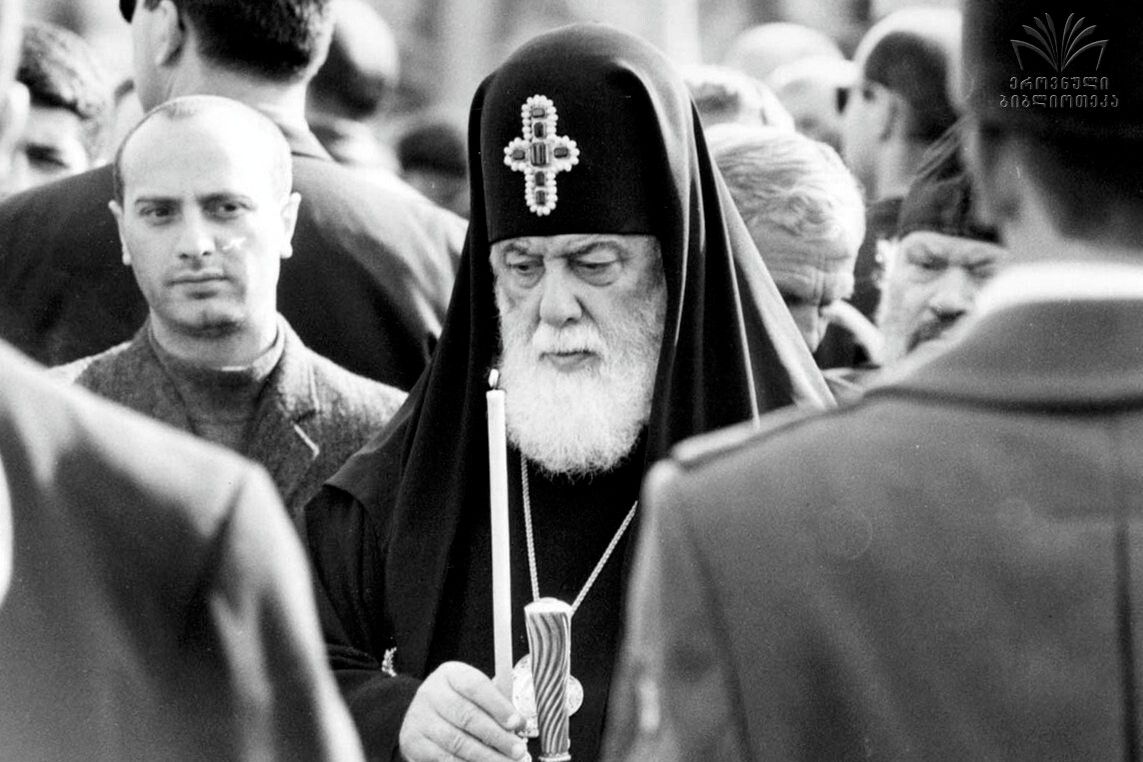
One of his most famous acts was calling for more births and personally christening every third child and beyond through mass baptisms — he was the godfather to more than 47,000 children in Georgia.
A peer-reviewed study published in 2025 confirmed what followed: Orthodox women’s birth rates within marriage rose by 42%, third births doubled, and the national fertility rate increased by 17%.
Eventually, the Patriarchate reportedly had to introduce a special record book for baptised children so they would not accidentally marry one another — a sin in Orthodox tradition for those sharing the same godparent.
Ilia II was certainly a wise man. However, when judging his legacy, we must also consider that although he was charming and a smooth speaker, he could perhaps have built a better society instead of one shaped by excessive ritualism — almost pagan at times, and sometimes strangely gastro-religious.
His rule always carried suspicions of closeness to Soviet intelligence. After all, it seems nearly impossible to imagine someone becoming head of the Church without state approval.
Indeed, in a 1997 interview, then–president of Georgia Eduard Shevardnadze, a former foreign minister of the Soviet Union, noted that Ilia II had been appointed Patriarch by the Kremlin with his support, claiming that the Communist Party appointed Patriarchs just as it appointed district secretaries. This naturally explains why, after the Russian-backed overthrow of Gamsakhurdia, Ilia II welcomed Shevardnadze warmly, kissed him, and presented him to the nation as its leader.
Supporters of Gamsakhurdia argue that he and his circle first initiated the public’s mass return to the Church, and that Ilia II then seized the moment. They also claim that in those years, many former criminals and Soviet officers became priests.
Like many others, I believe Ilia II led Georgia in the wrong direction in certain senses. He did little to challenge the cult of Joseph Stalin within parts of the Church. I also did not witness enough compassion toward the country’s animals, something very dear to my heart. And I believe Ilia II did not do enough to confront corruption, criminal behaviour, or the presence of poorly educated and irresponsible clergy.
Indeed, holy relics were often revered more than compassion for the poor and destitute, leading to divisions in society becoming more visible. In many ways, Ilia II became the Patriarch of both wealth and poverty: the poor sought refuge in the Church, while the elite enjoyed privileged closeness to it.
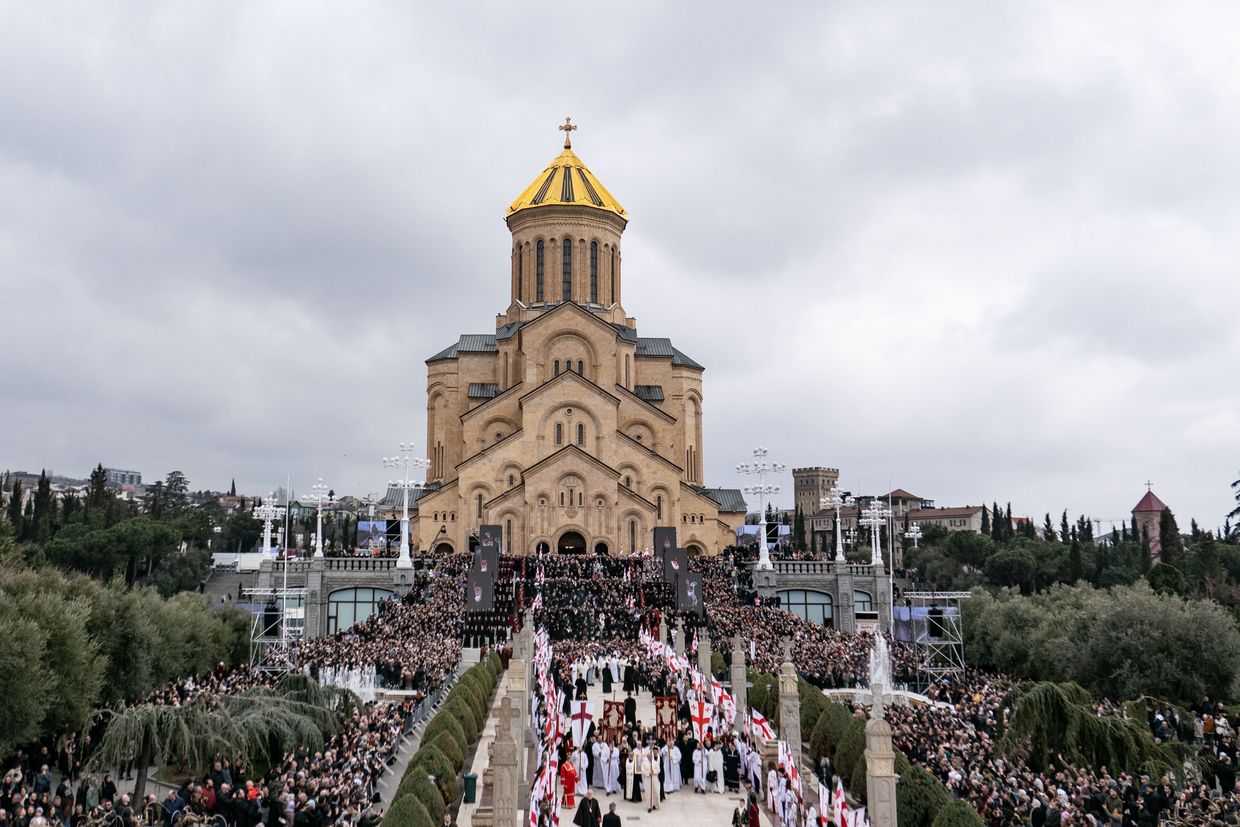
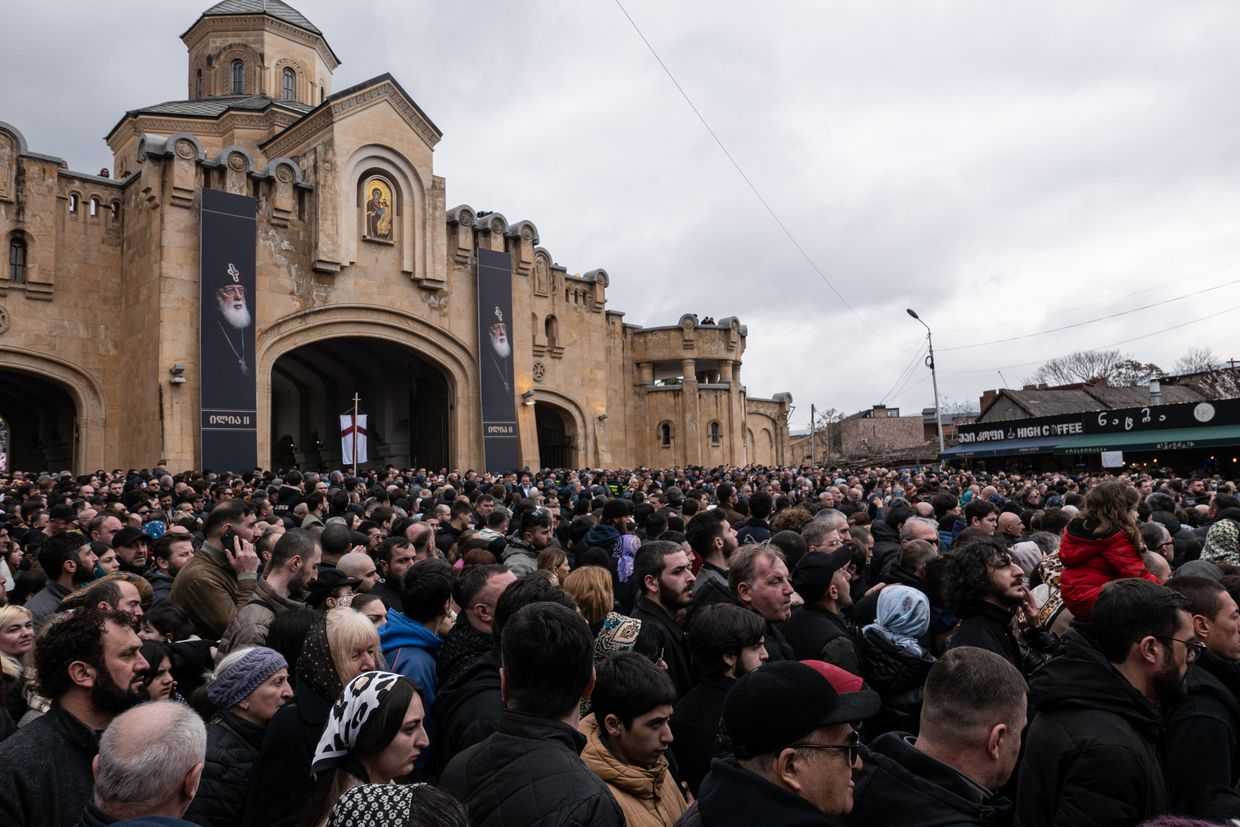
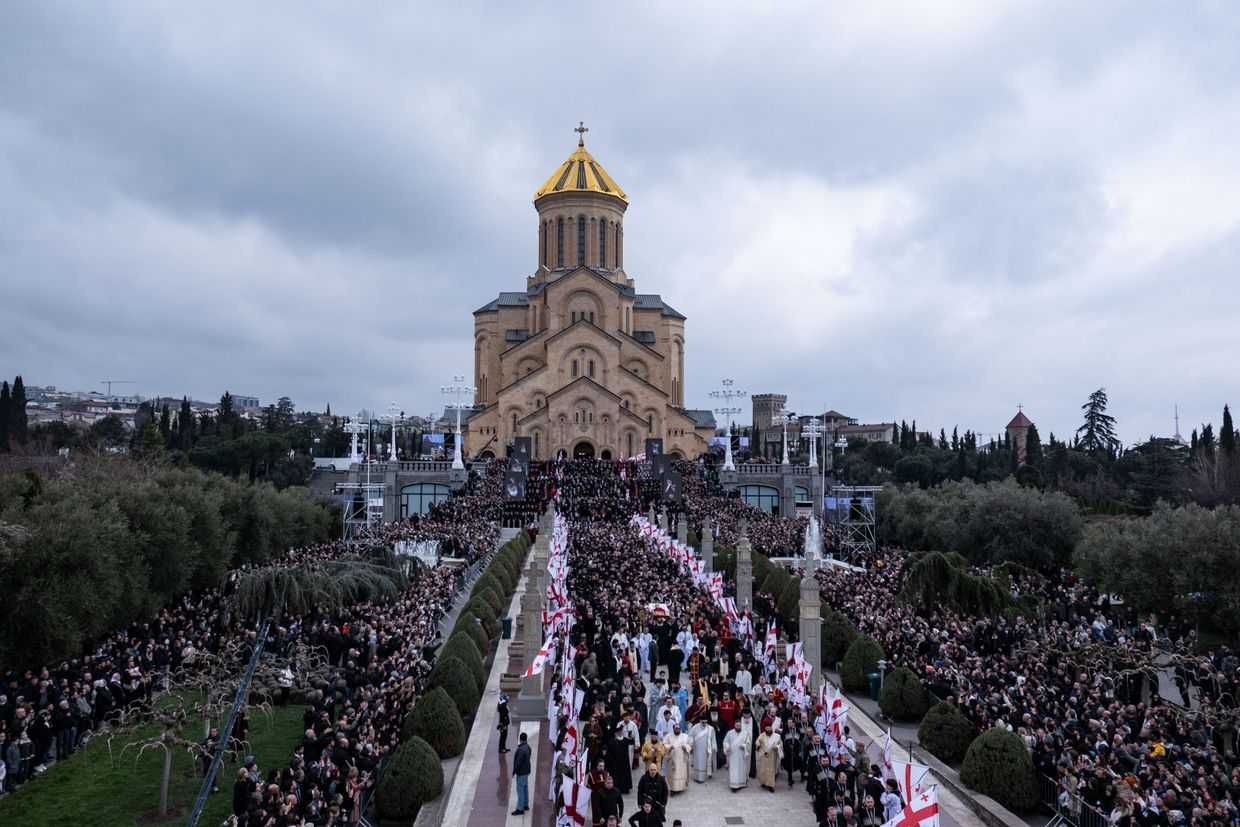
The massive queues at his funeral proved exactly that: ordinary people stood for 12 hours, while elites received special passes. Even in death, hierarchy remained intact.
Mikheil Gvadzabia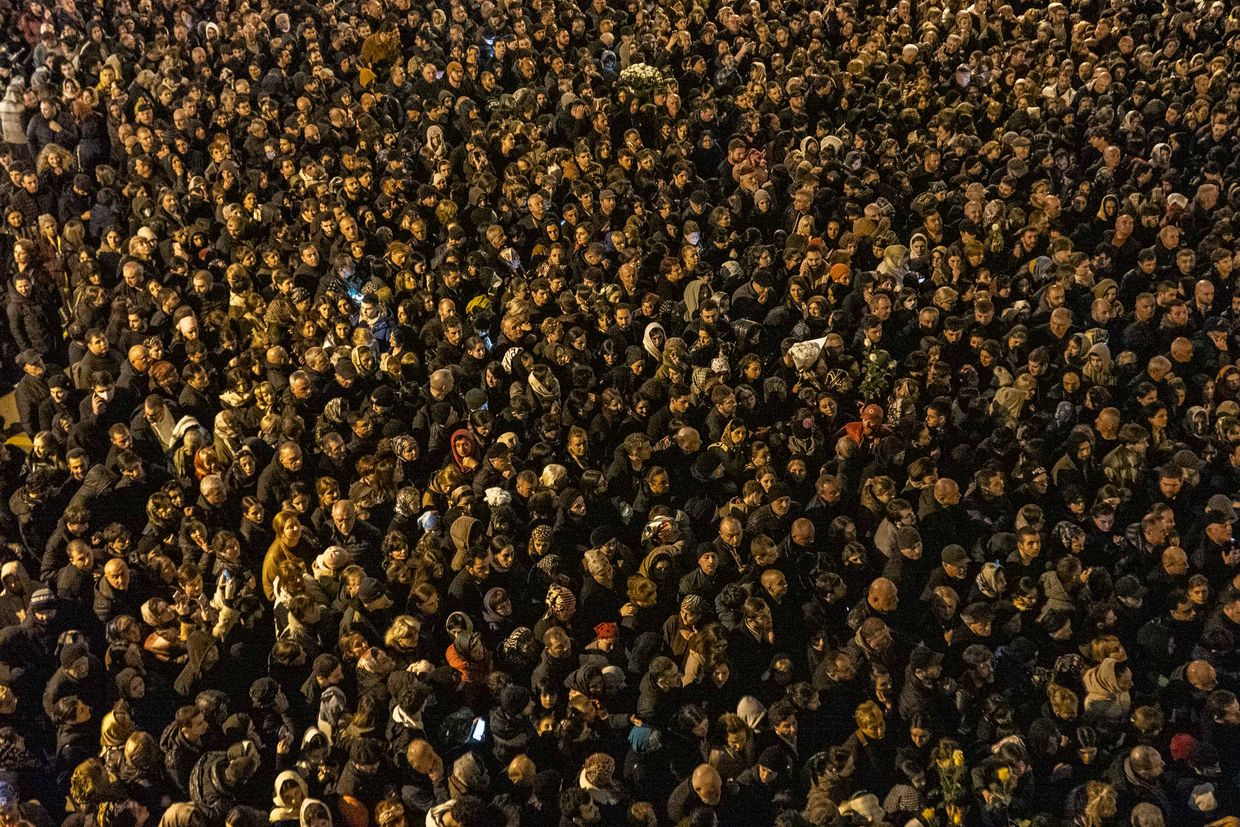
Political analyst Gia Nodia told me that three words define reactions to Ilia II’s death: epochal, unique, and contradictory. All three are accurate.
In 1977, Ilia II inherited a marginal institution; under him, it became the country’s dominant moral symbol. For most Georgians, the Church grew to become first a national institution, and only after that a religious one.
However, experts argue that its authority began declining after billionaire and ruling Georgian Dream party founder Bidzina Ivanishvili came to power. Criticism was no longer taboo. Internal scandals surfaced. The Church became too closely associated with the government, and once it lost the image of an independent moral force, its authority weakened.
Ilia II undoubtedly left enormous shoes to fill.
But today’s Georgia is not united. It is fatigued, betrayed by politicians, dependent on remittances from abroad, shaped by emigration, and burdened as a nation that once celebrated fallen heroes but now often struggles to define how to fight its present enemies.