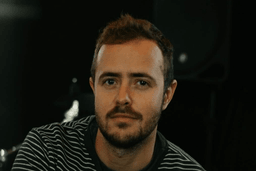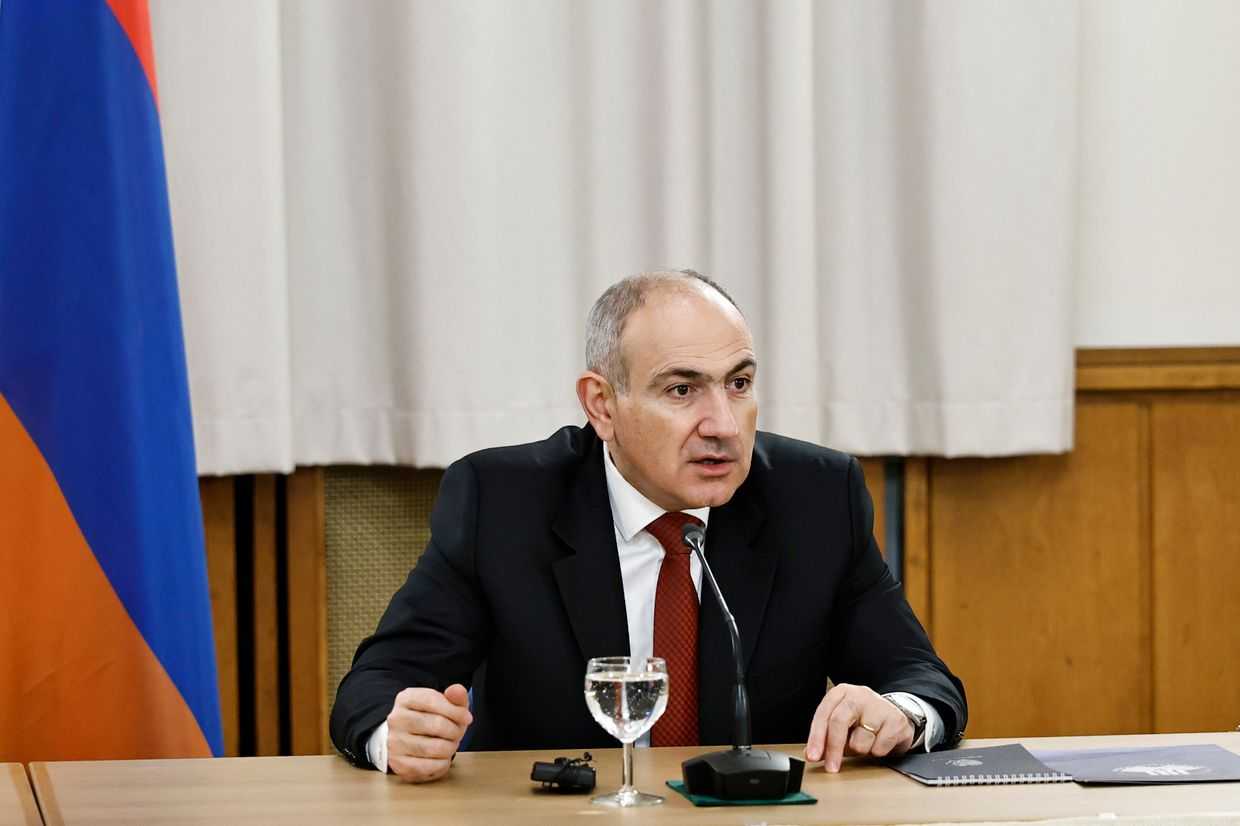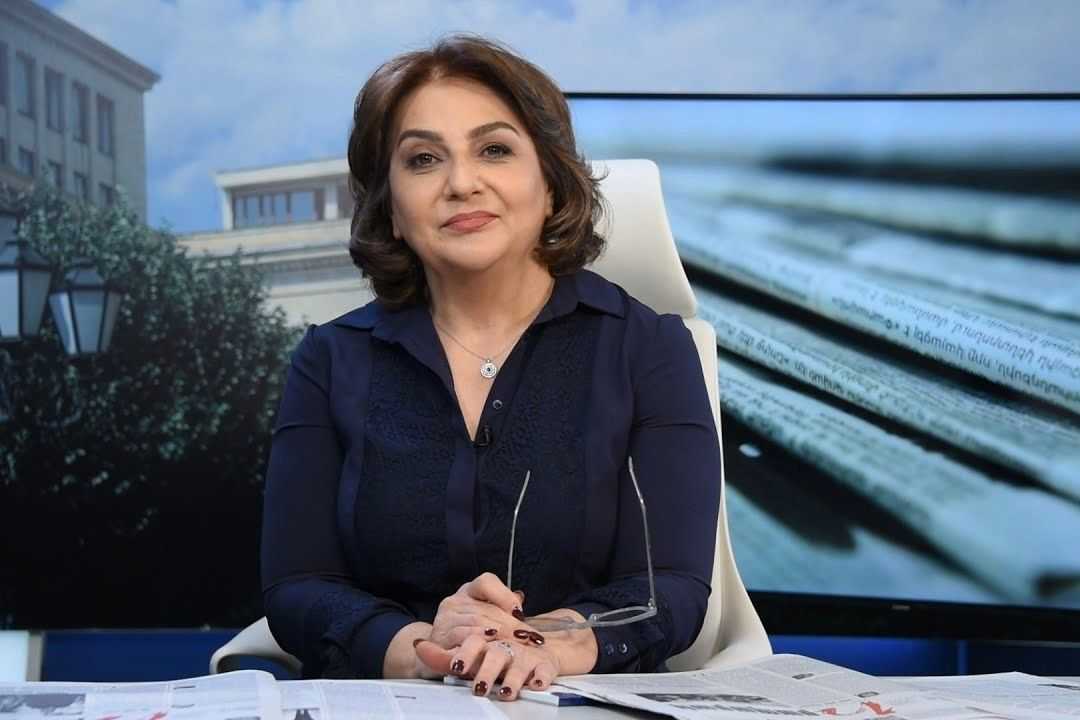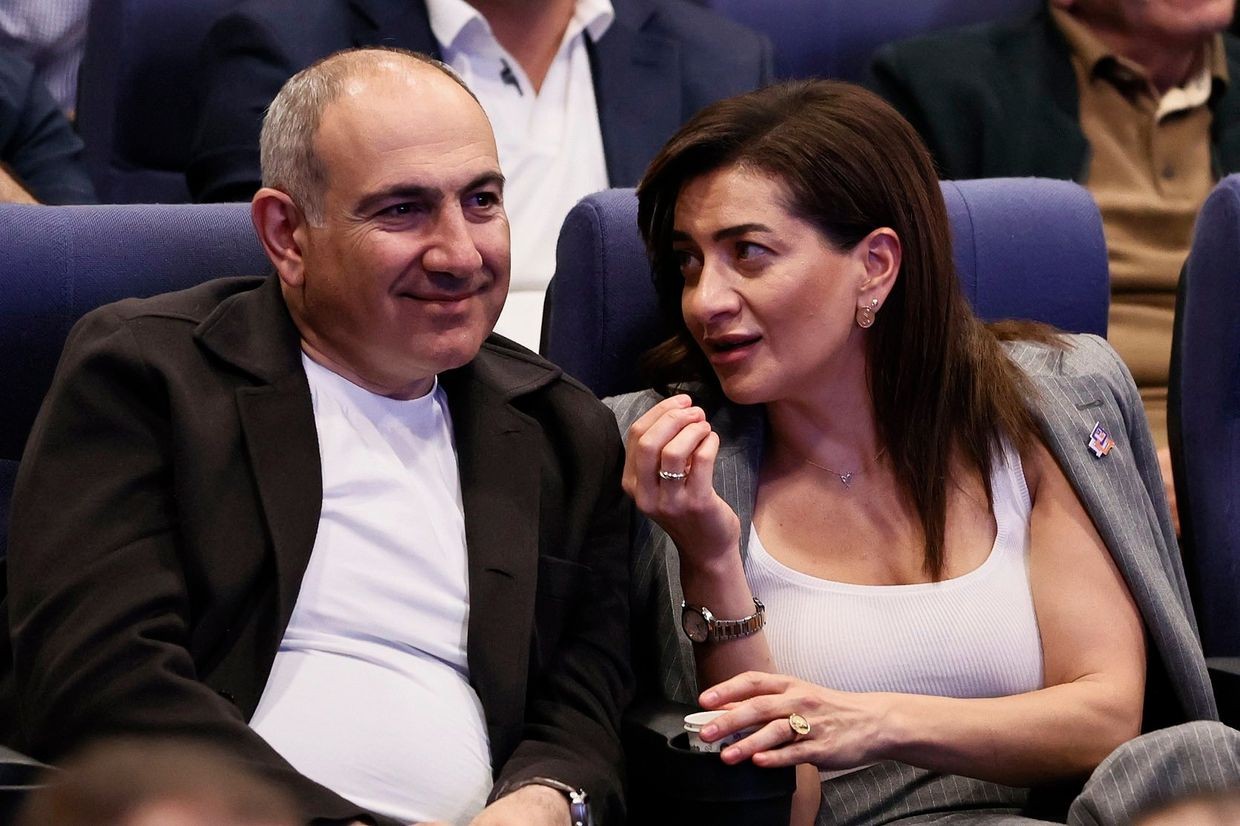
Armenian Prime Minister Nikol Pashinyan and his common-law wife Anna Hakobyan are separating after nearly 30 years together. Hakobyan announced the end of the relationship on social media on Friday morning. The surprising nature of their split has been accompanied by speculation that Hakobyan could be facing criminal charges.
‘I inform all my friends, acquaintances — known and unknown — relatives near and far, and even my closest loved ones, that this topic is not open for discussion with me’, Hakobyan said in a video filmed on Wednesday that she shared on Facebook. She did not give a reason for her decision, but added that she would be moving out of the prime minister’s official residence as well.
‘Dear people, please don’t waste too much time going back and forth on this issue. It will become an idle occupation — useless and unproductive. We have heard it, we have recorded it, and we move on’, Hakobyan said, asking for privacy in the matter.
Later, Pashinyan released a short statement of his own, saying he ‘respects Anna’s decision’.
‘For the past 30 years, in all my difficult days, she has been by my side — my support and my pillar. I am not sure whether I have been the same for her. Perhaps I have caused more bitterness, for which I apologise’.
Pashinyan and Hakobyan have four children together. Previously, Pashinyan explained that they never formalised their marriage because he was an opposition figure when they began their relationship, and was worried that he could be targeted by the government, potentially putting their shared assets at risk if they were legally married.
Hakobyan, who also serves as the editor-in-chief of the newspaper Armenian Times, has occasionally waded into controversy during her tenure in the public eye.
Amidst the ongoing feud between Pashinyan’s government and the Armenian Apostolic Church, Hakobyan referred to some clergy members as ‘paedophiles’ and used other caustic language on social media against critics of her husband. A month later, she was criticised for receiving government money to fund her education campaign, which the opposition further alleged was part of Pashinyan’s pre-election strategy.
In her video announcing the split, Hakobyan said she would continue her work as the executive director of the education-focused My Step foundation, and added that she could not rule out the possibility that she could be criminally prosecuted for alleged wrongdoing connected to the foundation.
‘It is life, perhaps such a development is possible. What can we do? We will live and see’, she said.
Days before Hakobyan’s announcement, journalists began raising questions about My Step’s provision of free English classes during the pre-election period, which could be construed as a violation of Armenia’s campaign laws.
When asked about the allegations on 24 February, the chair of Armenia’s Anti-Corruption Committee Artur Nahapetyan declined to answer, saying only that he would ‘refrain from giving a legal assessment of the election promises so as not to predetermine the legal outcome of a possible future trial’.
There was further speculation by some analysts that the split itself was a political show meant to take some heat off of Pashinyan ahead of the election, and that the two could even reconcile in the future.
 OC Media