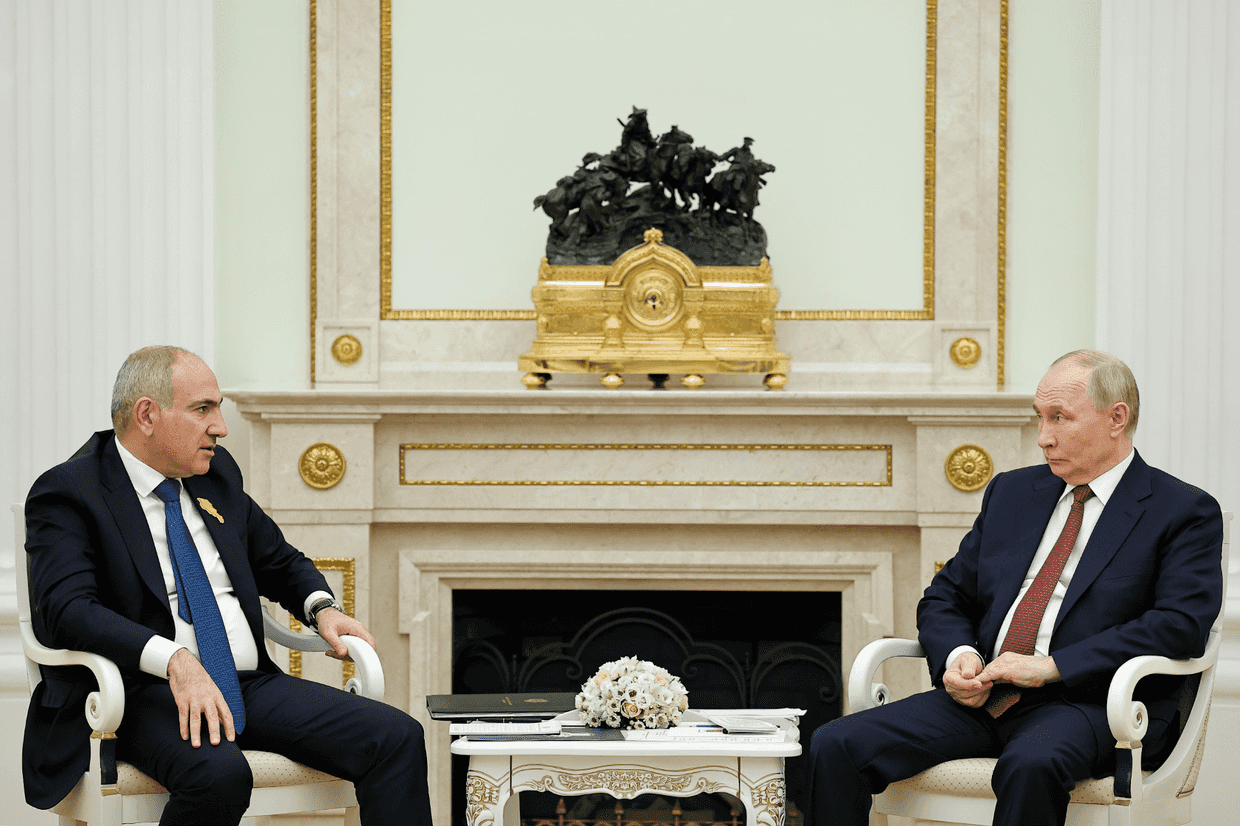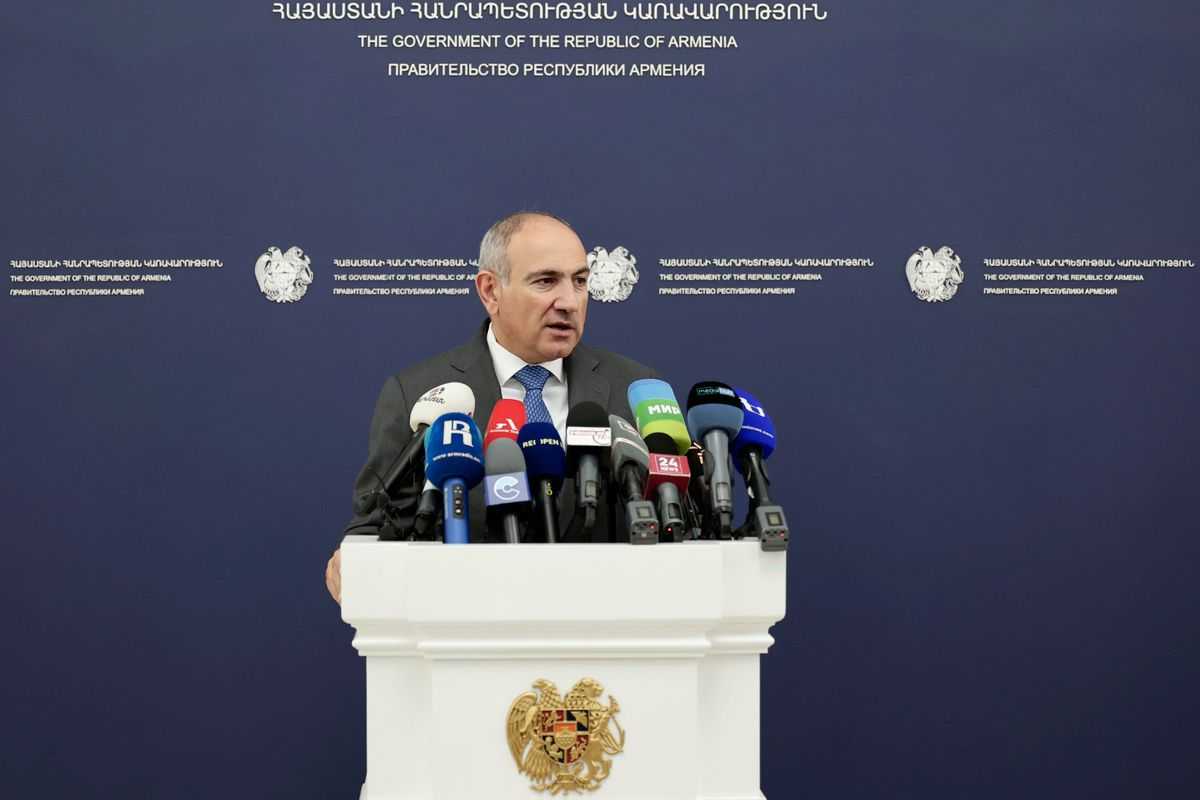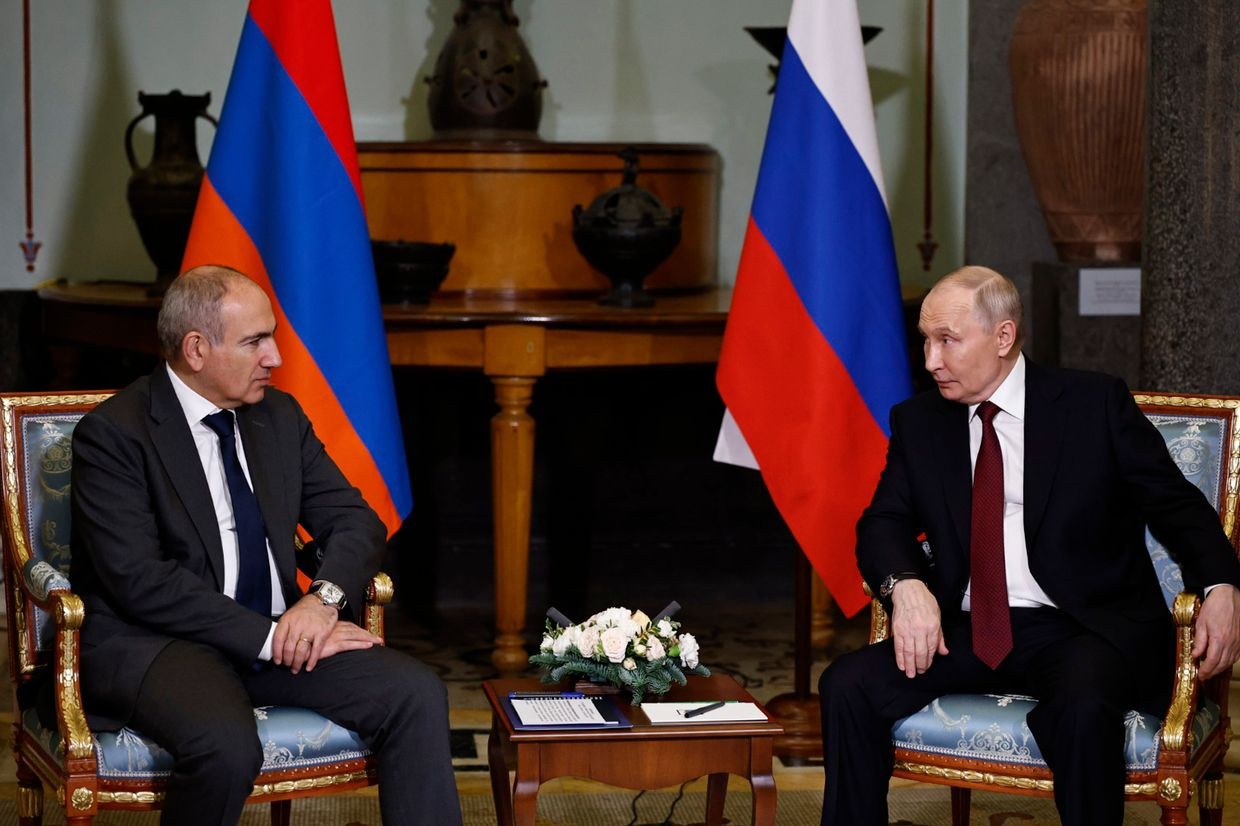
Armenian Prime Minister Nikol Pashinyan has suggested during an interview with Public TV on Tuesday that Armenia could take back control of its railways from Russia to preserve its competitive advantages and create an international route through the country.
In 2008, a 30-year concession agreement was signed stipulating the transfer of the Armenian railway system to the ‘South-Caucasian Railway’ CJSC created by Russian Railways.
On Tuesday, Pashinyan said that after recently appealing to the Russian side over the restoration of railway sections, there had been a seemingly positive response. However, he raised ‘a very important practical issue’ in the context of regional communications.
 Arshaluys Barseghyan
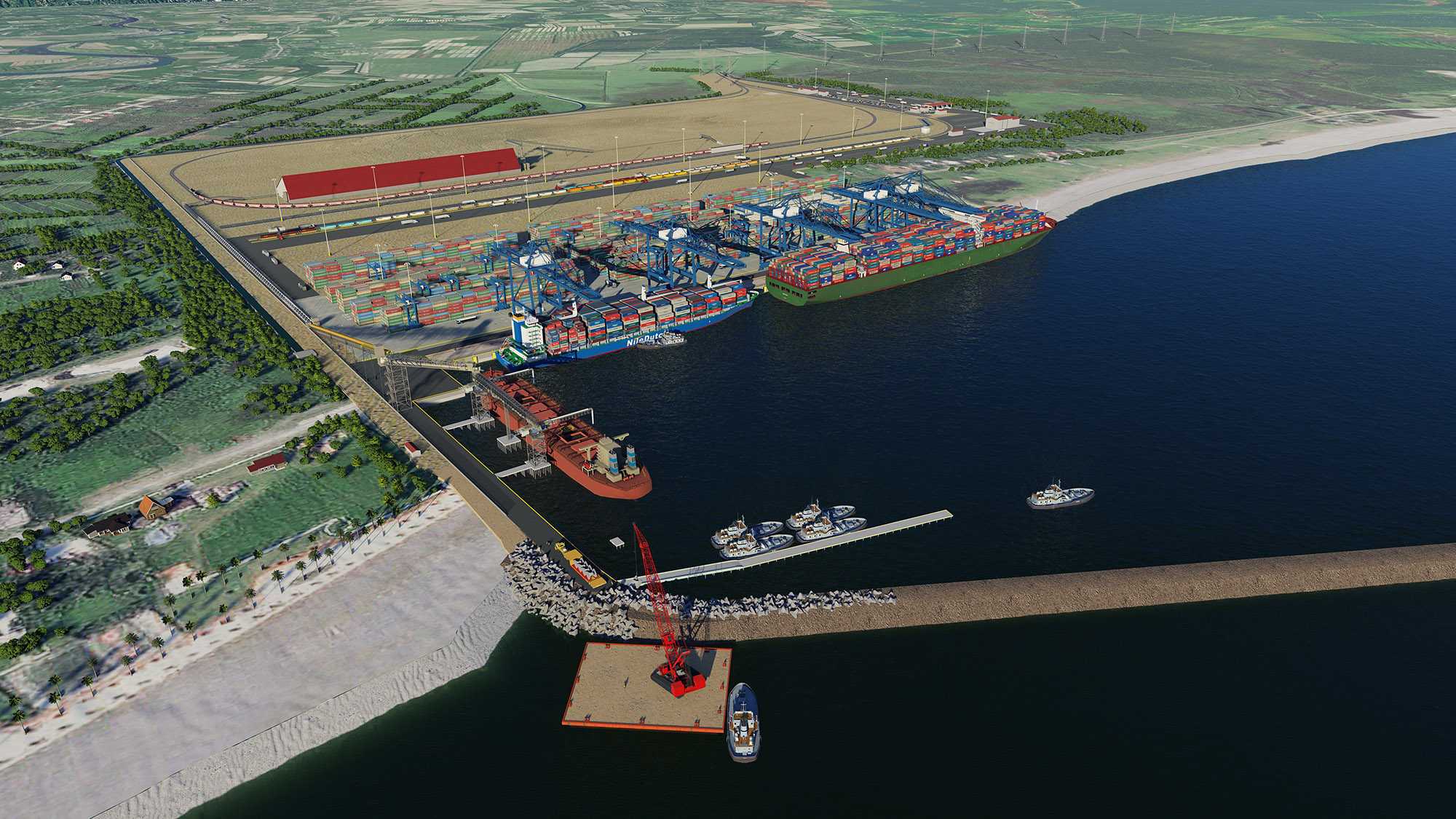
Speaking about the Trump Route, intended to connect Azerbaijan to its exclave Nakhchivan, Pashinyan said it was clear that the route would enter Meghri in Armenia from Zangelan in Azerbaijan and then continue to Nakhchivan.
However, for the continuation of the railway, Pashinyan said there were ‘two competing options’. One is a project already announced by Turkey and Azerbaijan to build a new line from Kars in Turkey to Nakhchivan. The other option is via Armenia, from Yeraskh to Akhurik, where there is already an existing railway.
He noted that in Yeraskh, which borders Nakhchivan, only a few kilometres of track are missing, while in Akhurik, which borders Turkey, the missing section is ‘even shorter’.
‘Here we see that in the international context, the fact that this section of the railway is under the management of Russia is being used to present the Kars–Dilucu route as more favourable. This is a problem for us, because it turns out that we are losing our competitive advantages in a situation where we have a ready railway’, Pashinyan said.
He further suggested that a solution with Russia must be found ‘in a friendly, amicable, and fraternal logic’.
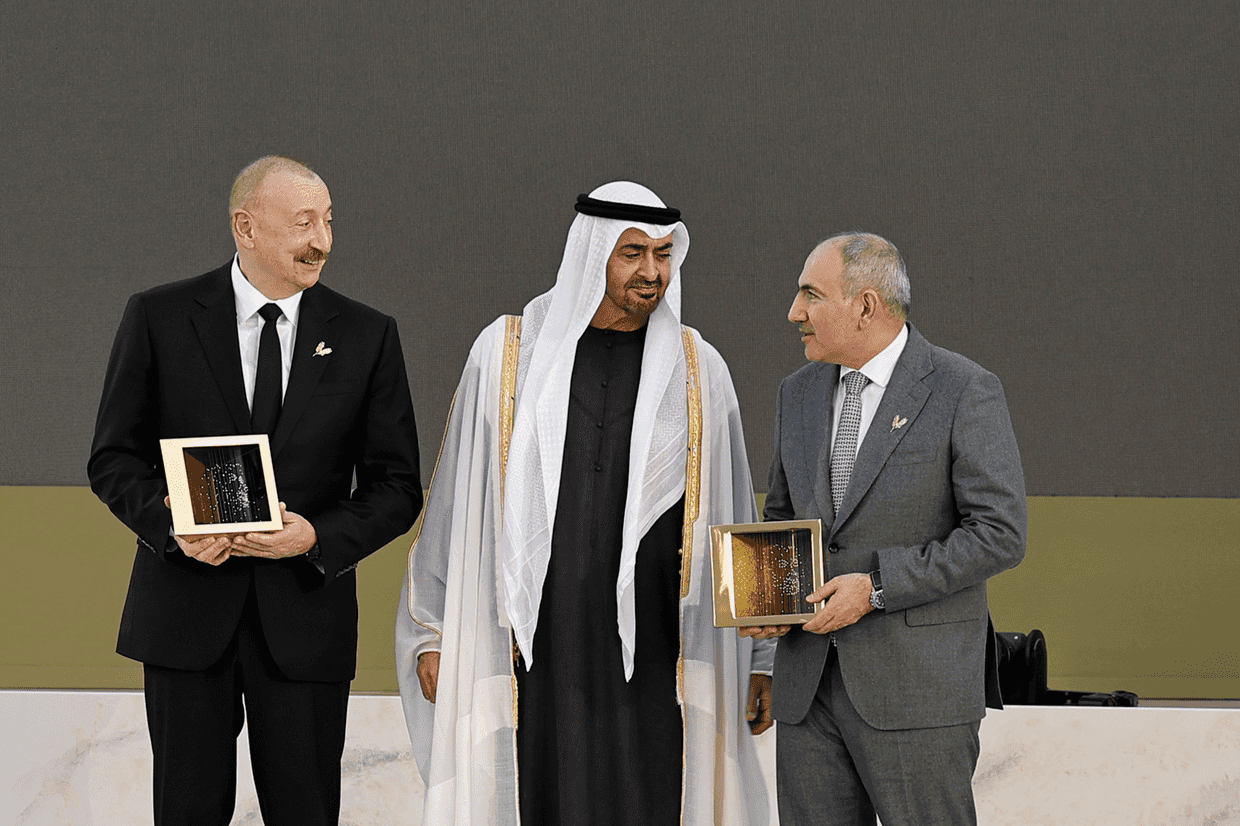
Pashinyan said that he raised the issue during his meetings with Turkish President Recep Tayyip Erdoğan and Azerbaijani President Ilham Aliyev.
‘I said: we are going toward normalisation, we are going toward peace, that is, we are already in a situation of peace, and this railway passes through Armenia — so why are you spending several billion dollars to create something that already exists?’, Pashinyan said.
That question was answered ‘with diplomatic silence’, he added.
Citing comments in international media and by international analysts that presented Armenia’s railway as a ‘Russian route’, his government understood that the Russian factor ‘is the main problem, and we need to understand what solutions we have’.
‘We are talking about Armenia’s long-term strategic interests, and all our friendly countries should be interested in ensuring that our interests are served, rather than the opposite — that our interests end up in a dead end’, Pashinyan said.
Armenia ‘will never act’ against Russia
During the same interview on Tuesday, Pashinyan was asked about Russia’s concerns over Armenia’s closer ties with the EU and its steps toward seeking membership in the bloc.
Since January, Moscow has suggested that the EU has been rapidly turning into ‘an aggressive military-political bloc’ with a ‘strategic course aimed at confrontation with Russia’.
Arshaluys Barseghyan
‘Everywhere, with all our partners, we share the following idea: harming Russia or Russian interests has not been, is not, and will not be on our agenda. That is excluded’, Pashinyan said. He added that they had communicated Armenia’s stance with Russia as well as other international partners.
Pashinyan also said that they had addressed the concerns of the Russian side, raising the example of the Trump Route.
He stressed that Russia had been offered the opportunity to create a project akin to the Trump Route ‘over the past five years’.
‘Of course, there was no Trump Route there, but we just wanted five words, five words. Those words are territorial integrity, sovereignty, jurisdiction, reciprocity, and inviolability of borders. We said, “Put these five words on paper, and I am ready to sign that paper at any time” ’ Pashinyan said, adding that there was no exaggeration in his remarks.
This article was translated into Russian and republished by our partner Jnews.