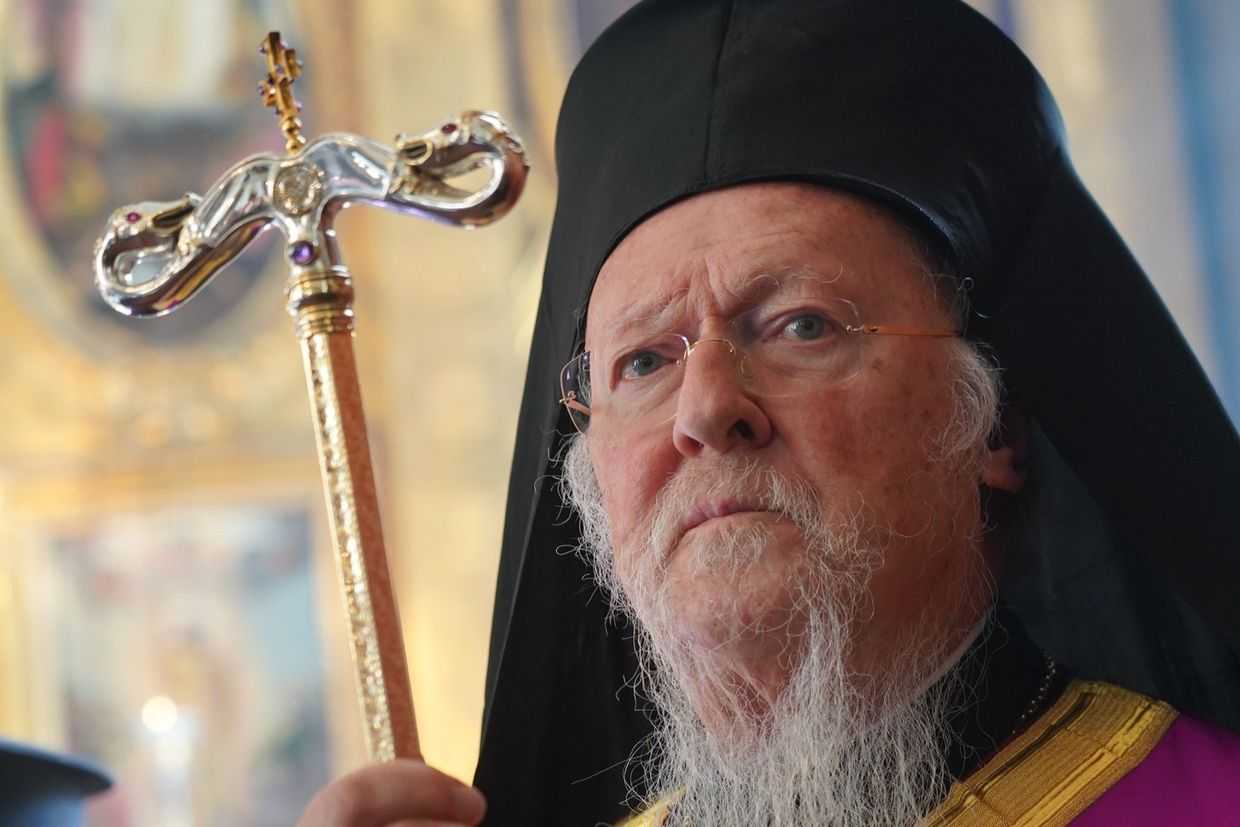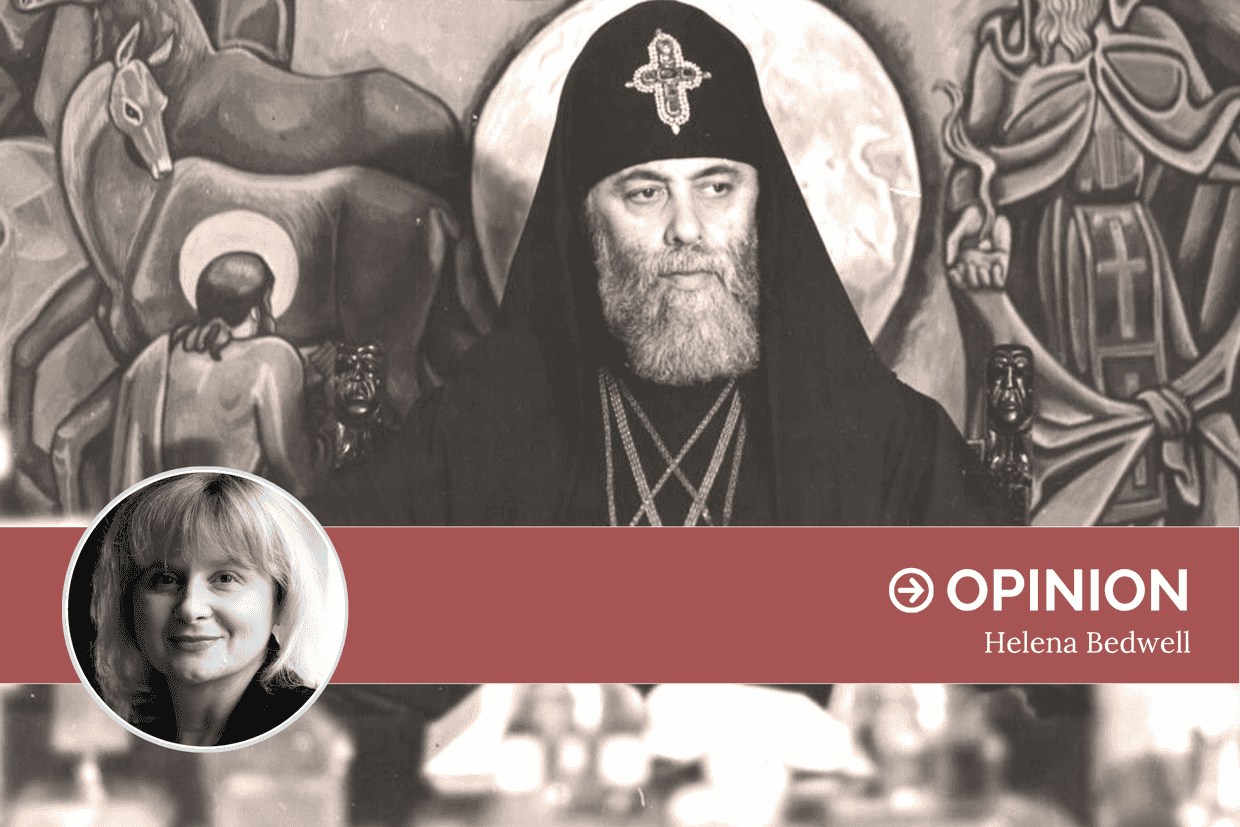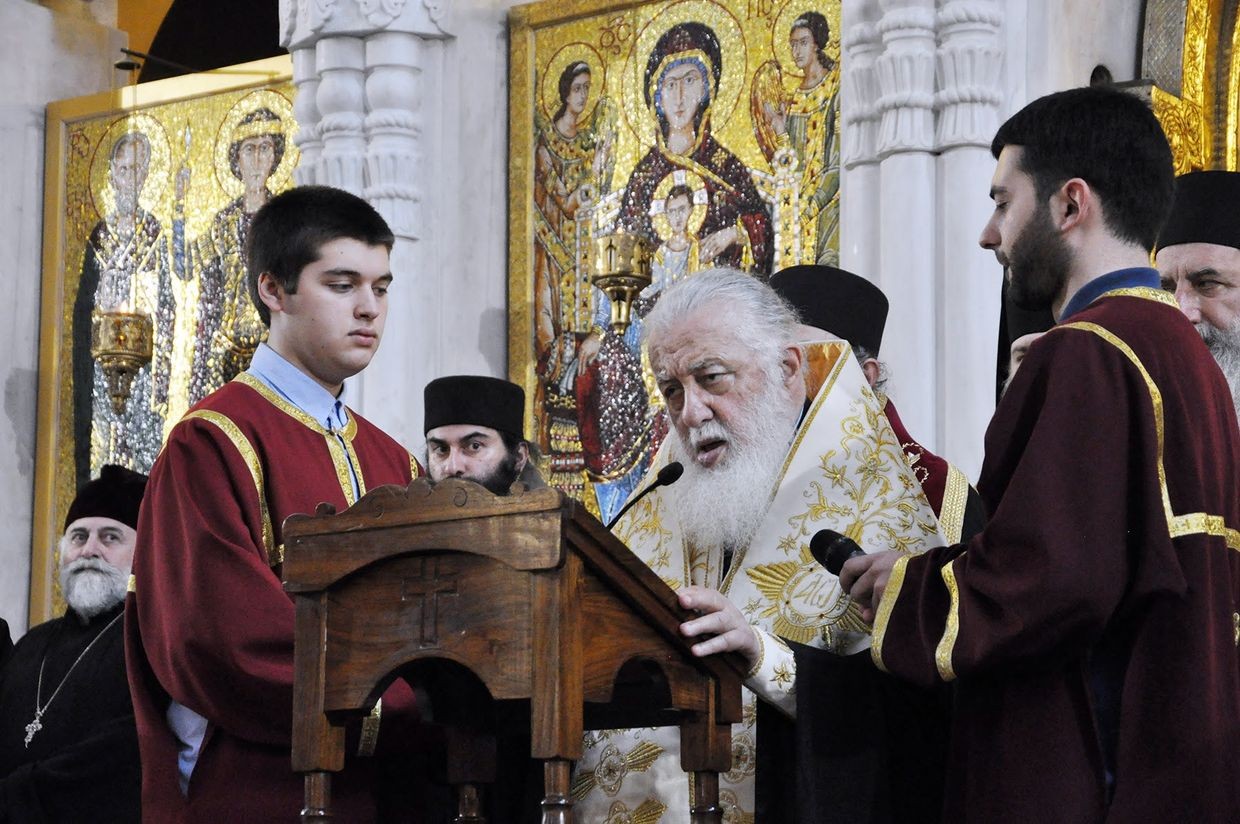
The long-serving Patriarch of the Georgian Orthodox Church, Ilia II, has died at the age of 93.
Ilia II passed away on Tuesday evening after being admitted into intensive care with abdominal bleeding earlier that day.
Confirming his passing to reporters outside the hospital, Shio Mujiri, the incumbent of the patriarchal throne, hailed the Patriarch’s tenure.
‘He was an epoch-defining figure, and his passing is a great loss for the entire Orthodox world. I would like to extend my condolences to every Georgian, to all of Georgia, to our Church, and to all of Christendom.’
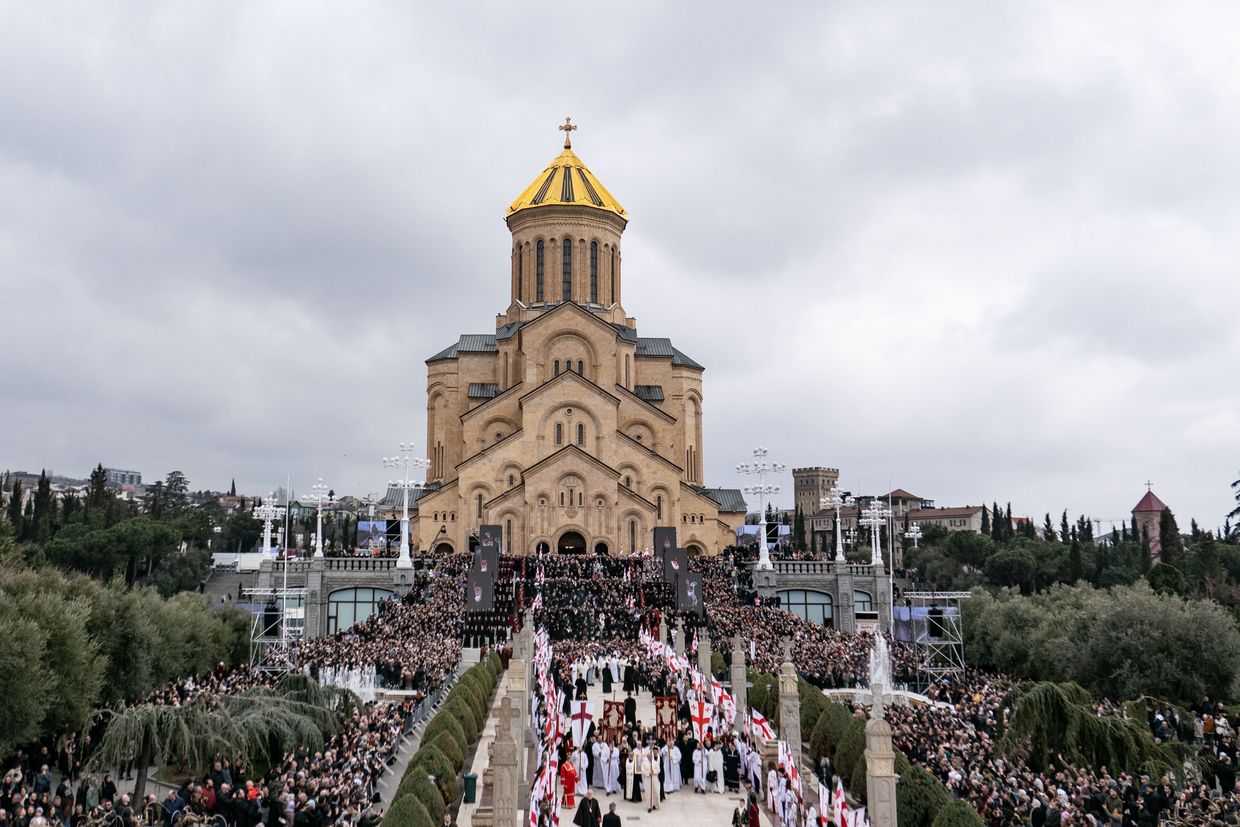
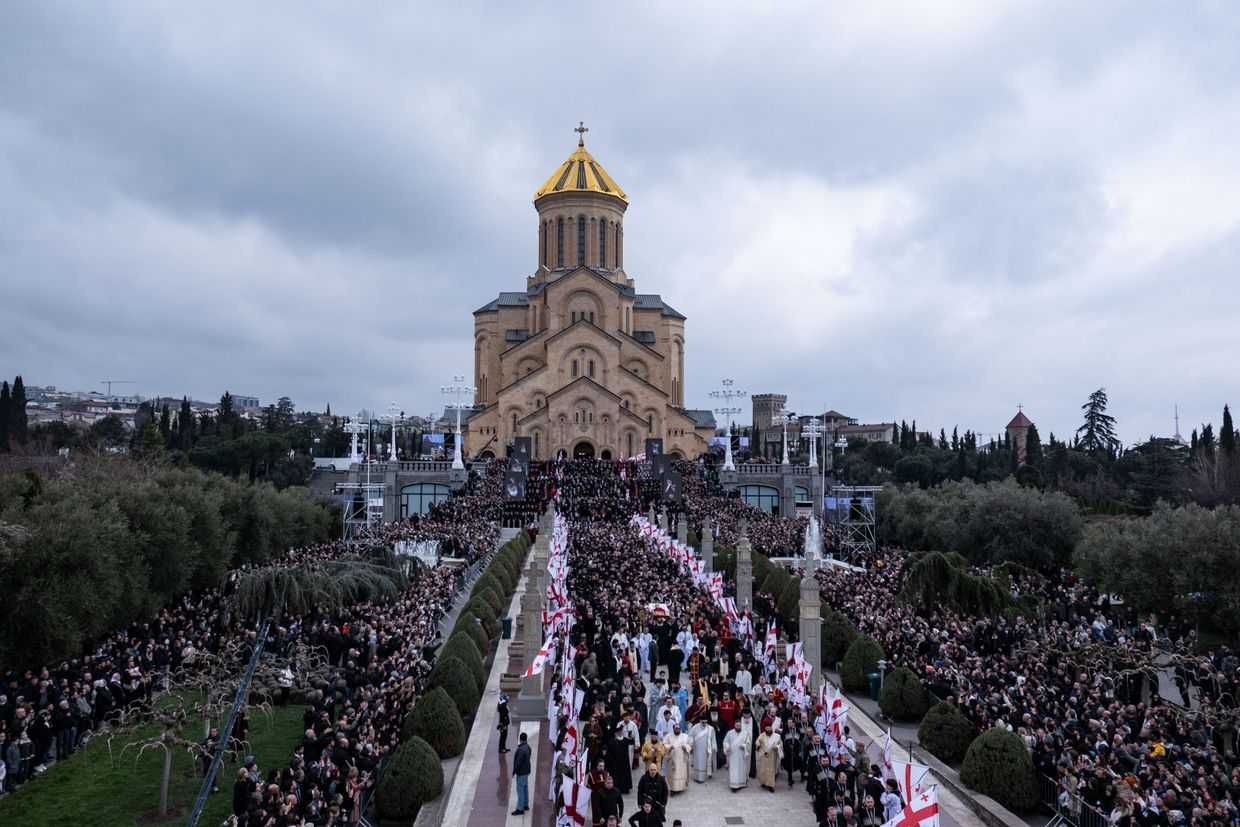
Church spokesperson, Archpriest Jagmaidze, later announced that Ilia II would be laid to rest at the Holy Trinity Cathedral in Tbilisi on Wednesday, where the Patriarchate would make an announcement.
Mujiri will take over the Church until a new patriarch is selected. Mujiri had already taken over day-to-day management of the Church in recent years, as the Patriarch’s health had continued to deteriorate.
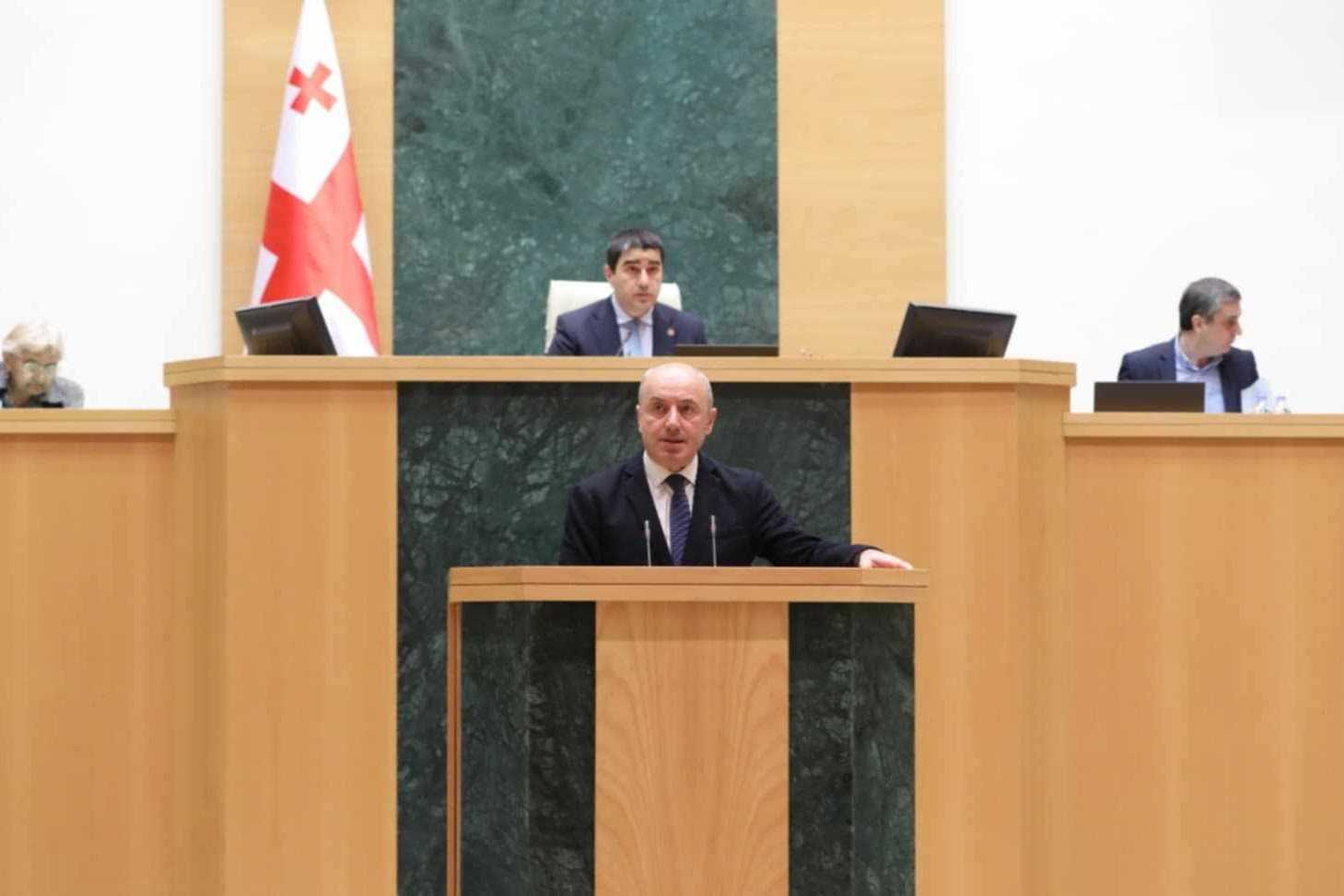
As reports emerged of his passing, several senior government figures, including Prime Minister Irakli Kobakhidze, gathered at the clinic where he was being treated.
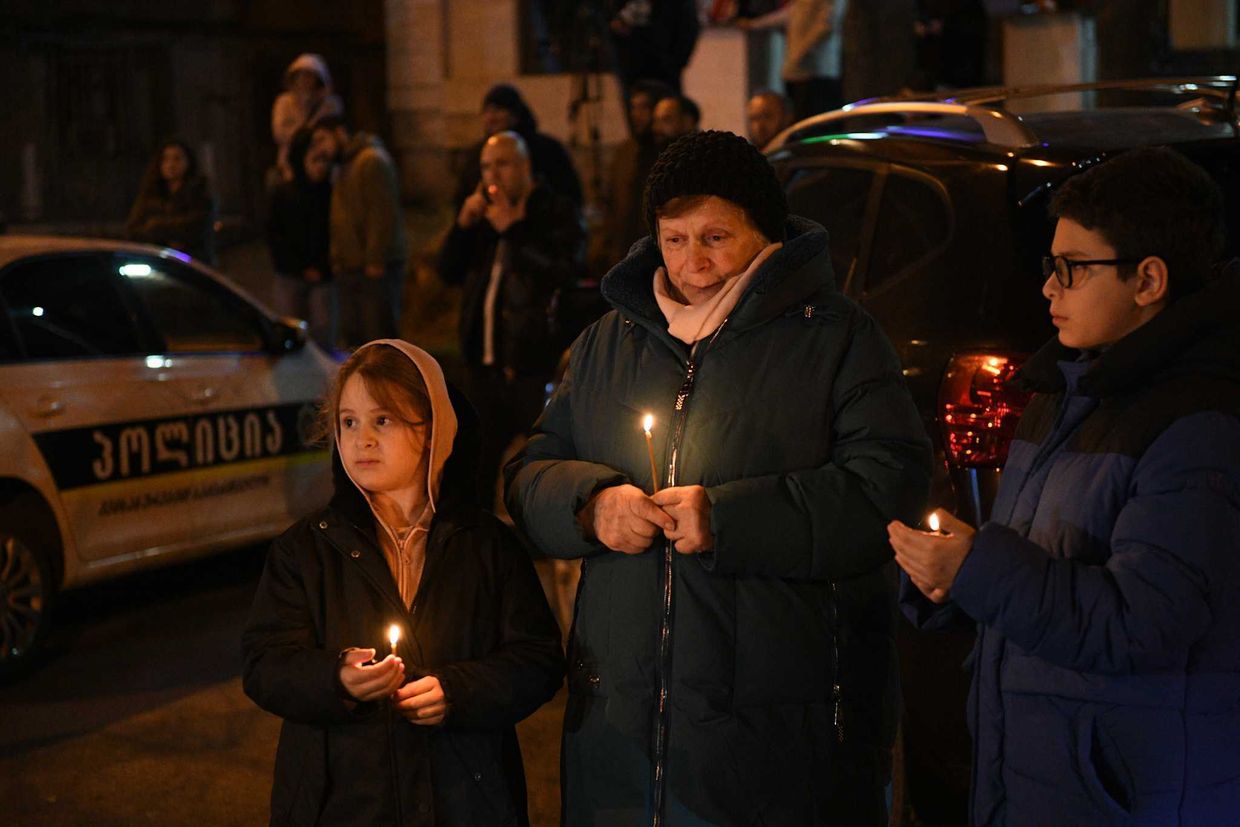
Ilia II had served as head of the Georgian Orthodox Church since 1977, seeing the country through a number of pivotal moments in its history, including its independence from the Soviet Union.
For years, he and the Church had enjoyed overwhelming public support, consistently topping opinion polls as the most trusted public figure in the country.
Despite this, a number of scandals in recent years saw this support begin to drop. This included a cyanide poison plot by a senior clergyman, leaked intelligence reports pointing to paedophilia within the Church, and accusations against Ilia II personally.
While enjoying broad popular support, the Patriarch was also a polarising figure in more liberal circles over the church’s strongly conservative positions on various social issues, and its consistent role in stoking violence against queer people.
The latter years of his tenure was also marked by debates over relations between the Georgian and Russian Orthodox Churches, as well as the relationship between the Church and the state.