Russia warns Armenia not to make ‘ill-considered decisions' regarding railway takeover

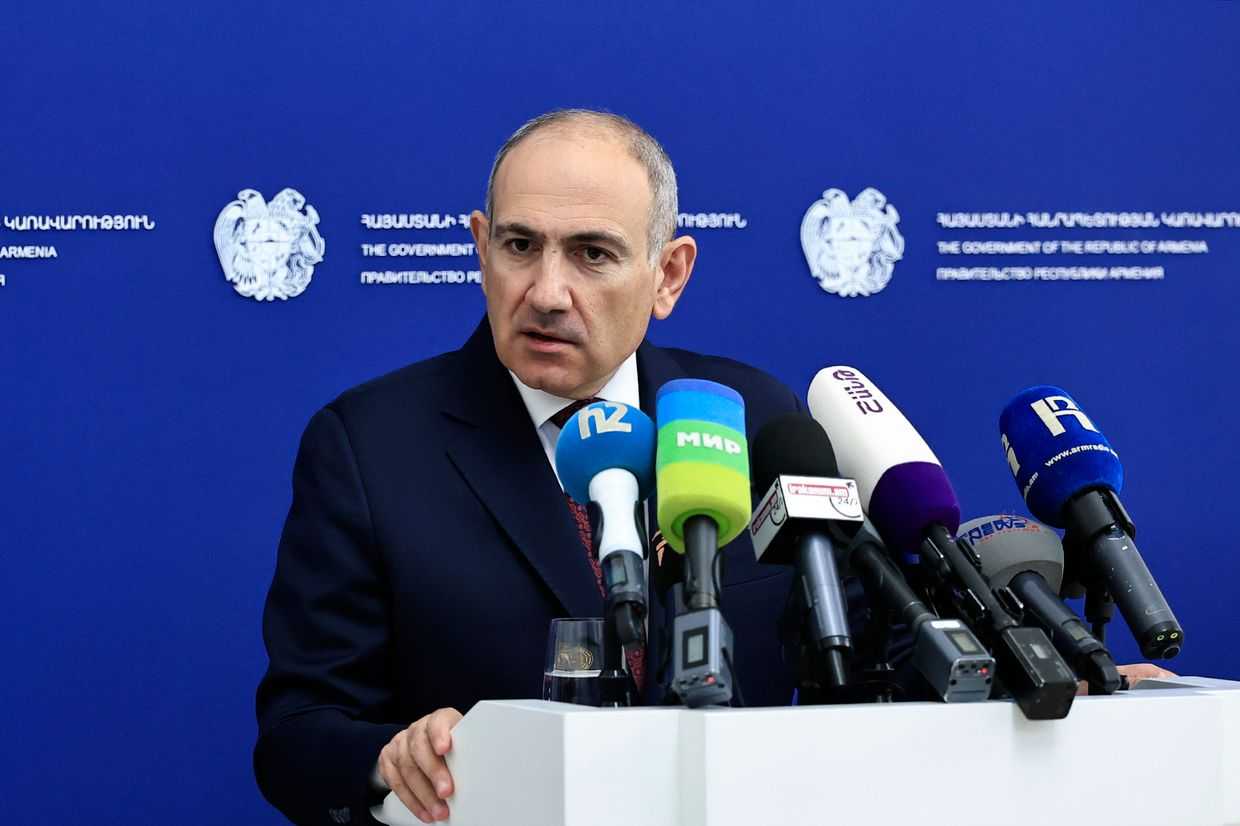
Moscow has pushed back against Prime Minister Nikol Pashinyan’s suggestion of a third-country takeover of Armenia’s railways from Russia as a solution to Armenia losing its ‘competitive advantage’ by having international routes pass through the country.
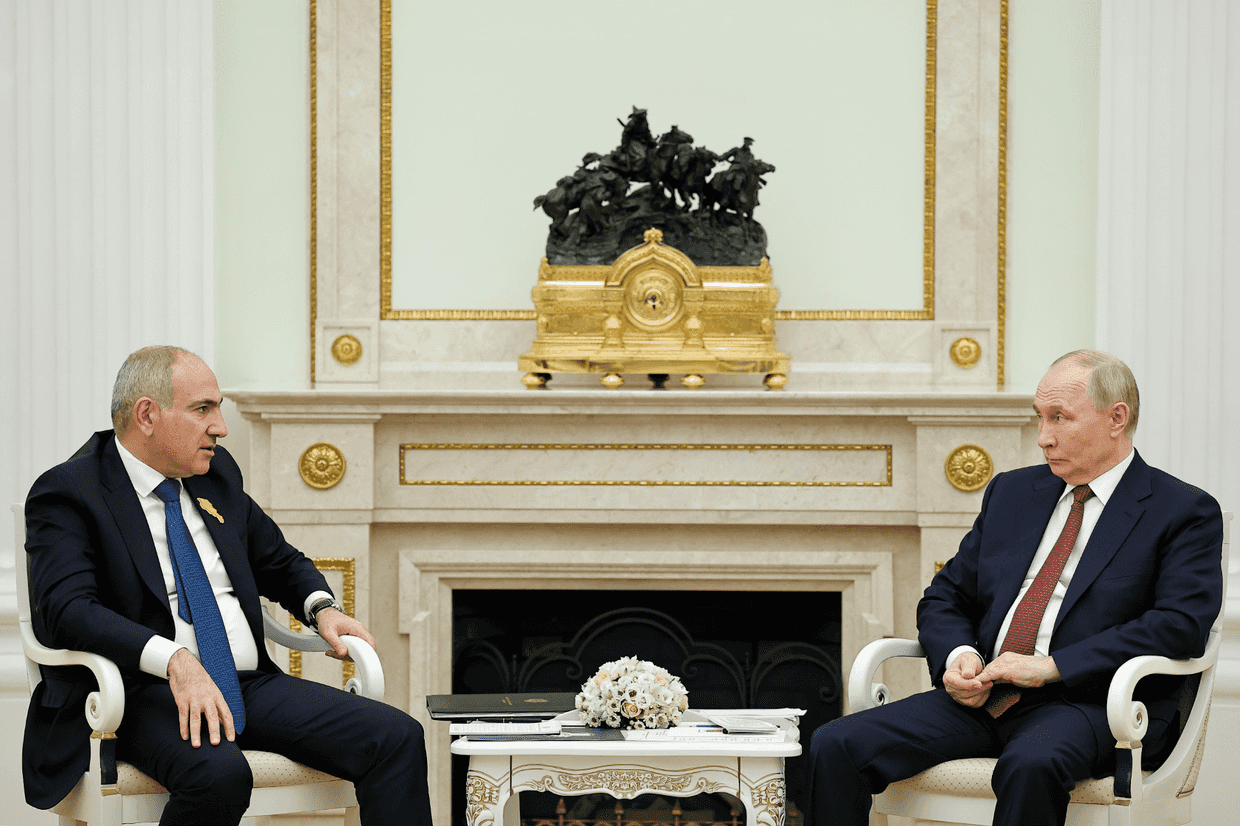
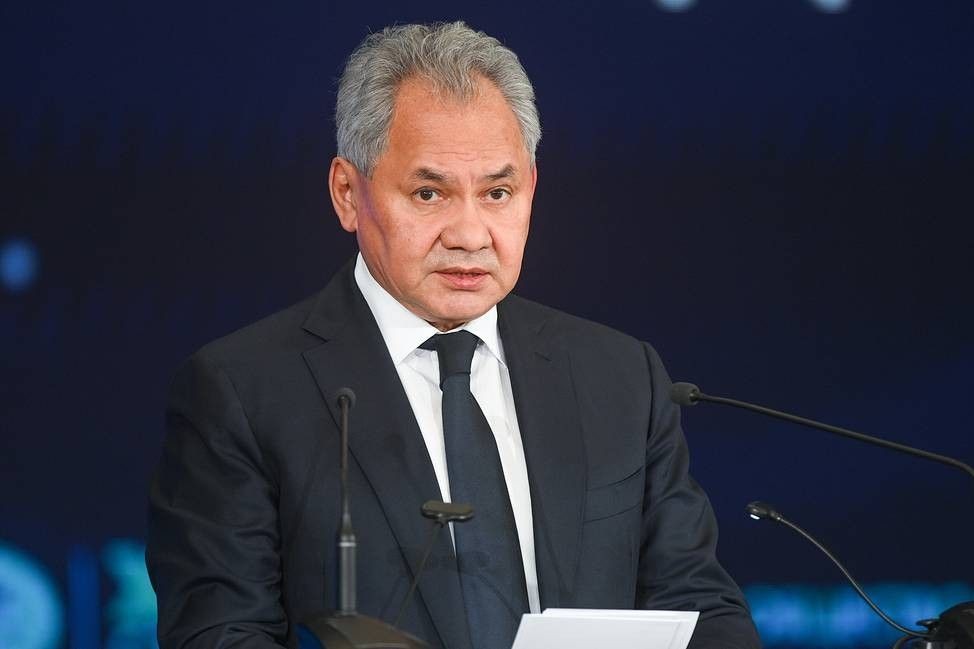
In a Thursday interview with Russian state-run media outlet TASS, Secretary of Russia’s Security Council Sergei Shoigu cast doubt on whether any other company ‘will be able to fully replace the Russian railway carrier’, describing its work in Armenia as ‘effective’ in terrain that is ‘far from the easiest’.
On 13 February, Pashinyan said that a country with ‘friendly relations’ with both Russia and Armenia could ‘purchase the concession management rights’ of Armenia’s railways, which are currently under Russian management as part of a 30-year concession agreement signed in 2008.
 Arshaluys Barseghyan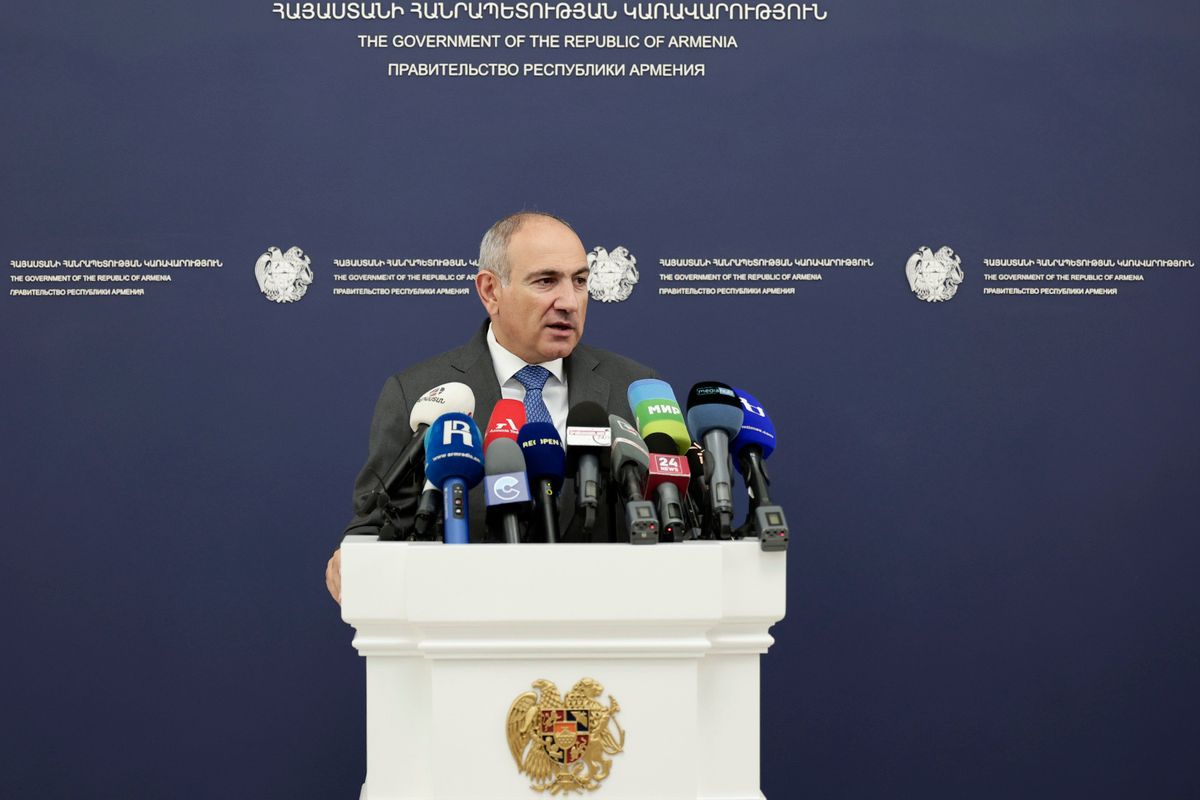
Pashinyan proposed this as a solution to Armenia losing its ‘competitive advantage’ under Russia’s management, pointing to the continuation of the Trump Route — intended to connect Azerbaijan to its exclave Nakhchivan through Armenia — could pass through Armenia again, where the railway already exists but seeks restoration.
The alternative route to this was an already announced project by Turkey and Azerbaijan, with plans for a new line from Kars in Turkey to Nakhchivan.
Pashinyan added that, despite his government’s assurances that Russia ‘will not create obstacles for our regional projects’, his government observes a growing number of proponents for bypassing Armenia.
Arshaluys Barseghyan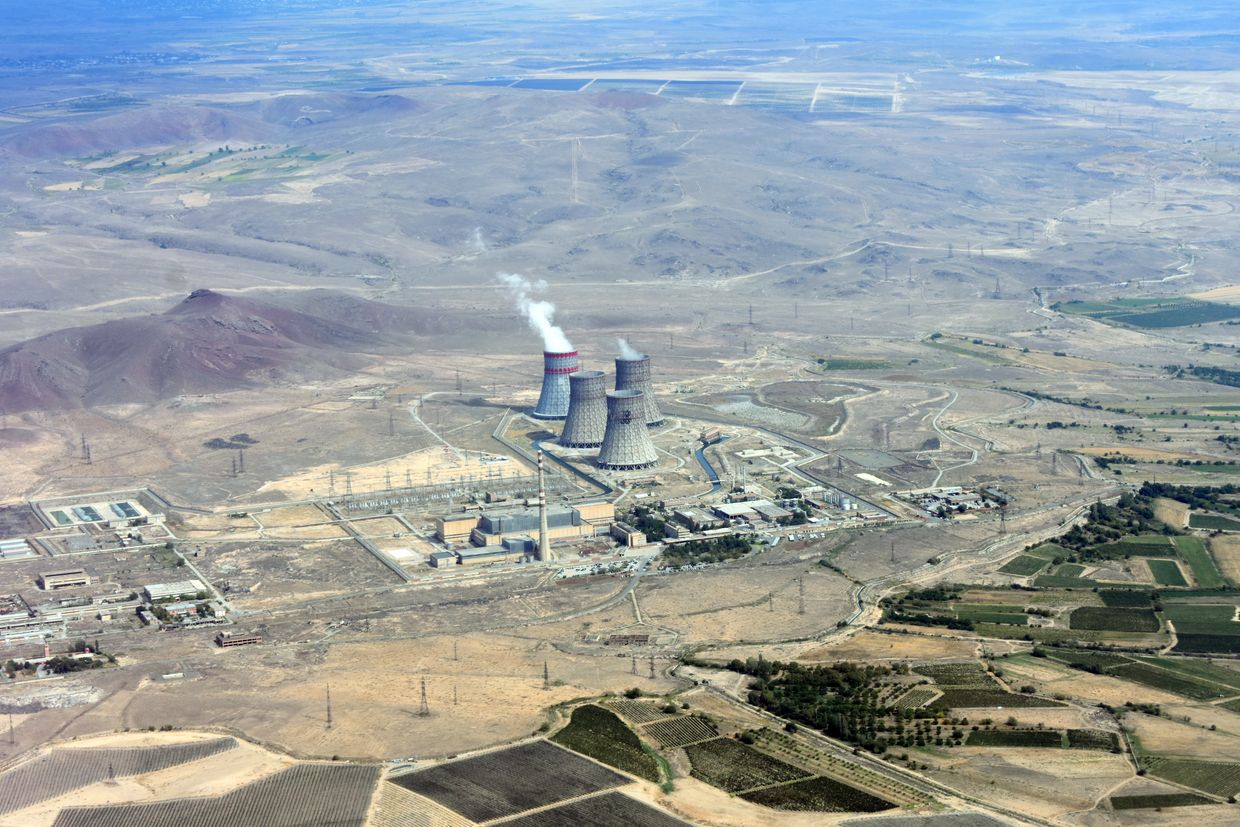
Alongside the railway takeover issue, Shoigu also referenced Armenia’s talks with the US on nuclear cooperation, raising a rhetorical question about whether such ‘ill-considered decisions will lead to similarly dangerous experiments that ordinary citizens of Armenia will have to pay for’.
He further warned that ‘a system built over nearly two decades could simply collapse overnight’.
‘I hope that when making important decisions, Armenia's leadership will proceed solely from the interests of its citizens’, Shoigu concluded.
Russia ‘does not deprive’ Armenia of competitive advantages.
Separately, Russian Foreign Ministry spokesperson Maria Zakharova stated on Wednesday that the Russian operation of the Armenian railway ‘does not deprive [Armenia] of competitive advantages, but rather creates them’.
‘During this time, the Russian company has not only steadily fulfilled all the terms of the concession agreement, but has also invested significant funds and, as far as we are aware, these investments have not yet paid off in infrastructure and rolling stock, while providing a large number of jobs’, Zakharova said.
She further noted that Moscow adheres to the position expressed by Russian Deputy Prime Minister Aleksei Overchuk, who recently stated that Russia had ‘decided to begin substantive negotiations’ with Armenia on the restoration of two sections of the country’s railway, adjacent to Turkey and Nakhchivan, as requested by Armenia.
However, Overchuk’s statement received a cold reception in Armenia,
Pashinyan insisted on 13 February that ‘there’s nothing to negotiate’ considering the short stretch of railroads demanding restoration and the small portion of the investment.
Arshaluys Barseghyan
This article was translated into Russian and republished by our partner Jnews.