Russian journalist sentenced to 10 years in absentia for saying 20% of Georgia is occupied by Russia
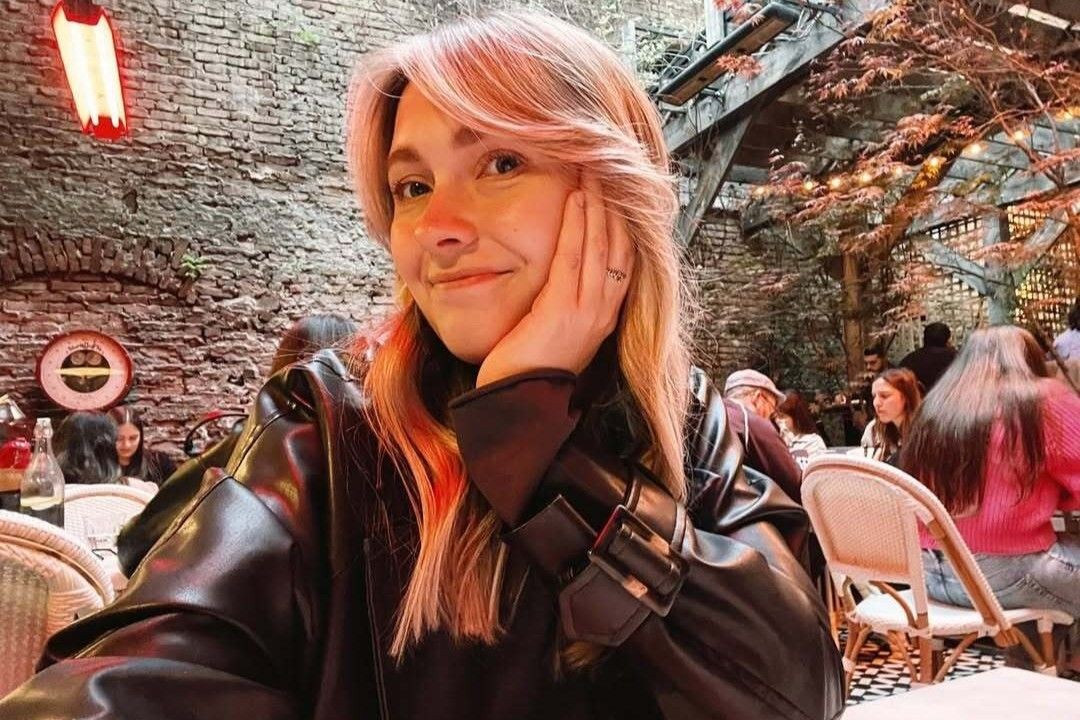
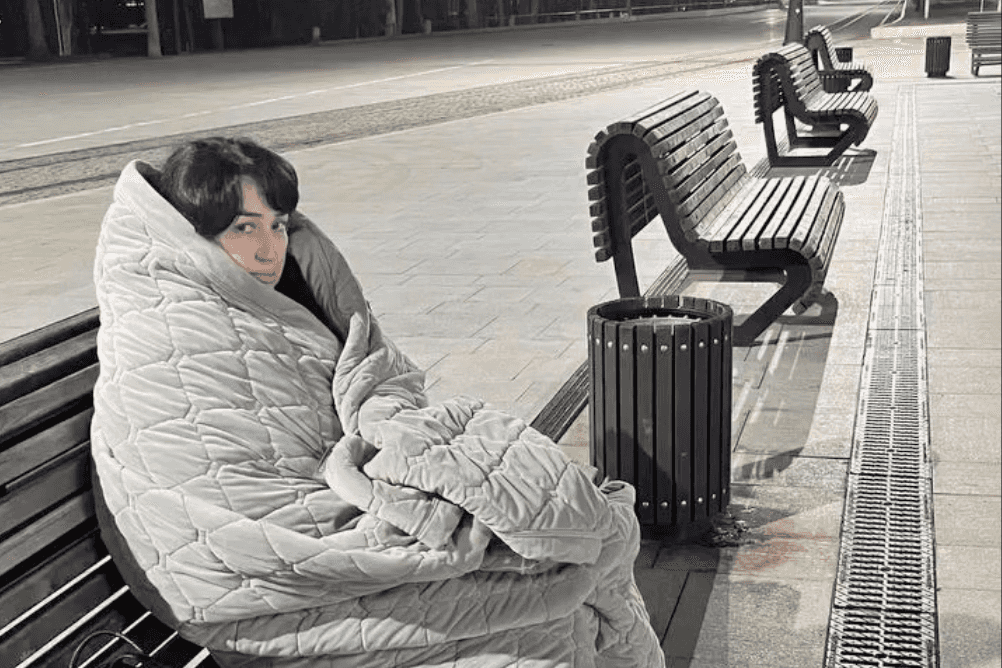
A Moscow court has sentenced Dozhd (‘Rain’) journalist Valeria Kichigina to 10 years in prison in absentia on charges of spreading ‘fake news’ for a post about the 2008 August War in which she said that Russia occupies 20% of Georgia. It was the first time the charge had been leveled not in connection to Russia’s full-scale invasion of Ukraine.
Judge Svetlana Spitsyna of the Tagansky District Court of Moscow handed down the sentence on 24 March, according to Mediazona’s courtroom reporter.
Russian prosecutors based the case on two posts — one was Kichigina sharing a post about Bucha, the Ukrainian city where Russian forces murdered hundreds of civilians shortly after the beginning of the full-scale invasion. The post contained evidence to counter Russian claims that the mass murder was fabricated.
The second concerned an Instagram story that Kichigina published on 8 August 2023 — the anniversary of the 2008 August War. In the story, Kichigina said Russian troops had invaded Georgia, bombed civilian cities, and that 20% of the country remained under Russian occupation. Both posts are no longer available.
According to Mediazona, Kichigina’s lawyer argued in court that prosecutors failed to prove she knowingly spread false information, and asked for her to be acquitted. They also challenged the claim that Kichigina acted with political hostility, one of the aggravating elements often used in these cases.
According to Kichigina herself, this case is politically motivated. She believes investigators used Georgia’s post as a pretext for her reporting on the ‘Baymak case’ — mass protests that took place in the Russian republic of Bashkortostan in early 2024.
She also stated that the only witness who testified against her was an investigator only identified as Zakiev, who apparently saw the Instagram story she posted on 9 August 2023 and immediately started the inquest. However, at that time she was still in Russia, and was not subsequently stopped or questioned when she later left the country.
Russia’s ‘fake news’ law was adopted on 4 March 2022, days after the full-scale invasion of Ukraine. Human Rights Watch said at that time that the measure criminalised independent war reporting and protests, and noted that the law was not limited to Ukraine.
For ease of reading, we choose not to use qualifiers such as ‘de facto’, ‘unrecognised’, or ‘partially recognised’ when discussing institutions or political positions within Abkhazia, Nagorno-Karabakh, and South Ossetia. This does not imply a position on their status.
 Xandie (Alexandra) Kuenning