Tbilisi greenlights eviction of several residents for Heydar Aliyev Cultural Centre construction

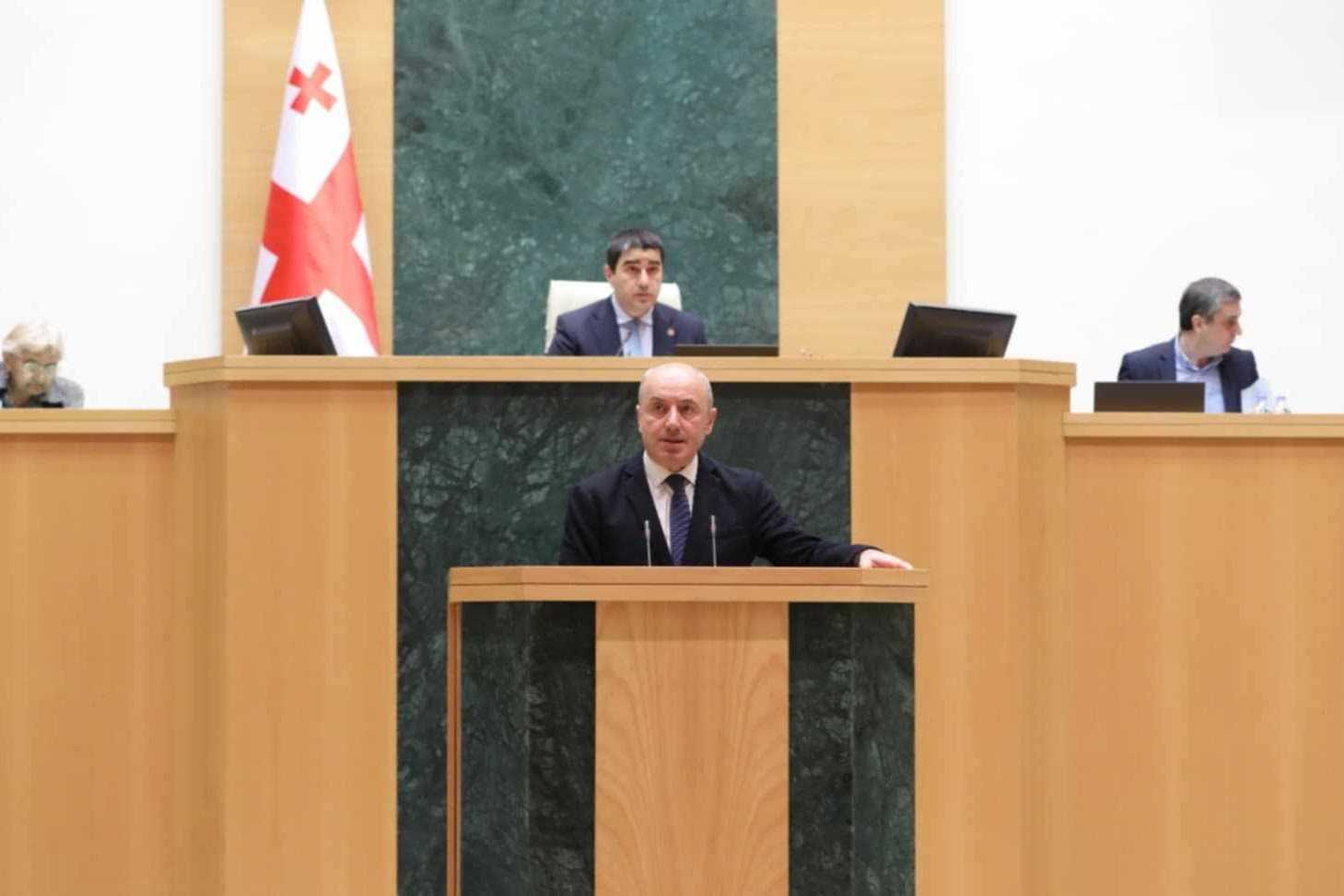
Georgian authorities have greenlighted the seizure of residential properties from several households for the construction of the Heydar Aliyev Cultural Centre. The order, signed by Economy Minister Mariam Kvrivishvili, described the centre as a project of ‘pressing social needs’.
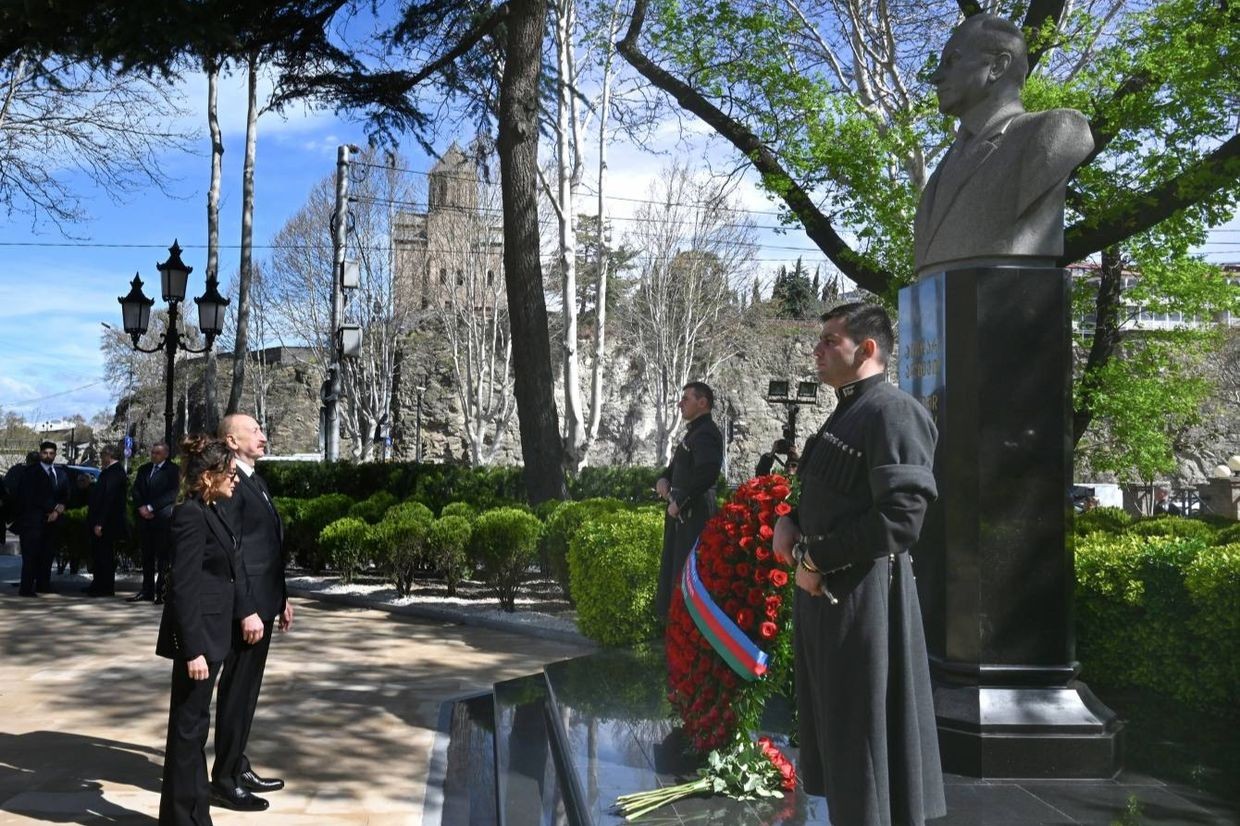
The order is dated 3 April, three days before the state visit to Georgia by Azerbaijan’s President Ilham Aliyev — the son of Heydar Aliyev, who ruled the country from 1993 until his death in 2003.
The centre is planned to succeed the Heydar Aliyev Tbilisi Azerbaijani State Drama Theatre, located in old Tbilisi. The order stated that its existing space is insufficient for the organisation’s activities, and the building itself is in a deteriorated condition.
Accordingly, the governments of Azerbaijan and Georgia decided to construct a new building on the same street, slightly further along, and a foundation-laying ceremony was held in October 2023. However, it later emerged that ‘the land plots were not sufficient for the construction’, and the two governments decided to expand the construction site by adding two more plots.
 Mikheil Gvadzabia
The order further noted that the project is to be implemented with Azerbaijani funding, and Georgia’s participation in the ‘multi-million investment’ consists of the buyout of one of the additional land plots by a Tbilisi-registered state-owned company.
A residential building is located on the plot to be acquired by the company. According to the Public Registry data, both residential and auxiliary spaces are registered under the names of 24 different owners. As stated in the order, as of 24 March 2026, the company had reached agreements with 13 owners, and their property was acquired voluntarily.
However, no agreement was reached with five owners, after which the company approached the Economy Ministry requesting to be granted the right of expropriation.
Describing the centre as a ‘project of pressing social needs’, the minister satisfied the request, stating that ‘expropriation of property rights is required’ in the case of those with whom no agreement could be reached.
The order does not mention the remaining six owners, which may indicate that negotiations with them are still ongoing.
The Georgian law defines expropriation as the deprivation of property rights with full and fair compensation for the relevant property.
Under the law, the minister determines the necessity of expropriation for pressing social needs and identifies the entity that may be granted the right of expropriation, while the decision to carry out the expropriation is made by the court. The party seeking expropriation must file an application with the court and is required to inform all affected property owners of both the filing and the scheduled court hearing.
The 3 April order explained the Centre’s social importance by its future role in serving the ‘cultural development’ of the Azerbaijani community living in Georgia, as well as by referring to the European Court of Human Rights [ECHR] practice, according to which the public interest is not limited to the interests of the majority.
‘Since the protection of cultural identity constitutes a fundamental value of a democratic society, and the state bears a positive obligation to create the conditions for its development’, the order noted.
The order can be appealed in court within one month of its publication or official notification.