The carrot and the stick — the reality behind Russia’s attitudes towards Abkhazia
Russian grants appears to be little more than PR exercises, while pressure continues to mount against Abkhazia’s opposition figures.

Recent years have seen perhaps one of the most glaring contradictions in Abkhazian politics and society — the desire for a sense of independence from Russia pitted against the overwhelming power imbalance favouring Moscow — come into increasing focus.
To say the Kremlin calls all the shots is an oversimplification. Consider, for example, the popular unrest that overthrew the pro-Russian President Aslan Bzhaniya (again, another peculiarity of Abkhazian politics — all politicians are ‘pro-Russian’ to a certain extent). While the protest movement was sparked by anger over a controversial piece of legislation that would have provided preferential treatment for Russian investors, demonstrators made it clear they were not against Russia per se, but instead wanted simply to protect their own sovereignty.
These displays of independence notwithstanding, the Kremlin does have the overwhelming ability to use carrots — or sticks — to bend Abkhazia to its will.
As these tools are wielded with increasing frequency, the space for independent civil society has become hollowed out. Moreover, some in Abkhazia say that some of what appear to be carrots on paper are actually PR exercises that bring little tangible results.
The competitions and grants
Perhaps the most visible carrot are the competitions for funding and grants.
One of the most prominent competitions, titled Creators of Abkhazia, focuses on projects that reach as many people as possible and that have significant social impact. While any initiative group can participate, making the whole deal sound good on paper, no more than ₽3 million ($370,000) has been allocated for project implementation, an amount too small to achieve even a quarter of the stated goals. To circumvent this, a condition of the grant is that the project in question be co-financed — ‘We’ll give you the money, but you have to do your part, too’.
As evidenced by the winning projects, this system, in actuality, does not work. For example, one can look at the slow death of the largest arboretum in Abkhazia. Over the last 30 years, nine hectares of rare plantings have been reduced to five hectares. In particular, illegal construction has reduced the park’s size and disrupted the drainage system, causing the area to become a swamp, killing the remaining trees.
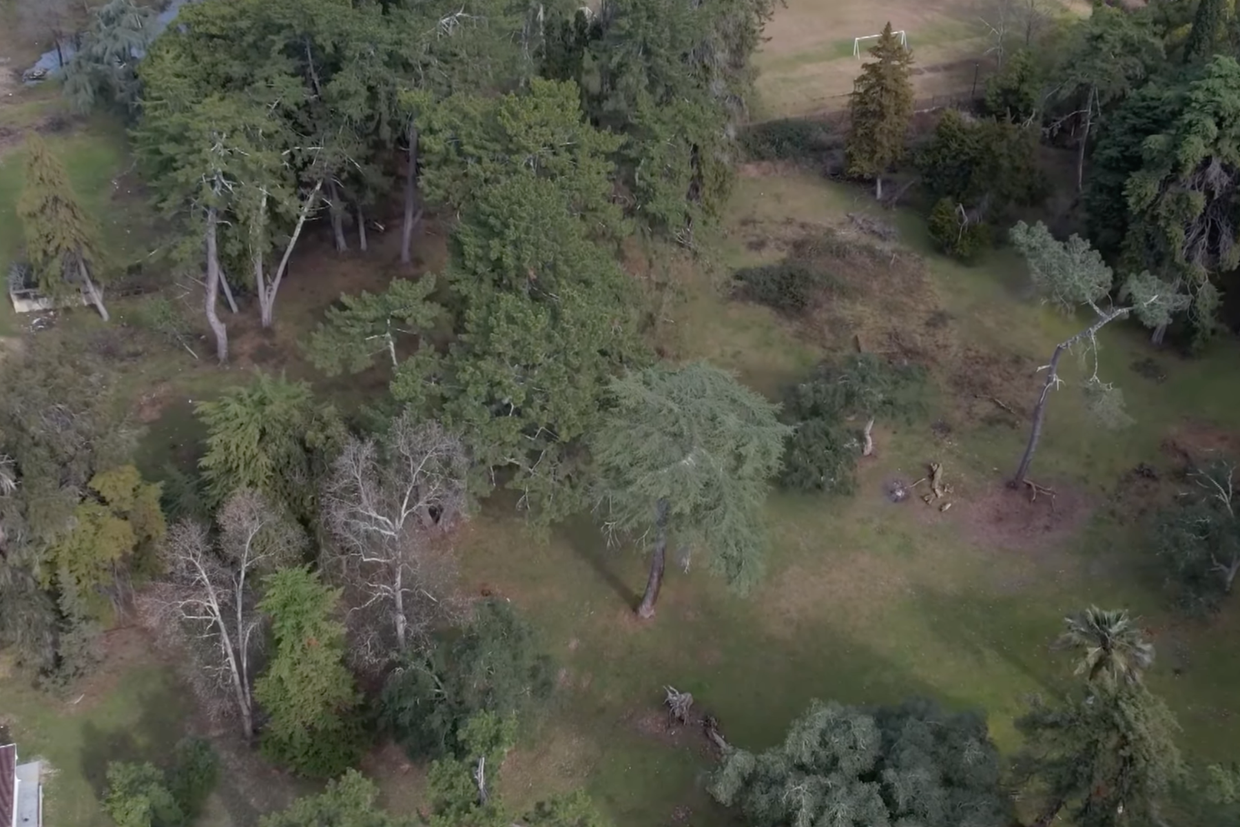
Recently, activists won a grant from the Creators of Abkhazia competition to save the park. Yet, the most important task — creating a drainage system — will not be accomplished, as it requires much more funding than what is on the table. Instead, the money will be used to plant new trees and create recreation areas with benches and tables — and the swamp will continue to grow and the trees, both old and new, will continue to die.
Another popular source of funding is the Russian Presidential Grants Fund, from which the controversial new entity Team Abkhazia has won various amounts ranging from ₽1 million ($13,000) to ₽10 million ($130,000).
Team Abkhazia is a political organisation headed by Giorgi Gabuniya, the winner of the eponymous Team Abkhazia competition that was initiated in 2025 by Sergei Kiriyenko, the first deputy chief of the Russian presidential administration and the Kremlin’s pointperson in Abkhazia (as well as the South Caucasus as a whole).
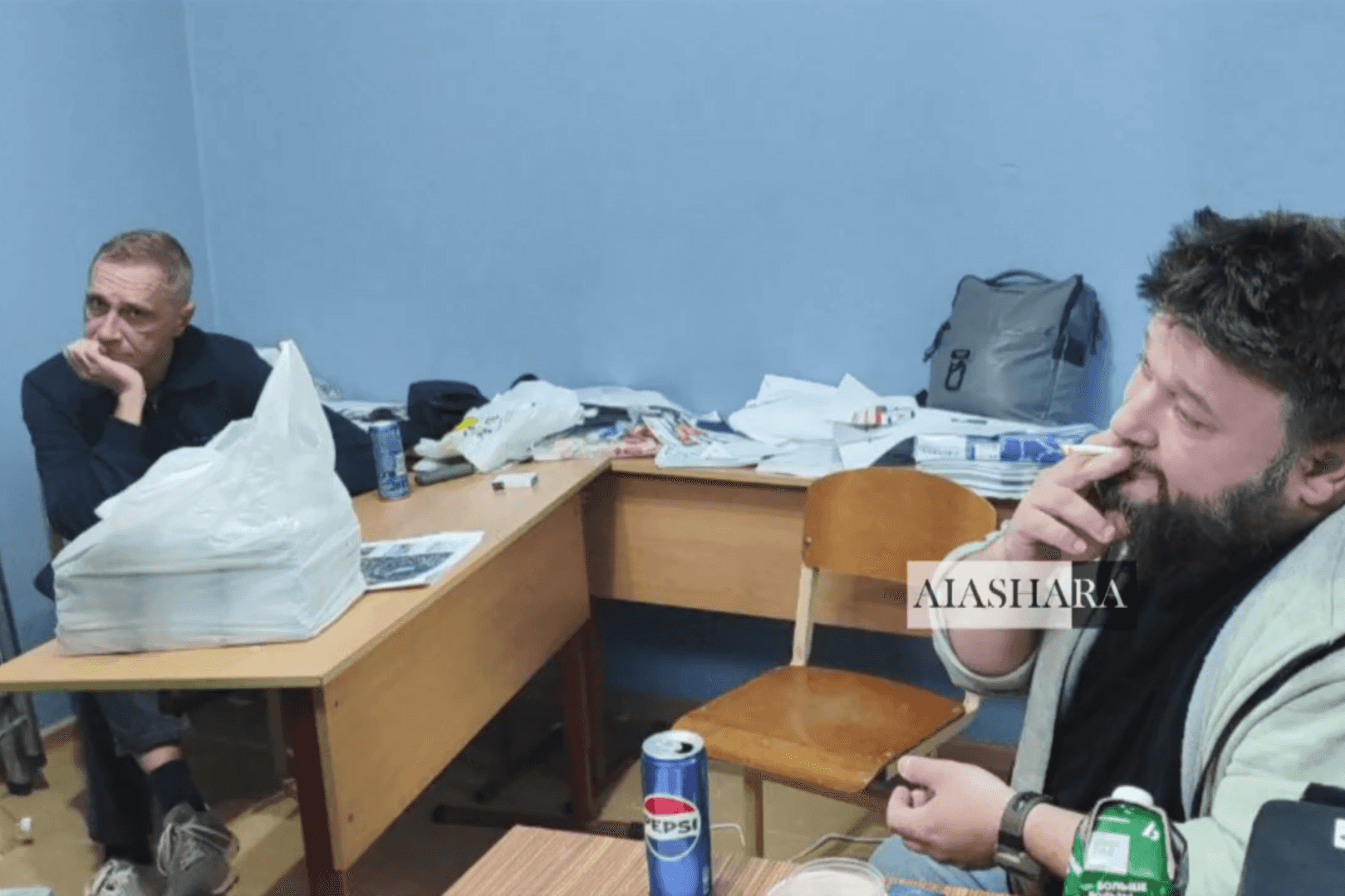
During the 2025 local elections, the organisation was accused by the opposition of indirectly funnelling support from Abkhazian President Badra Gunba — and Russia — to pro-government candidates, despite the official ban on the sitting government being involved in local elections. Just days ahead of the election, Russian political strategists who were reportedly working for Team Abkhazia without the proper registration and accreditation were confronted by opposition figures at their office, which then escalated into a physical altercation. The individuals were then deported from Abkhazia. A court case is now ongoing in Russia in relation to the opposition figures, who have been remanded to house arrest in Abkhazia.
 OC Media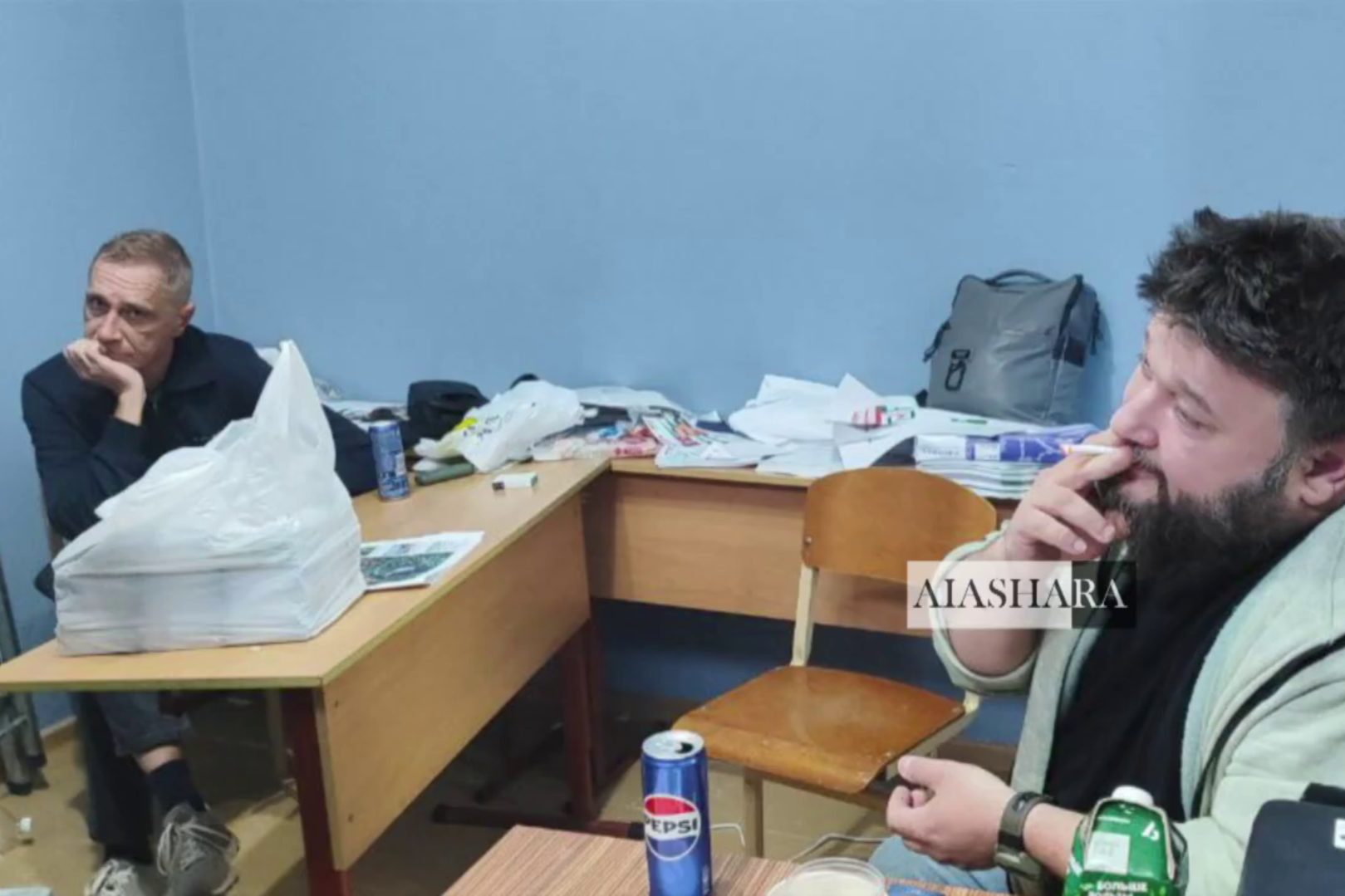
But what has Team Abkhazia accomplished locally with the Russian funding?
In one case, they received approval and funding from the Russian Presidential Grants Fund for a project to paint murals on high-rise buildings in Abkhazia. While the facades of the buildings were repaired as part of the project, the drainage systems linked to the roofing were damaged. For over six months, residents of the upper-floor apartments suffered, with water leaking from the ceilings every time it rained. In the end, the Sukhumi Administration had to step in to fix the problems, not that this work was covered in the press or on social media. Instead, it was carried out as discreetly as possible to ensure the good press on Russian aid remained.
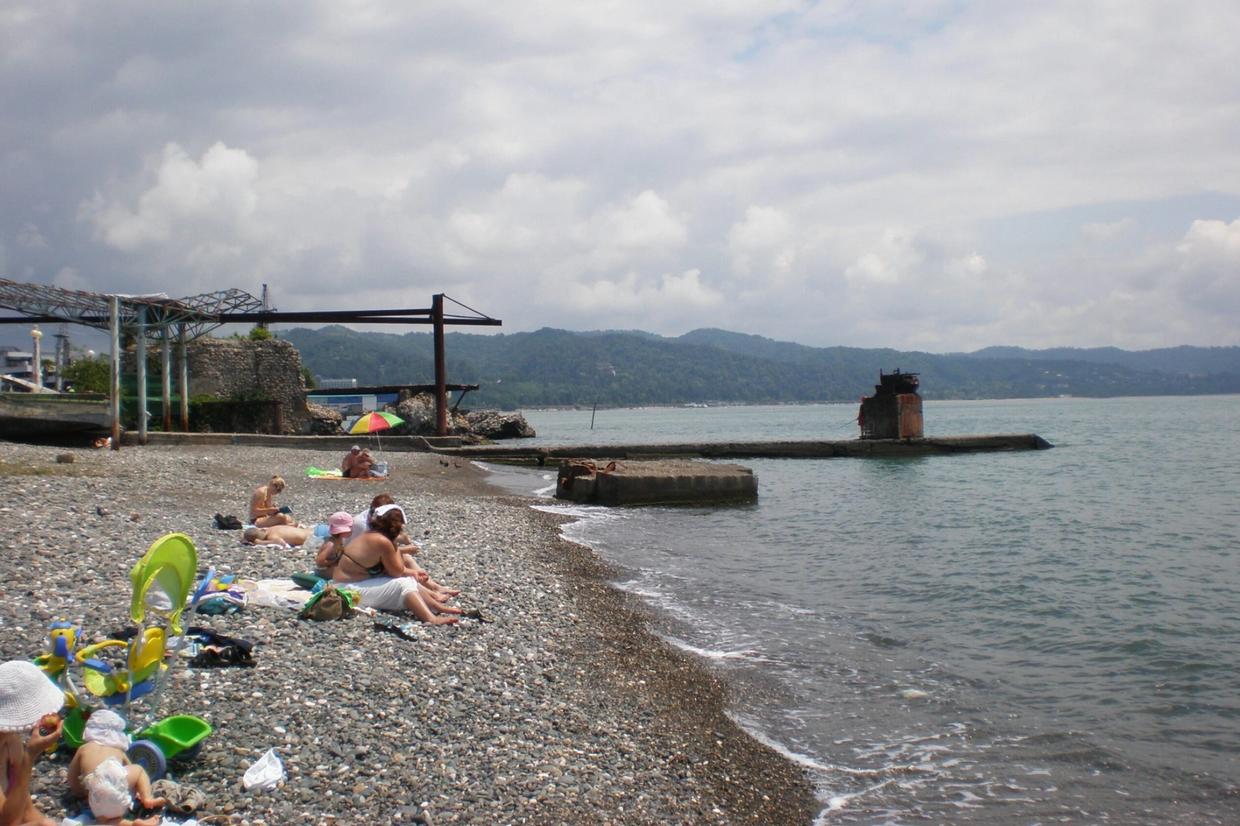
In another project being actively promoted, Team Abkhazia is working to open inclusive beaches, which the organisation argues will lead more tourists with disabilities to come to Abkhazia. But how will wheelchair users get to these beaches? There is no transportation elsewhere in Sukhumi for wheelchair users to get to these beaches and only a few shops, cafes, and restaurants are equipped with ramps.
All of these projects operate as ‘carrots’ from Russia towards Abkhazia. The promise is that if you stay in line, you will get funding to make the country better — despite the fact nothing of this nature seems to occur in reality.
The stick
At the same time, however, Russia is putting pressure on Abkhazia’s opposition members, bringing out the ‘sticks’, which are just as unspoken and as imperceptible as the aforementioned carrot.
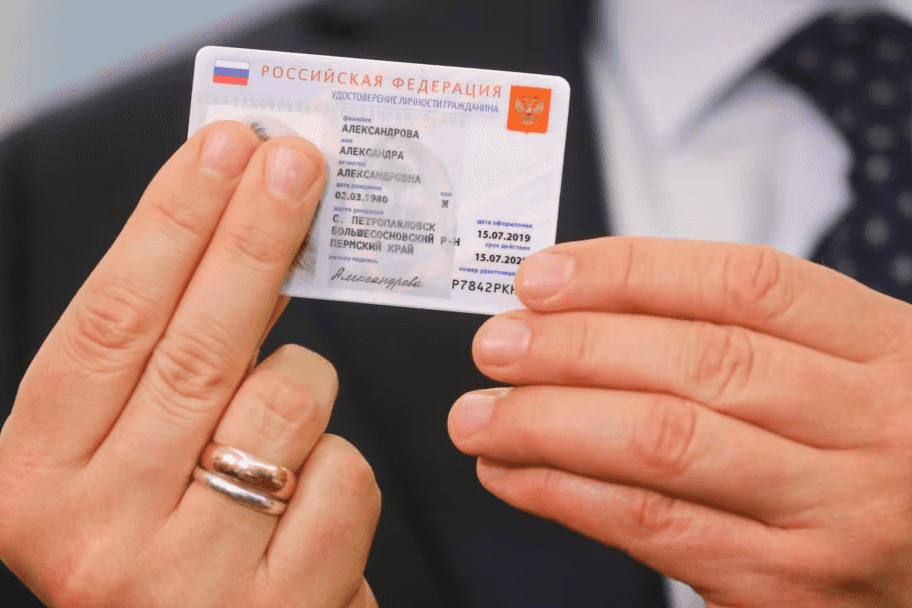
The most notable case of this pressure has been the cessation of Russian IDs being issued in Abkhazia, something social media and government-controlled Abkhazian media has portrayed as something very negative, calling it a major blow to vulnerable groups. Yet in reality, for an Abkhazian resident with Russian citizenship, a Russian ID is just a piece of paper. Without registration, that is, a residence permit, it offers no benefits.
Even with a residence permit, an Abkhazian resident is legally ineligible for the vast majority of social services. This is because all social benefits, except for old-age pensions, are only available to those citizens who reside in Russia for at least 180 days a year. Circumventing this ban can lead to fraud charges — several hundred women receiving maternity benefits have already been convicted in Russia and given suspended sentences.
OC Media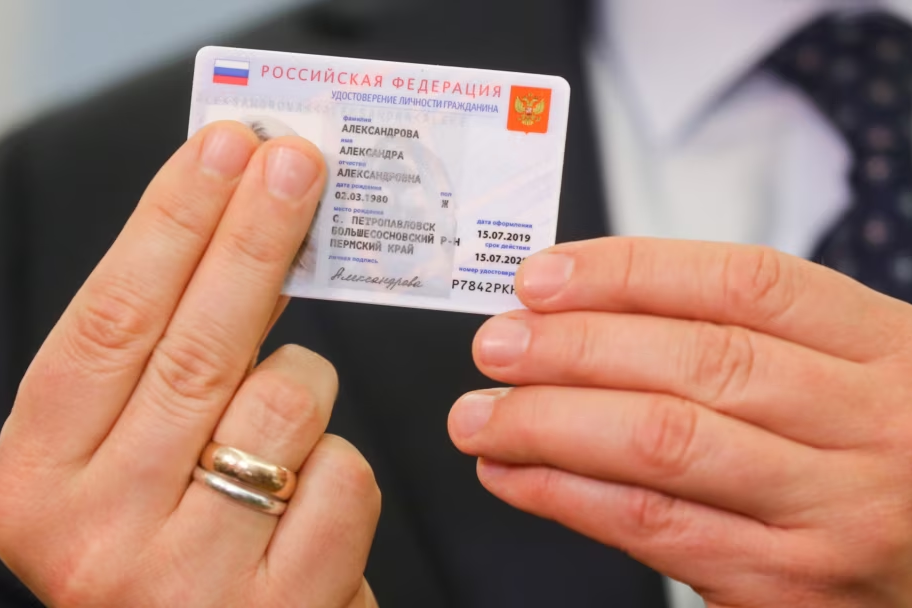
In another removal of prior benefits, starting from 1 April, all Abkhazian drivers holding Russian citizenship will be required to present a Russian driver’s licences when entering Russia — in effect, Russia has decided that the dual citizenship law does not apply in this regard. To solve this issue, distribution centres were opened in Abkhazia. However, after opposition MP Kan Kvarchiya — now under house arrest over the Team Abkhazia case — questioned the legality of this, Russia stopped the programme.
Today, these sticks are being presented as a consequence of the destructive policies of the Abkhazian opposition.
‘Obviously, this is how the parliamentary election campaign began [in 2022]. The [next parliamentary] elections are in a year, and Russia’s PR people have already begun their campaign’, one Abkhazian political observer tells OC Media.
They draw attention to the fact that anonymous Telegram channels are already posting about the current MPs ‘failing to cope’ and using the grant competitions as a method to promote new candidates.
However, despite the ‘sticks’, the analyst believes such a ‘crude approach’ will not lead to the results Russia is looking for.
‘[The Russians] completely failed in the municipal elections, and the same will happen in the parliamentary elections. It’s hard to fool people with these competitions, sanctions, and smear campaigns here. We know everyone too well here, and our connections are different. They’ll never understand that in Russia’.
For ease of reading, we choose not to use qualifiers such as ‘de facto’, ‘unrecognised’, or ‘partially recognised’ when discussing institutions or political positions within Abkhazia, Nagorno-Karabakh, and South Ossetia. This does not imply a position on their status.