What would the collapse of Iran’s regime mean for Armenia and Azerbaijan?
With limited military or economic power and a demonstrated lack of public legitimacy, sizable change in Iran’s regime seems inevitable.

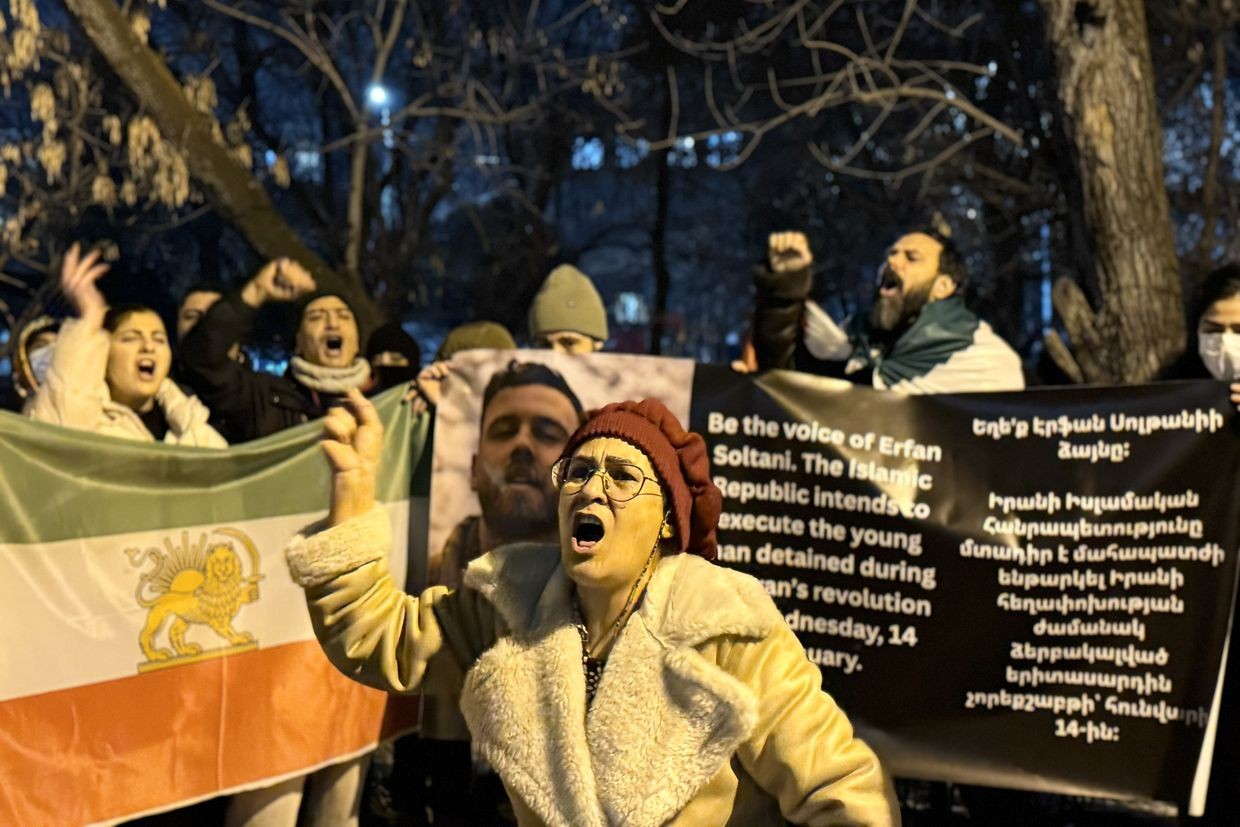
Recent weeks have seen the greatest surge in protests and violence in Iran in recent memory. While protests may have been initially sparked by economic concerns among Iran’s mercantile class, the situation has since developed rapidly into anti-regime protests seemingly threatening the Islamic Republic itself — with little consensus on what may come after.
Even if this current wave of protest fails to unseat the long-standing regime in Tehran, recent weeks have underscored the critical vulnerabilities of the Islamic Republic. Supposing the regime’s turn to mass repression proves successful for the moment, the demonstrations have still called into question its long-term viability. With Armenia and Azerbaijan on Iran’s northwestern doorstep, the fall of the Islamic Republic could spell dramatic changes for the Caucasus.
 Mikheil Gvadzabia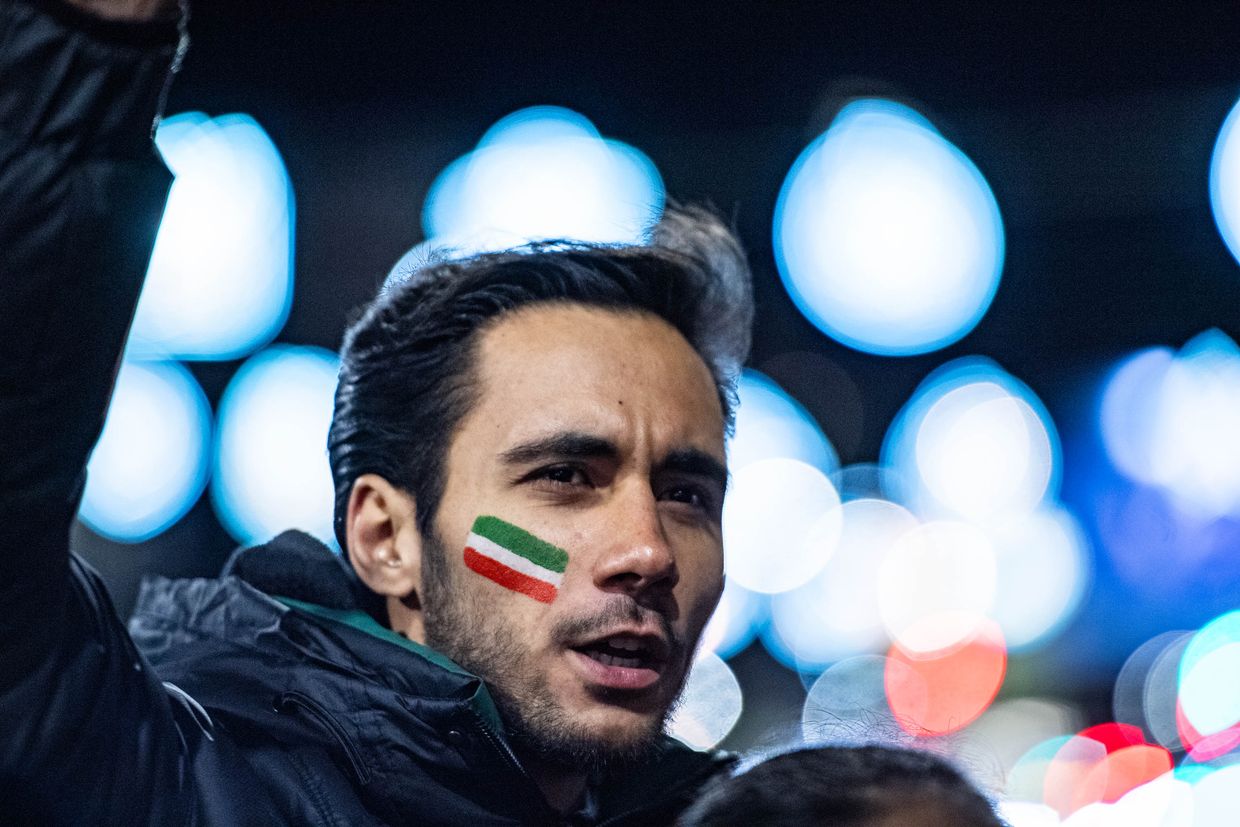
Diasporas: potential refugees and ‘Southern Azerbaijan’
Iran, a multi-ethnic country, hosts sizable ethnic Armenian and Azerbaijani minorities. While the Armenian community of Iran is likely over 100,000, ethnic Azerbaijanis in Iran make up a much more significant community, at anywhere between 10 and 25 million. At the upper end, this figure is more than double the entire population of Azerbaijan. The Iranian city of Tabriz and the surrounding area are Azerbaijani dominated, referred to in more nationalist Azerbaijani or anti-Iranian circles as ‘Southern Azerbaijan’.
The rights of Azerbaijanis in Iran has long been a contentious issue. Azerbaijani President Ilham Aliyev seemed to reference the rights of Azerbaijanis in Iran in a recent interview, saying ‘In some countries where Azerbaijanis live, there are no Azerbaijani schools. This is a great injustice and this injustice must end’.
A crisis in the Ayatollah’s regime could have drastic demographic implications for the Caucasus. With proximity and ethnic ties, both Armenia and Azerbaijan could face an influx of refugees in the event of a prolonged conflict. In June 2025, when Iran was pounded by Israeli and American bombardment for 12 days, both countries saw some Iranian nationals seeking to cross into the Caucasus. In an instructive signal, both Azerbaijani and Armenian authorities urged de-escalation during the 12-day air war.
Arshaluys Barseghyan
From a broader political perspective, violence or political disintegration in Iran would raise questions as to Yerevan and Baku’s obligations to their co-ethnics. Already, Armenia’s High Commissioner for Diaspora Affairs Zare Sinanian has raised the issue of Armenian Iranians, noting that Yerevan has lost ‘contact with our compatriots in Iran’ due to the regime shutting off Iran’s internet.
‘This worries us very much’, Sinanian said.
But with a far larger diaspora in Iran, the condition of Iranian Azerbaijanis could present a political pressure point for the Aliyev regime. Azerbaijani media has begun highlighting the deteriorating situation in Iran, while admittedly small outlets claiming to speak for Iranian Azeris have begun to echo separatist sentiments and promote secessionist content. Marginal ‘Southern Azerbaijan’ activists do appear to be allowed to operate in Azerbaijan. Aliyev himself has promoted pan-Turkic sentiments for years, and such rhetoric has natural implications concerning Iranian Azerbaijanis.
More mainstream government news agencies have yet to indulge in these kinds of ideas. Yet, the crisis in Iran is being broadly covered in Azerbaijani state media. One government-aligned outlet, Caliber, noted ‘Iranian Azerbaijan in the north-west, home to tens of millions of Azerbaijanis, could demand broad autonomy or even independence’ in the event of Iran fracturing.
Potentially also of concern in Baku would be Iran’s Talysh minority. With its own small Talysh community with a short-lived history of separatism, Azerbaijan has long been highly sensitive to even Talysh cultural activism. Iran boasts hundreds of thousands of Talysh citizens, largely in territories contiguous with Azerbaijan’s own Talysh majority district.
Aytan Farhadova
Whether in the form of migration or political pressure to protect co-ethnics, an unraveling of Iran could produce difficult challenges for Baku. Seemingly in recognition of this fact, Azerbaijan voiced concern and urged diplomacy during the June war between Israel and Iran despite longstanding security ties to Israel. Baku later pushed back on claims that Israel had used Azerbaijan as a staging ground to strike Iranian targets.
‘The key word here is instability’, Mahammad Mammadov, a lecturer and research fellow at the Topchubashov Centre in Baku, told OC Media. ‘Neither Armenia nor Azerbaijan has an interest in the collapse of the Iranian regime, an outcome that could open a geopolitical Pandora’s box’.
‘History suggests that the collapse of central authority would likely unleash powerful centrifugal forces, particularly in Iran’s peripheral regions, including along its borders with Armenia and Azerbaijan’, he added.
According to Mammadov, regime collapse would push the ‘Southern Azerbaijan’ issue into ‘uncharted territory’. On the one hand, Baku ‘could support its ethnic brethren in their struggle for rights and security. Additionally, the emerging anarchy could also ignite ethnic clashes between Azerbaijanis and Kurds in northwestern Iran, making it increasingly difficult for Baku to remain a passive observer.’ On the other hand however, Mammadov warned, actors could ‘instrumentalise the “Southern Azerbaijan” narrative in ways that would fundamentally undermine regional stability’.
Economic troubles
For both Azerbaijan and Armenia, the fall of the regime in Tehran may forecast economic setbacks. Armenia, with long-closed borders with both Turkey and Azerbaijan, has relied on its crossings with Georgia and Iran for nearly all of its trade. Official trade statistics with Iran are relatively modest for Armenia. Iran constitutes less than 1% of exports and 3.8% of imports. Per the Armenian bureau of statistics, products originating in Iran totalled close to $615 million last year.
These figures are dwarfed in contrast to Armenia’s largest trading partners, including Russia, China, and the UAE.
But with goods often making their way to Armenia through Iran, the direct impacts of regime collapse on the Armenian economy would undoubtedly be felt.
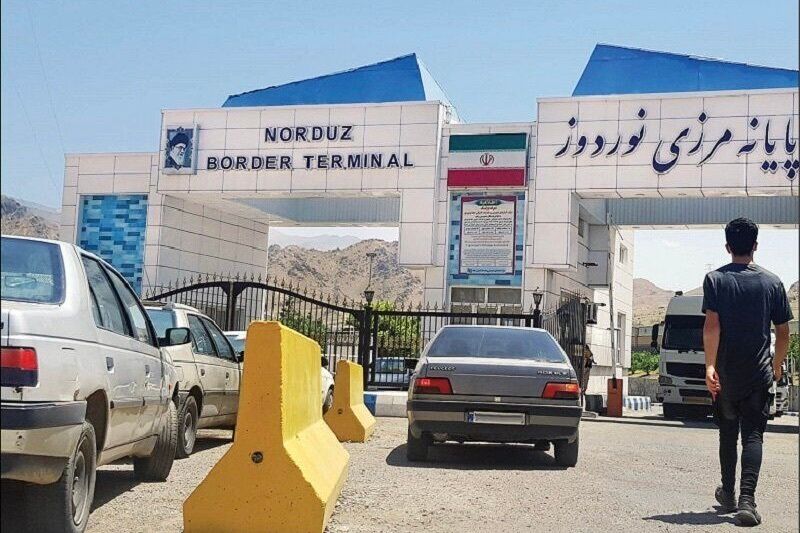
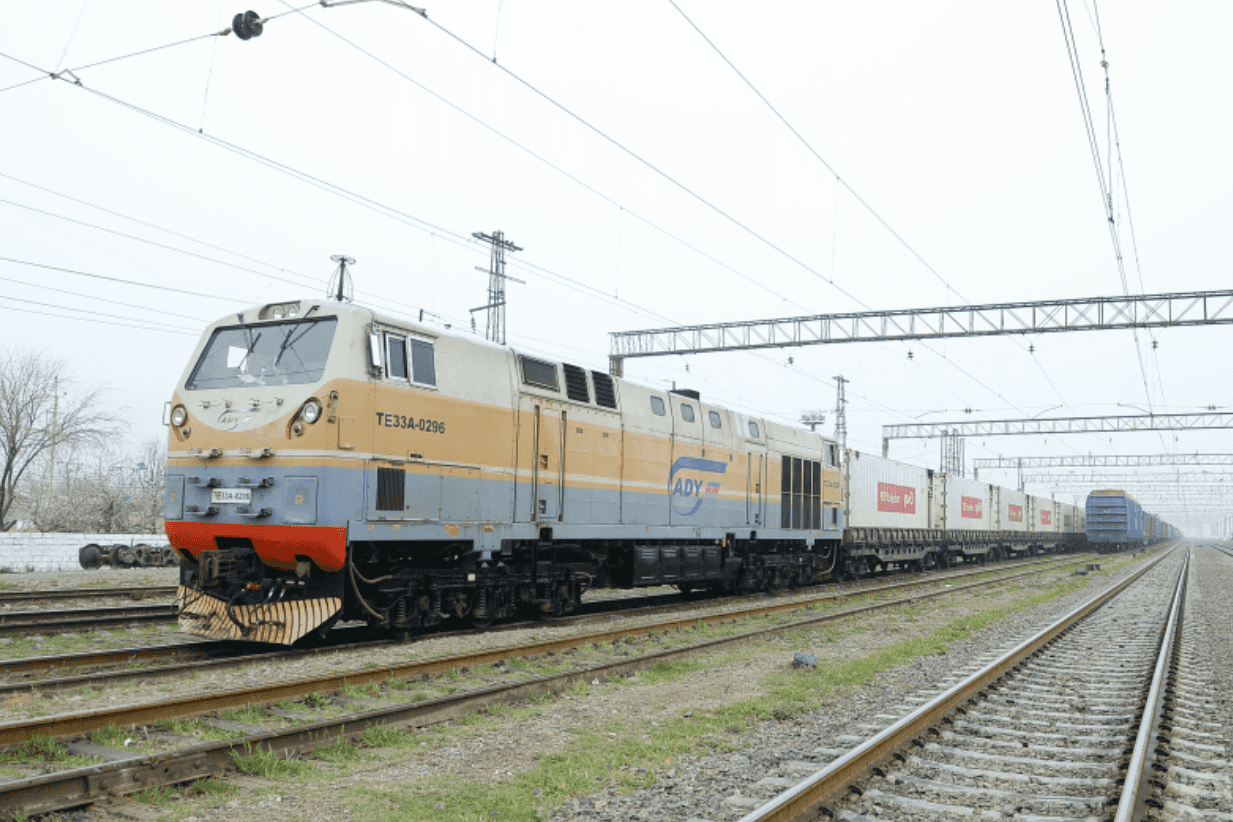
Something similar is true of Azerbaijan. Azerbaijan’s trade with Iran is limited at 3% of imports and negligible exports. Like in the case of Armenia, these figures are comparatively small, but likely obscure Iran’s role as a transit country. Azerbaijan also is wired into Iranian transit and logistics. Baku hosts a critical component of the International North-South Transit Corridor project, linking Russia to Iran and on to the Middle East and South Asia.
The corridor is also a central feature of Russia’s relations with Iran and with Azerbaijan, suggesting potential spin-out effects in regional politics if Iran suffers true state collapse.
Even Azerbaijan’s status as a connector across the Middle Corridor could conceivably be threatened by Iranian collapse.
‘Potential spillover effects will hamper the region’s efforts to emerge as a key node between the east-west and north-south corridors’, Mammadov noted.
Lastly, US President Donald Trump’s claim he would leverage 25% tariffs on any country doing business with Iran undoubtedly raised eyebrows in Yerevan and Baku. But, as is typically the case with Trump, it is unclear as to the degree to which one should take his tariff threat seriously.
Arshaluys Barseghyan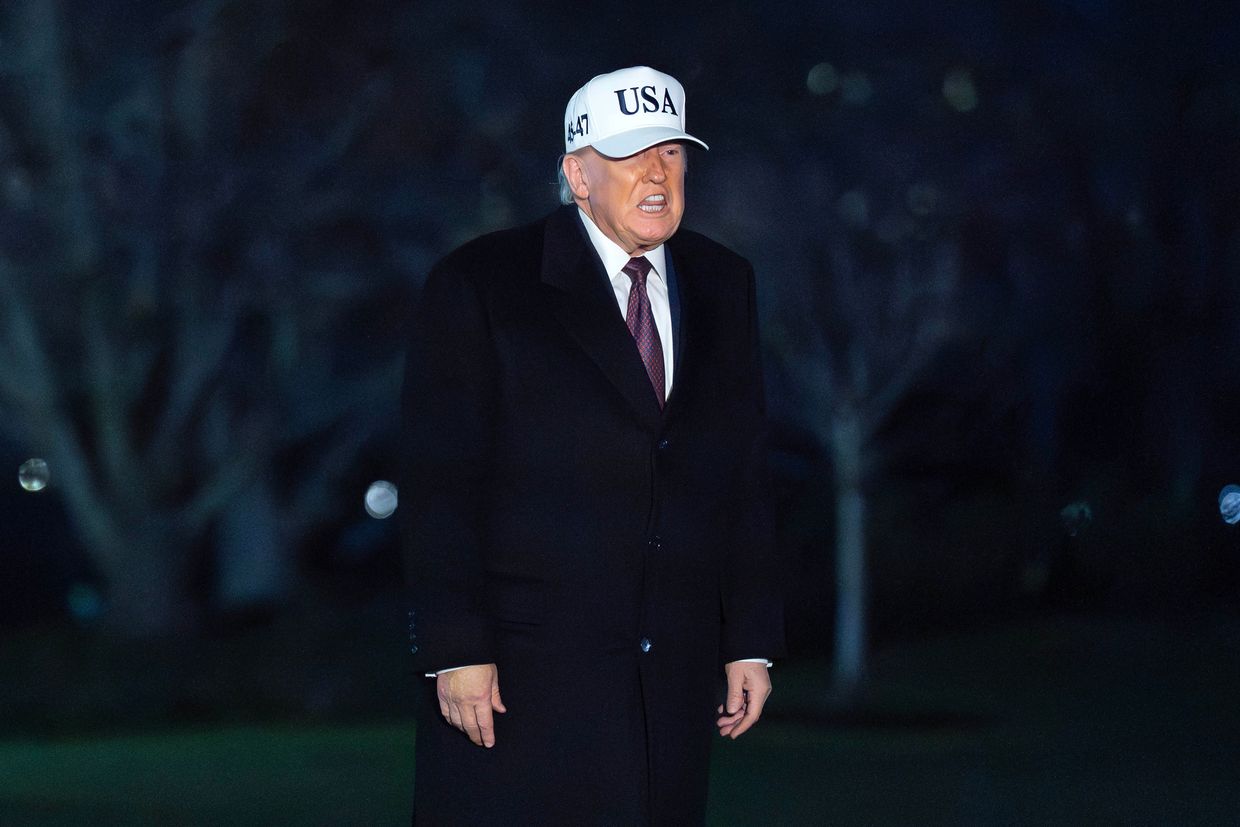
American involvement
Both Armenia and Azerbaijan are highly interested in developing ties with Washington. As the mediator which inserted itself into Azerbaijan-Armenia peacemaking to notable effect in August 2025, the Trump administration has shown a rare degree of follow-up on its projects with Armenia and Azerbaijan. The Trump Route for International Peace and Prosperity (TRIPP) is the best example of this. Just this January, US Secretary of State Marco Rubio hosted Armenian Foreign Minister Ararat Mirzoyan to hammer out the details of the U.S.-backed transit corridor.
From this perspective, a silver-lining of potential American-supported regime change in Iran could be increased US presence in the region. The US has already created a physical role for itself in Armenia by way of TRIPP and is currently building out stronger ties with Baku. For a region long defined solely in terms of its relationship to Russia, focus on Iran could bode well for South Caucasus governments eager to stay on Trump’s radar.
Arshaluys Barseghyan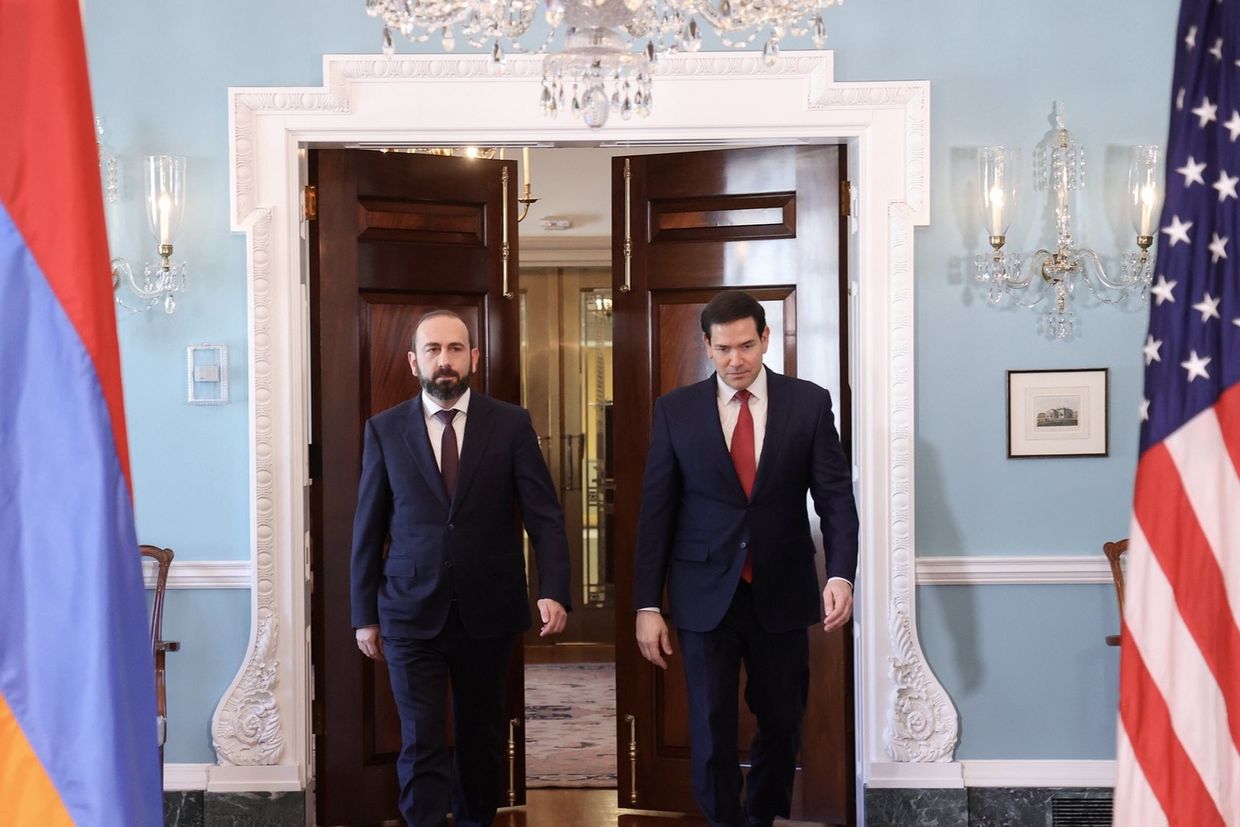
Trump has now repeatedly threatened to attack Iran should the regime continue its violent crackdown on protesters and called for new leadership. While recent reporting indicates increased hesitancy on Trump’s part, as an increasingly imperial personality, Trump’s interest in Iran could go beyond simply a spate of airstrikes. A longstanding anti-Islamic Republic consensus in the US Republican Party could well push Trump in a more hawkish and ambitious direction, as was the case with Venezuela.
A crumbling of the Iranian regime could lead to greater US involvement in Iranian industries, tapping its resources or helping in a post-Islamic Republic political reconstruction. This should not forecast a degree of nation-building akin to the years of the George W. Bush administration, however. A more useful comparison might be the US relationship with Ahmad al-Sharaa’s Syria, where US engagement and investment has been a notable factor in Syria’s rehabilitation on the world stage.
Washington’s bandwidth is stretched already, with attention on Venezuela, Greenland, Iran, and the US’s own chaotic confrontational politics. But Yerevan and Baku have both proved remarkably skilled in attracting and maintaining America’s focus. A renewed interest in Iran could join the Middle Corridor, critical minerals, and Trump’s drive for a Nobel Peace Prize in pushing greater US–South Caucasus engagement.
At the same time, the fall of the Iranian regime would mark an additional blow for Russia’s role in the broader Caspian Sea region, denying Moscow its closest partner in the region.
Yet, there are undoubtedly new risks that would come with American-backed regime change in Iran. As Mammadov argued, ‘if the collapse scenario unfolds through foreign intervention, it will further crystallise a new (dis)order where might makes right, a highly undesirable scenario for small powers of the South Caucasus’.
Yousef Bardouka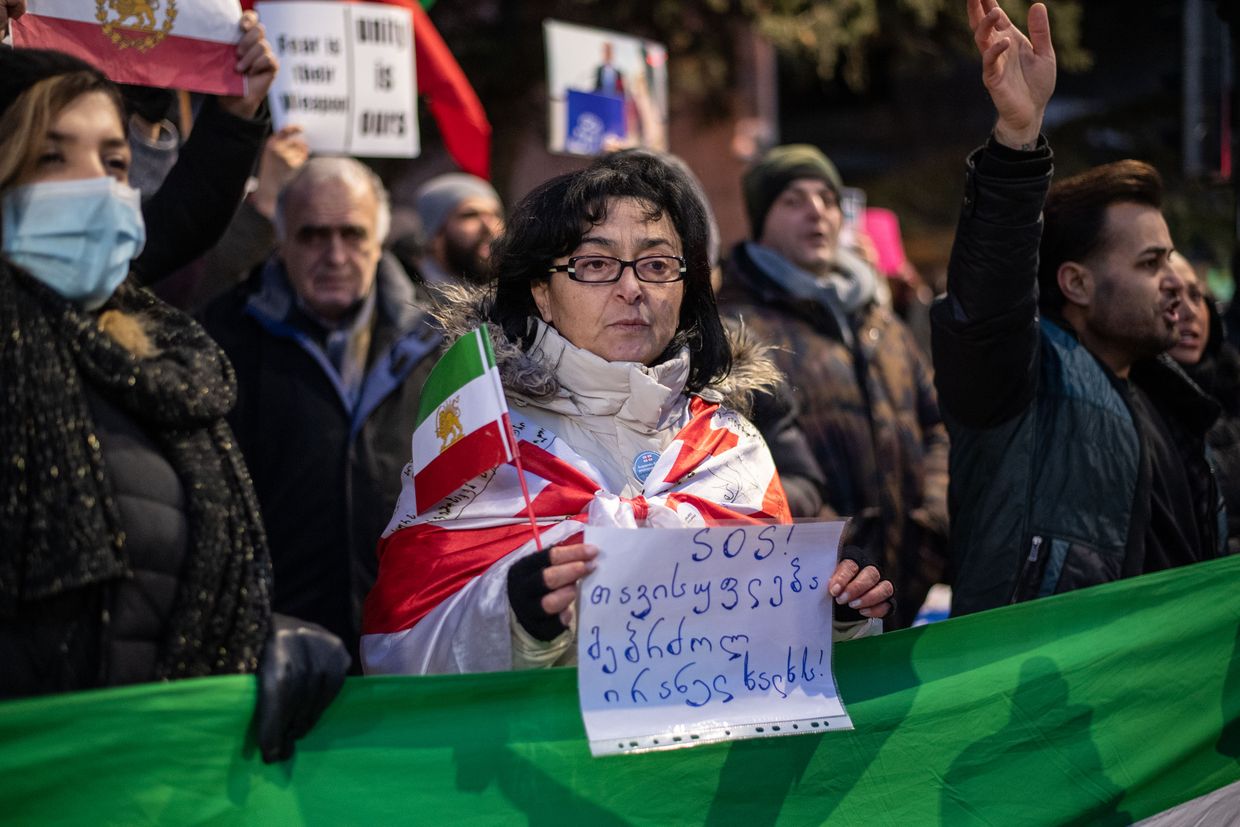
Some began to conceive of the collapse of the Islamic Republic during the 12-day confrontation between Israel, Iran, and the US in June 2025. While that bout of fighting did not result in a regime change operation, it nevertheless demonstrated the inabilities of the Islamic Republic. While the current moment’s protests do seem increasingly unlikely to overthrow the regime, they have only further underscored that the Islamic Republic’s days, at least in its current form, are likely numbered.
With limited military or economic power and a demonstrated lack of public legitimacy, sizable change in Iran’s regime seems inevitable. It is an appropriate time to begin to imagine what that will mean for the country’s immediate neighbours.
This article was translated into Russian and republished by our partner Jnews.