What’s behind the mass bird deaths along Azerbaijan’s Caspian shore?
Multiple cases of mass bird deaths have been recorded along Azerbaijan’s Caspian Sea coast, raising concerns of disease or toxic pollution.

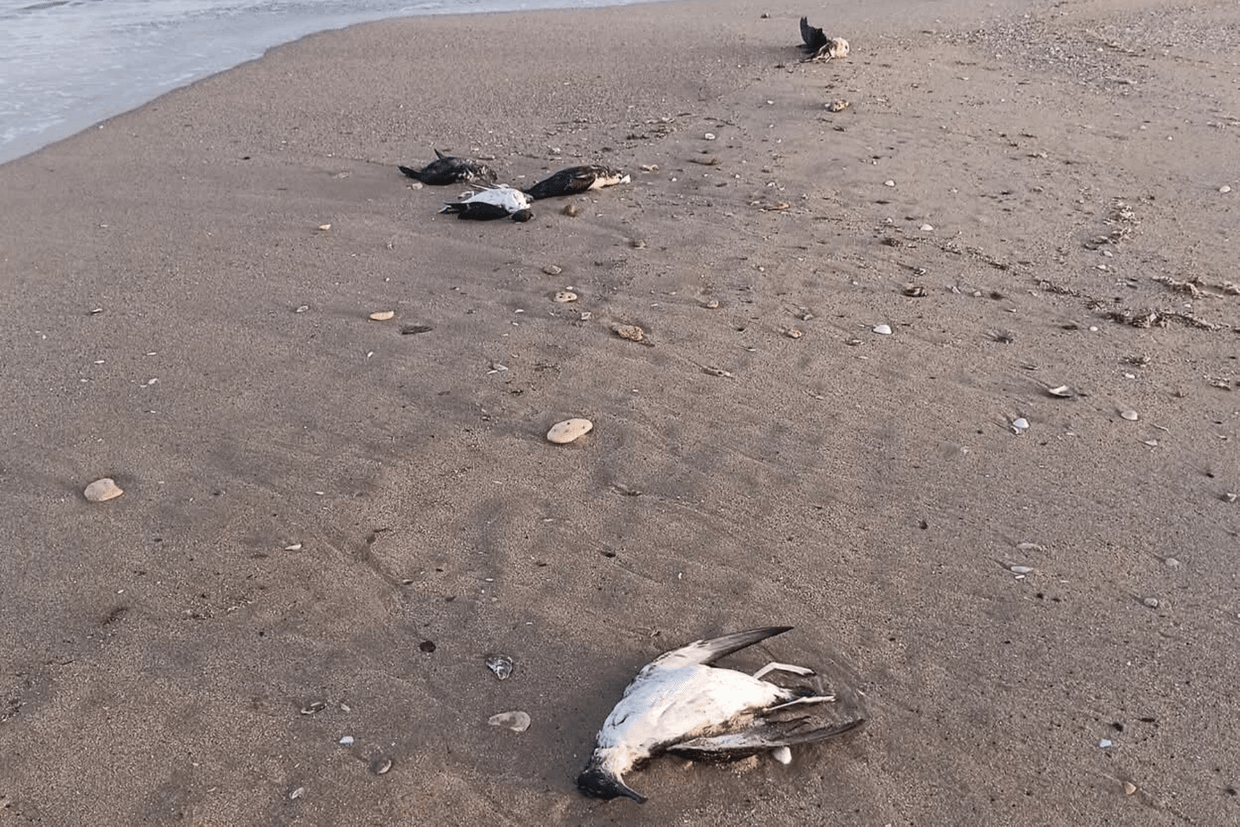
Since 22 March, the carcasses of birds have been washing up along the shores of the Caspian Sea in Azerbaijan’s southern Lankaran District.
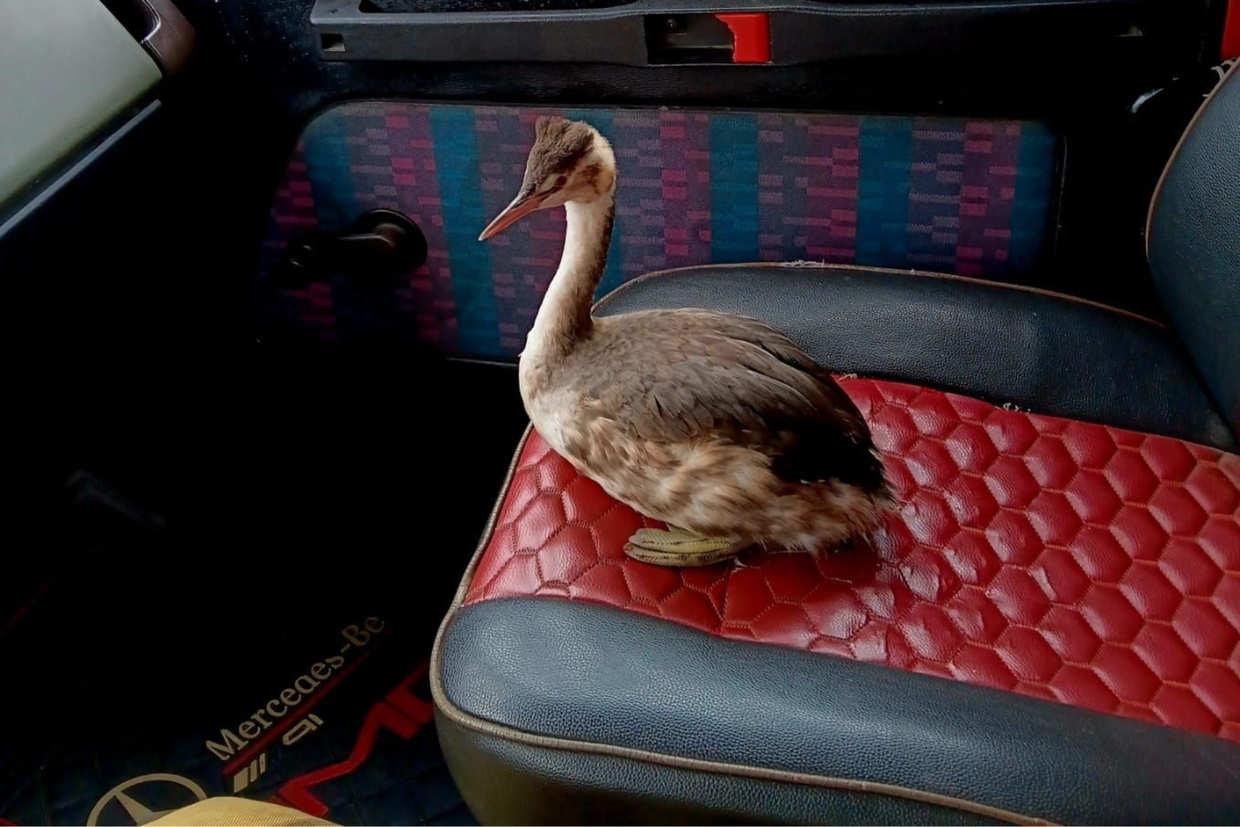
According to the state-run AzTV, most of the birds were cormorants, a species of large diving bird that emigrates to Azerbaijan annually from coastal areas in Russia, Kazakhstan, and other Central Asian countries, as well as great crested grebes, a smaller diving bird native to Azerbaijan, and mallards, or wild ducks.
This is the latest in a series of unexplained mass bird deaths along Azerbaijani shorelines in recent months, raising concern from environmental activists that the government is not paying enough attention to possible disease or pollution.
 Aytan Farhadova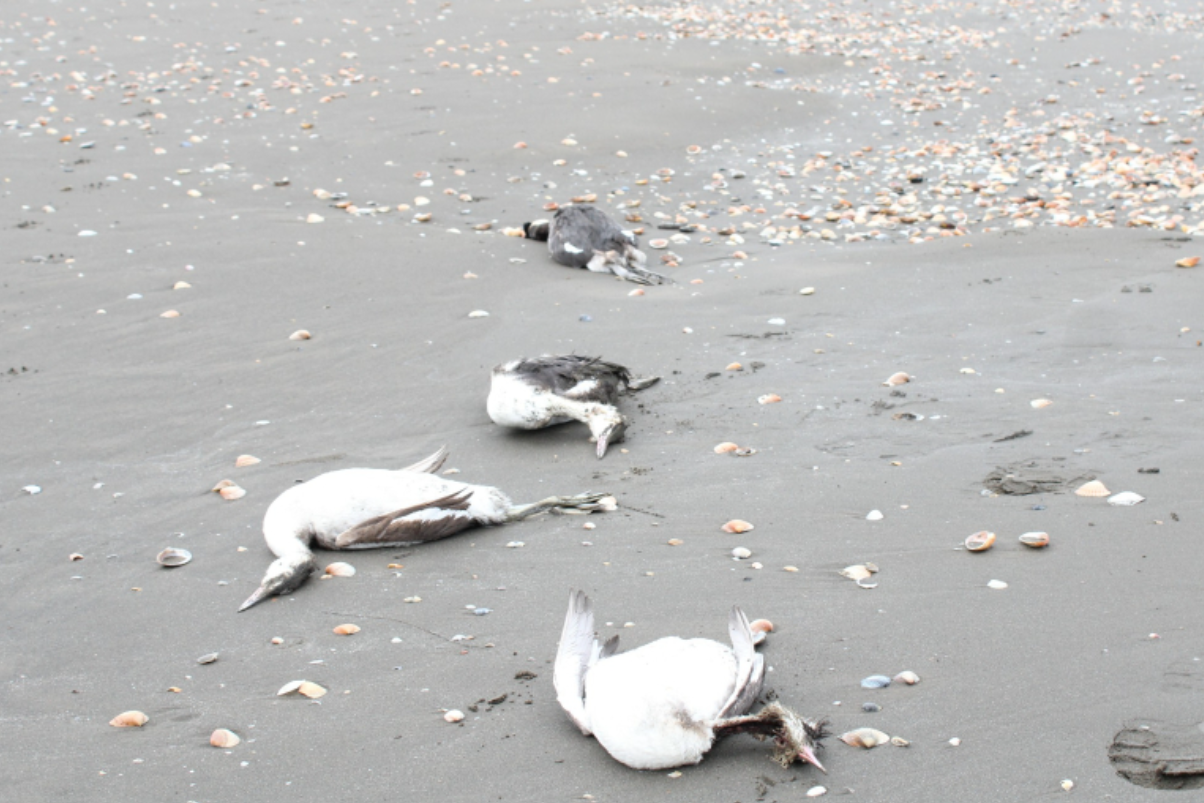
One suggestion by activists has been that the deaths are connected to those of other seabirds found along the Black Sea coasts of Bulgaria and Turkey.
‘These birds which nest on Mediterranean islands and migrate to the Black Sea for the winter, are listed as protected species in many countries’, Ecofront, an Azerbaijani conservation group, wrote on 20 March.
‘Relevant agencies are investigating the possibility of avian influenza. However, we believe there is a connection between the thousands of dead grebes in the Caspian Sea and the events unfolding in the Black Sea’, they wrote.
News of a serious strain of avian influenza was also reported in Estonian media, with ERR reporting that dead swans had been found along the beaches of Viimsi and Pirita along the Baltic Sea.
Estonian state agencies had previously revealed that bird flu had been found in local waterfowl.
Earlier in February, the Azerbaijani State Food Safety Agency took samples from bird carcasses that had washed ashore, but reported that ‘the tests revealed no specific diseases’.
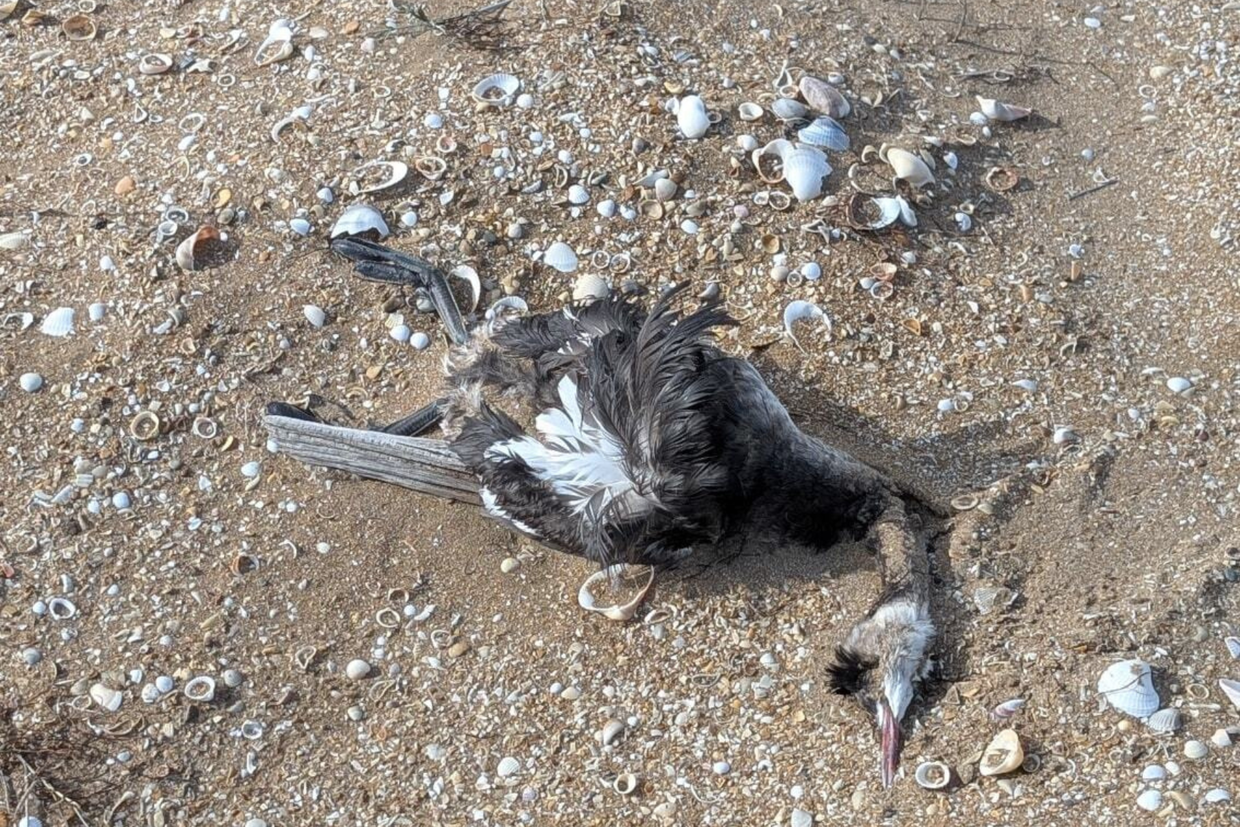
Another proposed explanation for the deaths is pollution of the local ecosystem, especially from Azerbaijan’s oil industry.
‘Pollution of the Caspian Sea and climate change could have contributed to the deaths of the migrated birds — directly and indirectly’, says Azerbaijani social activist Sara Rahimova. ‘The direct impact is that chemicals destroy birds’ feathers and impair their protective function’, Rahimova tells OC Media.
She says that during oil spills, bird feathers can become polluted with oil, and even cleaning them can carry a separate risk of poisoning.
At the same time, ‘indirectly, chemicals and heavy metals cause bird deaths through the food chain’, Rahimova says.
She stresses that due to the effects of climate change, seawater temperatures are changing, fish stocks are depleting, and it is becoming more difficult for birds to find food.
A 2025 report by Azerbaijan’s main oil sector labour union found that the discharge of ‘wastewater, other mechanical mixtures, and toxic substances’ from oil storage facilities and other locations directly into the sea was lower that year than in previous years. However, no clear data was available on the total extent of that discharge, making it difficult to assess what impact it could have had.
Indeed, the report noted that in January 2025, an offshore oil pipeline was damaged, leading to approximately 1,000 cubic metres of oil spilling into the sea.
In July that year, 28 oil slicks were detected in the Caspian Sea which covered a total of 25 square kilometres. Three oil slicks covering a total of 1.3 square kilometres were found in Azerbaijan’s Caspian Sea territory.
‘The persistent presence of such pollution every month is a death sentence for the sea’, Save the Caspian Sea founder Vadim Ni stated in a press release at the time. ‘This is not about isolated incidents — it’s a consistent threat to the ecosystem, one that still lacks a coordinated response from government authorities’.
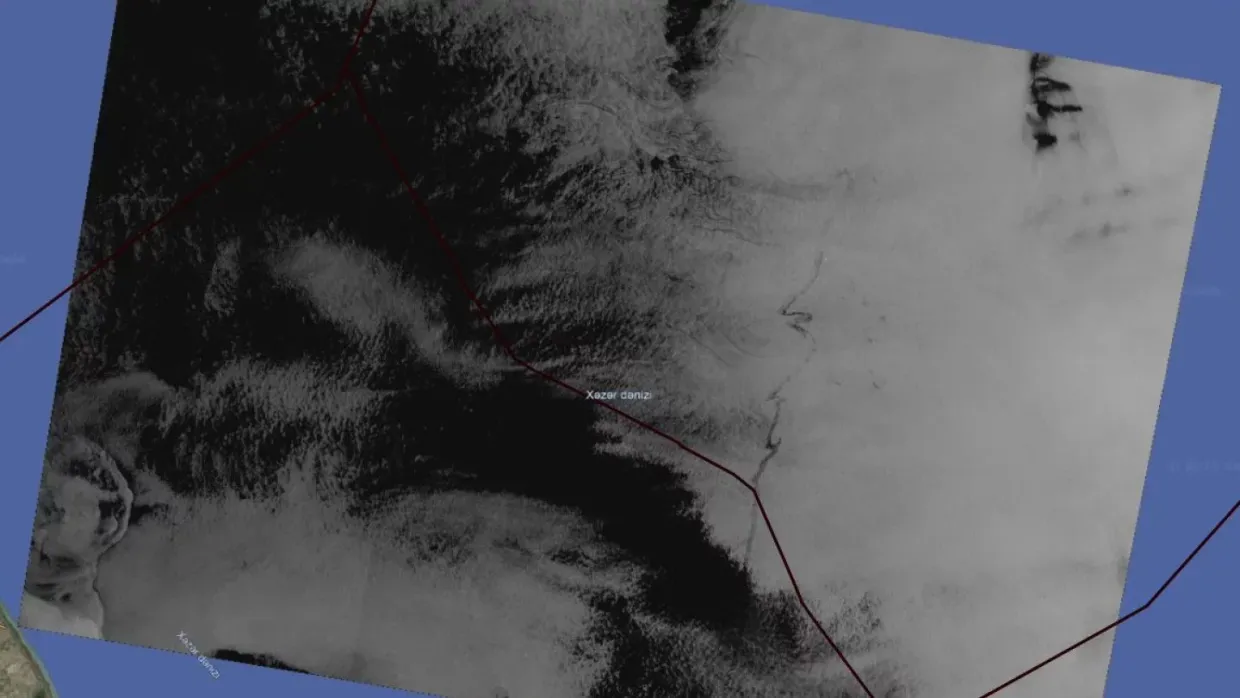
Researchers have shown that many spills go unreported, with the number and size only discovered later through satellite imagery, or impacts to the ecosystem that cannot be ignored.
Like Rahimova, Ecofront similarly highlighted that the bird deaths were a ‘serious signal from the ecosystem’.
‘Under normal conditions, the survival rate of adult greater grebes is high, approximately 75%. In other words, the mass death of adult birds is not a normal natural loss, but most likely the result of disease, poisoning, or a localised environmental issue’, Ecofront wrote on social media.
‘This issue requires a serious investigation! If necessary, foreign experts should be invited, as there appears to be no satisfactory explanation’.
No state agencies have yet commented on the mass bird death.