Why Georgia’s most vocal university now faces the biggest cuts
Reforms that would slash Ilia State University’s student intake by 92% have sparked protests and raised concerns the cuts target a vocal critic.
In October 2025, the Georgian government announced a sweeping education reform that would radically change the way higher education functions in Georgia — instead of a competitive system, universities would follow the ‘One City, One Faculty’ principle, redistributing entire fields of study between 19 public universities across the country.
When the specific faculty distribution and student quotas were made public, there was one university that stood out, having been cut dramatically in comparison to the rest — Ilia State University (ISU). ISU saw student numbers slashed by 92%, down from 3,000 students per year to only 300. ISU’s programmes, previously numbering more than 50 Bachelor degrees and 40 Masters and PhD programmes across four faculties, will now be reduced to only Pedagogy and some ABET-accredited STEM programmes, such as applied science, computing, and engineering.
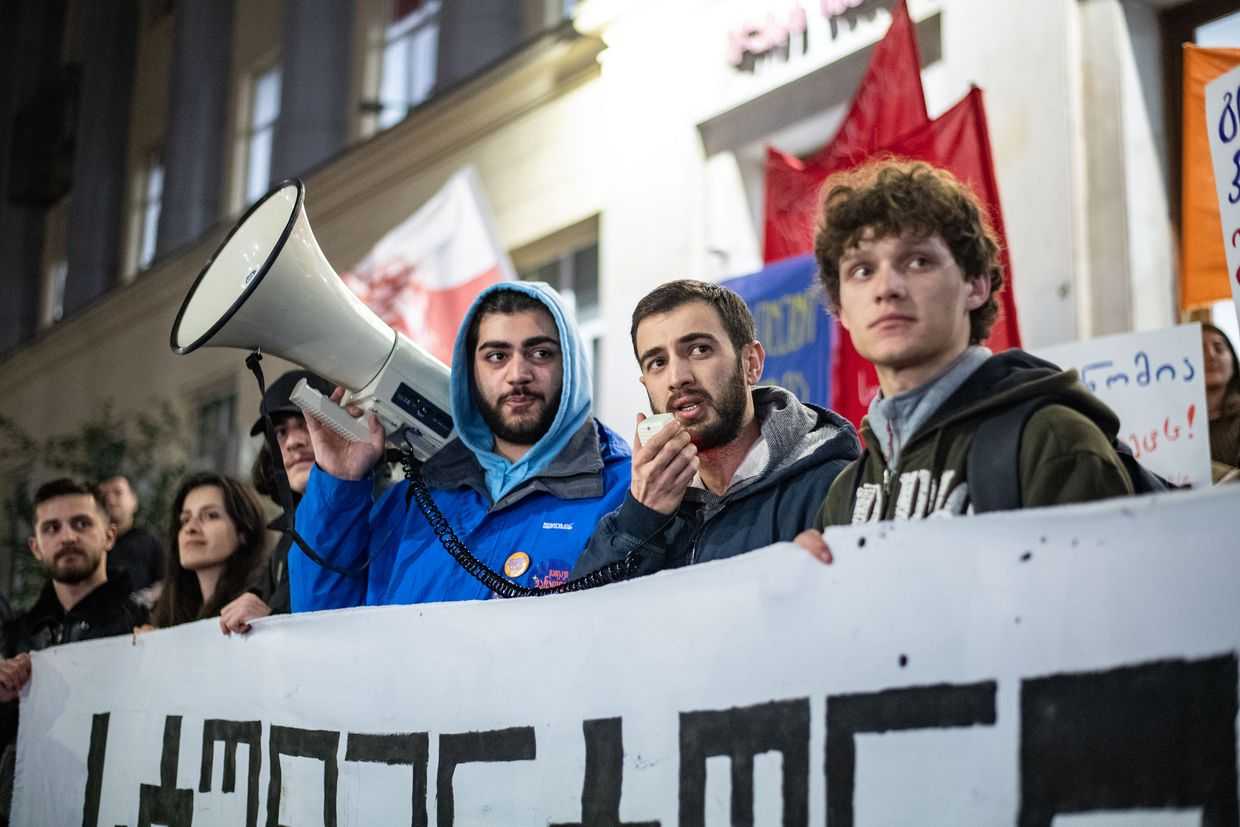
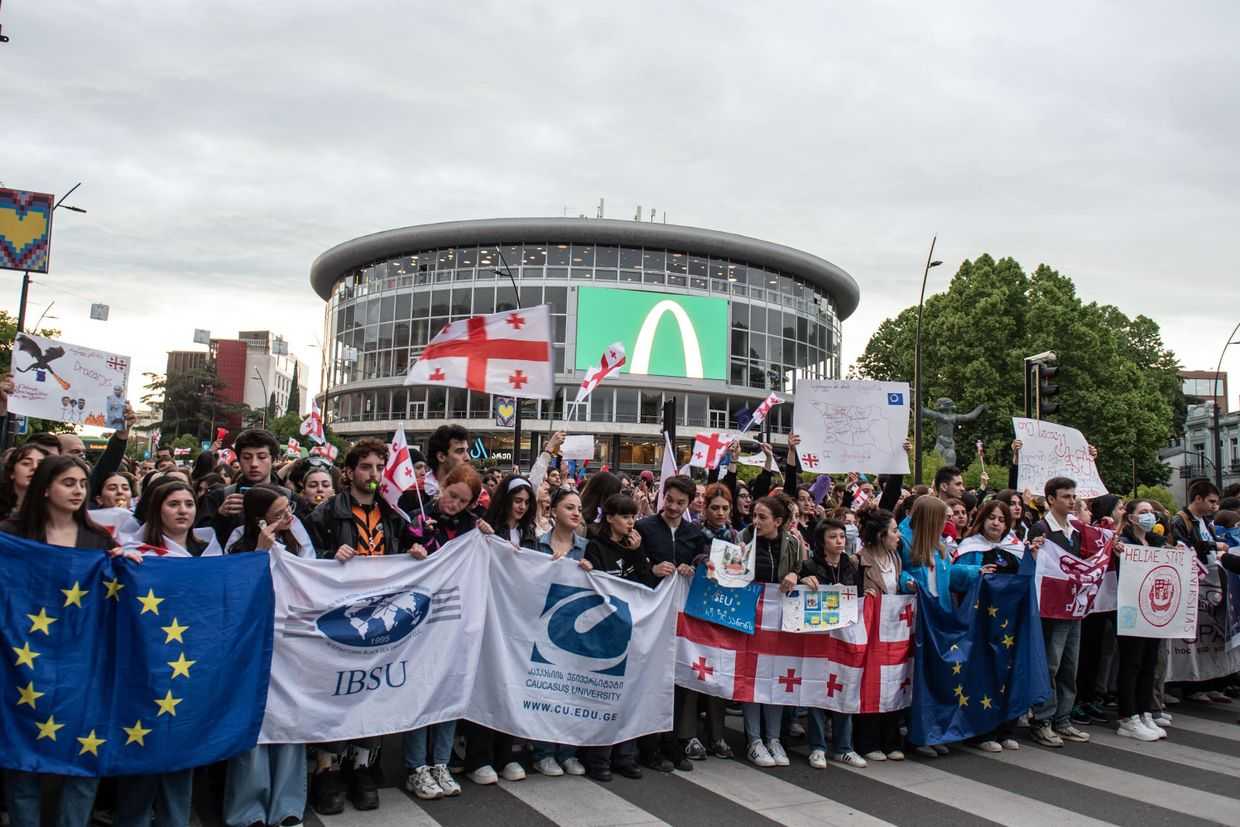
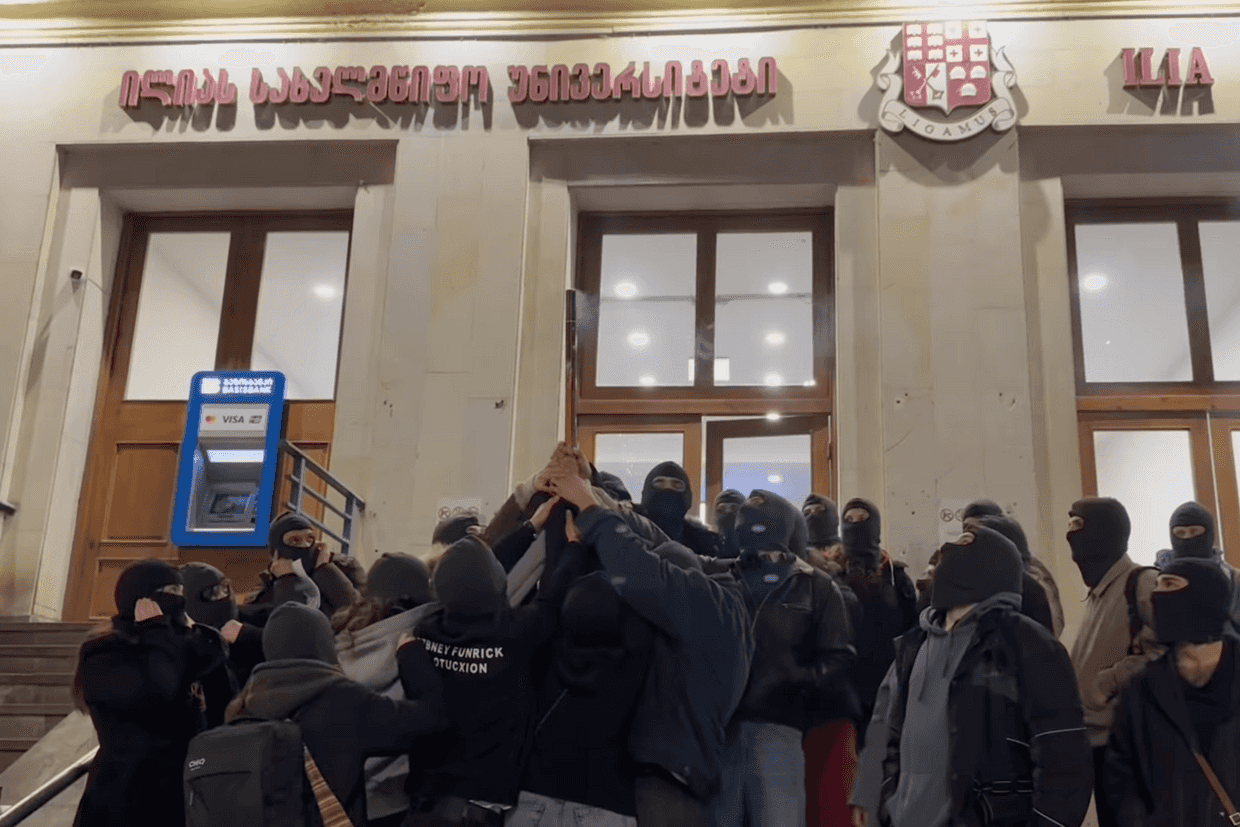
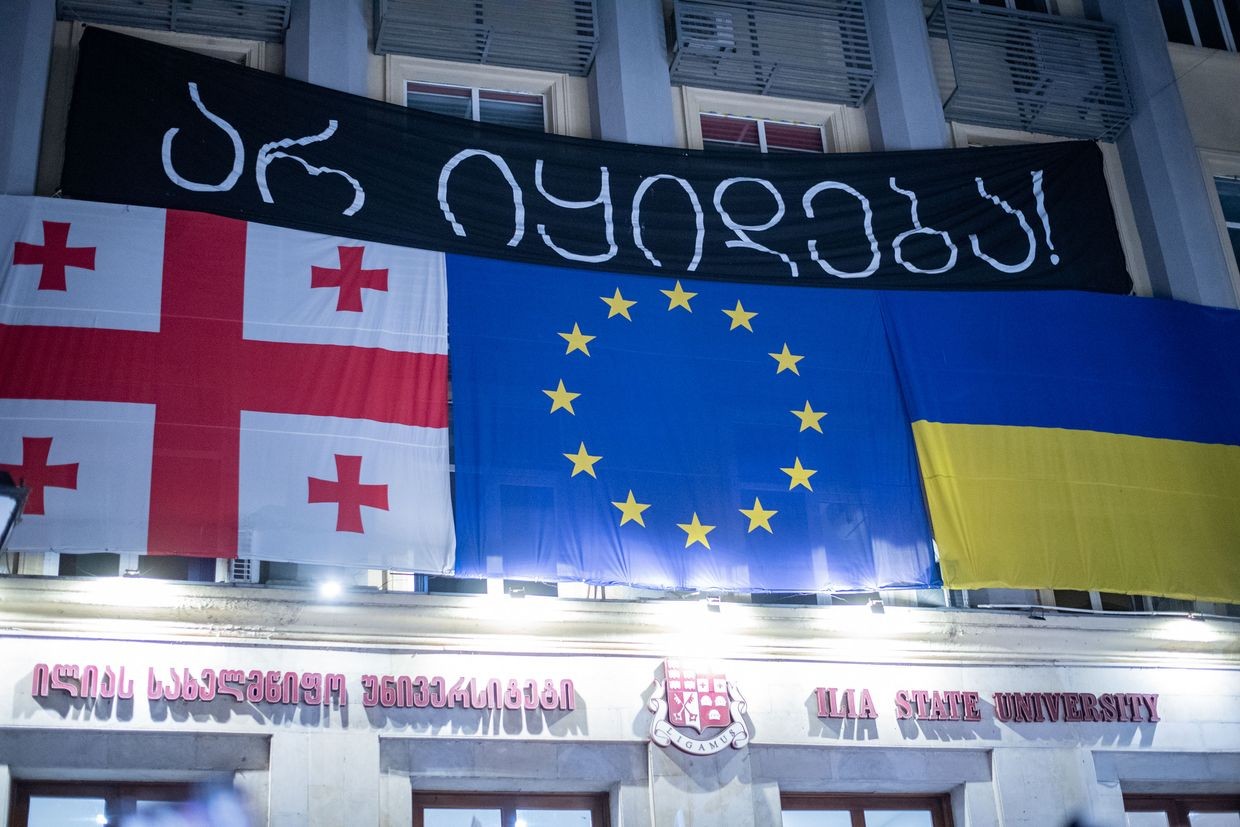
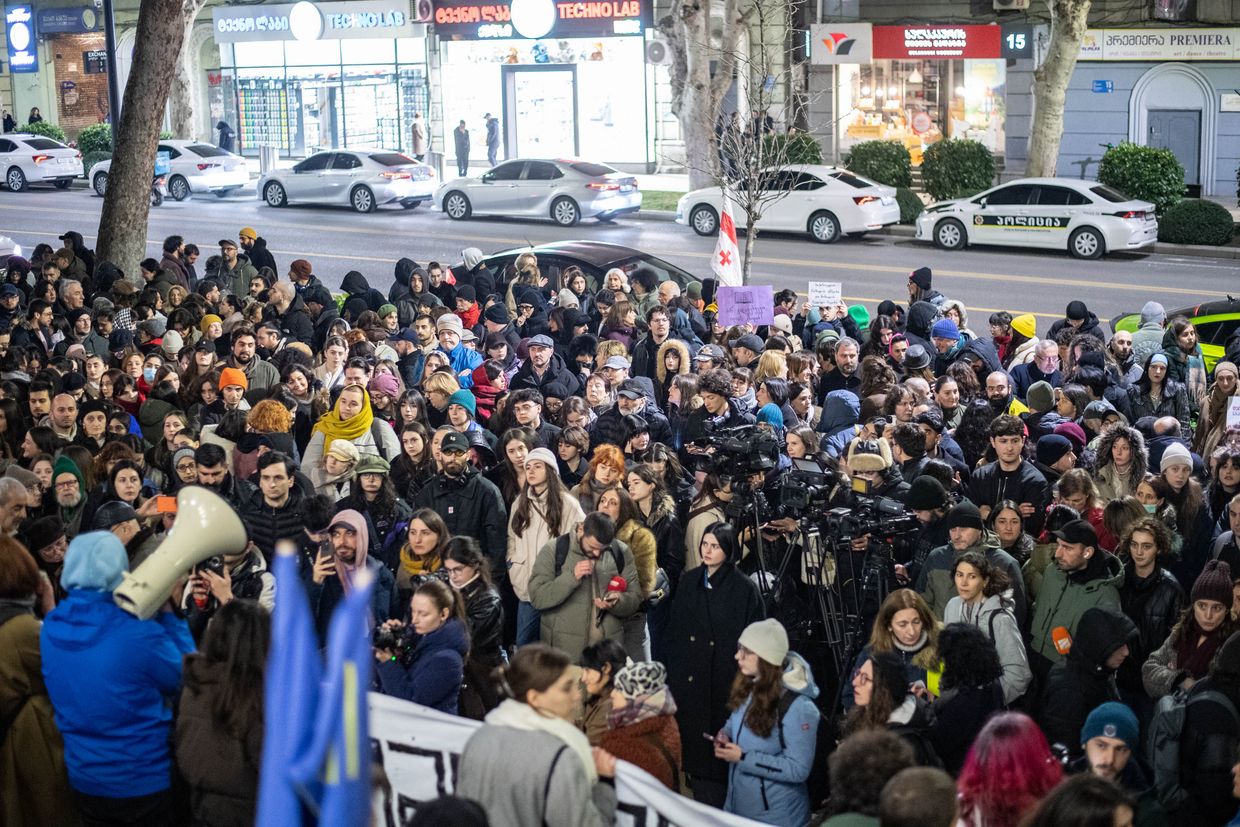
The decision caused immediate backlash, as students organised protests and ISU’s governing bodies released a statement demanding the decree be revoked, calling for a meeting with the decision-makers.
The reform that contradicts itself
The ‘One City, One Faculty’ reform sparked debate from its initial announcement, with many questioning why the government had decided to take on education reform in such a heavy-handed way, and with minimal consultation with education experts.
Indeed, of the 15 officials making up the committee in charge of preparing the reform, only three were directly involved in the education sector: Education Minister Givi Mikanadze; the prime minister’s education advisor, Levan Izoria; and chair of the Education, Science, and Youth Affairs parliamentary committee Mariam Lashkhi.
The concept was outlined in a four-page document, in which the government laid out what it believed were the key problems with the current system: an overconcentration of resources in the capital, a weak link between study and research, a mismatch between labour market demands and student quotas, and ‘duplicated’ faculties across the system. The concept note also criticised universities’ infrastructure as unfit for students and in need of renovation.
Redistributing faculties and determining the exact student quota, the government claimed, would fix these problems. But the specific plans for the reform’s implementation already show a mismatch between the concept note and reality, with ISU offering direct counterpoints.
 Mikheil Gvadzabia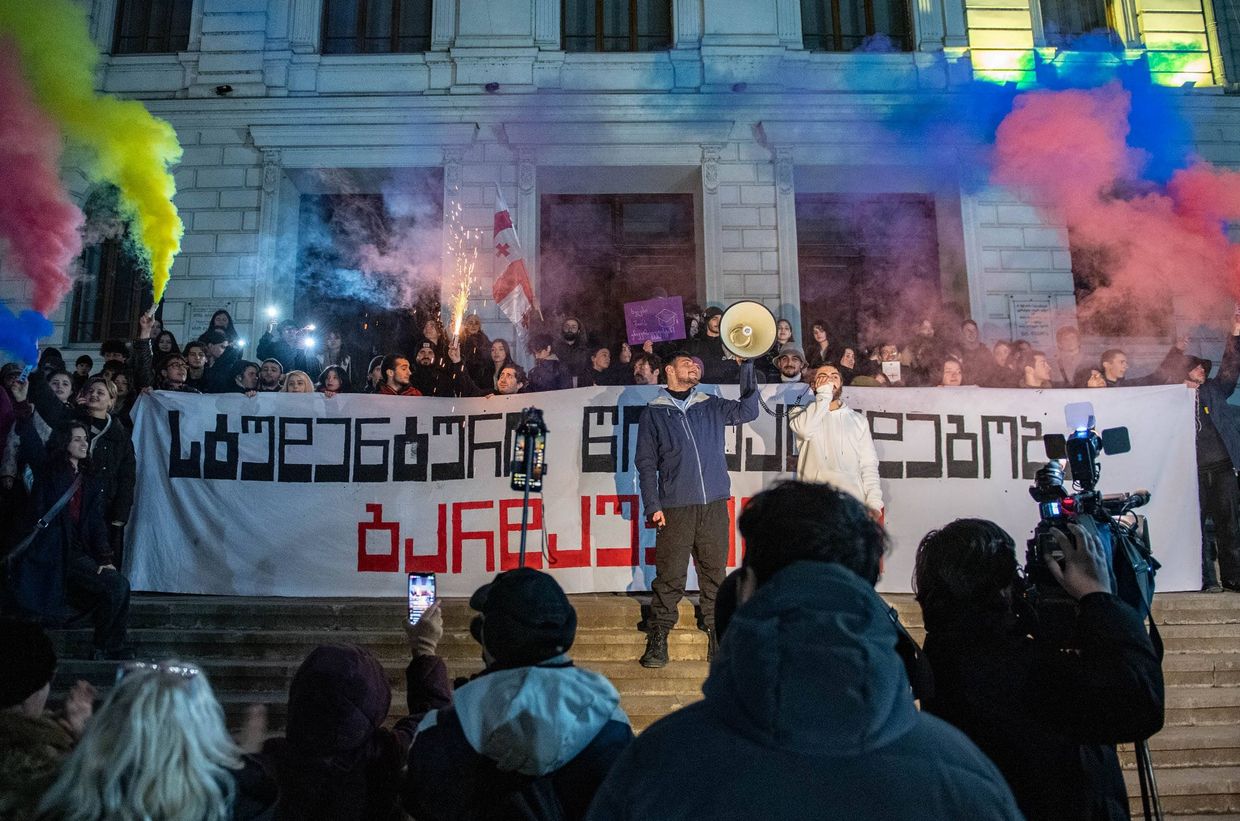
A labour market study by Keti Tsotniashvili, an education policy specialist and associate professor at ISU who teaches this programme, identified a significant and expanding potential for employment within the higher education sector. Yet, she says, it does not seem this research was taken into consideration when distributing quotas.
‘No one has visited universities and asked for the postgraduate employment data, at least from us’, Tsotniashvili tells OC Media. ‘Meanwhile, we have programmes with a 100% employment rate.’
The Economy Ministry’s own analysis of the labour market is available as a 12-slide presentation, which summarises two documents: a survey for enterprise demand skills for the last eight years, with 12,500 businesses participating in 2025; and a public sector labour demand survey from November–December 2025. It also includes a five-year forecast of the labour market by Cambridge Econometrics.
In the report, the government uses a ‘matching’ scheme to align international professional classifications (ISCO 2008) with educational fields. It compares how many students enter a field to how many jobs are expected, while also comparing the number of people actually finishing their degrees against annual job openings, looking for ‘imbalances’ in both. For example, the analysis identifies a massive surplus of Law specialists (+1,369) and a shortage of nurses (-977). By restricting enrollment in ‘surplus’ fields, the state aims to redirect human capital toward ‘deficit’ areas identified by its macroeconomic model. While it relies on an average 6% economic growth rate, the model is also reacting to the present-day challenges and does not take into account that graduates often apply skills in ‘non-matching’ but related sectors.
Mikheil Gvadzabia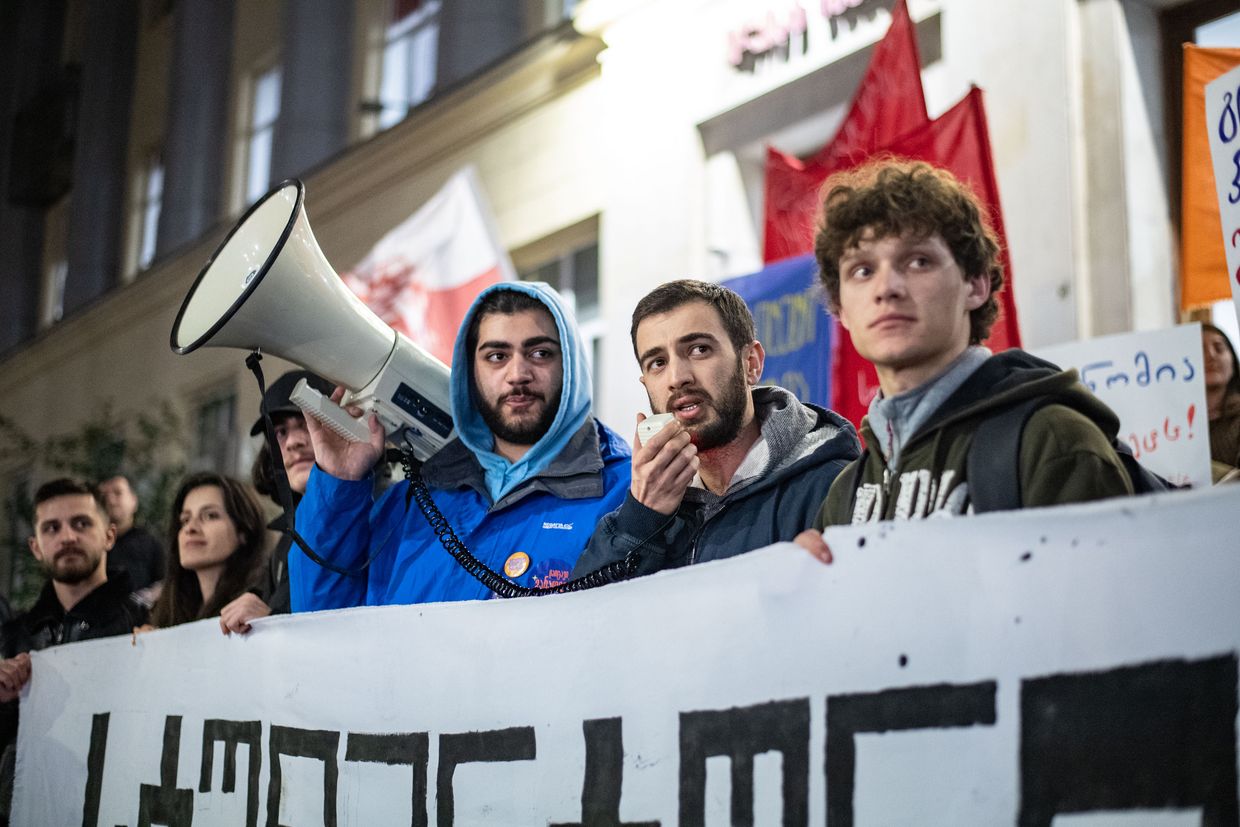
Tsotniashvili confirms that providing a workforce for the labour market is one of the jobs of universities, but sees significant omissions in the government’s analysis. According to her, the document does not cover all the competencies that university has to offer, and ignores the employment rate that each university has.
‘If we perform better than another university with a similar programme, then it’s unfair to take this programme away from us’, she says.
Research at risk
Ilia State University was founded in 2006 after the merger of six institutes, including those related to pedagogy and foreign languages. The university’s mission at the time was clear: to bring research back into the university, so students could base their papers on hands-on study.
‘At the time this university was founded, most of the research groups worked in the Academy of Sciences, and were disconnected from the study process’, says Elene Zhuravliova, the dean of ISU’s Faculty of Natural Sciences.
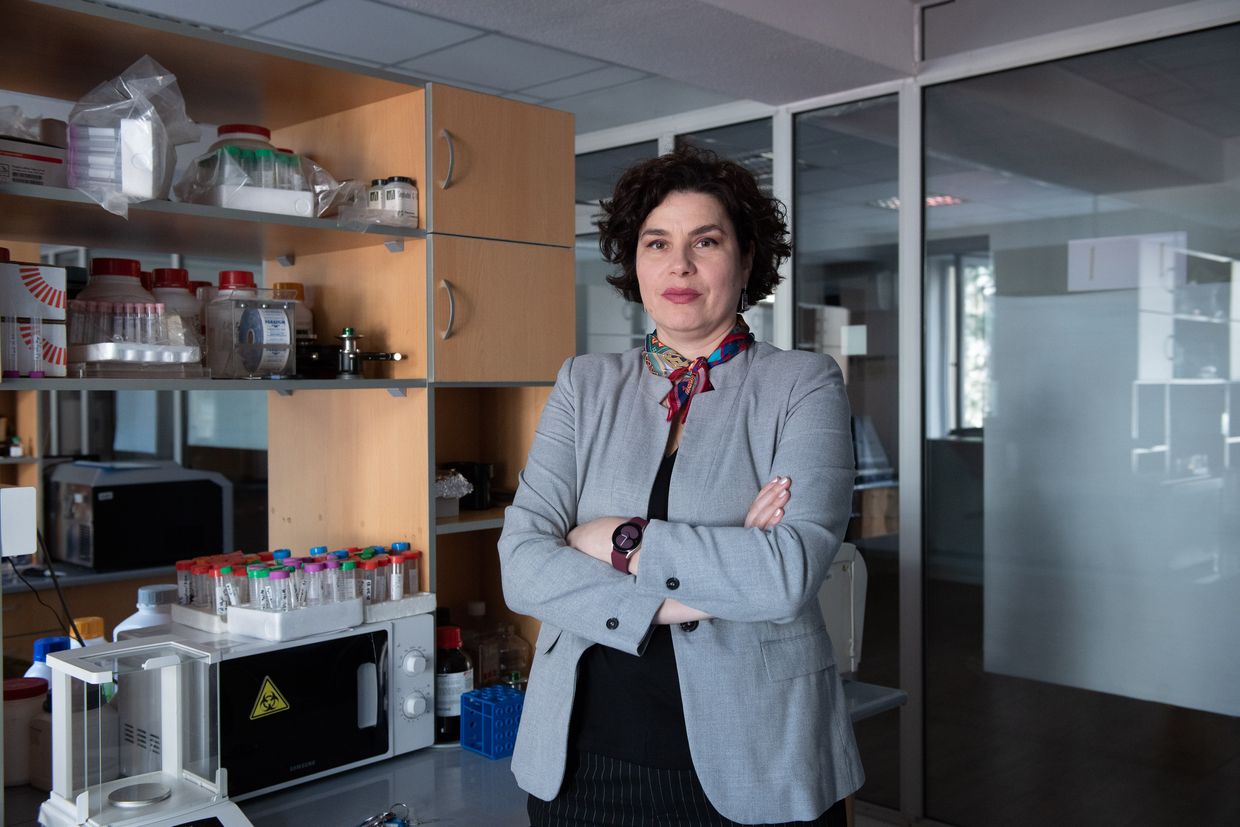
Zhuravliova was first recruited as a young scientist when ISU was created. ‘The logic behind this university was to unite the two, which is exactly what the reform mentions.’
To achieve this, the university invested in setting up labs and sought international partners, as well as made its PhD programmes free to attract talent. The strategy worked — according to Scopus, a system tracking scientific literature and its citation impact, publications from Georgia have grown steadily over the last 20 years, with many coming from ISU.
‘When we think about science, it is new knowledge created somewhere, through research that is followed by the publication of the data. When it’s cited, it means that your paper had an impact on the overall development of science’, David Tarkhnishvili, a Full Professor in Evolutionary Biology and Ecology, tells OC Media.
‘This is more important than any master’s or doctoral degree obtained in Georgia. A person who publishes their work is known by the professional community all over the world, and they start doing this from a very early age; they are co-authors from the age of 20’, he emphasises.
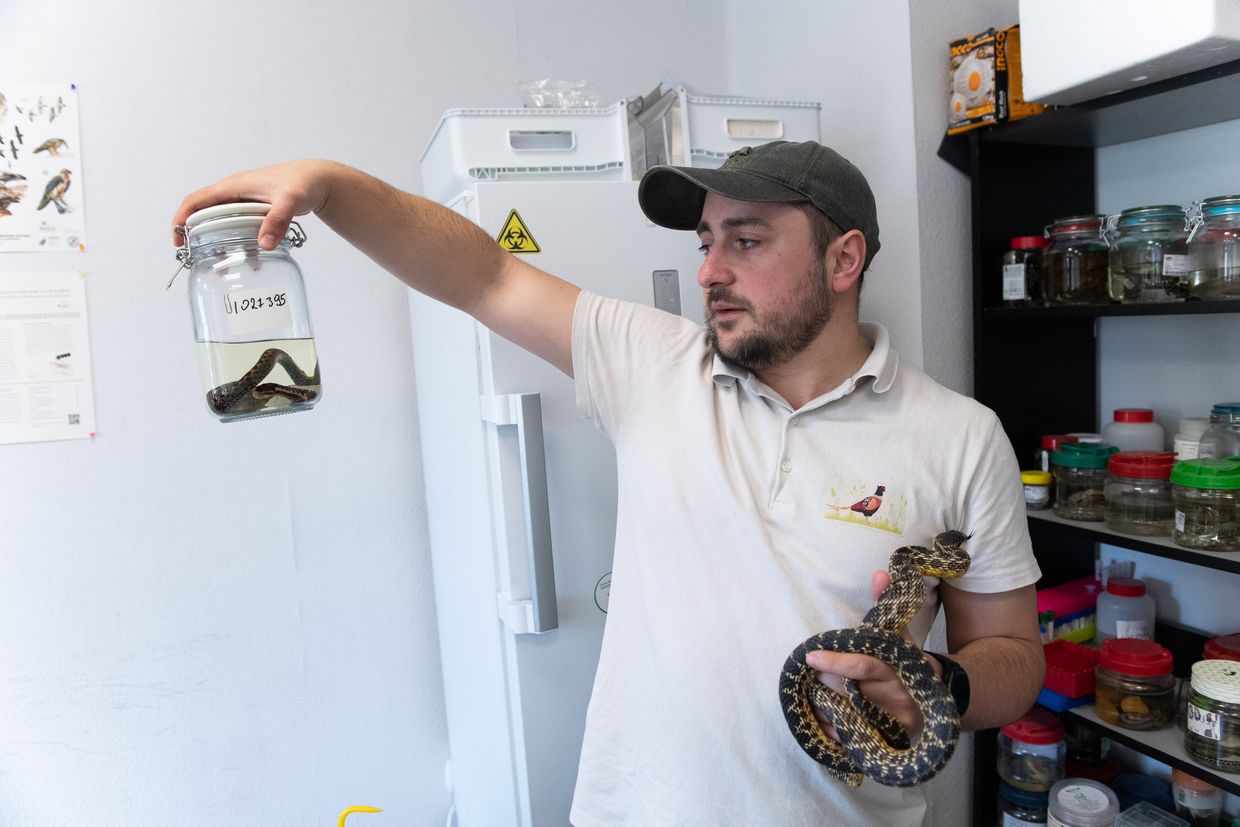
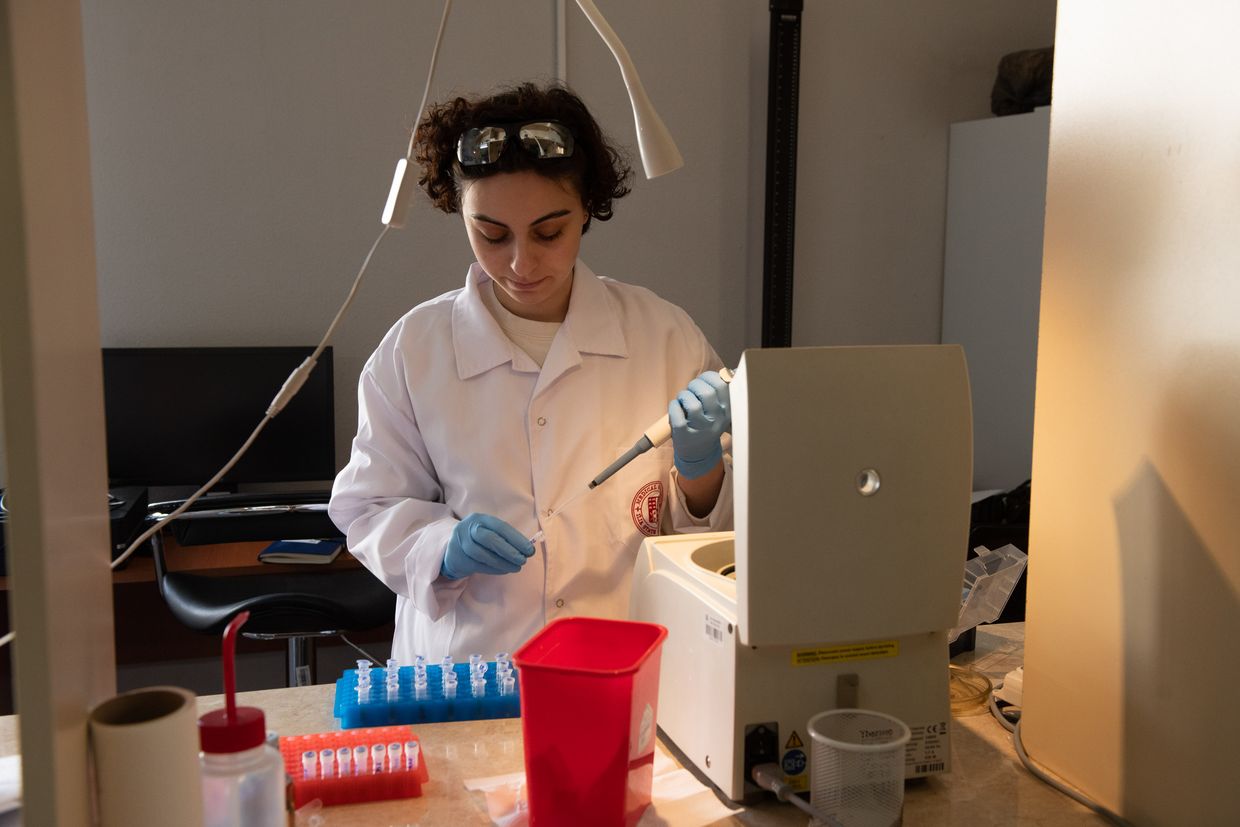
Tarkhnishvili says he is greatly concerned by the reforms, which he believes will cut these opportunities. Indeed, most programmes within the Faculty of Natural Sciences and Medicine will be cut, including unique programmes and programmes with complex lab equipment, such as molecular biology and biochemistry, nutritional and food science, zoology, and astrophysics.
Currently, ISU partners with the National Centres for Disease Control and Prevention to study human diseases, as well as operates a lab that studies diseases spread by migratory animals. All these labs are operated by students under the supervision of senior academic personnel. The university also runs the German state-funded Caucasus Barcode of Life, a publicly available database of animal and plant species DNA, important internationally due to Georgia’s high biodiversity.
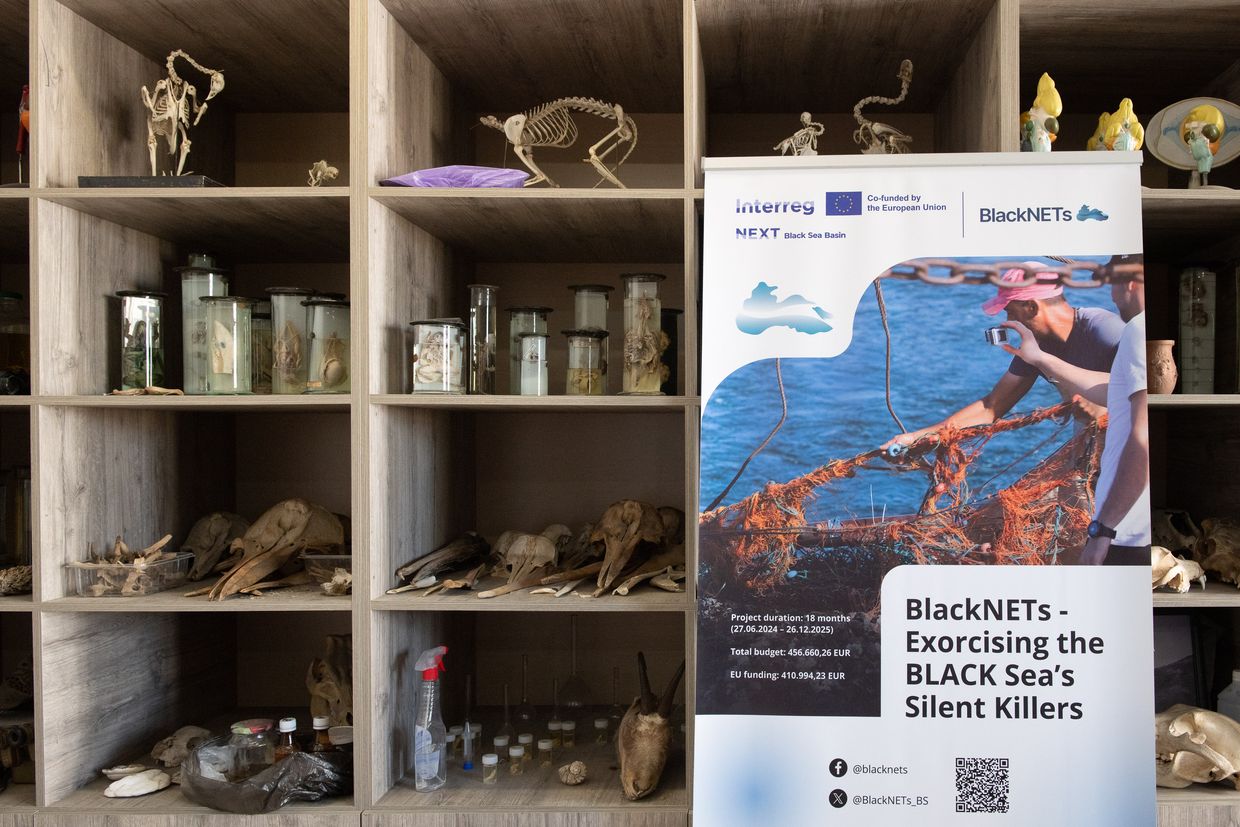
It is unclear where the research groups and staff will be transferred after the reform — OC Media has reached out to the Ministry of Education, but has not received a response as of publication. The concept document mentions Rustavi and Kutaisi as potential university centres, but ISU rector Nino Doborjginidze is sceptical of the idea:
‘They have never been here, never assessed what we have or what we need. They have zero experience in building scientific infrastructure’, she says.
Another aspect of the reform that worries her and other ISU faculty, are the long-term international partnerships, including double degrees and joint research projects. ISU has 38 partner universities, which involve 48 specialists. Tsotniashvili characterises the reform as one that substantially constricts the education landscape, extending beyond ISU:
‘When systems are closed like this, you do not have external funding for development, and internal resources are scarce. When partners know where the country is going, they refrain from cooperation, even now as we speak. You cannot bring new partners into this environment’.
A centre of dissent
While the government has focused on labour market demands, there is widespread belief that the government’s gutting of ISU has more to do with the university’s reputation as a centre of dissent.
ISU has been at odds with the ruling Georgian Dream party for several years, and has been notably vocal about anti-democratic reforms ever since the first foreign agents law was introduced in 2023. At the time, both faculty and students were highly critical of the proposed legislation, with rector Doborjginidze openly speaking about the potential damages. Following her statements, the government-aligned TV channel Rustavi 2 alleged that Doborjginidze had engaged in nepotism and misused funds, and brought up a fatal car accident she had been involved in 2010 — Doborjginidze believes these claims were intended to ‘destroy her psychologically’.
When the foreign agents law was re-initiated in 2024, students went on strike amidst large-scale protests. Their professors supported them, and Doborjginidze refused to distance herself, unlike her colleagues from the government-led Rector’s Council. Later that year, the Education Ministry withheld full accreditation from ISU with a condition of re-assessment after a year, a move that was perceived as a political vendetta by many education experts.
While introducing the latest reforms in December 2025, Prime Minister Irakli Kobakhidze spoke the quiet bit out loud, stressing the role of education in national security, stating that the population, when ‘not educated enough’, could be susceptible to ‘interventions’ and the spread of ‘liberal fascism’.
Appearing on Rustavi 2 with Education Minister Mikanadze, he dropped more than one politically charged allegation in a ‘debate’ with opponents of the reforms, including Doborjginidze. In particular, Kobakhidze claimed that the ‘gutting’ of Tbilisi State University — the country’s first and largest university — began in 2006, and that ‘academic staff were being exported from TSU to be employed at private universities, Ilia University, or politically acceptable universities.’ Kobakhidze did not name any specific people, but referred to actions allegedly passed during the previous United National Movement (UNM) government.
He also accused Doborjginidze of refusing any discussions and of holding a protest in the university, which she firmly rejects:
‘There is no format in which I would not participate,’ she tells OC Media. ‘In December, we met with Mr Gabisonia, a deputy Minister of Education, for a 2.5-hour presentation, where we presented our programmes and research initiatives, and they assured us that they would process all of it and get back to us.’
The next time she and her colleagues heard anything from the ministry was when the news was broadcast the ISU would be down-scaled.
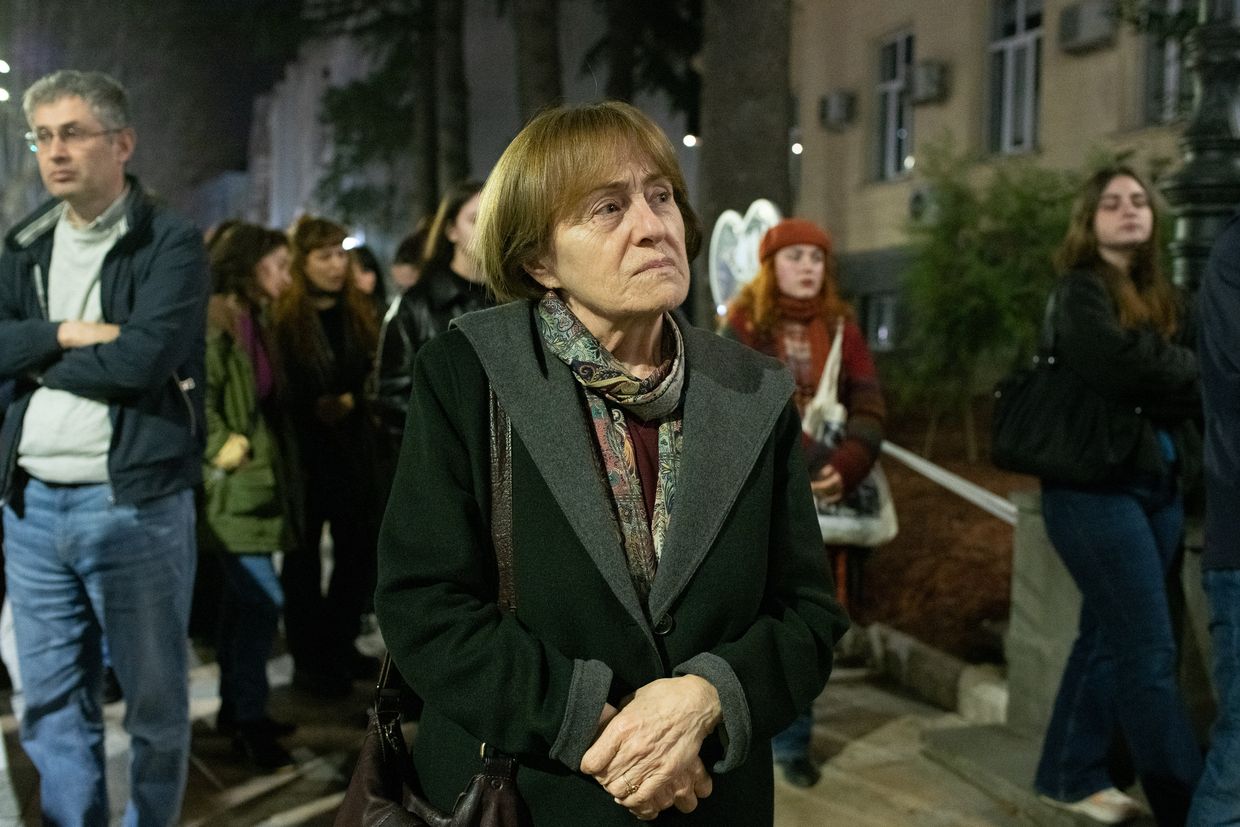
These days, Doborjginidze, her colleagues, and the students can be found almost every evening in front of the main campus, the entrance barely visible under the protest banners. Prominent professors read open lectures while students congregate to exchange opinions.
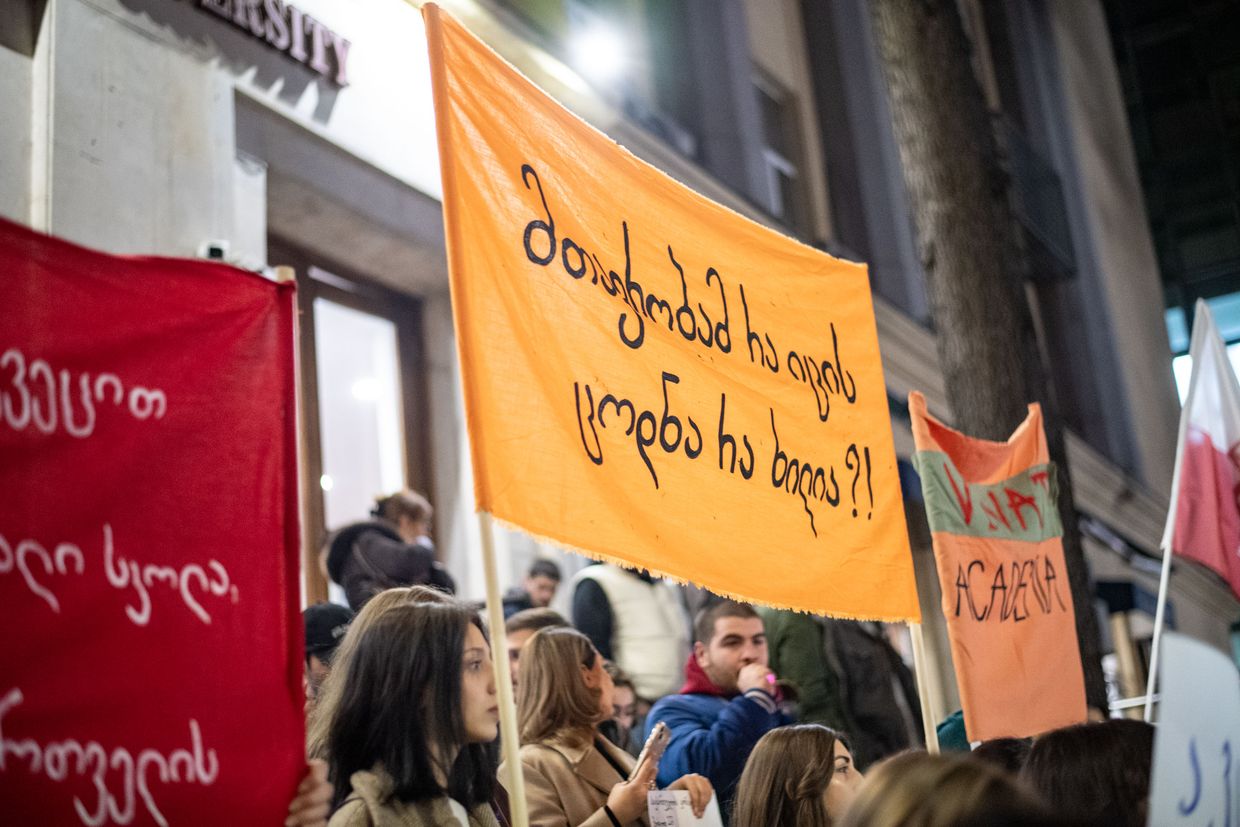
‘This reform looks more like a closure than a downsizing to me’, Ana Zakaradze, a 25-year-old business administration postgraduate student, tells OC Media.
Her faculty will also be affected by the cuts, but she says that overall, many students do not yet realise the magnitude of the government’s decision. While she received her Bachelor’s from TSU, she emphasises that ISU was the only university to develop her love for education.
‘I am a good student precisely because I was motivated to learn more than I thought possible, because they taught us to do projects outside the box, ideas that we could use for the future in real life,’ she says.
Aleksandre Rigvava, a 24-year-old international relations student at ISU, also praised the quality of his education while speaking to OC Media: ‘I think it’s one of the best programmes because they intensively teach us European languages. For example, I chose German, and I was taught German eight hours a week, which gives you quite deep knowledge’.
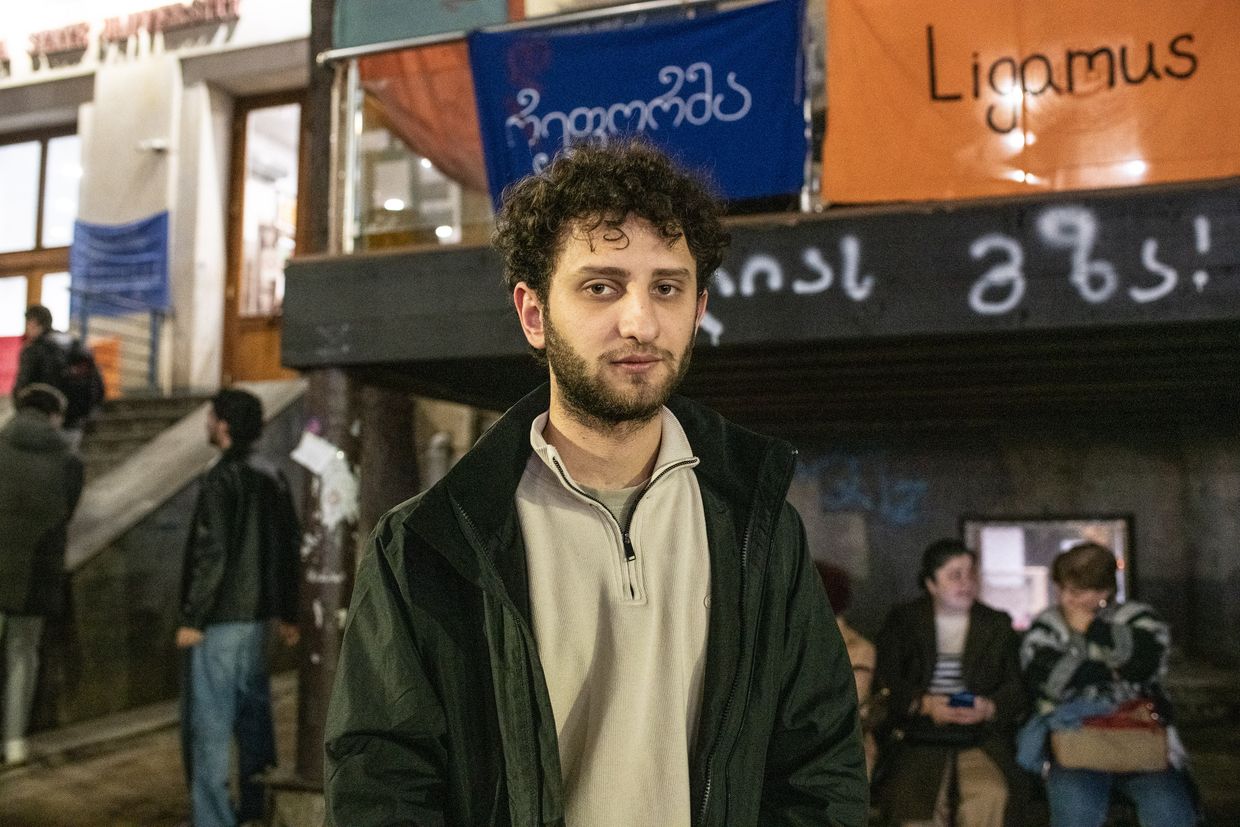
He thinks the reform is entirely political, and that the four-page concept gave Georgian Dream flexibility to exercise political power.
The professors, meanwhile, are concerned about the future of their students. They appear determined to keep fighting against the reform, demanding a meeting with both Kobakhidze and Mikanadze, holding protest marches, and drafting the future strategies.
‘I am sure that the ministry will find itself in dead ends many times,’ Tsotniashvili says.
However, she worries that even though the process can be reversed, it’ll burn a lot of energy and resources to restore the progress that Georgia’s higher education has made over the last 30 years.
‘The solution is probably that we should mobilise internal groups ourselves, so that we can somehow use the internal resources to educate and research continuously, so that the process does not stop completely. There is always a possibility for this, even in Russia today. There is always a possibility of finding a way, and we should always look for it’.