A ripple effect that holds back economic progress — growing up poor in Armenia
In 2024, roughly one in five Armenians could not afford minimum food and basic non-food items.

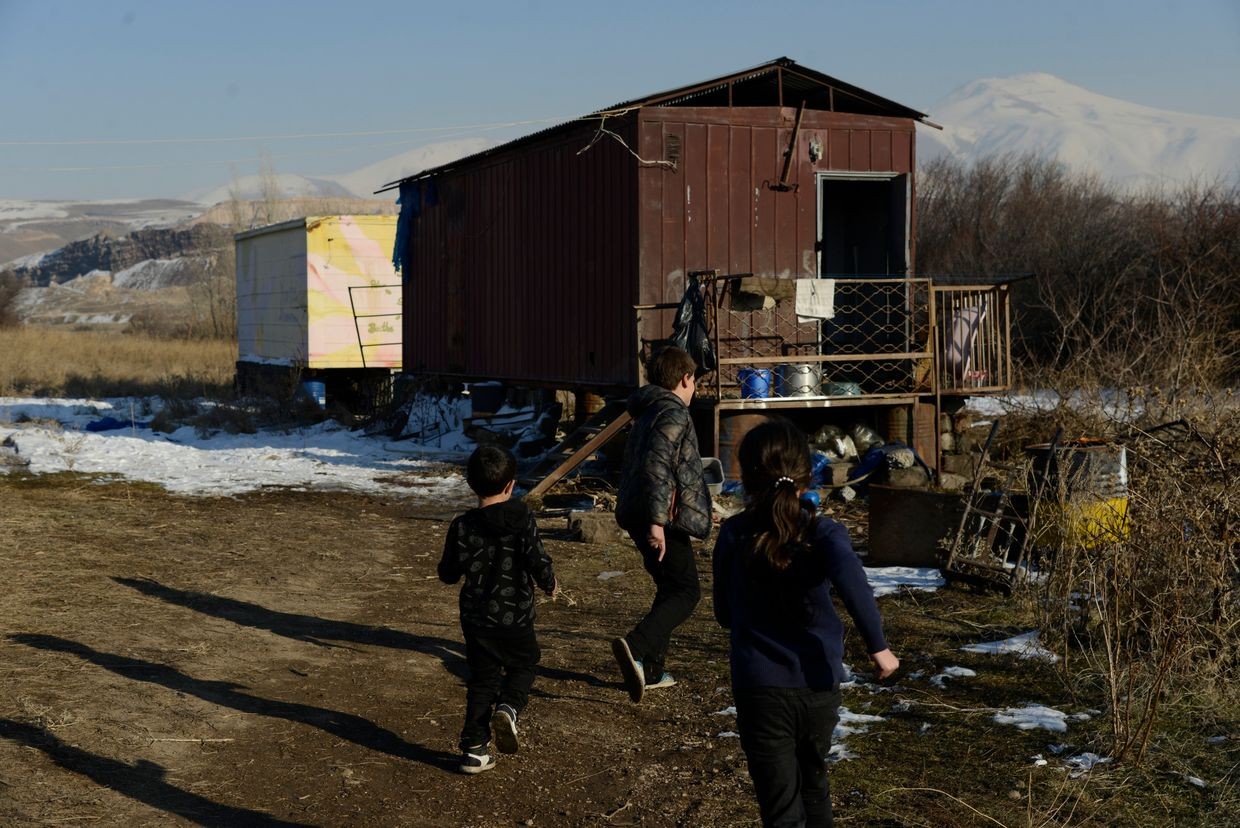
At the midpoint of the Yerevan–Sevan highway is a sharp right turn leading onto a narrow, muddy road. In winters like this, in the dark and with thick snow, the road is impassable by car, leaving visitors with no choice but to reach the small cottage of single mother Lilit Navoyan by foot.
Navoyan, 38, lives with her four children, as well as their dogs and a cat. Lilit’s eldest daughter, Anushik, 18, is studying at a military academy, while 13-year-old Yefrem, 7-year-old Ariana, and 5-year-old Aren attend school. Every day, Lilit pays ֏4,000 ($11) for a taxi to take them to and from school in the nearby village of Arzni, because no other drivers deem the road, no matter the season, suitable for driving. Lilit herself walks a four-kilometre roundtrip daily to reach the bus stop on the Sevan highway in order to get to the houses she cleans in order to support her family.
‘Many people say I shouldn’t pay so much money to take my children to school. Instead, I could buy food, but education is a priority for me’, Lilit says. ‘I believe they will succeed if they are educated’.
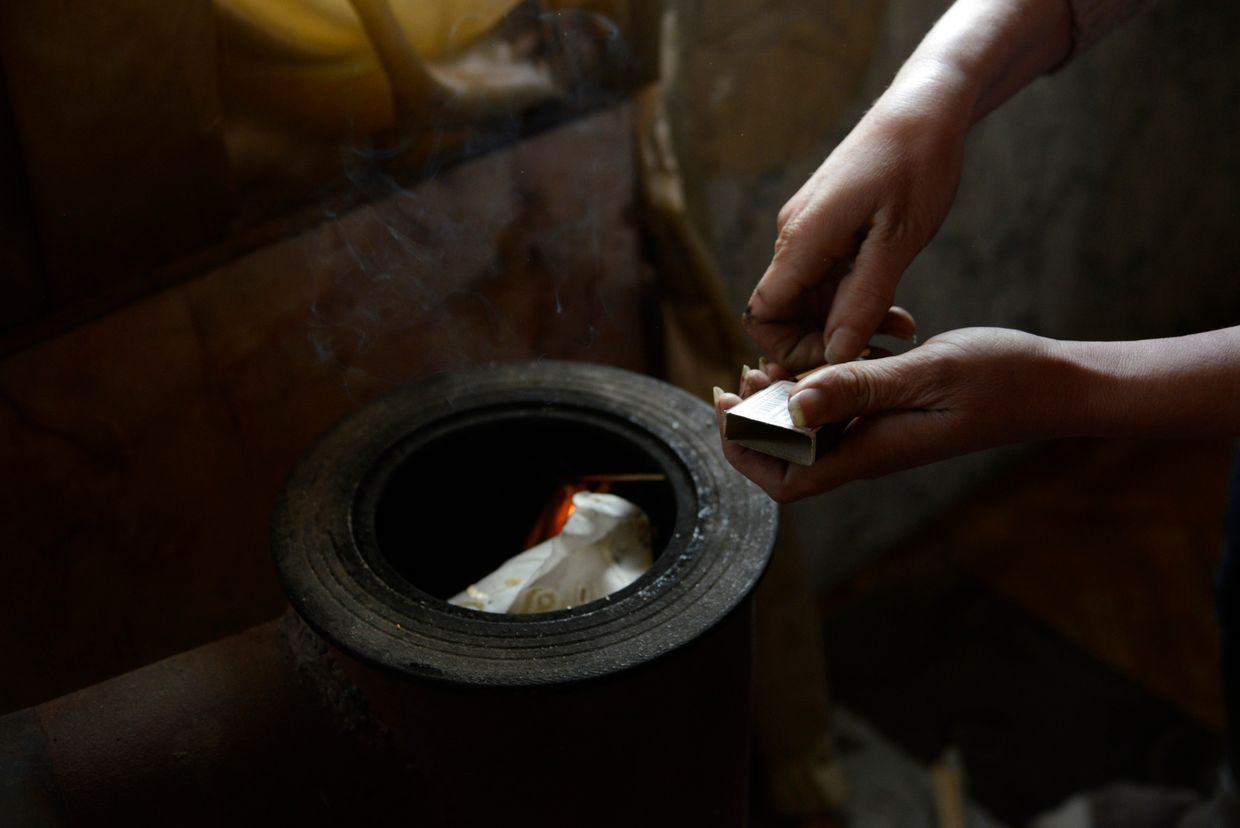
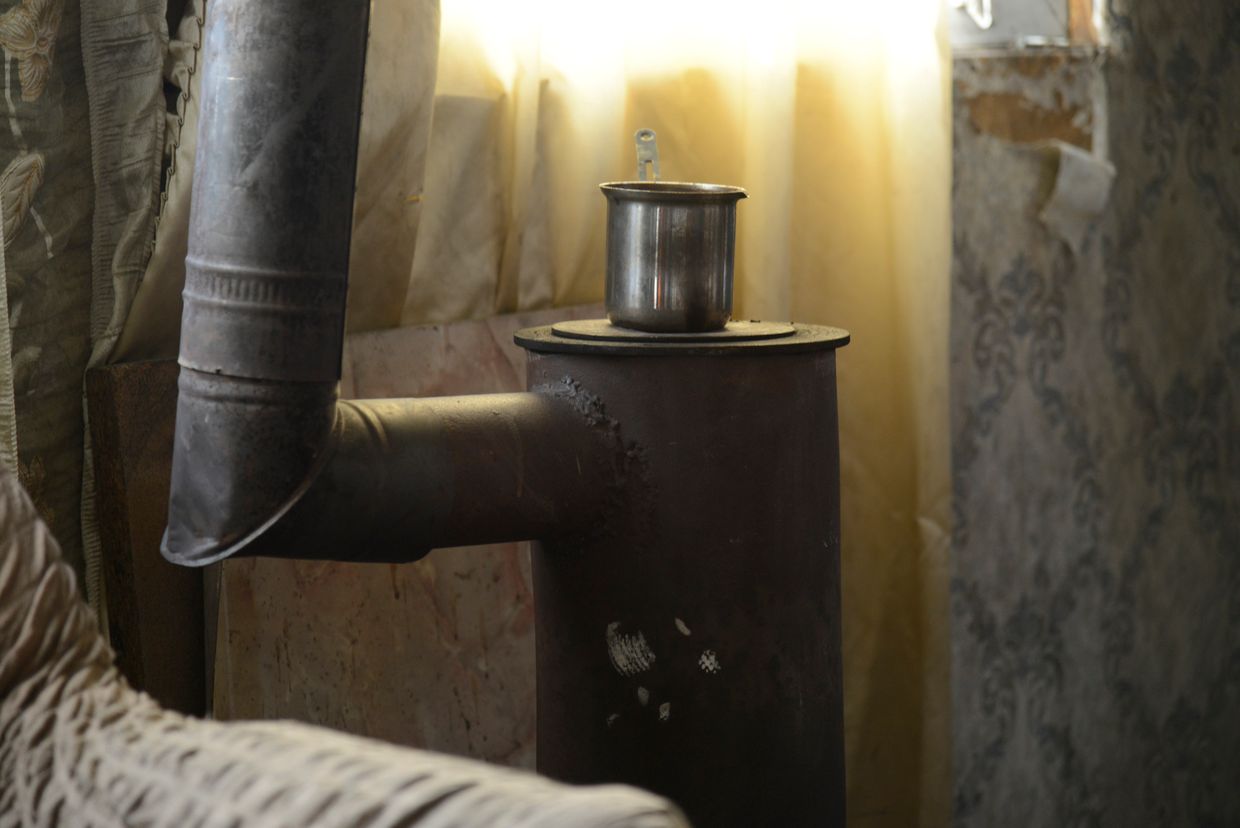
The tiny house the family lives in creates its own pressures, both physically and emotionally, yet at the same time, there is a feeling of happiness and dignity inside, despite the obvious poverty. Within the 26 square metre of dark walls, there’s love and respect for one another, especially for Lilit. The fuel stove is filled with various items, sometimes small pieces of wood that the children find nearby, and there is a bed for two people.
‘It’s designed for two’, Lilit says laughing, ‘but here I sleep with my children.’
‘Sometimes, in the summers, when it’s hot, Yefrem sleeps on the floor’.
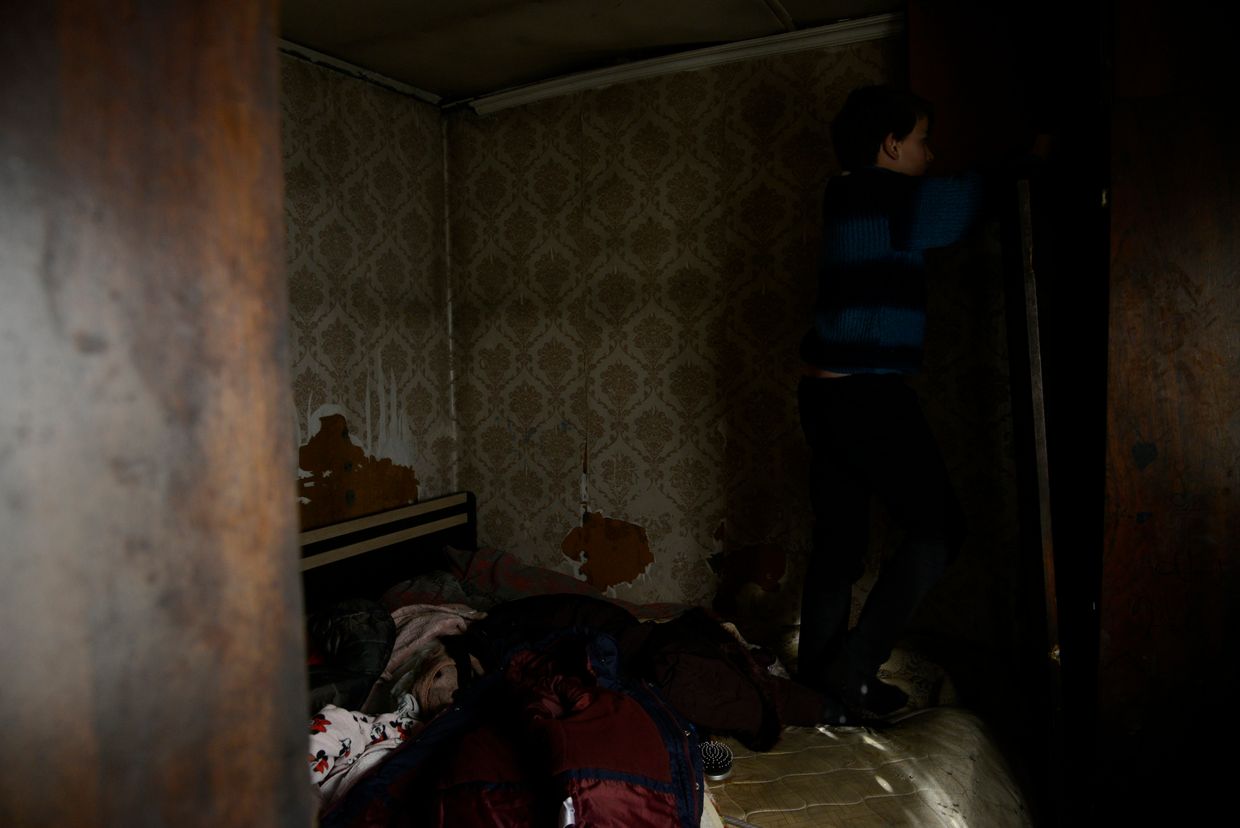
Lilit received the house from a friend to live in without compensation 11 years ago after surviving two marriages which were ‘unhappy and full of nightmares’. The cottage is now unbelievably precious to her — she would be on the street without it. Lilit receives no help from her ex-husband, nor does she expect any. She receives only ֏50,000 ($135) per month in social benefits and whatever she makes as a cleaner through her regular clients.
The area where the family lives is so deserted and cut off from the road that a special antenna is needed just to make the TV work. They carry water from the roadside, cook on a gas cylinder, and bathe in a large basin. Lilit always asks the children to play behind the cupboard that divides the house into two parts while she bathes.
‘I have some health problems, and there are days I can’t stand up. I’m forced to lie in bed, and sometimes it may take two months [to recover]’, Lilit says.
‘My children rely solely on compotes and jams when I’m sick. But when I work, I do my best to feed them. Yefrem loves cooking, and he is the one who takes care of the two younger ones while I work’.
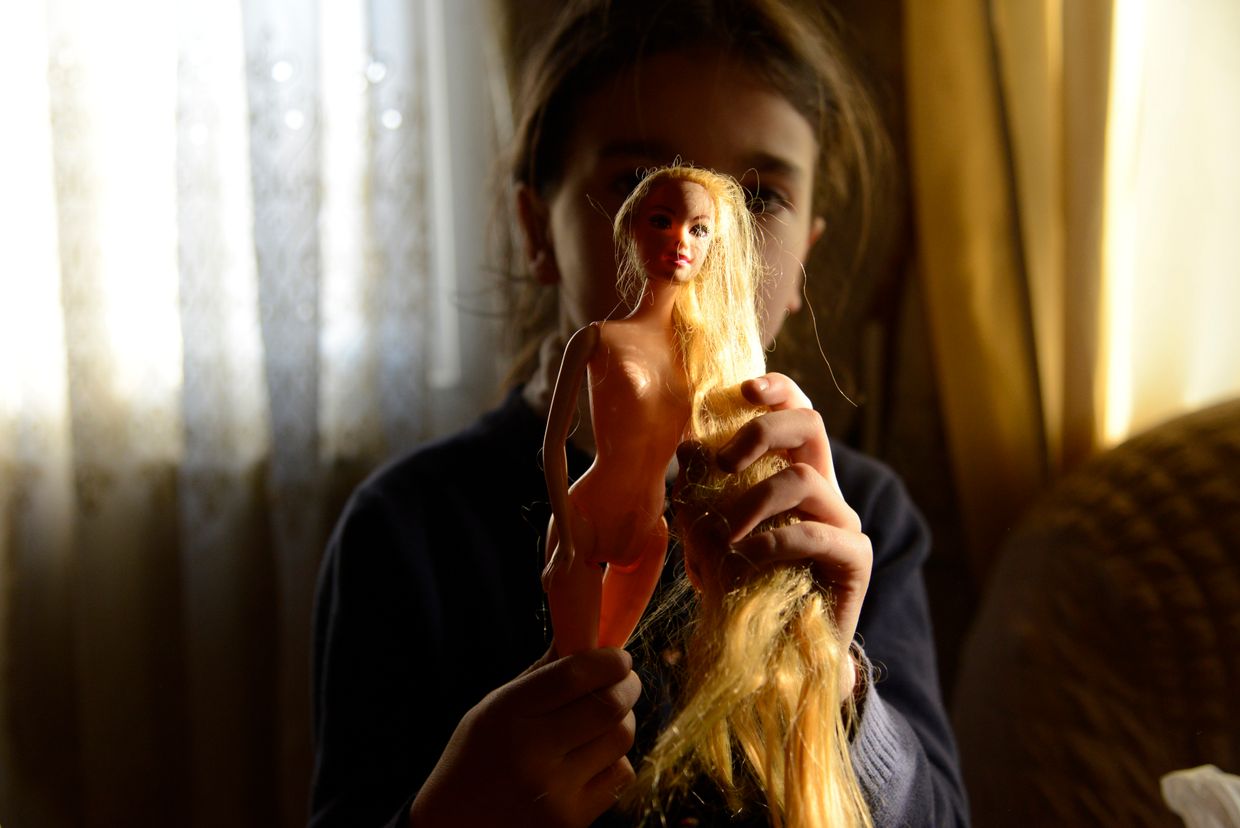
She replenishes their necessary protein intake with legumes and chicken, and occasionally, when she can afford such a luxury, they buy beef, but only on special occasions. In summer, the house is hot, and there are also many snakes in the area. Sometimes neighbours ask her son to help with small tasks and pay him. The last time this happened, Yefrem saved up the money and bought some rabbits, but due to the lack of proper conditions, it was not possible to keep the animals.
Lilit cleans luxurious homes every week, yet she has never felt envy. She dreams of owning a house in a village — one of those homes filled with the scent of freshly baked pastries, with a small garden in front where animals could be kept. She has no possibility, however, of making a down payment, despite the fact that having a home is a top priority and the most serious challenge they face.
As dusk quickly settles over the cottage, Lilit, using a smartphone that has become the household’s TV, plays a film. The cramped home soon fills with the children’s cheerful chatter and lively discussions, Aren’s shrill, attention-seeking laughter, Yefrem’s dream of becoming a chef, and Ariana’s strikingly beautiful, sparkling eyes. Throughout the conversation, Lilit smiles and patiently answers the children’s questions.
A snapshot of poverty in Armenia
Poverty is generally defined as the lack of enough financial resources to meet basic needs like food, shelter, and clothing, while also having limited access to essentials like healthcare, education, and clean water.
Lilit Yezekyan, CEO of the Caucasus Research Resource Centre Armenia, explains that there are two types of poverty: income poverty focuses solely on a lack of money, and multidimensional poverty, which provides a broader picture by combining income with non-monetary deprivations in areas like health, education, and living standards.
Extreme poverty is the harshest form, where families struggle to survive with less than ֏1,000 ($2.50) a day, meaning that they not only lack financial means, but are also almost entirely cut off from essential services to keep them safe and healthy. For context, the minimum monthly food basket — in other words the defined quantities of food products that contains the amount of food physiologically required (proteins, fats and carbohydrates) for a working age male to lead a normal life — costs around ֏33,000 ($82), meaning such families are consistently falling short.
‘The case of Lilit combines these components, because we clearly see that there is both income poverty and multidimensional poverty’, Yezekyan says in conversation with OC Media.
In developing countries like Armenia, Yezekyan clarifies, one can observe such variety in examples of poverty and such differences from region to region that sometimes it’s hard to believe it all exists within one country. For example, in the Lori Province, there are heating problems, especially in villages, yet there is no waste collection issue. In contrast, in Shirak and Tavush, the biggest issue is in waste collection; thus, every region requires separate research.
Field research and exploration give a more precise picture, so going and examining the situation on the ground becomes crucial to better understanding it. Then, other research methods and fieldwork are required: quantitative surveys, focus group discussions, and perhaps case studies-choosing a specific case and studying it from different angles: from the municipality’s side, from the family’s side, from centralised state services, and so on.
‘My point here is probably that we sometimes look at statistics only at the macro level’, Yezekyan says.
‘For example, economic growth in 2022 was around 21%. As an economist, I look at that and understand what 21% means. But for some reason, state bodies proudly emphasise that we had economic growth. If we say we have 21% economic growth and do not think further, we fail to understand that this growth is linked to Russians coming to Armenia. And we do not ask ourselves: does this speak about economic diversification, or merely about luck?’.
The main approach to poverty measurement in Armenia is absolute poverty by consumption based on the annual Integrated Living Conditions Survey. According to data compiled by the state statistics service, Armstat, Armenia had a poverty rate of 21.7% in 2024, meaning that roughly one in five could not afford minimum food and basic non-food items within their current household consumption.
Notably, analysis by the Global World Bank shows that the extreme poverty rate among children is twice that of adults, reflecting the higher costs families face in raising children and the greater vulnerability of children to deprivation. Because their bodies and minds are still developing, children in poverty face potentially lifelong consequences for their health, learning, and overall well-being.
Additionally, poverty risks are not evenly distributed among children: the youngest children face the highest rates, children living in fragile and conflict-affected settings are disproportionately affected, and risks are significantly higher for children in rural areas, children with disabilities, displaced and refugee children, and children living in households where the head has low or no education.
‘For a child to live in poverty, it does not mean just the lack of money, but missing out on important aspects of childhood. These include limited access to quality education, as they either do not enroll in early education or complete school or need to leave school to find work and help support the families’, Armenuhi Hovakimyan, a Social Policy Specialist at UNICEF, tells OC Media.
‘When children don’t have access to quality education, they can’t develop the skills they need to secure well-paying jobs in the future. This limits their earning potential, creating a ripple effect that holds back economic progress’.
Families in Armenia often fall into poverty due to a combination of factors, Hovakimyan explains. This may be because of low or unstable wages, a high share of an informal economy, unemployment or underemployment, limited education and skills or a mismatch between those, health problems or a disability, or the household composition and care responsibilities (for example, having many children, mainly comprising dependents, or older persons). A lack of affordable housing and rising costs of living can quickly drain a family's resources, even if they are employed. Economic shocks such as job loss, illness, or rising prices, as well as wider natural hazards and crises, can quickly push families who were previously managing into poverty, especially when savings and social protection coverage are insufficient.
While poverty estimates for recent years are not directly comparable due to methodological improvements, earlier data showed positive dynamics, so it would be inaccurate to suggest that people remain poor in a static sense. Rather, poverty reflects differing levels of exposure to risks and unequal capacity to benefit from economic growth.
 Armine Avetisyan
‘The boys sleep on the floor’
Another aspect to consider when discussing poverty in Armenia is the semi-recent influx of Nagorno-Karabakh Armenian refugees into the country following Azerbaijan’s last offensive on the region in 2023.
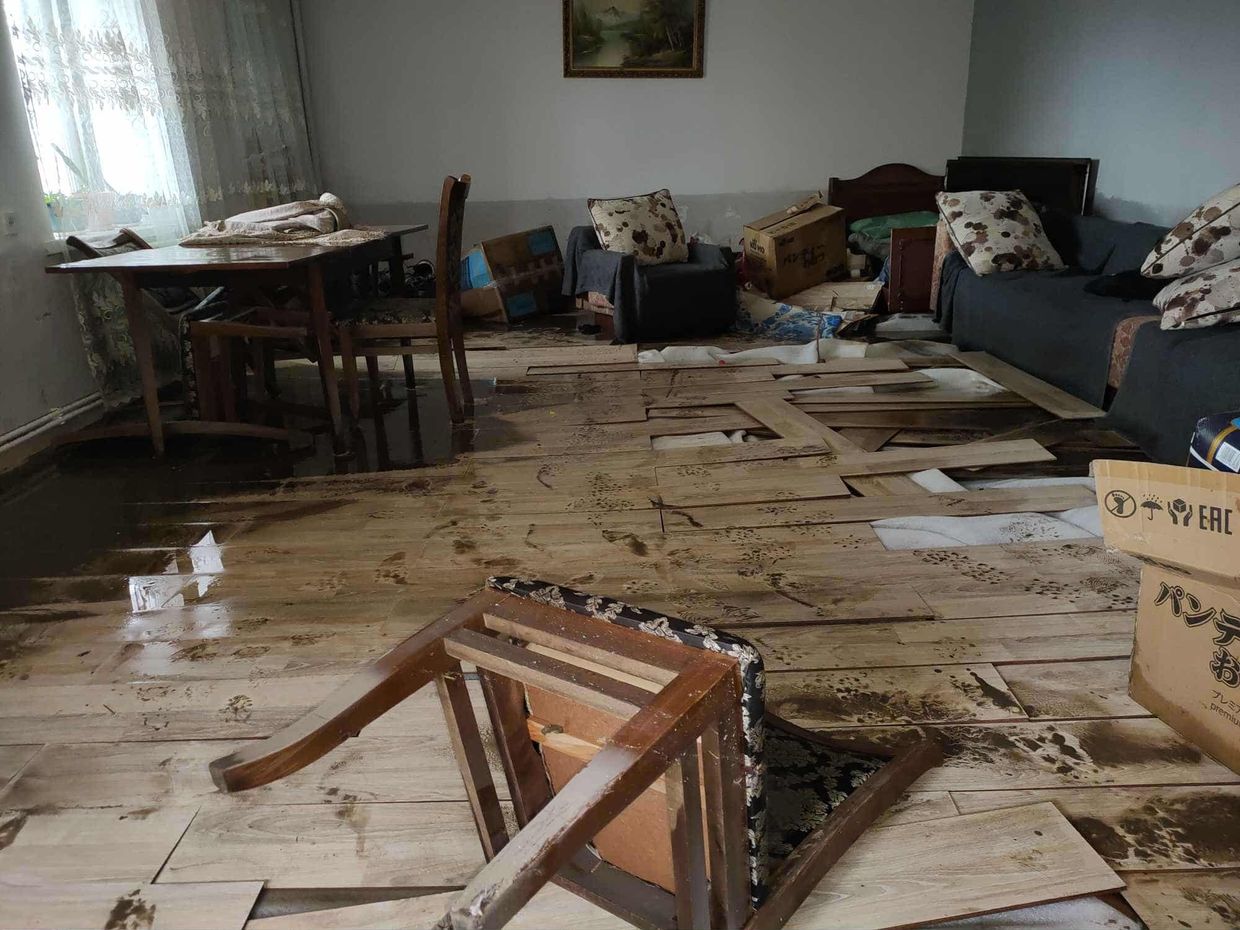
Along the Artashat highway, near the village of Berqanush, a former nightclub now serves as home to a family displaced from Nagorno-Karabakh. Aksanna Zakaryan, her husband Erik Zakaryan, and their five children — Tigran, 6; Maria, 8; Elena 15; Edita 16; and Erika 18 — were forced to leave their homeland in 2023 after nearly a year under blockade by Azerbaijan. Aksanna’s husband had worked as a driver and tour guide in Nagorno-Karabakh, and together they had managed to build a house for their big family. They even sold their car to invest in the home, as they never planned to leave. But when war erupted again, they had no choice. After fleeing to Armenia, they spent almost a year in the city of Tashir in the Lori Province until a flood struck the area and they lost everything once more.
‘We were sleeping when somebody in the house started screaming that the floor was filled with water’, Aksanna recalls. ‘We woke up and saw that all our furniture, all the equipment, was underwater. It was not possible to stay there’.
Aksanna’s husband had a friend who invited them to live in the former nightclub building, where they pay only for utilities, which can reach up to ֏150,000 ($400) in winter.
Aksanna doesn’t work because the school is quite far from their ‘home’, and the children have different timetables for attending school, so she takes care of them. The two older girls study in colleges, while the third wants to enter university this year.
‘My eldest daughter studies in Yerevan and works in a shopping mall. She didn’t attend college for a year while we were in Tashir because there was no college there, and she had to stay home’.
The family’s only income comes from Aksanna’s husband’s temporary jobs. He has health issues that require regular medication, and while he sometimes engaged in animal husbandry or other short-term work, he is unable to fully provide for the large family, Aksanna explains.
‘He says that if there were help or an opportunity, he would set up a small farm, even just for himself and start keeping animals again, whether cows or sheep’, Aksanna says.
Currently, the support from the Armenian government is ֏120,000 ($320) for four children, plus ֏48,000 ($130) in additional assistance per month. Aksanna says on this budget, the everyday meals for the children consist of rice, pasta, and carrot and cabbage salad, sometimes with chicken — it’s hard to provide protein-rich food when the only working family member has a temporary job.
In response to questions from OC Media, Armstat stated that they could not provide any assessments regarding the impact of forced displacement from Nagorno-Karabakh on Armenia’s poverty rate.
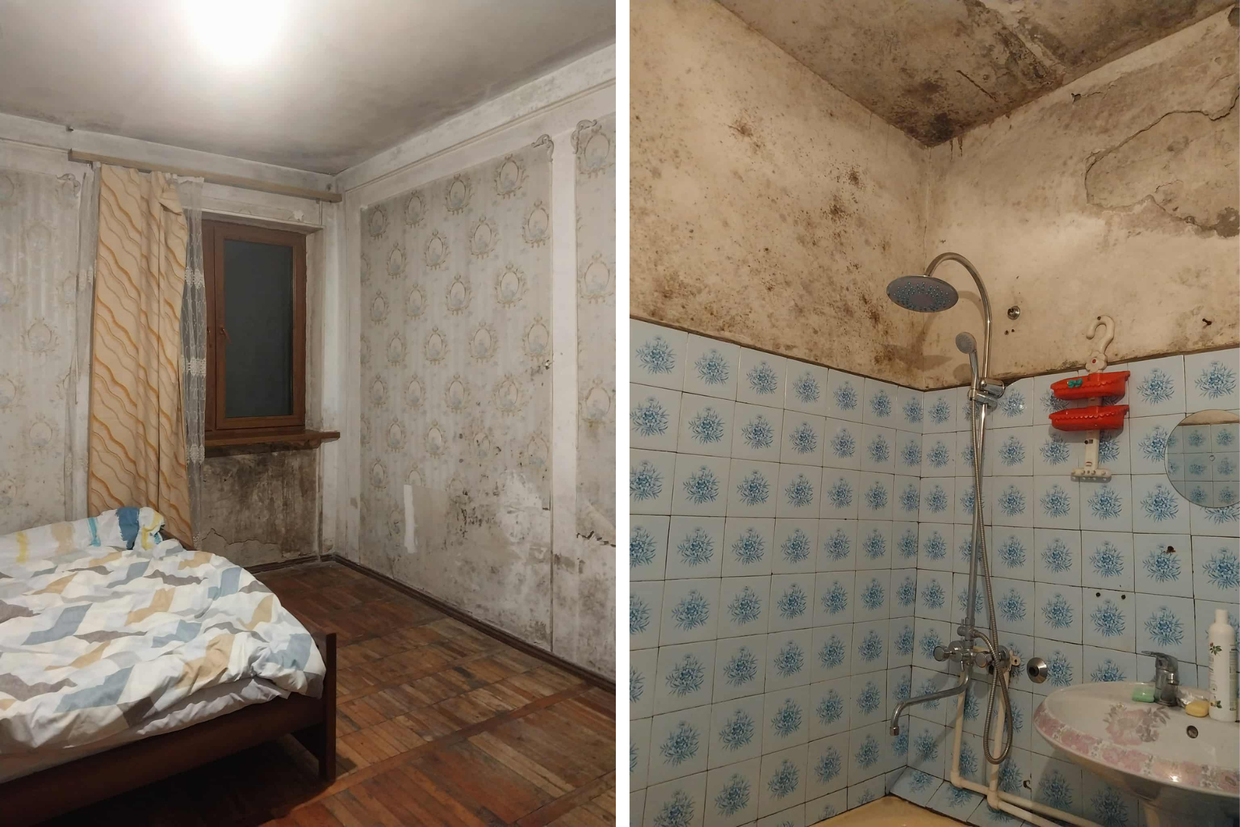
‘This room where we are now is about 20 square metres’ Aksanna says. ‘Three adults sleep here on the bed; the youngest sleeps with me. The boys sleep on the floor — we lay mats for them.’
When asked how she imagines the ideal life, Aksanna says: the children are secure, they get what they need — a normal room, clothes, somewhere to go outside. For her and her husband, health and a stable job.
The Armenian government provides financial support to displaced Nagorno-Karabakh Armenians in finding a house. Aksanna and her husband began the documentation process after the Christmas holidays and hope to secure a home similar to the one they had in Nagorno-Karabakh. They love the city of Artashat and plan to make it their permanent home.
Despite the hardships, both families have a strong resilience that refuses to be broken. For them, survival is not just about food or shelter; it’s about preserving hope, education, and a sense of normalcy in a world that has been turned upside down. In the laughter of children, the care and commitment of parents, and the little victories of daily life, there is a hope that even in the darkest times, it’s not over yet.