Armenia and Azerbaijan exchange list of potential trade goods, Pashinyan says

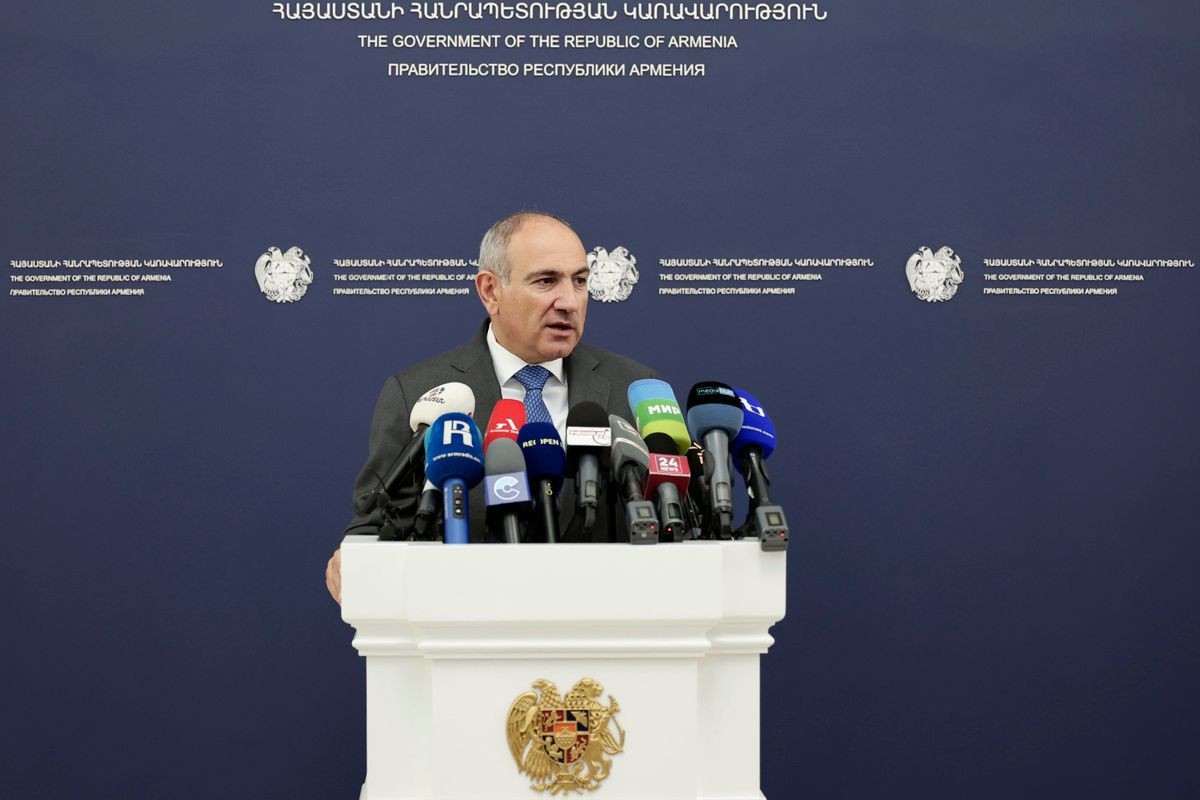
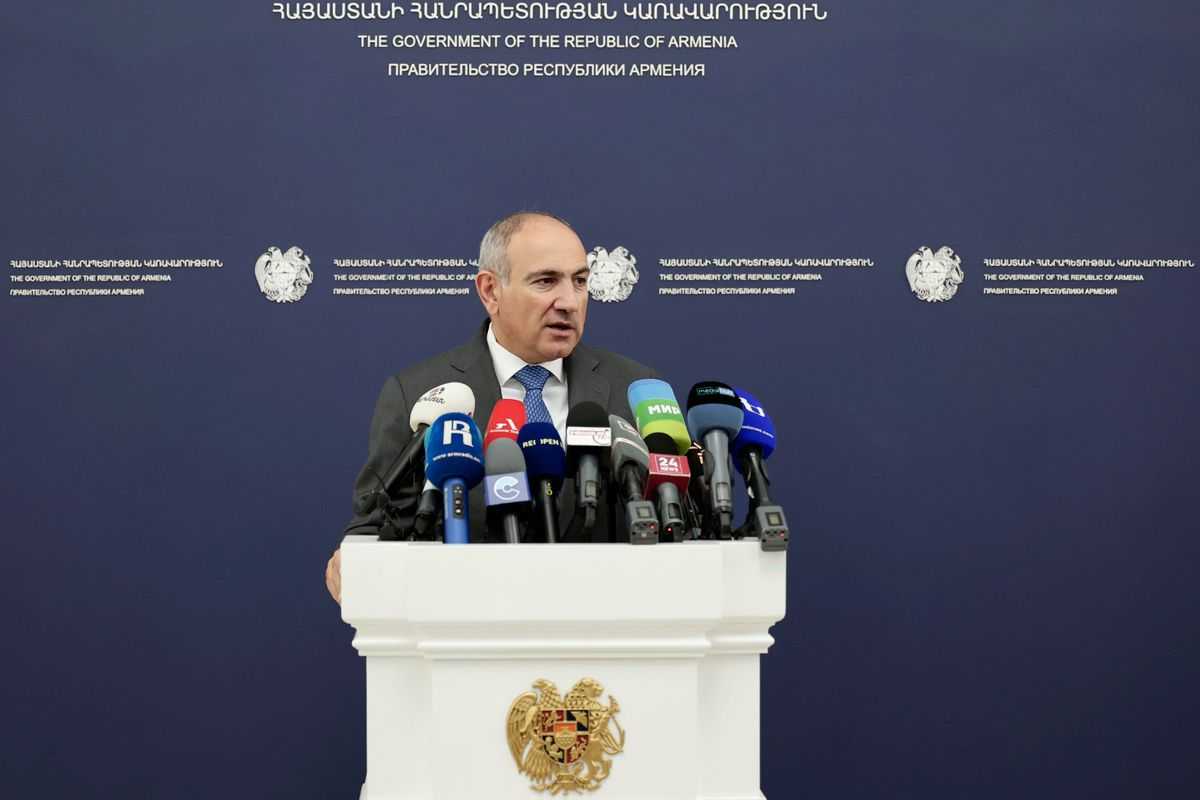
Yerevan and Baku have exchanged a list of potential trade goods which is ‘under review’, Armenian Prime Minister Nikol Pashinyan has said.
The remarks came at a press briefing on Thursday ahead of the arrival of a second shipment of fuel to Armenia from Azerbaijan. No Armenian products have so far been exported to Azerbaijan.
On Friday, Armenian Economy Minister Gevorg Papoyan told Factor TV that Yerevan was in talks with Baku about exporting aluminum foil, raw aluminum foil, ferromolybdenum, domesticated animals, raw materials for brandy, tobacco, textile, roses, and other greenhouse products from Armenia to Azerbaijan.
He added that the Azerbaijani side presented a list of specific products it is interested in importing, with Armenia naming their price and the quantities it could supply.
Refraining from clarifying the timeframe of possible exports to Azerbaijan, Papoyan only said that trade would kick off when companies in both countries reach an agreement.
Azerbaijani pro-government outlet APA reported on Wednesday that Azerbaijani petroleum exports to Armenia were ‘purely commercial in nature, and petrol is sold at international market prices’.
The second shipment came after Azerbaijan increased the price of fuel at the end of 2025.
In December 2025, in a historic first, Azerbaijan sent a shipment of over 1,200 tonnes of SOCAR-produced petrol to Armenia through Georgia.
 Yousef Bardouka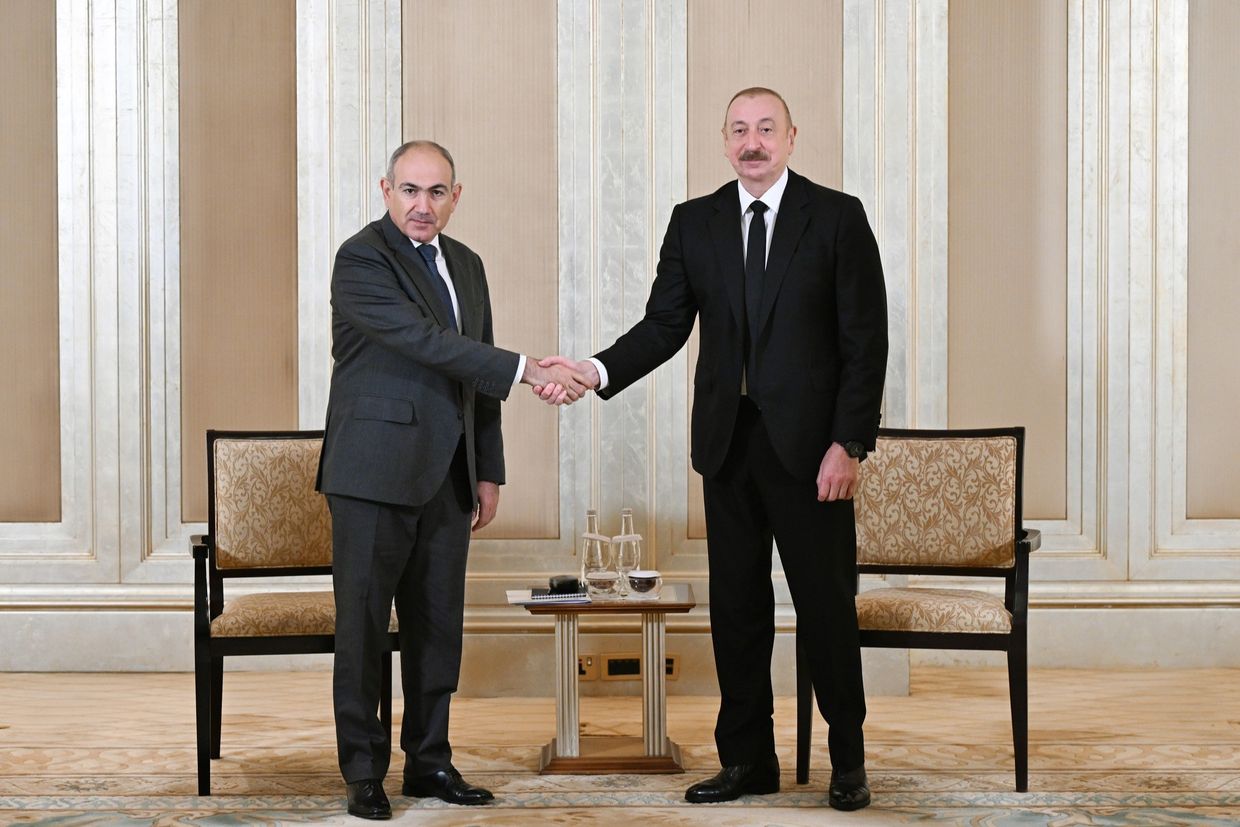
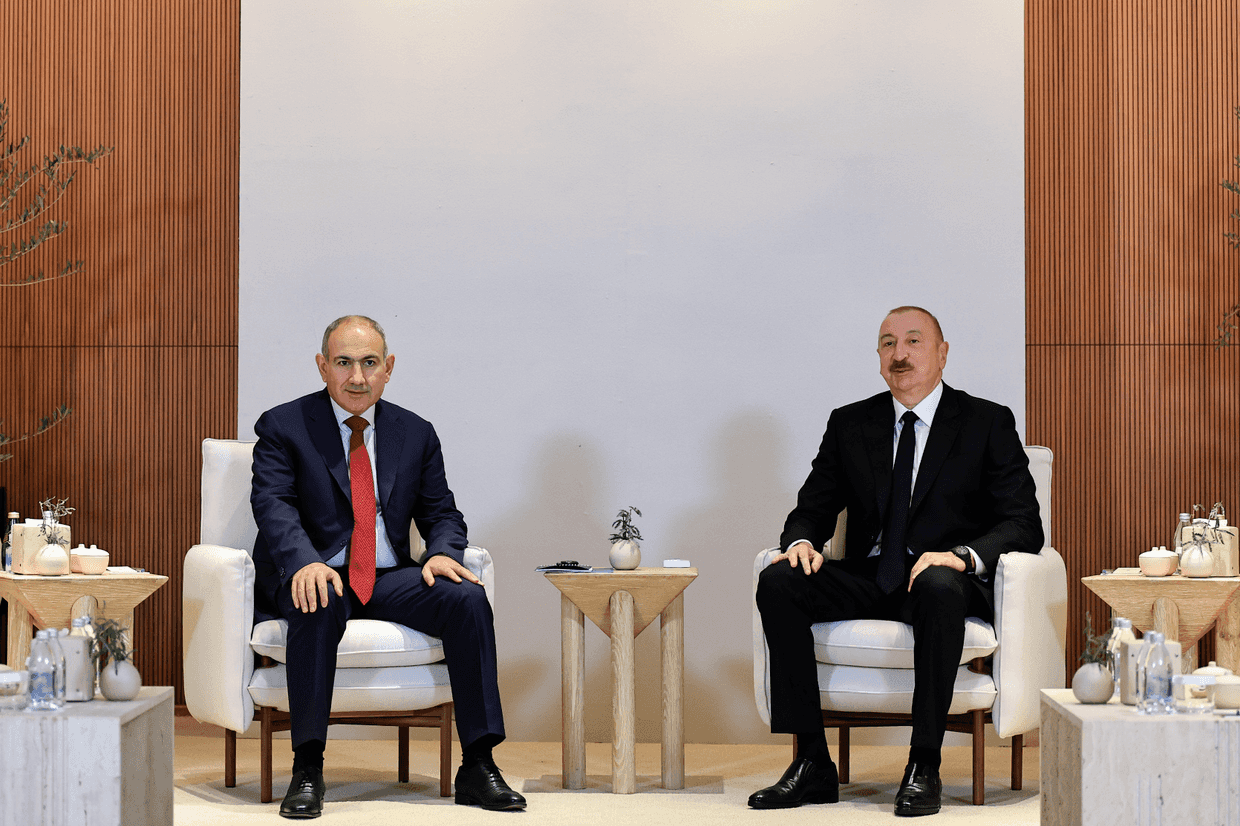
The fuel deal was reached between Azerbaijani Deputy Prime Minister Shahin Mustafayev and his Armenian counterpart, Mher Grigoryan, on 28 November 2025 in Gabala, Azerbaijan.
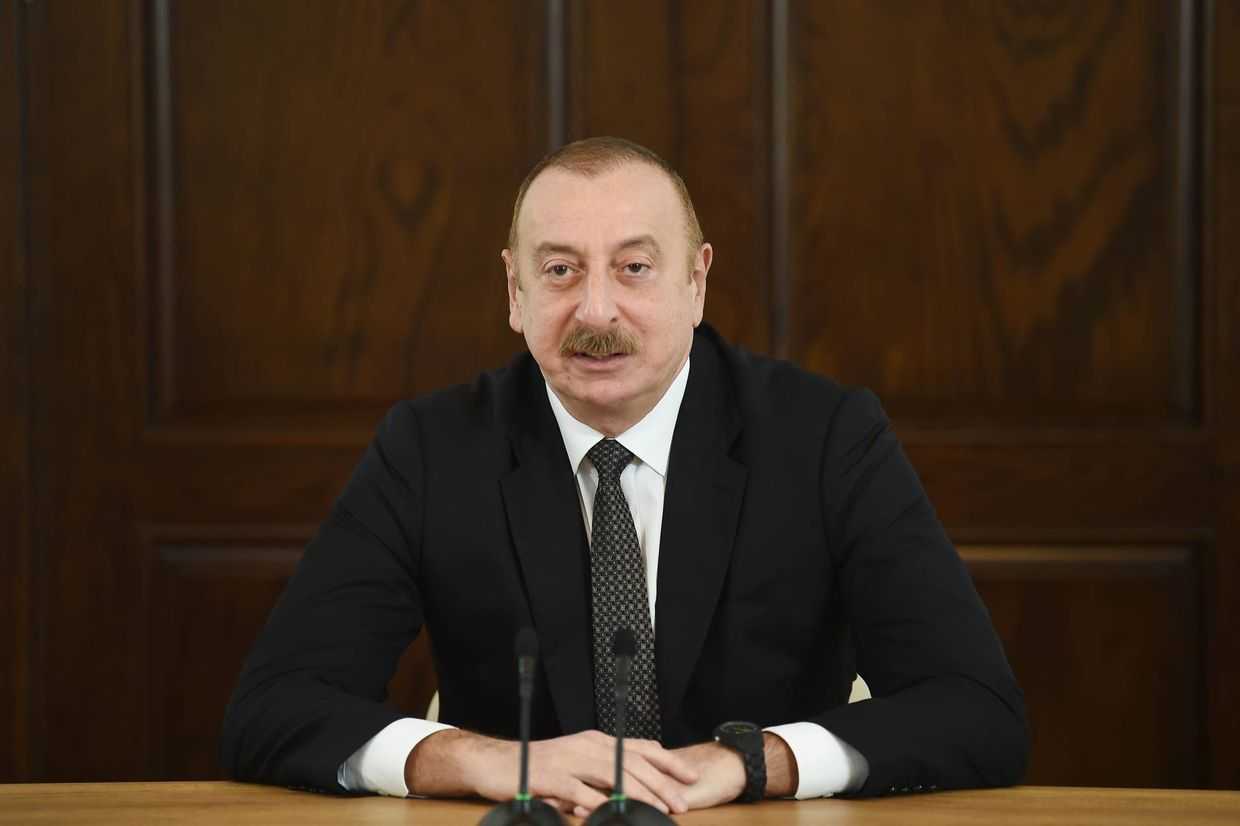
Prior to that, in October 2025, Azerbaijani President Ilham Aliyev announced that Baku had lifted all restrictions on the movement of goods to Armenia. Armenia received shipments of Russian and Kazakh wheat through Azerbaijan shortly after.
The first shipment of cargo through Azerbaijan came after Armenia and Azerbaijan initialled a peace treaty in August during talks in Washington mediated by US President Donald Trump.
The second shipment comes after an apparent resolution of issues with transit fees through Georgia.
In December, Azerbaijani pro-government media sharply criticised Georgia, accusing the government of ‘trying to break the peace’ in the region by charging exorbitant tariffs.
Pashinyan also said it would be ‘logical’ for Armenian and Azerbaijani businesses to seek alternative routes if the issue remained unresolved.
Later that month, Azerbaijan and Georgia announced they had reached an agreement on the tariffs, without disclosing exact figures.
Azerbaijani fuel imports ‘on track’
There are two Armenian companies currently importing petrol from Azerbaijan.
One of them, Mega Trade, belongs to the family of Khachatur Sukiasyan, an MP from the ruling Civil Contract party, while the other, Shisha World, is affiliated with the family of businessperson Samvel Aleksanyan.
At Thursday’s press briefing, Pashinyan elaborated that the government had specifically reached out to the companies as they believed they would not politicise the deal, including by claiming the Armenian government was ‘forcing’ them to buy Azerbaijani fuel.
‘As a result of this process, it will become clear to everyone that this market and opportunity are open to all, and anyone who wants to can take advantage of it’, Pashinyan said.
Separately, Papoyan suggested in a press briefing that Azerbaijani petrol imports should no longer trigger controversy.

‘A sensation is something that happens the first time […] To be honest, I will no longer be involved in this process, because it’s already on track — just as I don’t get involved when a business imports something from China’, Papoyan said.
He also predicted that fuel prices could fall by as much as ֏80 ($0.21) per litre as a result.
In a post on Facebook, Armenian economist Haykaz Fanyan concluded that if supply volumes were maintained, Azerbaijani petrol would ‘gain a tangible share in our market’. Armenia consumes around 300 million litres of petrol and 210 million litres of diesel annually, he added.
This article was translated into Russian and republished by our partner SOVA.
This article was translated into Azerbaijani and republished by our partner Meydan TV.