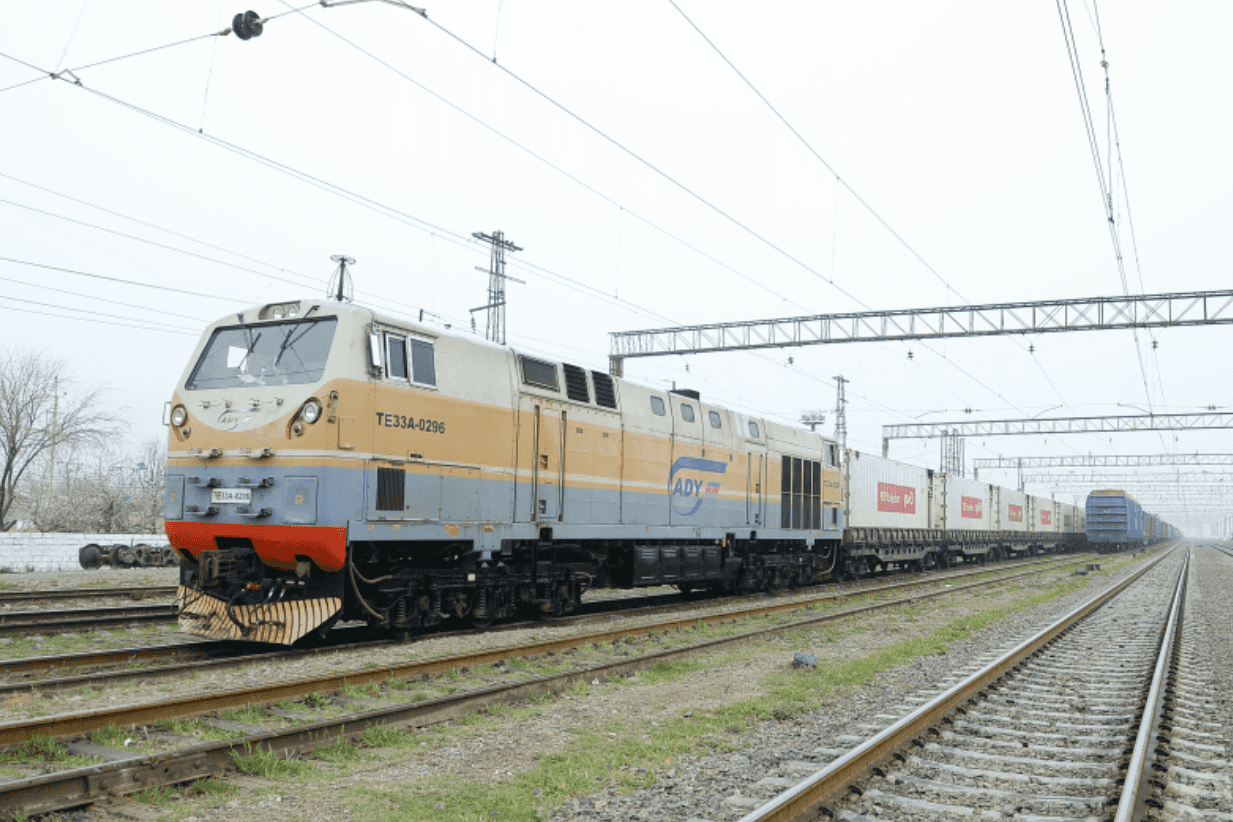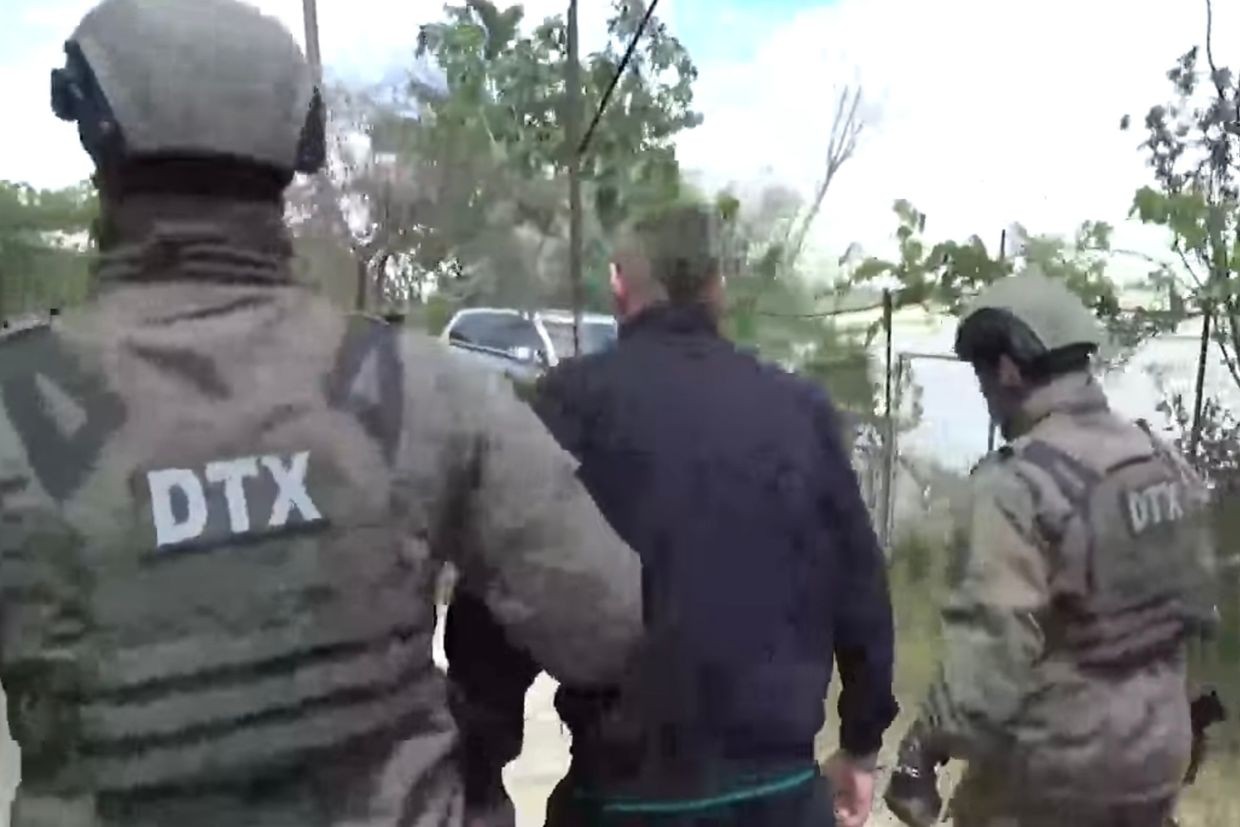
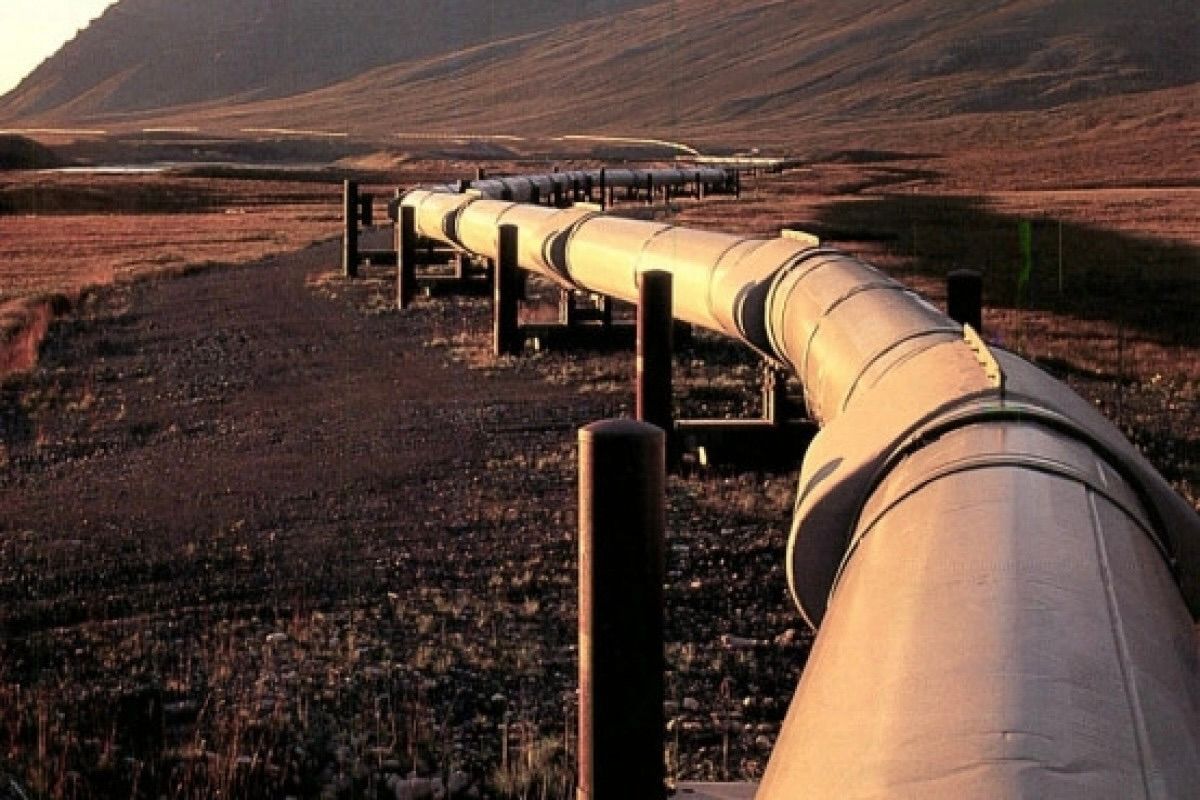
Azerbaijan’s security service (DTX) has said it thwarted a multi-pronged terror attack plotted by Iran’s Revolutionary Guard Corps (IRGC), including possible strikes against the critical Baku-Tbilisi-Ceyhan (BTC) pipeline. The allegations, announced on Friday, came just two days after Iranian drones struck the Azerbaijani exclave of Nakhchivan, marking a significant regional escalation and the first time the US–Israel war against Iran directly spilled over into the South Caucasus.
The DTX said the plot had been organised by an IRGC sleeper cell, and was also aimed at members of Azerbaijan’s Mountain Jewish community, the Israeli Embassy in Baku, and a synagogue.
The plotters reportedly included several Iranian and Azerbaijani nationals who were apprehended after smuggling explosives into the country. One of the individuals, Iranian national Sajjad Moghadam Sati Sofi Evad Sheikhzadeh, had reportedly ‘received special instructions from the IRGC to prepare assassination plans targeting Jewish individuals living in Azerbaijan’, the DTX said.
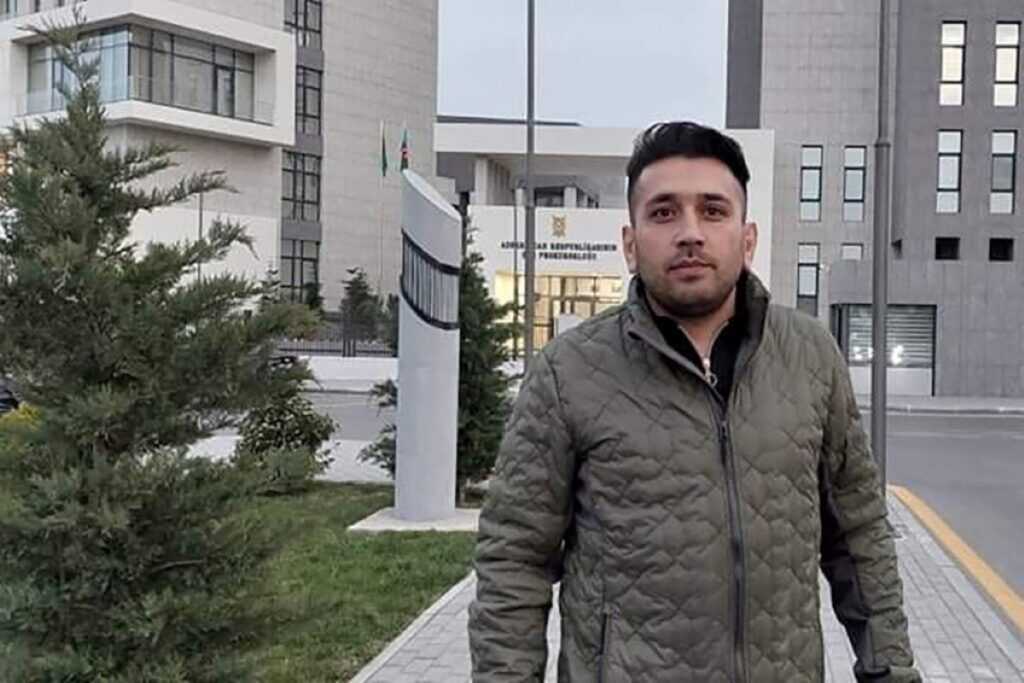
At least 10 people have been identified as being connected to the plot, including IRGC intelligence Colonel Ali Asghar Bordbar Sherami, who directly oversaw the operations. Four individuals — Azerbaijani nationals Tarkhan Tarlan Guliyev, Nijat Zaman Aghayev, Asad Tofiq Abdullayev, and Rashad Farhad Rustamov — have already been tried, convicted, and sentenced to six years and six months in prison. Three others — Narmina Ramiz Shabanova, Naib Agaismi Ismiyev, and Elvin Bahruz Ahmadov — have been charged with various crimes related to the plot. The DTX said the Azerbaijanis arrested had confessed to the police.
In addition, four Iranian nationals — Yaser Rahim Zandkian, Behnam Sahibali Rustamzada, Hosein Savar Saber Azarundbileh, and Sajjad Moghadam Sati Sofi Evad Sheikhzadeh — have been placed on the wanted list.
The DTX released an almost 10-minute long video with multiple parts edited together detailing the investigation, indicating the law enforcement operation had been going on for some time prior to its release on Friday night.
A history of tension colliding with unprecedentedly high stakes
Baku’s long and troubled relationship with Tehran has been thrust into the international spotlight as a result of the war in Iran in recent days. It is also not the first time that Azerbaijan has accused Iran of orchestrating (or being involved) in terror plots against the country or its citizens.
In 2023, an armed assailant stormed the Azerbaijani Embassy in Iran, killing the security head and injuring two others. While Tehran said at the time the attacker was motivated by personal reasons, Azerbaijan blamed Iran for failing to protect the embassy, and the incident brought relations to a low point.
The embassy shooting aside, the Iranian government has also been repeatedly accused of recruiting people, often Azerbaijanis, to carry out assassinations of its perceived opponents abroad. In April 2025, the Washington Post reported that the IRGC had hired a Georgian national of Azerbaijani descent to assassinate a prominent Baku rabbi. The would-be assassin was arrested and the plot was ultimately unsuccessful, but Azerbaijani pro-government media argued at the time that Iran was ‘playing with fire’ and that it was not ‘the first instance of Iranian-backed terror in Azerbaijan’.
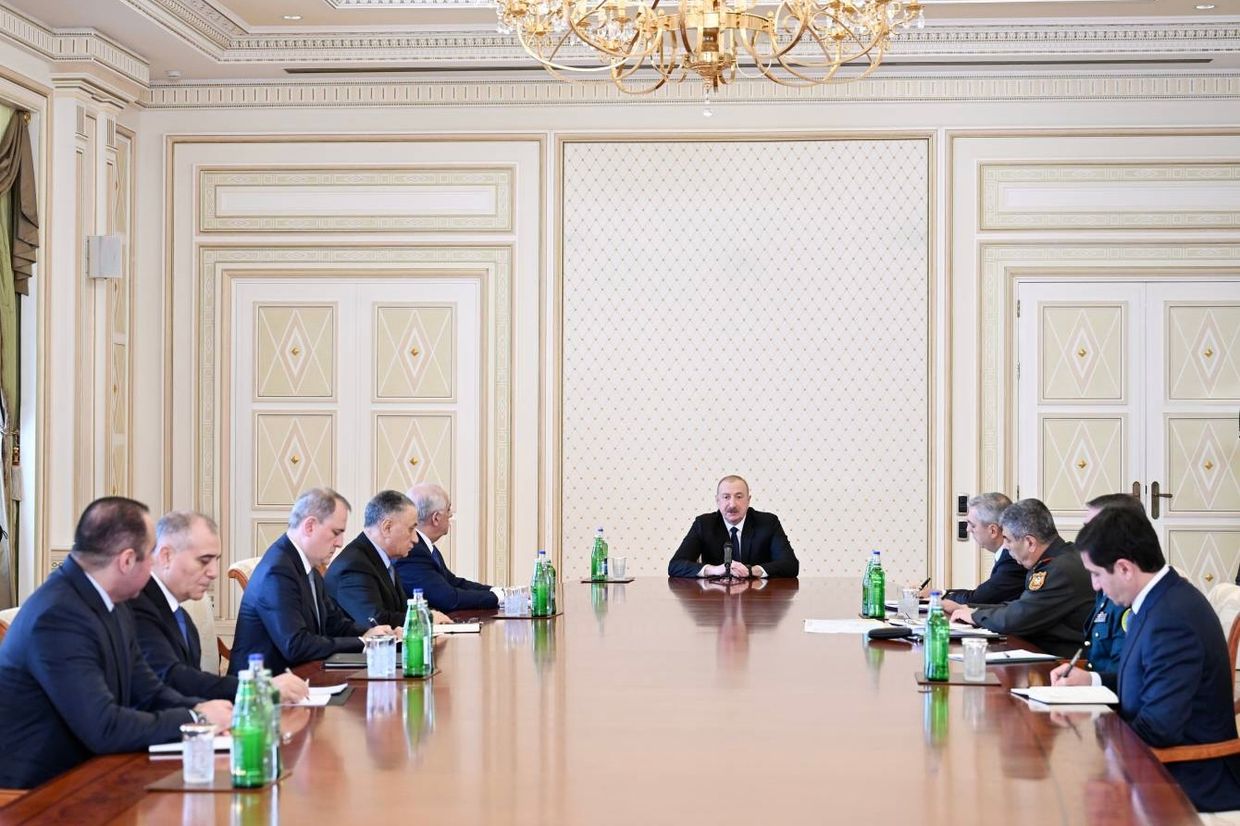
The lingering resentment over these past incidents came out again in the aftermath of the Nakhchivan drone attack, which President Ilham Aliyev described as a ‘terrorist attack’ in a speech on Friday. He also referenced the 2023 embassy attack, accusing the shooter of ‘acting under the instructions of Iranian special services’ and arguing ‘the attack had been ordered at the highest levels of Iran’s state institutions to intimidate Azerbaijan and pursue malicious intentions against our country’.
The days that have followed the drone attack have seen an inconsistent back and forth as speculation builds about how Aliyev plans to respond.
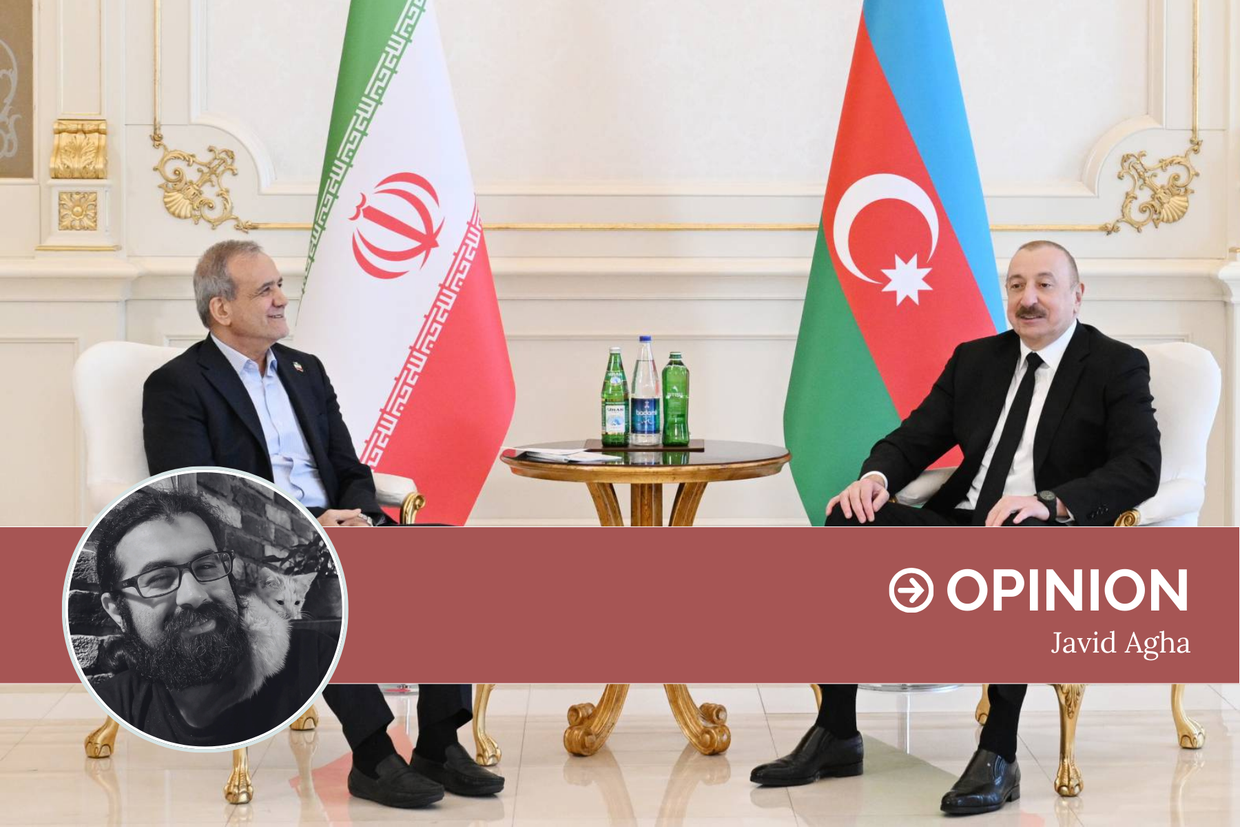
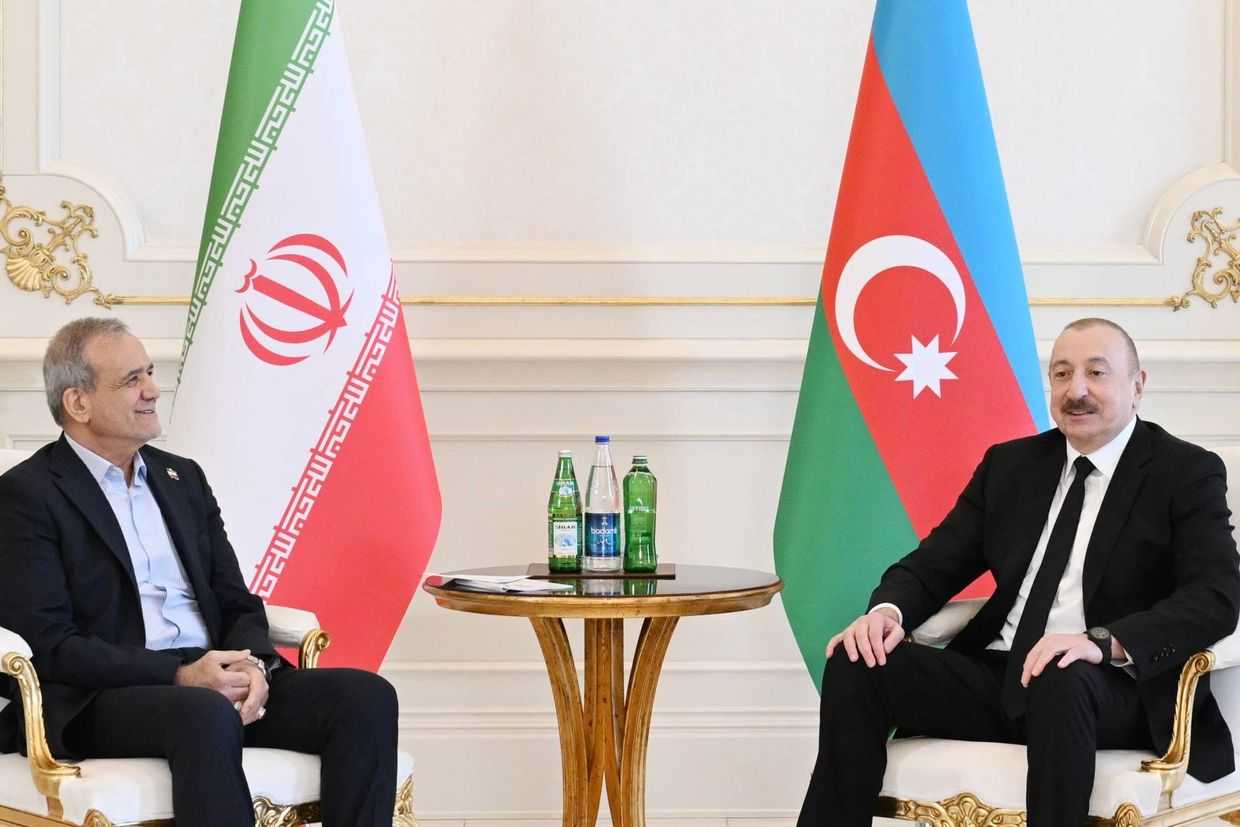
On Saturday morning, Iranian President Masoud Pezeshkian appeared to take a step towards deescalation, issuing a vague apology of sorts over the strikes that Iran has carried out across the region, and saying a decision had been made to prohibit attacks on neighbouring countries ‘unless those countries launch an attack on us’.
Pezeshkian did not, however, back down in the face of US threats, emphasising that those who wish Iran’s surrender ‘will take that dream to the grave’.
The comments were also criticised by more hard-line Iranian officials, some of whom called them ‘humiliating’ and demonstrating ‘weakness’.
Earlier, US President Donald Trump said he was seeking Iran’s ‘unconditional surrender’. In a social media message on Saturday, Trump said Iran had ‘apologised and surrendered to its Middle East neighbours’. He also promised that ‘today Iran will be hit very hard!’.
Despite Pezeshkian’s comments, Gulf countries have said Iran’s strikes continued unabated.
There has also been unconfirmed reporting from Israel’s state-run broadcaster Kan that Israeli intelligence expects Azerbaijan to ‘join the coalition attacking Iran’.
 Javid Agha