Breaking the barrel: Armenia’s quiet wine revolution
Across vineyards and wineries, Armenian women are quietly transforming an ancient craft, bringing precision, creativity, and change to the wine world.

For years, the role of women in Armenian winemaking was limited to what was shown in television commercials — women dressed in white using their feet to stomp on multi-coloured grapes in order to extract the juice. These romanticised advertisements, however, shaped a clear perception within Armenian society about women’s involvement in the wine sector.
Indeed, while the Armenian National Agrarian University has been training wine specialists since the 1930s, only 20% of its class of 2000 were women.
Things began to change in 2014, however, when the EVN Wine Academy launched courses specifically aimed at engaging female students, offering night classes in oenology — the study of wine — and wine business to meet a growing demand for professional development. Since then, women have become increasingly present in every part of Armenia’s wine industry, though there is no comprehensive, up-to-date statistical data on the exact numbers.
‘Everything is decided by the quality of your work’
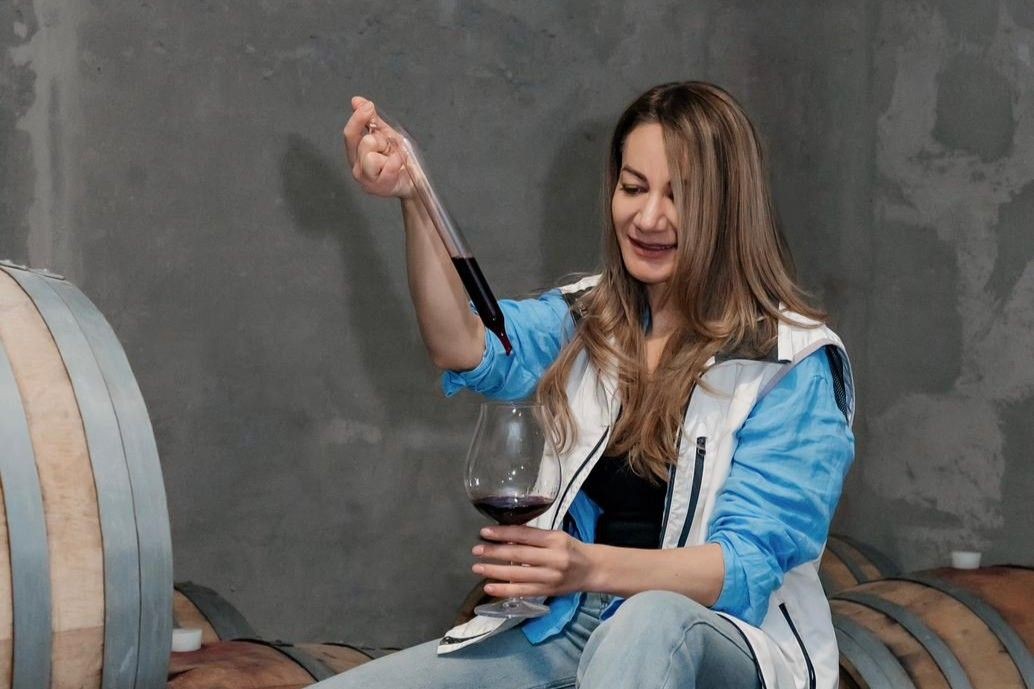
Traveling through Armenia’s western Armavir province, one can see vineyards stretching endlessly on either side of the road, revealing the region’s long tradition of winemaking. It is here, in the city of Armavir, that winemaker Tatev Khachaturyan maintains the traditions, while also not being afraid to experiment.
Khachaturyan’s small workshop is far from the huge factories many associate with modern winemaking. Lining the room are bottles of red and white wine, each with minimalist labels playfully declaring, ‘We don’t know how to draw a vineyard here’ on the red wines, and continuing on the white, ‘but we do know how to make wine in a garage’.

The term ‘garage wine’ was created in the 1990s in Bordeaux for special wines that are often produced only in small quantities of a few thousand bottles. These wineries are also referred to as ‘garagiste’ or ‘micro-château’, although not all of them are necessarily small.
Khachaturyan graduated from the EVN Wine Academy in 2023. To her surprise, the vast majority of her peers were women — ‘but it doesn’t mean everyone becomes a winemaker’, she tells OC Media.
She recalls a time early on when she tried to ask the elderly vineyard owner that she works with to lower the yield of grapes in order to improve their quality — she clarified that she would continue to pay the same price per kilo that he had always requested. She says it was difficult to explain to him that her decisions were grounded in science, chemistry, and skill. Introducing herself as a winemaker and explaining why she wanted to control every step of the process was challenging, but once the man realised he was dealing with a specialist, the barrier disappeared almost instantly.
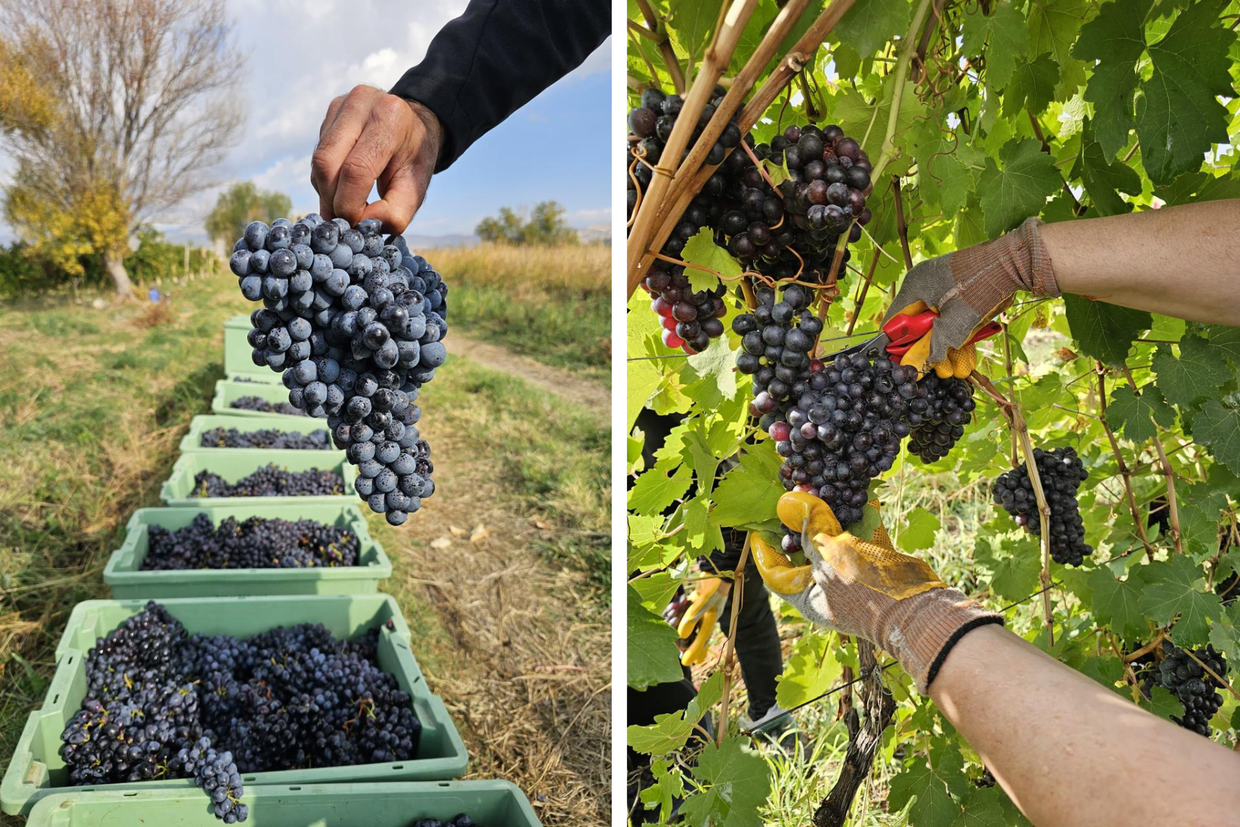
Arpine Manukyan, the only winemaker from Armenia to partake in the second stage of the Master of Wine programme, has had similar experiences.
The Master of Wine programme is recognised globally as one of the most challenging professional qualifications in the wine world with fewer than 400 people worldwide having completed it. The programme demands everything: blind tastings, analytical essays, a rigorous research paper, and above all, the ability to think and reason independently.
Manukyan says that back in 2012–2013 when she entered the field, women were far less present in the wine industry, especially in production.
‘Traditional ideas were dominant, and many people would say: winemaking was “too physical”, and that women belonged more in marketing, education, or sales’, Manukyan tells OC Media.
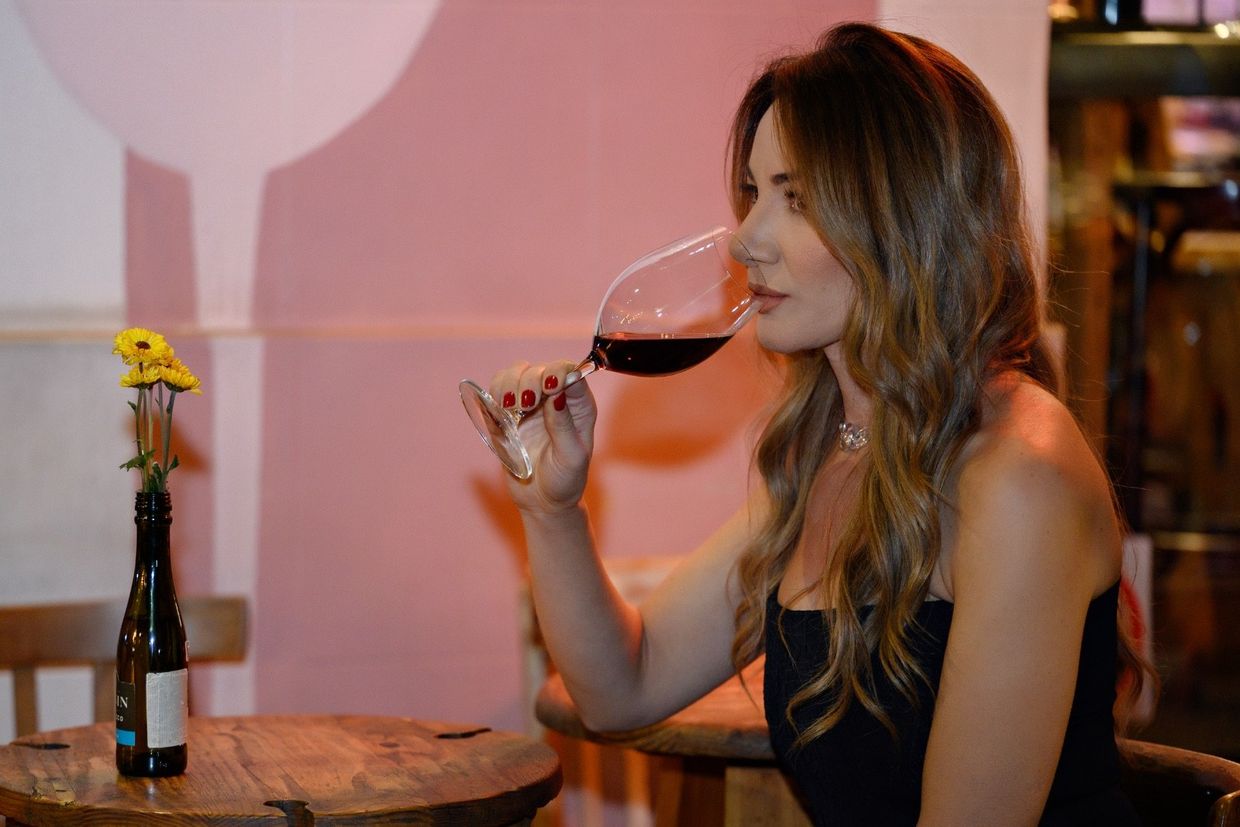
She notes that she chose not to focus on how men would receive her; she was just doing what she loved and what she was qualified for.
‘In Armenia, people were simply not accustomed to a woman leading a production. Yet these moments rarely last long. Once colleagues see that I can solve problems quickly, act professionally, and guide a process confidently, the skepticism dissolves’, she says.
‘In the end’, she emphasises, ‘everything is decided by the quality of your work’.
A male-dominated industry for centuries
Back in 2012, when Saryan, the famous wine street of Yerevan, opened the door of its first wine club, In Vino, one could hardly find a bottle of wine produced by a woman. Now, it hosts so many wines made by women that the club’s co-founder, Mariam Saghatelyan, can’t count.
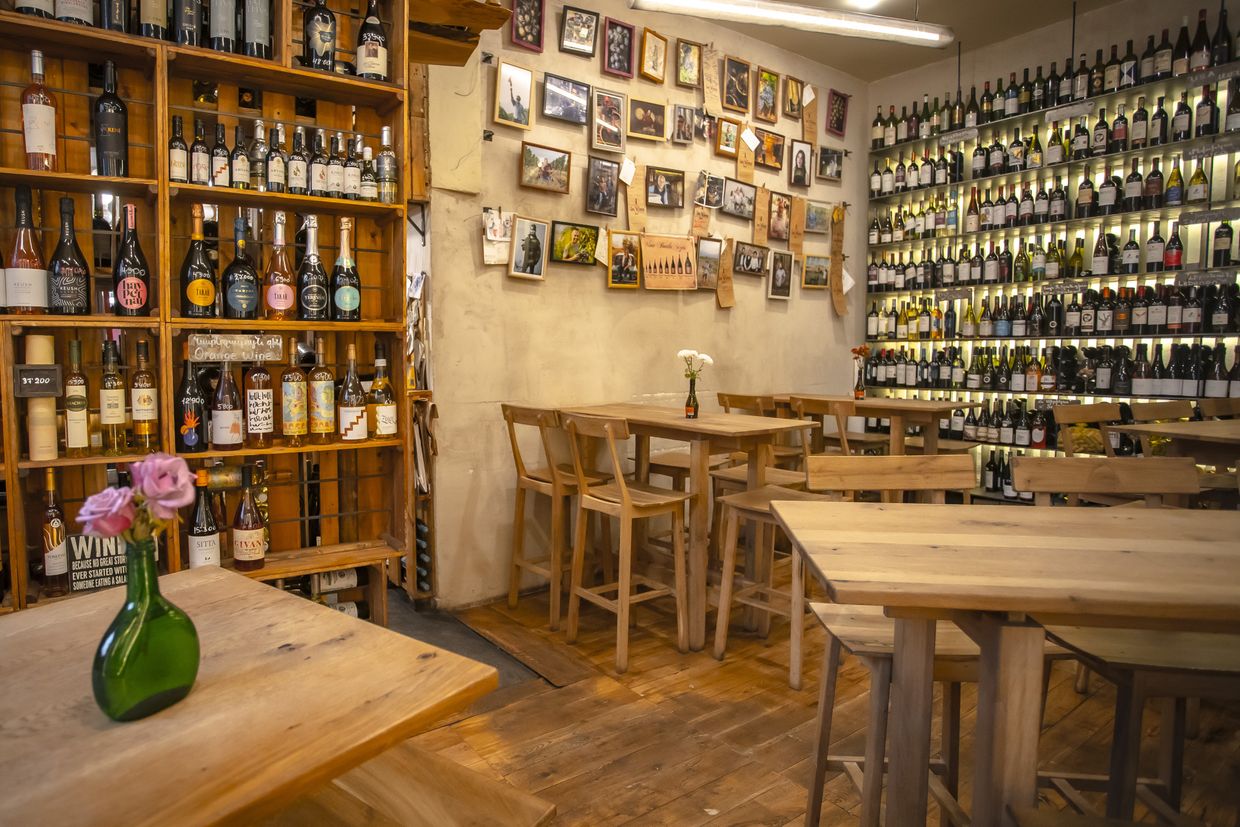
Saghatelyan, whose father has a vineyard in the Vayots Dzor province, has been involved in the wine industry for many years, following its transformation across the decades.
She recalls a time when customers walking into In Vino would speak to her skeptically. She never argued or tried to ‘prove’ anything — she simply worked and quietly changed perceptions.
‘There were different people who at first didn’t believe that a woman could understand wine, but I never blamed them, I didn’t take it as gender-based violation. For centuries this field was male dominated, thus it’s normal to have this portrait’, Saghatelyan tells OC Media.
‘Instead of screaming or fighting against it, women did more than that: they created an inclusive and collaborative environment, where gender doesn’t play a role — the only key is professionalism’, she adds.
Saghatelyan believes the true victory is that women introduced a spirit of collaboration to the Armenian wine industry, noting that there is no competition, women support each other and focus on strengthening Armenian winemaking as a whole.
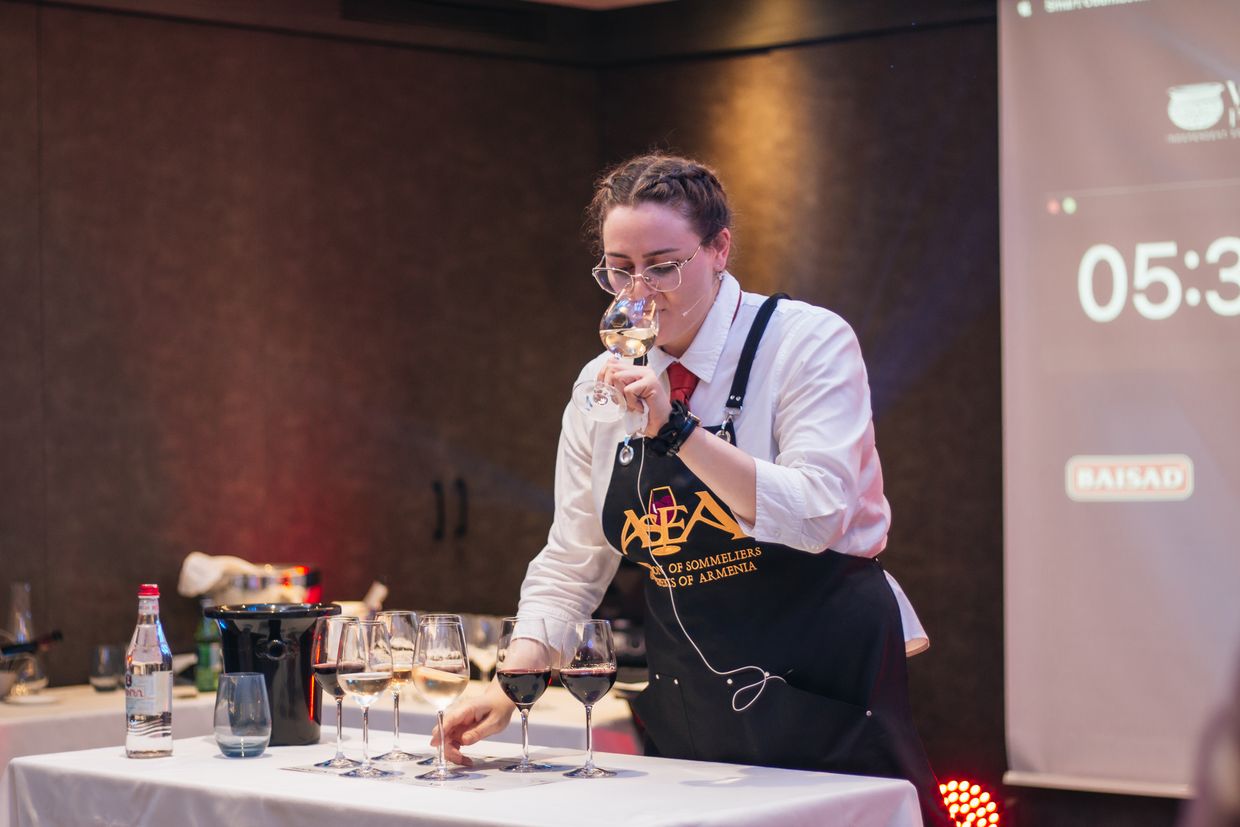
She recalls the story of the Widow Clicquot, who made history in the champagne industry. The widow lost her husband at the age of 27 and ‘was determined to protect her family’s legacy and boldly challenge the men set on stripping her of her vineyards’. Saghatelyan sees similarities between the Widow Clicquot and Armenian women in winemaking today:
‘If we research the field of winemaking in Armenia, usually women are involved in marketing, sales, social media management, and other areas. But now, when technologies are developed enough to avoid physically hard work, women have more opportunities to be directly involved in the process’, Saghatelyan says.
She remembers that her own father would never just let her do the soft tasks — instead, she was engaged in the whole process on the ground. It was hard, but she emphasises that this is how wine is made: through passion, effort, patience, and love.
Bringing change, step by step
Sometimes, however, cultural attitudes are not the only barriers — legislation can also fail to consider women’s needs. Khachaturyan remembers the difficult period after giving birth, when she found herself trapped between two options. Under Armenian law, a woman cannot go on paid maternity leave and simultaneously operate her sole proprietorship (IE), unless she is classified as a micro-enterprise.
‘Should I pause or suspend my sole proprietorship and go on paid maternity leave, or forfeit the benefits but be able to pay my small team?’, she questions.
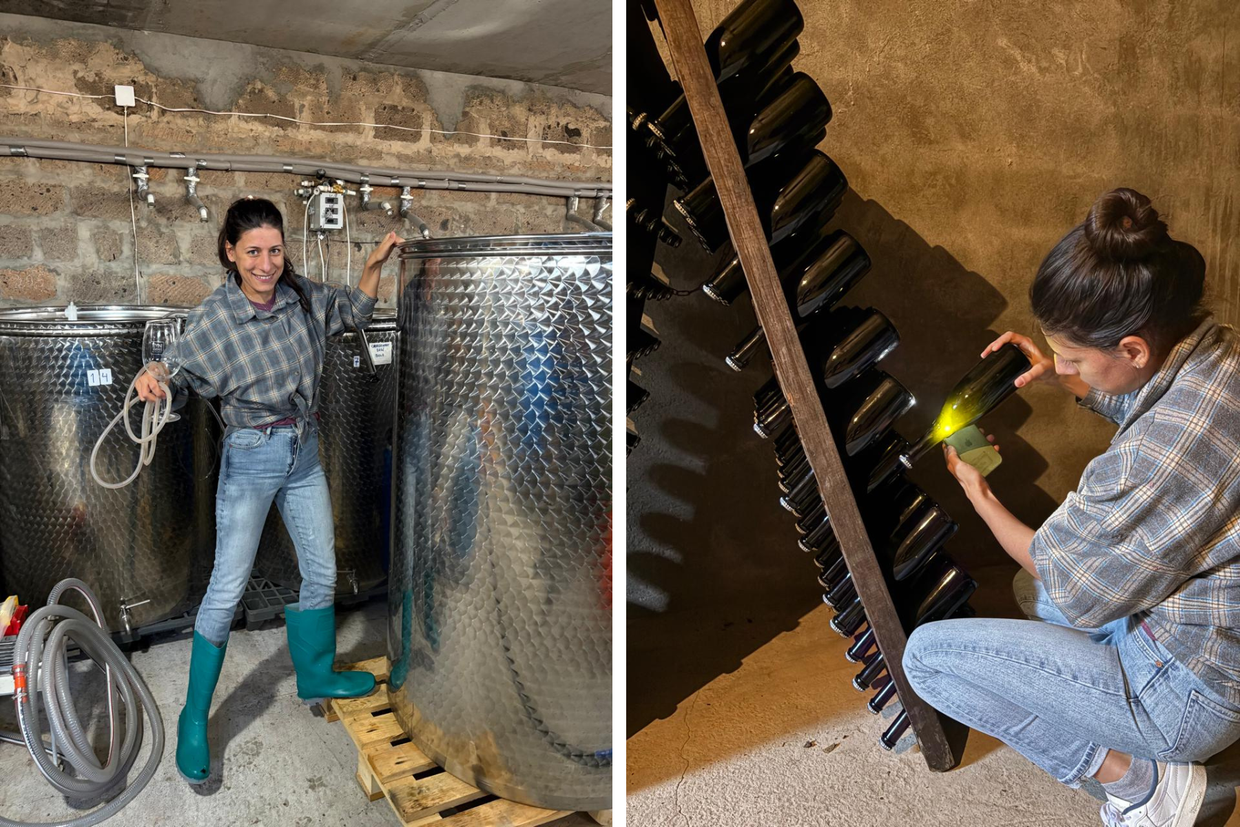
Khachaturyan believes that reforms should be applied to legislation to make decisions taking into account the rights of women. If centuries ago it was normal to write laws from the perspective of men, because women were not even allowed to vote, now a lot has changed, and the laws need to be revised.
Yet legal reforms take time, and society must be prepared for them. This is why women’s involvement in agriculture is essential not only for representation but for protecting their own rights, Khachaturyan says.
Similarly, for Manukyan, working in rural communities is not just about presence; it is about trust.
‘Winemaking is rooted in agriculture, and agriculture depends on trust’, she says.
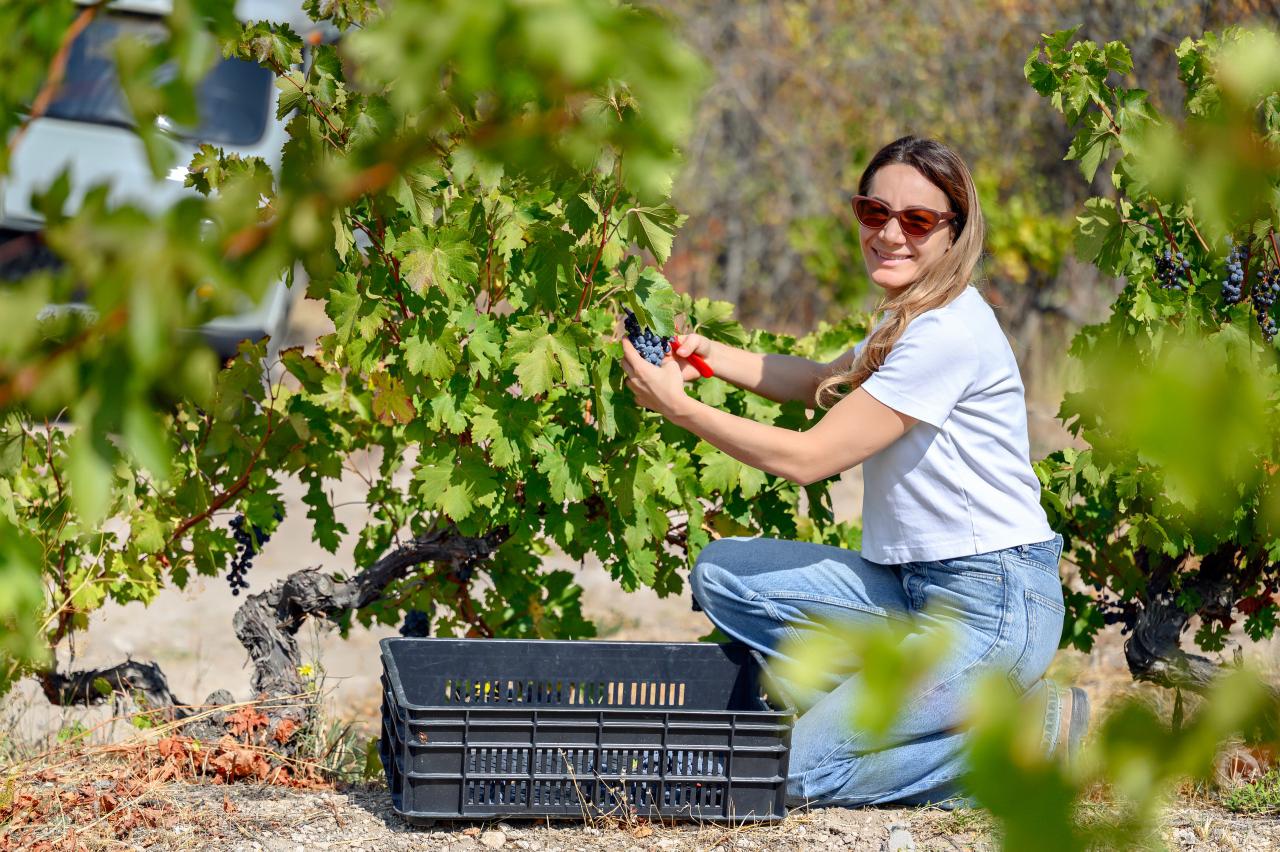
‘In the villages, change comes slowly. It’s a long process. But when people see real examples — women doing this work confidently — it can inspire others. These people will be ready for other global changes in the future because they’ve witnessed micro-changes in their communities done by women’, Manukyan adds.
Today, many women in Armenia produce their own wine, work their own vineyards, and become sommeliers. Yet at the same time, large wineries still primarily hire men as chief winemakers — Saghatelyan can recall only one woman in such a position in a major Armenian wine factory. Yet she sees progress.
‘One can see it as a problem, but if you research the history of Armenian wine, you will see the vivid changes. Step by step, women enter the big industries, become first assistants to male chief winemakers, and hold pivotal positions. This is a milestone we should celebrate’, Saghatelyan says.
When someone buys a bottle of wine, they seek intimacy, warmth, and the feeling that the wine was made for them. A handful of people even want to know who made it: whether it was a man or a woman. And perhaps this is where real hope lies: that someday, the term ‘woman winemaker’ will no longer point to inequality, but simply honour the women who helped create an industry where gender doesn’t matter at all.