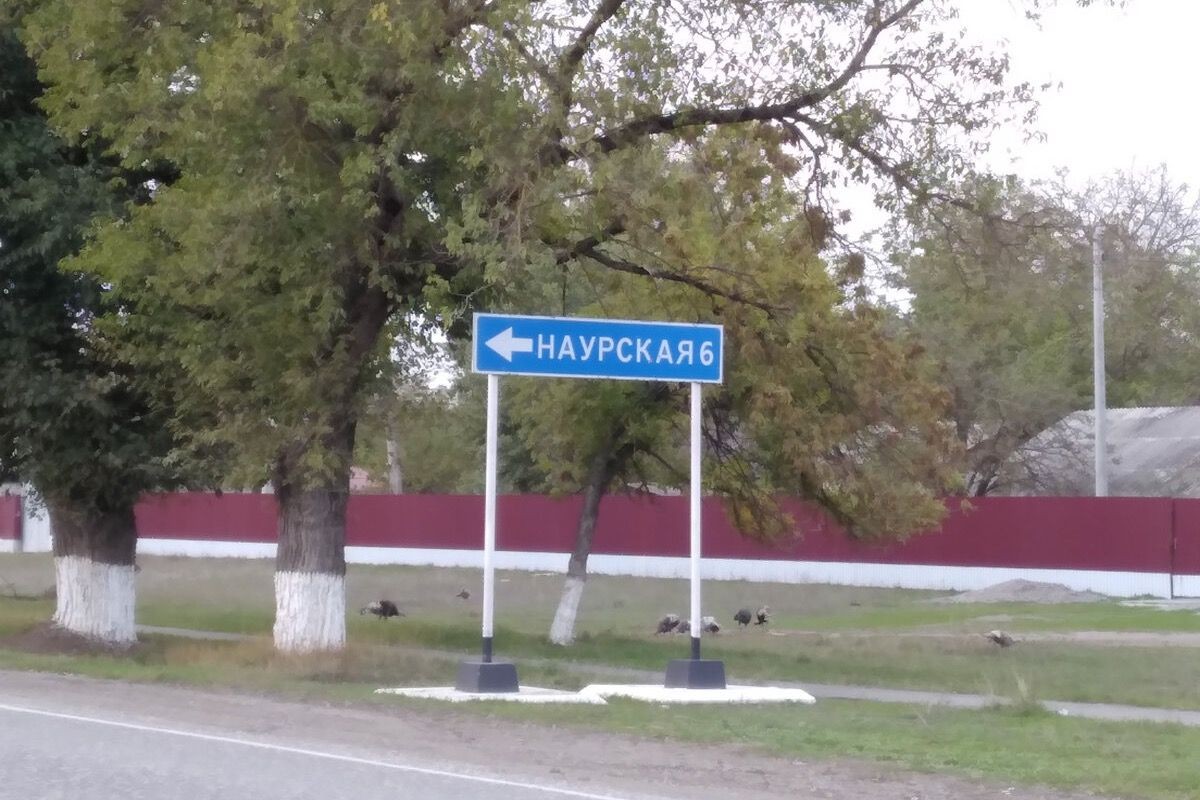
The Naursky District Court in Chechnya has registered an administrative case based on ‘the deliberate search for extremist materials on the internet’ against local resident Isa Magamadov, the independent Russian media outlet Verstka has reported.
This case is the second known instance in Russia of a person being held administratively liable specifically for searching for ‘extremist materials’ online.
According to court records, the materials were submitted to the court on Wednesday. As of publication, a hearing date has not yet been scheduled. The court documents do not specify what exactly served as the basis for drawing up the protocol.
According to Verstka, Magamadov, 29, lives in the village of Alpatovo in Chechnya’s Naursky District. Until at least 2022, Magamadov worked for the private security company Alfa-Legion. According to information published on the company’s website, its founders include members of the Association of Veterans of the Alpha Special Forces Unit.
Earlier, on 10 December 2025, a magistrate’s court in Kamensk-Uralsky in the Sverdlovsk region issued the first ruling under this article, fining medical orderly Sergei Glukhikh ₽3,000 ($40).
According to the investigation, Glukhikh, while on a bus, searched Google on his phone and viewed an image of a chevron belonging to Ukraine’s Azov Battalion.
From the testimony of police captain Marina Kanzafarova, who drew up the protocol against Glukhikh, police had received a ‘report from an unidentified person’ about a violation with ‘signs of extremist orientation’. At the same time, the case materials contained information indicating that it was officers of the Federal Security Service (FSB) who had contacted the Interior Ministry.
An FSB representative, Anton Zamaraev, told the court that Glukhikh had long been ‘in the field of view’ of the security services. Zamaraev refused to answer questions about how the FSB had obtained information about Glukhikh’s search queries.
Introduced in 2023, the legislation covers administrative liability for the intentional search for and access to materials recognised as extremist and included in the federal list maintained by Russia’s Justice Ministry. The sanction under the article provides a fine for individuals. Before this provision was introduced, administrative and criminal cases were usually initiated for the dissemination, storage with intent to disseminate, or public display of prohibited materials, rather than for the mere fact of searching for them.
 Elizaveta Chukharova