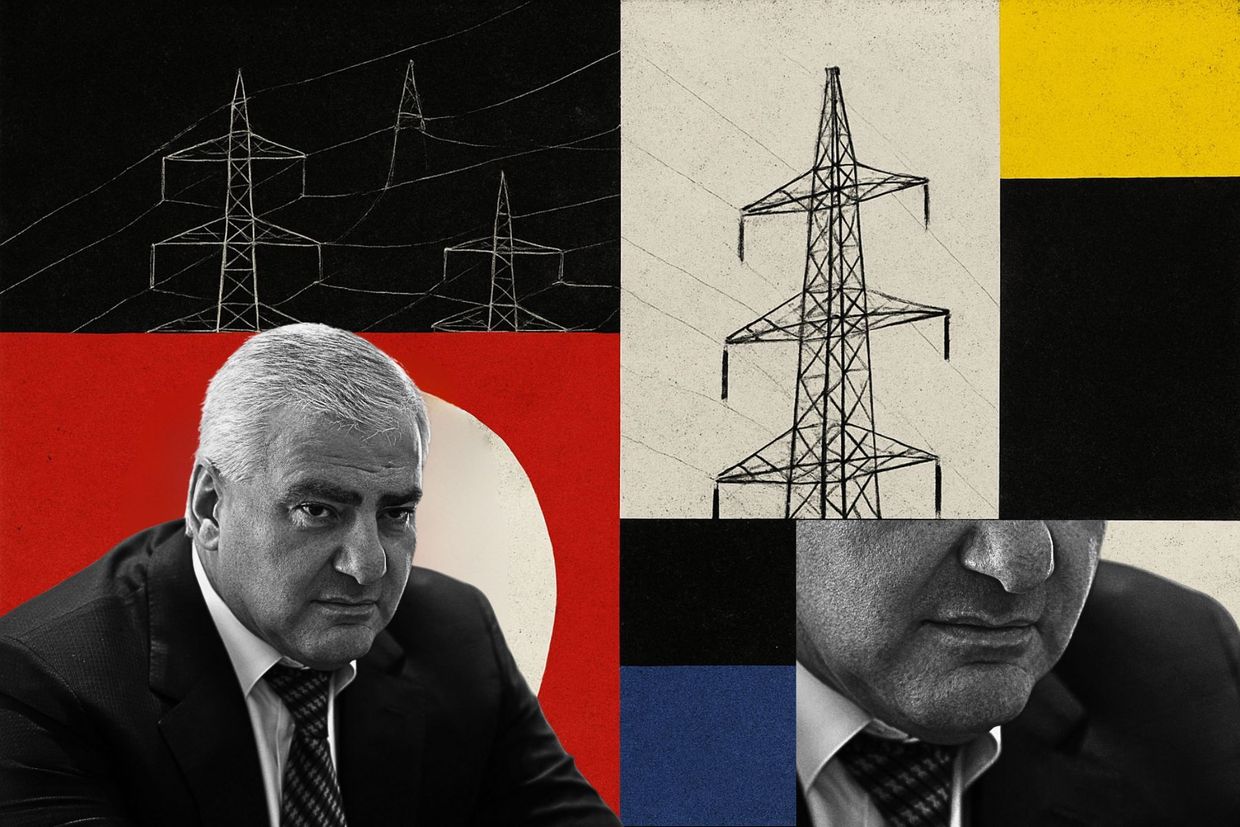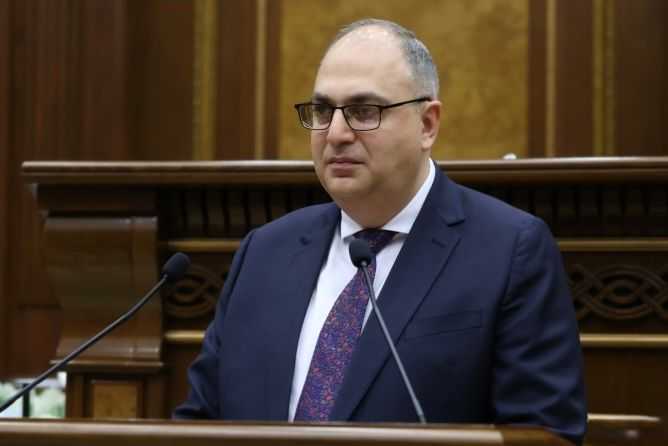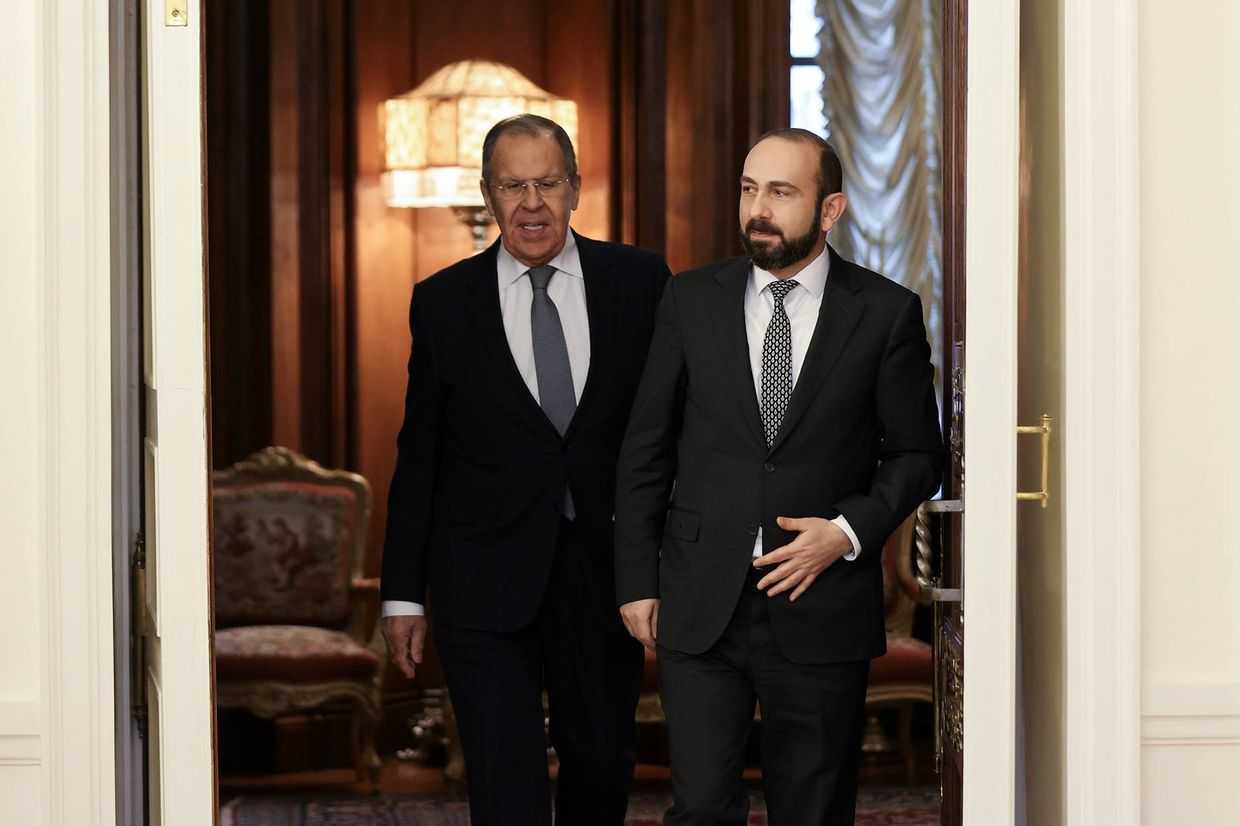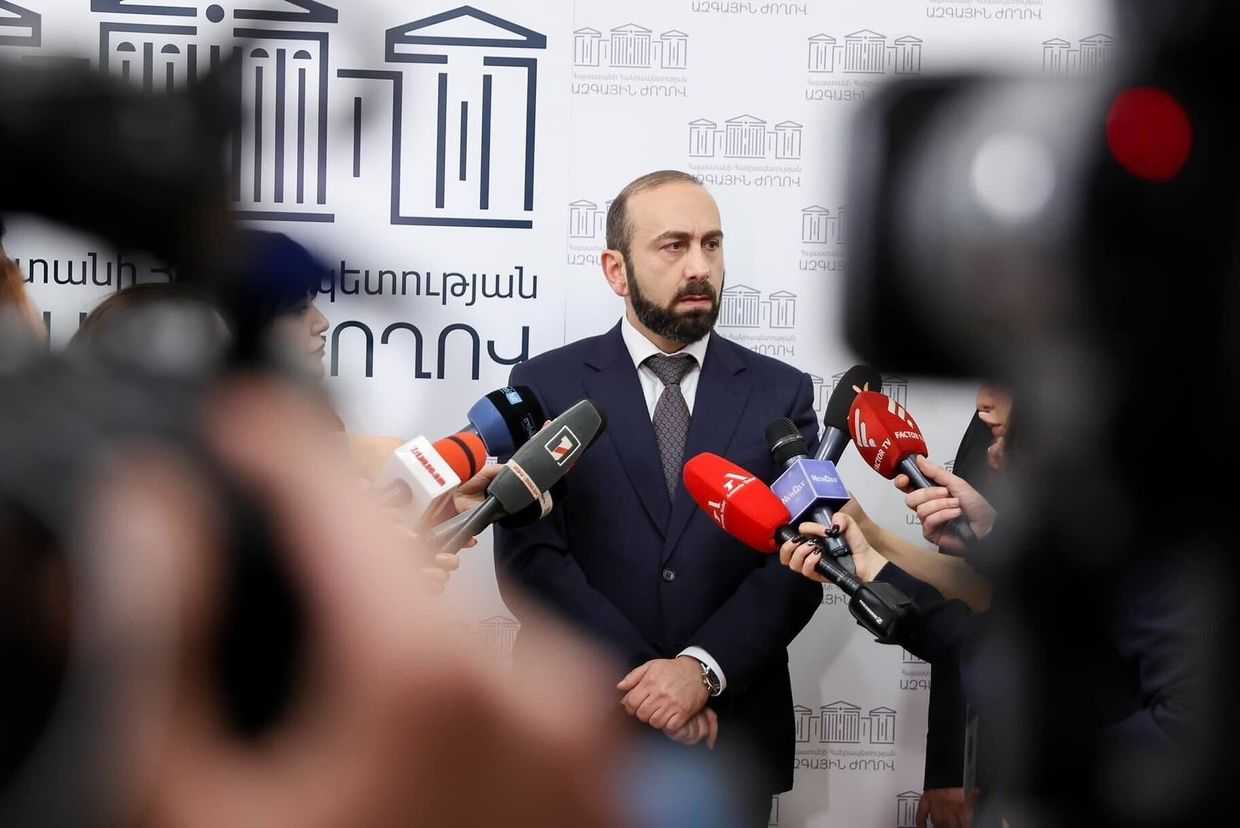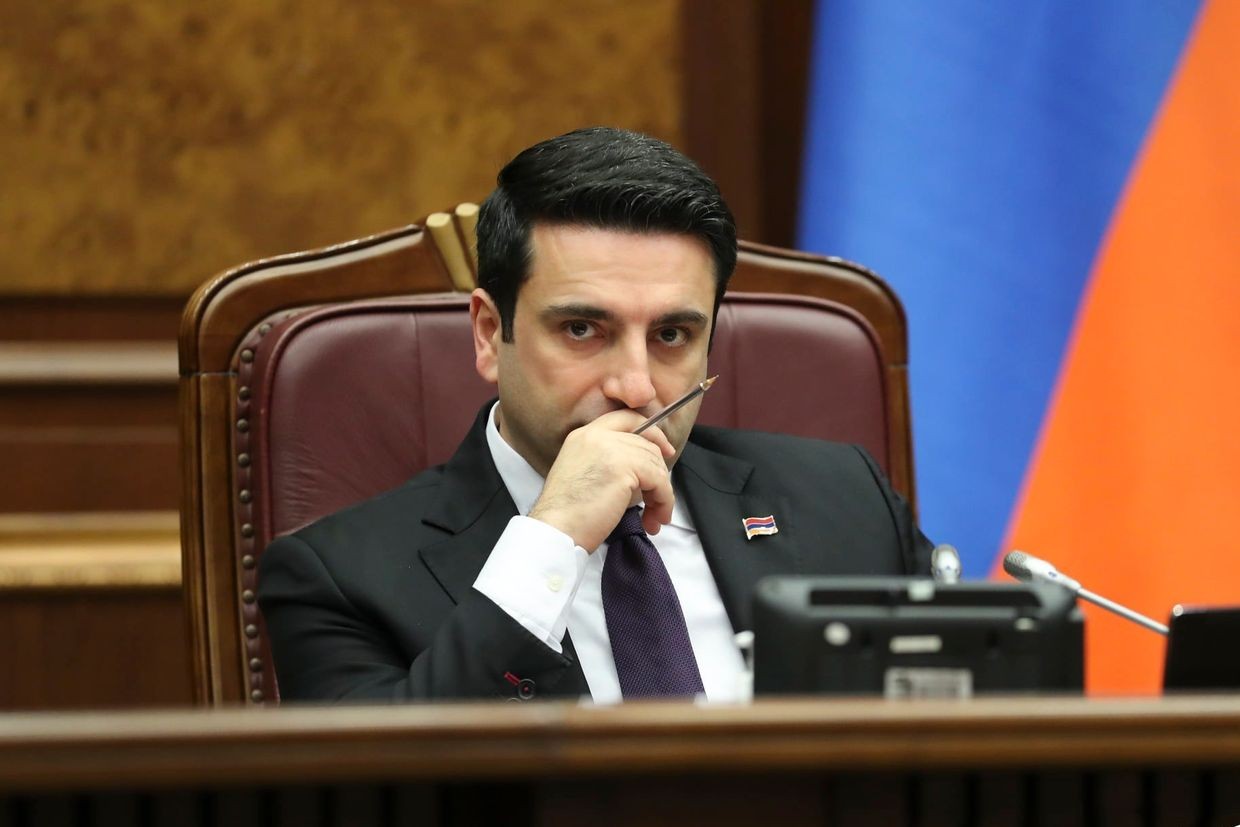
Armenian Parliamentary Speaker Alen Simonyan called the bulk of the country’s political opposition ‘parties of war’ in comments to the press on Tuesday, explicitly framing the upcoming parliamentary elections in June as a stark choice between peace and war. Simonyan’s comments follow similar remarks made by Prime Minister Nikol Pashinyan earlier in March.
Simonyan highlighted the progress made towards peace with Azerbaijan, emphasising that real dividends have already been reaped, although the peace treaty has also been initialled, not signed. For the first time since the collapse of the Soviet Union, Armenia and Azerbaijan have begun trading with one another, he said, adding that there have been no fatal border incidents over the past two years.
‘I understand that the forces currently in the [parliament] hall, and those who want to enter parliament, need war — they need to talk about war in order to build something politically on it. But right now, there is no war; there is peace’, Simonyan said.
‘The current government of the Republic of Armenia — the Civil Contract party — is a party of peace, while the main opposition actors are parties of war. That is the reality. If people say that claims must be made, that is called war’.
The efforts towards peace must be protected lest they ‘slip away’, he said.
Ahead of the parliamentary election in June, Pashinyan and other Civil Contract officials have accused the most prominent opposition parties of threatening that peace. While the bulk of the opposition have not called for attempting to retake Nagorno-Karabakh by force, they have attacked Pashinyan for presiding over the region’s surrender, as well as criticising the way in general that the government is approaching the peace process with Azerbaijan.
For his part, Pashinyan has made the ‘Real Armenia’ narrative — meaning that Armenians must accept modern Armenia within its current borders — a key part of his political messaging. Referencing the narrative, he has hit back at opposition figures who have said that Armenian heritage sites currently located in Turkey and Nagorno-Karabakh ‘are ours’.
Opposition members have rejected these charges, saying they seek only to defend such heritage sites and facilitate the release of Armenian prisoners held in Azerbaijan.
Currently, there are 19 Armenian prisoners held in Azerbaijan, among them former Nagorno-Karabakh political and military leaders.
 Arshaluys Barseghyan