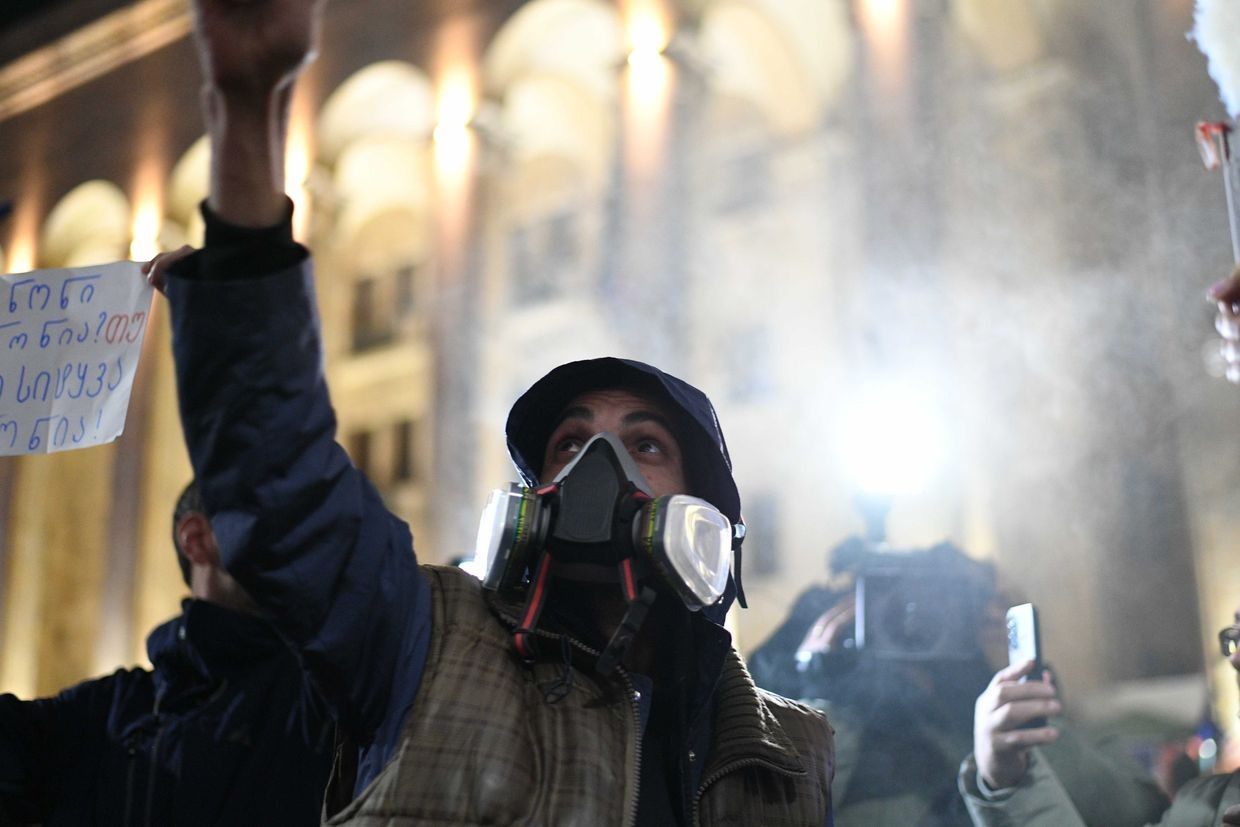
The BBC’s recent investigation, suggesting Georgian police used a WWI-era chemical against protesters in November–December 2024, has triggered strong reactions across ruling and opposition circles. Georgia’s security services have opened a probe and already summoned one BBC interviewee, while Prime Minister Irakli Kobakhidze hinted that spreading ‘false information harmful to the state’ could be a crime.
The BBC documentary and accompanying article were published on Monday and quickly became one of the most discussed topics in Georgian media and on social media.
According to the film, the channel found evidence pointing to the use of an agent the French military referred to as ‘camite’ in Tbilisi during the November–December 2024 protests against the government’s EU U-turn. The substance has been out of use since the 1930s, amidst concerns about its long-lasting effects.
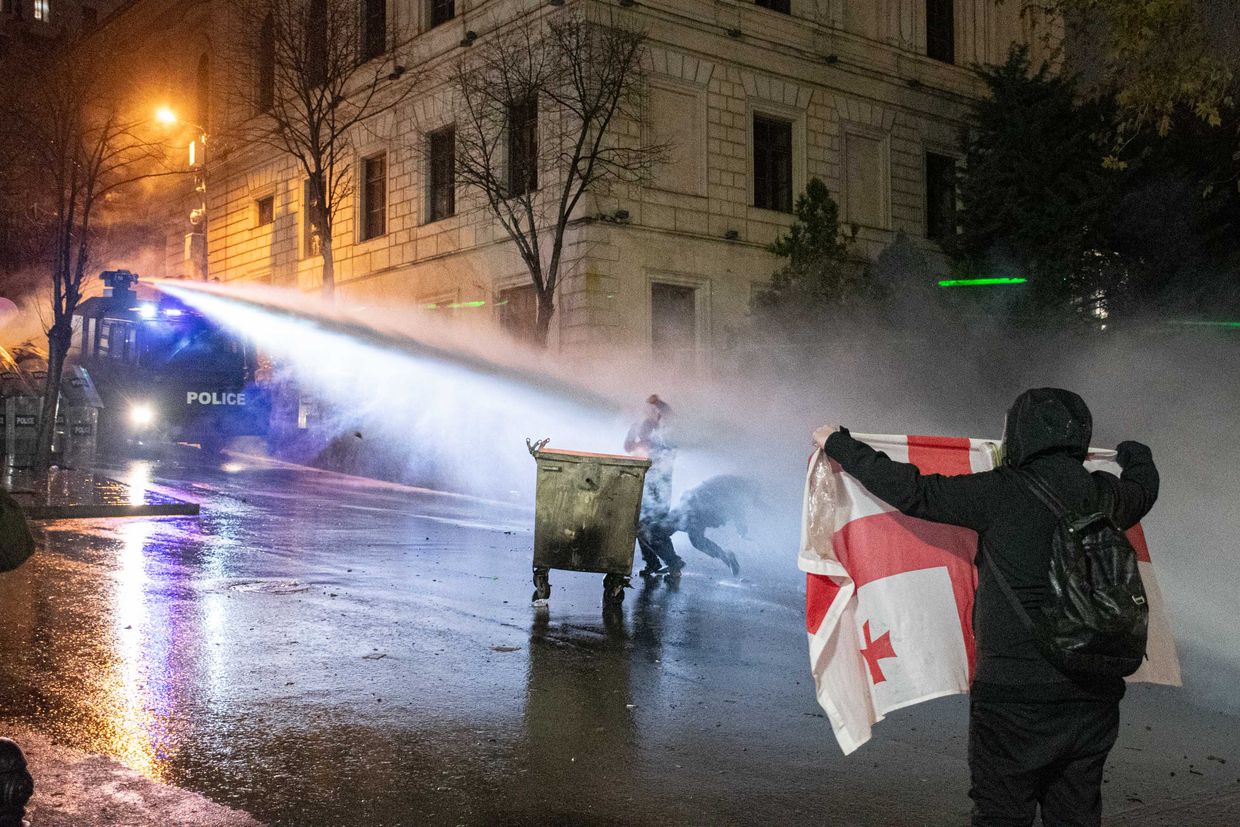
The investigation was based on interviews and consultations with chemical weapons experts, whistleblowers from Georgia’s riot police, doctors, and victims of the crackdowns. One key finding was a 2019 document from Georgia’s riot police. Compiling the materials, the BBC suggested that ‘camite’ could have been mixed in water cannons to be used against protesters.
The weapons experts the BBC consulted further concluded that ‘given there are safer and more conventional riot-control agents available to police, an obsolete and more potent agent could be classed as a chemical weapon’.
‘Georgian Dream is poisoning us!’
The BBC investigation sparked a wave of outrage amongst Georgian Dream critics.
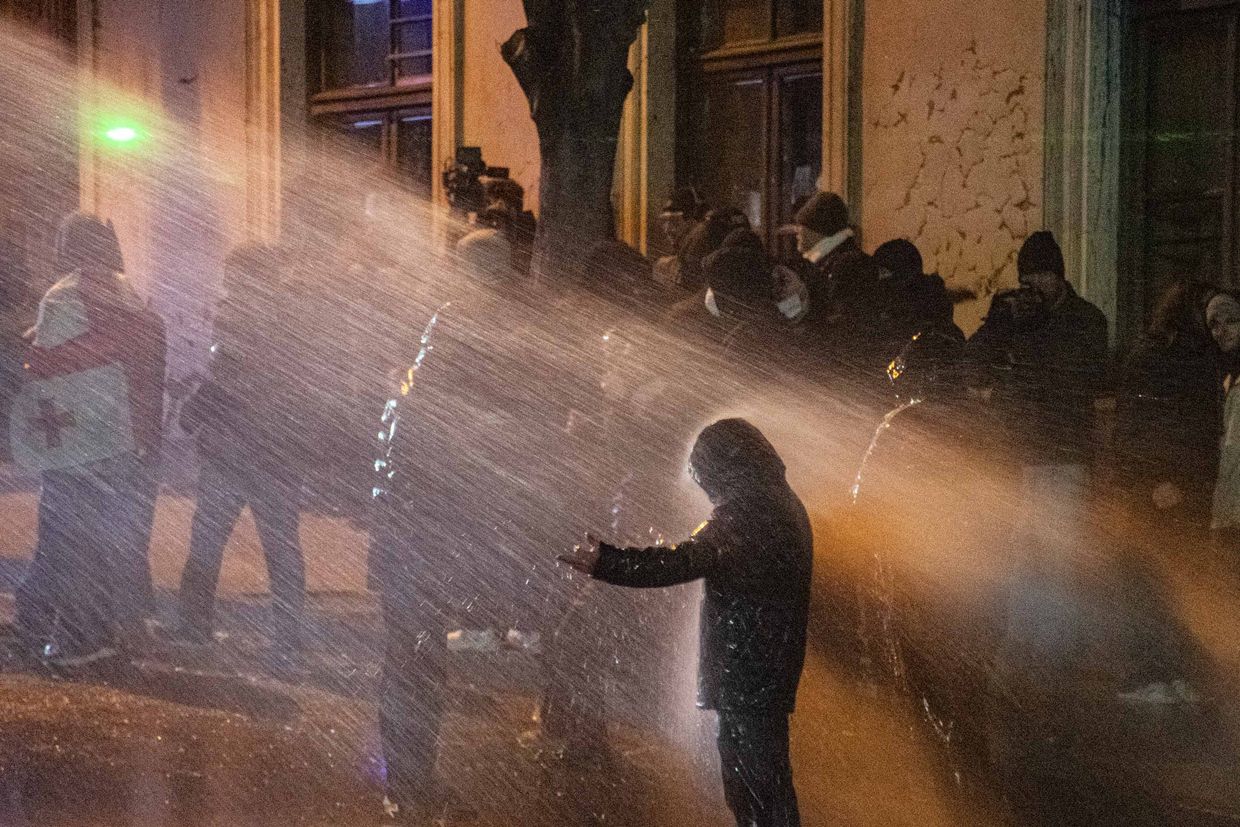
Participants in the winter 2024 protests, as well as journalists covering the events, recalled on social media and in interviews with government-critical media platforms the symptoms they experienced after the crackdowns. These included skin burning, coughing, breathing difficulties, allergic reactions, and nosebleeds, with some noting that they are still experiencing the consequences today.
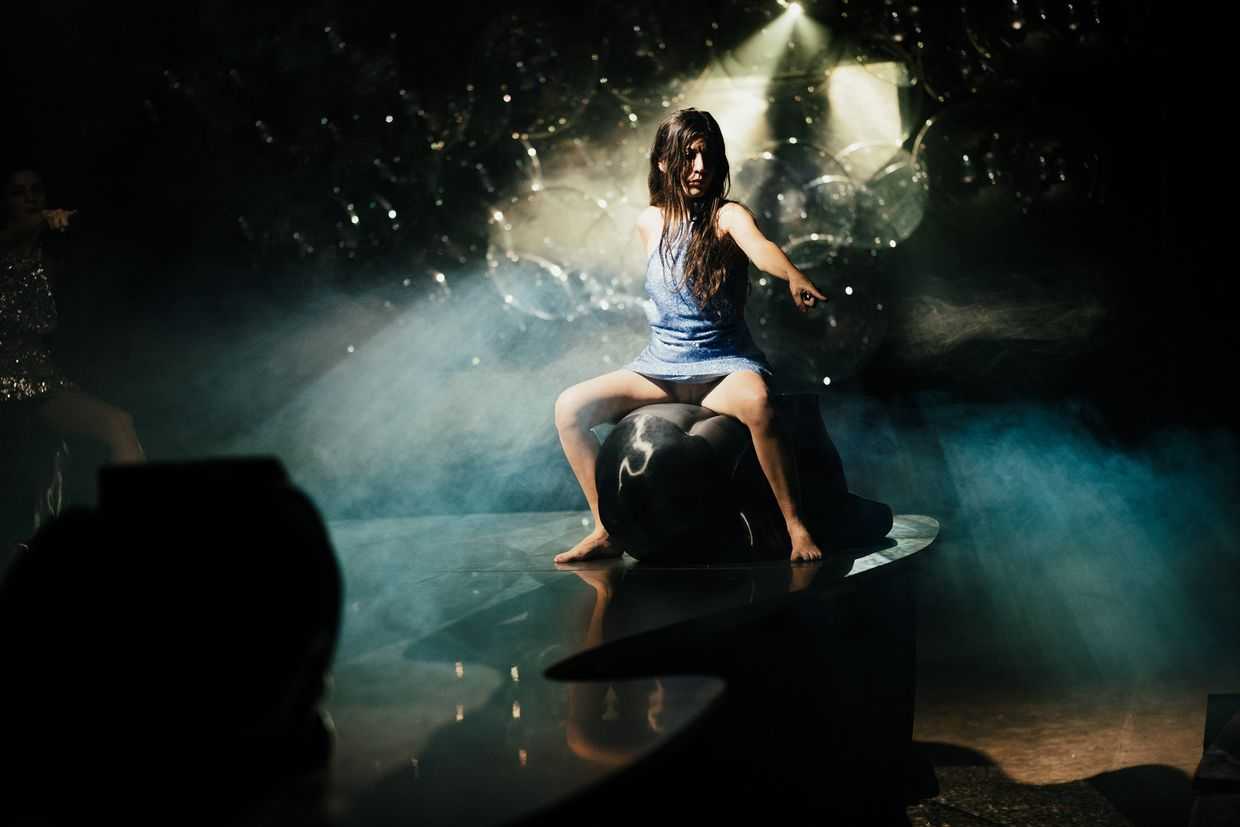
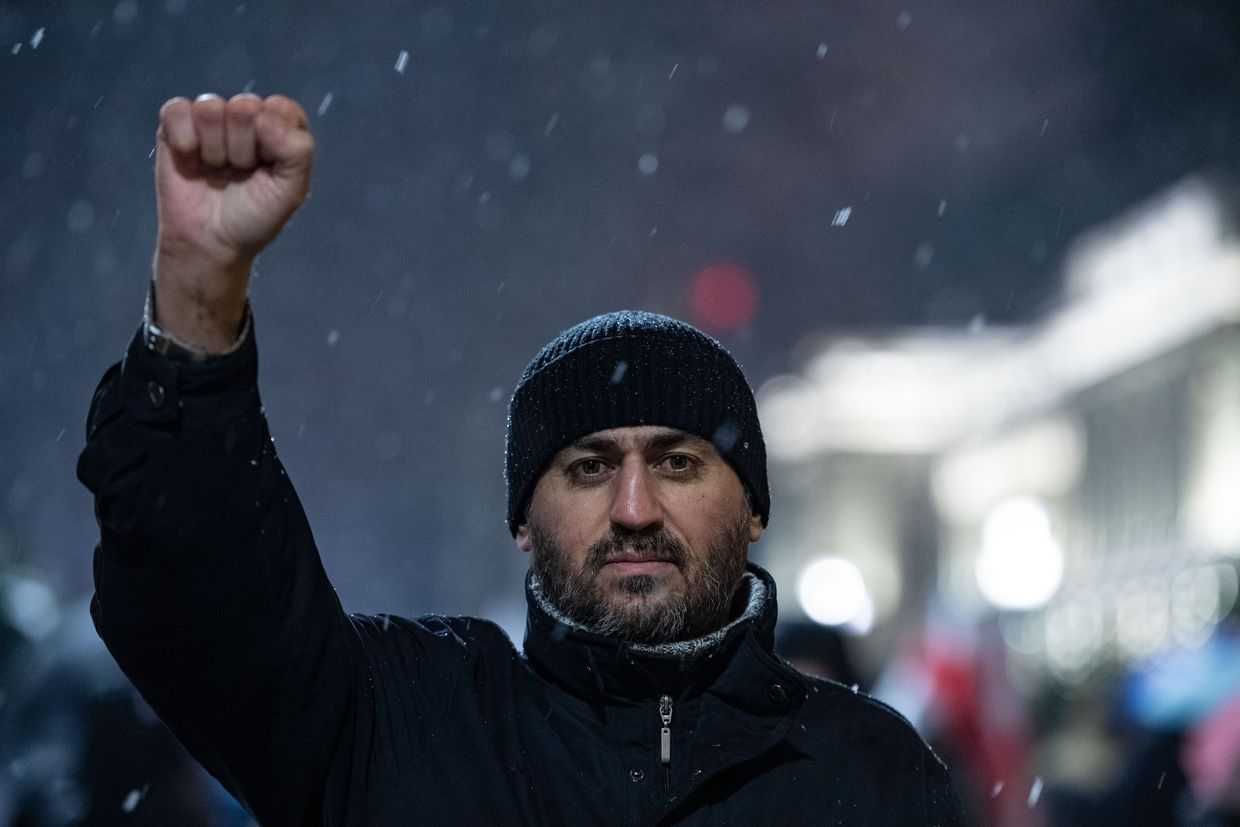
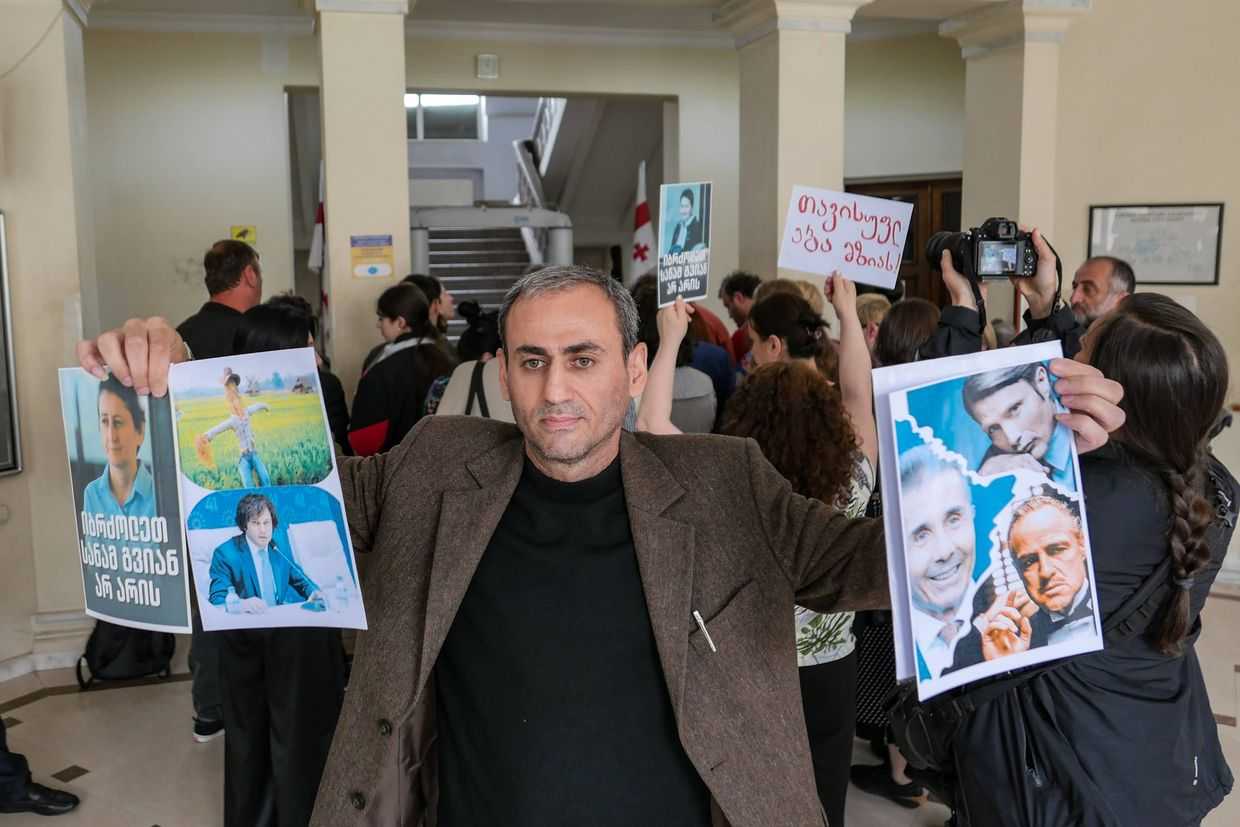
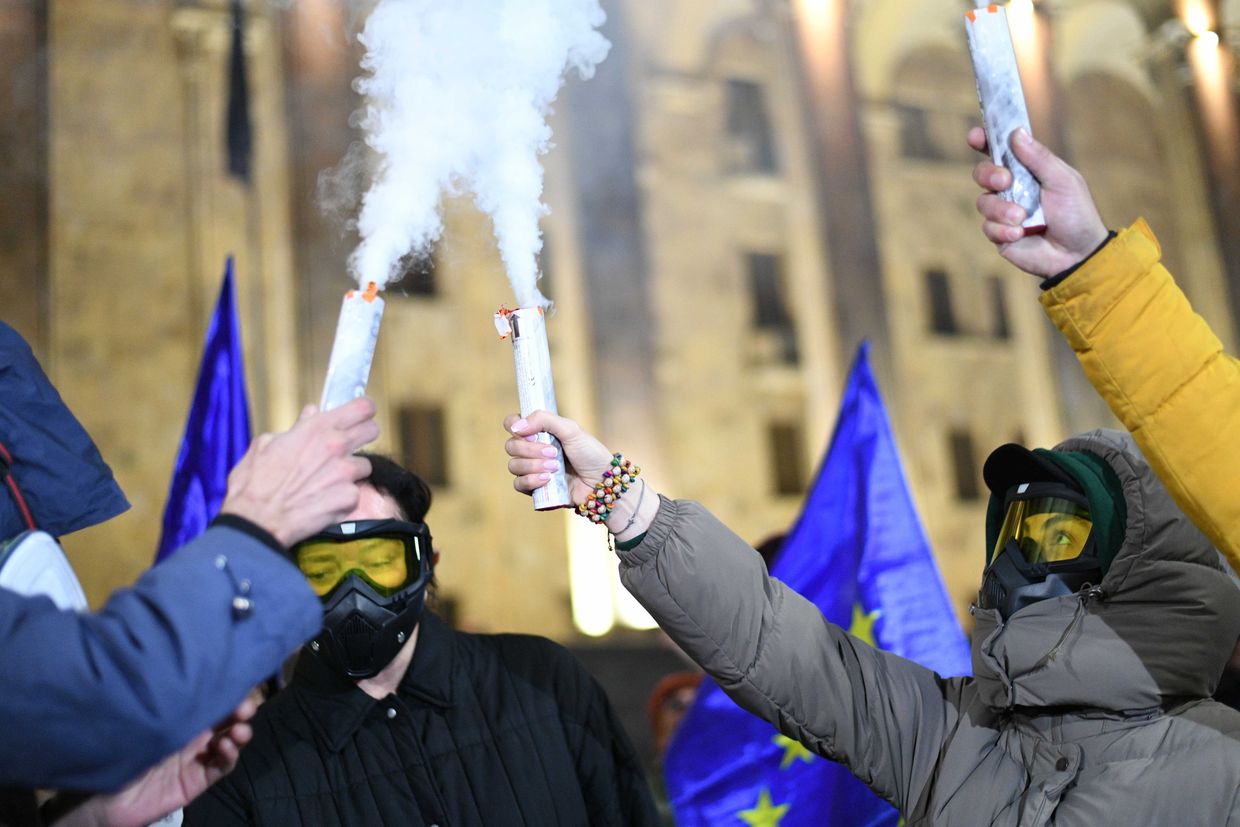
Participants of the daily anti-government protests in Tbilisi reacted to the BBC findings with a performance on Monday evening. Standing at the parliament, the traditional spot of protests, they released white smoke to symbolise the dispersal agents used against demonstrators. Some carried posters reading ‘Georgian Dream is poisoning us!’, ‘Water should not be a weapon!’, and ‘Your chemical attacks will not go unpunished’.
That same evening, eight Georgian opposition parties issued a statement calling for an international investigation into the findings presented in the documentary. They stated that ‘in a country where all state institutions are subordinated to a single political party, an impartial internal investigation is unrealistic’.
On Tuesday, 25 Georgian civil society organisations also responded to the documentary, demanding that the government publicly answer the question, ‘What chemical substances did the police use against peaceful protests in November–December 2024?’
‘We will contact the relevant international organisations and institutions in the coming days to ensure that expert teams with the necessary competence and qualifications can come to Georgia and fully expose this criminal scheme’, they said.
Concerns over the substances used during the 2024 dispersals have been raised previously. At the time, the Georgian Young Lawyers’ Association (GYLA) demanded details from the Interior Ministry, stating that the police ‘actively used chemical agents, including tear gas and chemical irritants mixed into water cannons’ during protests.
Former and current ministers comment
State officials have never outright denied, either now or in the past, that substances could have been added to water cannons during the crackdowns. On 30 November 2024, in the midst of the dispersals, Deputy Interior Minister Alexander Darakhvelidze said that ‘when necessary, it is possible for water cannons to contain substances permitted by law’.
‘That could be gas, or other agents, even dyes, etc. When there is a need and a legal basis, the police use these means’, he said at the time.
Following the BBC film, the discussion now concerns not only the addition of substances to water cannons but also the Interior Ministry’s possession and use of the specific chemical named — ‘camite’.
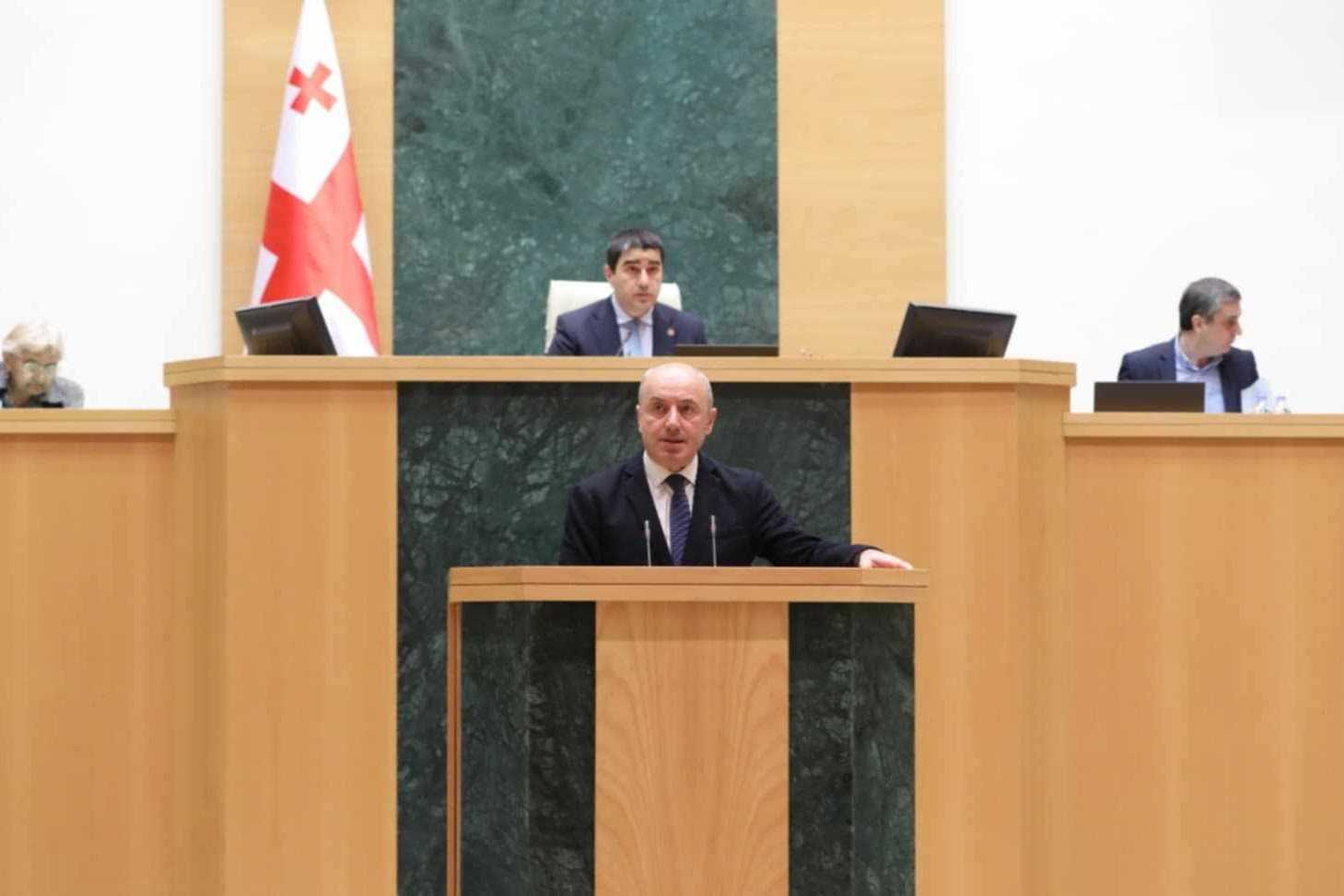
Both the current Interior Minister, Gela Geladze, and former Minister Vakhtang Gomelauri — who held the post from 2019 to 2025 — commented on the BBC investigation.
Gomelauri’s comment to the pro-government Imedi TV was interpreted by some as factual confirmation that ‘camite’ existed, at least in the past, in the Interior Ministry’s arsenal. In his words, ‘the substances they are talking about were indeed acquired and used by the Interior Ministry, but only before 2012’, indicating this occurred during the United National Movement’s government, before Georgian Dream came to power.
‘If I’m not mistaken, the last purchase should have been made in 2009 or 2010; since then, the Interior Ministry has neither acquired nor used it’, he added.
Geladze gave a different statement on Tuesday, saying the ministry has never acquired ‘camite’.
‘Mr Vakhtang was referring to various substances purchased in 2009; your hopes are simply mistaken — it was not camite’, he told journalists.
‘During the protests, the Interior Ministry did not use any substances that were hazardous to health’, he added.
SSG begins summons
The ruling Georgian Dream party and pro-government media responded to the BBC material with attacks on the channel, dismissing its findings as false, while the ruling party labeled the BBC ‘fake media’ and announced it would sue the broadcaster in court.
In response, the BBC told the opposition-leaning TV Formula that the film firmly serves the public interest and that the channel is protecting its journalistic work.
Beyond the BBC itself, the state’s anger was also directed at government critics who gave interviews to the channel.
‘When you assist a specific organisation in spreading false information harmful to the state, this can be treated as a criminal act’, Prime Minister Irakli Kobakhidze warned on Tuesday, claiming that ‘false information’ was ‘deliberately provided to the BBC’ and that it was aimed ‘against the interests of the state’.
‘I am not the person who determines whether a crime has been committed; that is the responsibility of the relevant authorities. But, in general, providing false information against the interests of the state can be considered a crime’, he added.
The ‘relevant authority’ mentioned by Kobakhidze has already opened an investigation into the film: on Monday, the State Security Service of Georgia (SSG) announced that the probe was launched under two charges.
According to the SSG, the investigation will examine claims of harm to citizens’ health under the charge of abuse of official powers, while also making a probe under the charge of aiding a foreign organisation in hostile activities — an indication that the BBC’s interviewees would also be targeted.
The following day, on Tuesday, the State Security Service summoned doctor and activist Konstantine Chakhunashvili. He is one of the BBC’s interviewees and the co-author of a study, for which dozens of people affected by the crackdown underwent medical examinations. The study was cited in the BBC material. The co-author of the study, Konstantine Chakhunashvili’s brother, David Chakhunashvili, also wrote on social media that he had been summoned by the SSG.
That same day, Tamar Khundadze, a member of the opposition party Droa, was summoned by the SSG as well. Following the publication of the BBC material, she had spoken on social media and television about how she was affected during the dispersals.
The latest wave of protests in Georgia began on 28 November 2024, when Georgian Dream announced the suspension of the country’s EU membership bid. The first phase of demonstrations saw heavy clashes and brutal police violence against protesters and journalists.
Alongside the physical crackdown, Georgian Dream passed numerous restrictive laws during the protests, targeting street demonstrations, the media, civil society, and the political opposition.
 Mikheil Gvadzabia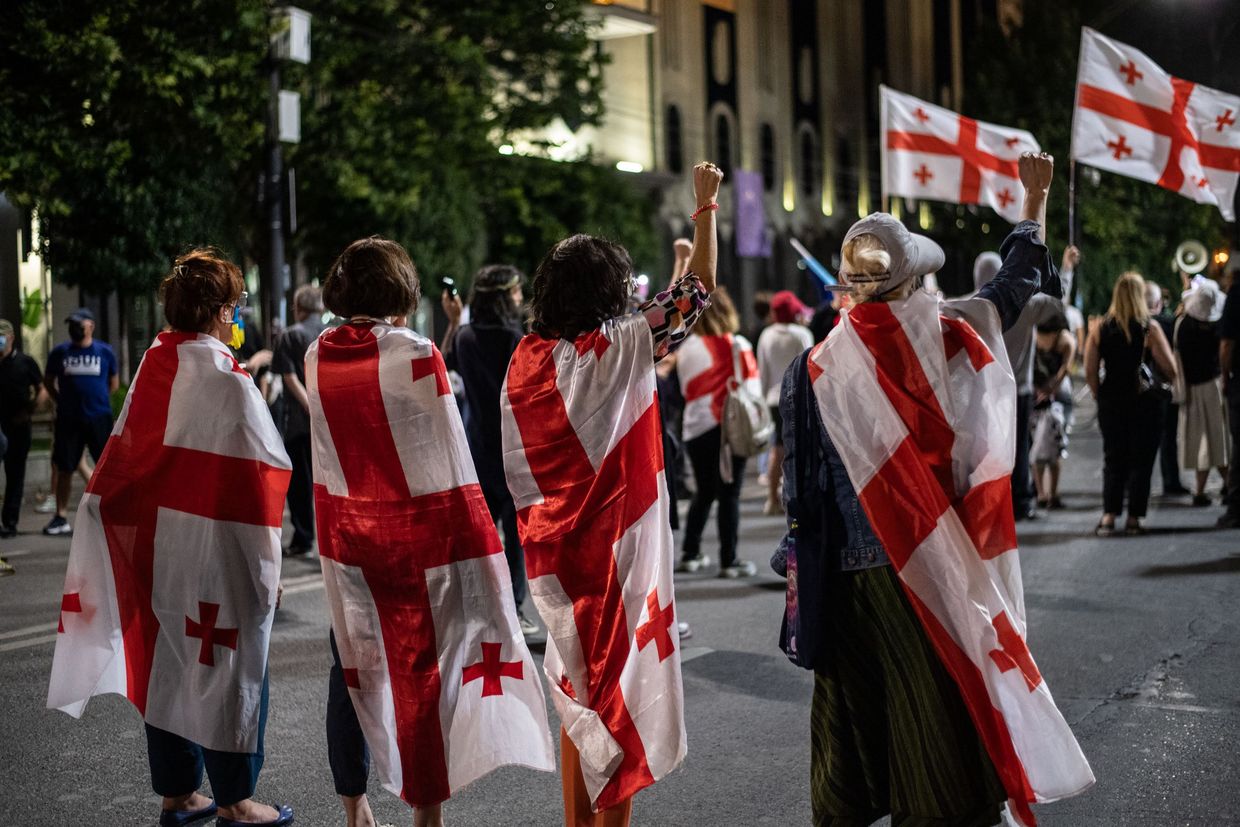
This article was translated into Armenian and republished by our partner CivilNet.