Under its new education reform, the Georgian government has cut 92% of admissions at the government-critical Ilia State University (ISU). The change is part of the government’s latest efforts to redistribute faculties between state universities, a decision that led to a student protest Thursday evening.
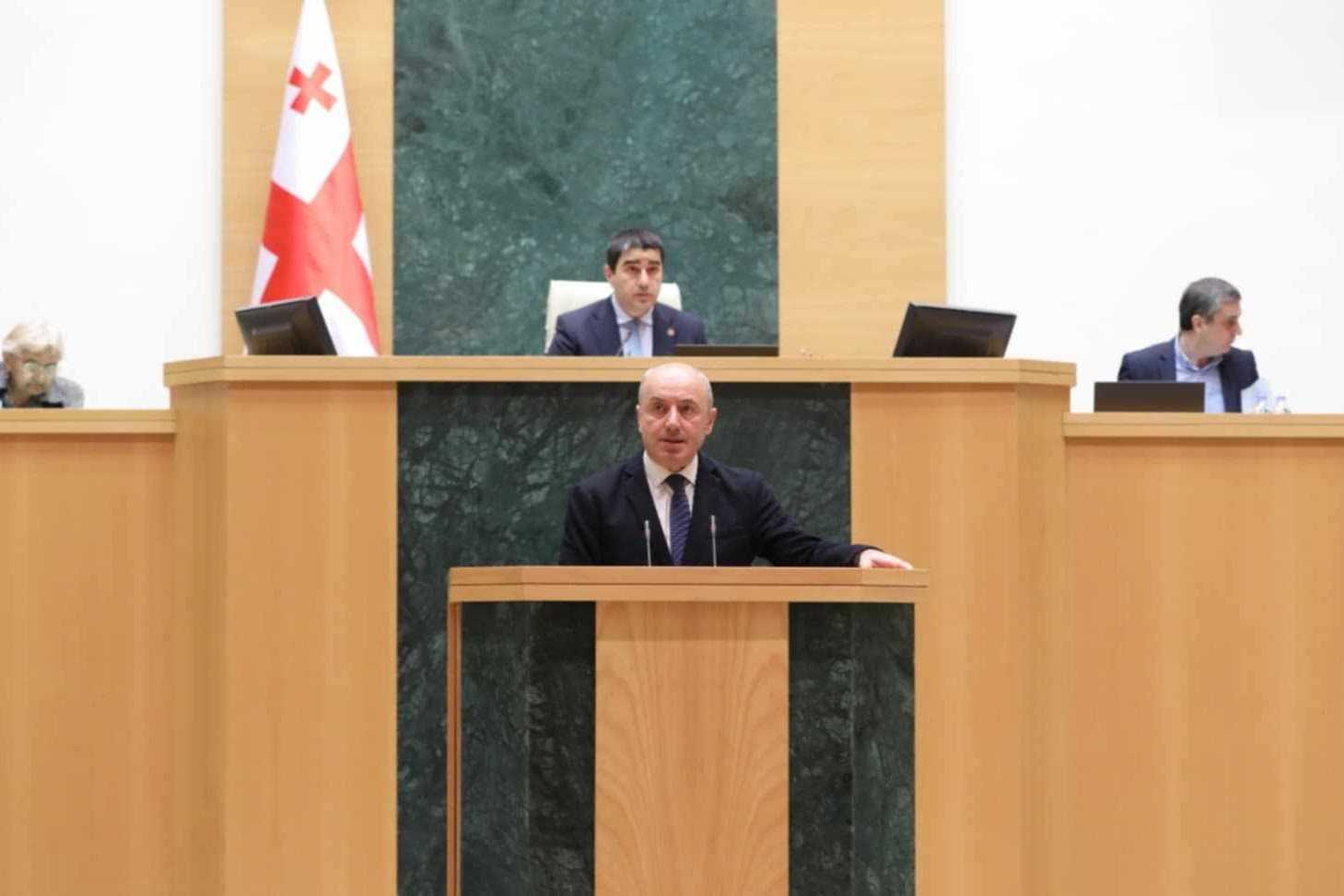
Education Minister Givi Mikanadze announced which universities would be authorised to teach specific disciplines, followed by the publication of a government decree listing the programmes and the permitted number of student admissions by each university.
The changes will affect numerous public universities across the country to varying degrees, but they will particularly impact the Tbilisi-based ISU, which, under the state’s decision, will retain only STEM and pedagogy programmes while losing others.
For the remaining bachelor programmes, the government will allow ISU to admit only 300 students in the next academic year on its bachelor programmes, which would mark a 92% decrease compared to the number of admissions announced for 2025–2026, according to an analysis by education specialists Shalva Tabatadze and Ketevan Chachkhiani.
Several critics described the decision as an attempt to undermine ISU, one of the country’s leading public universities, for its liberal outlook and critical stance toward the authorities.
At present, the university has four multi-programme faculties. According to ISU, it currently has more than 17,000 students and up to 3,000 staff members.
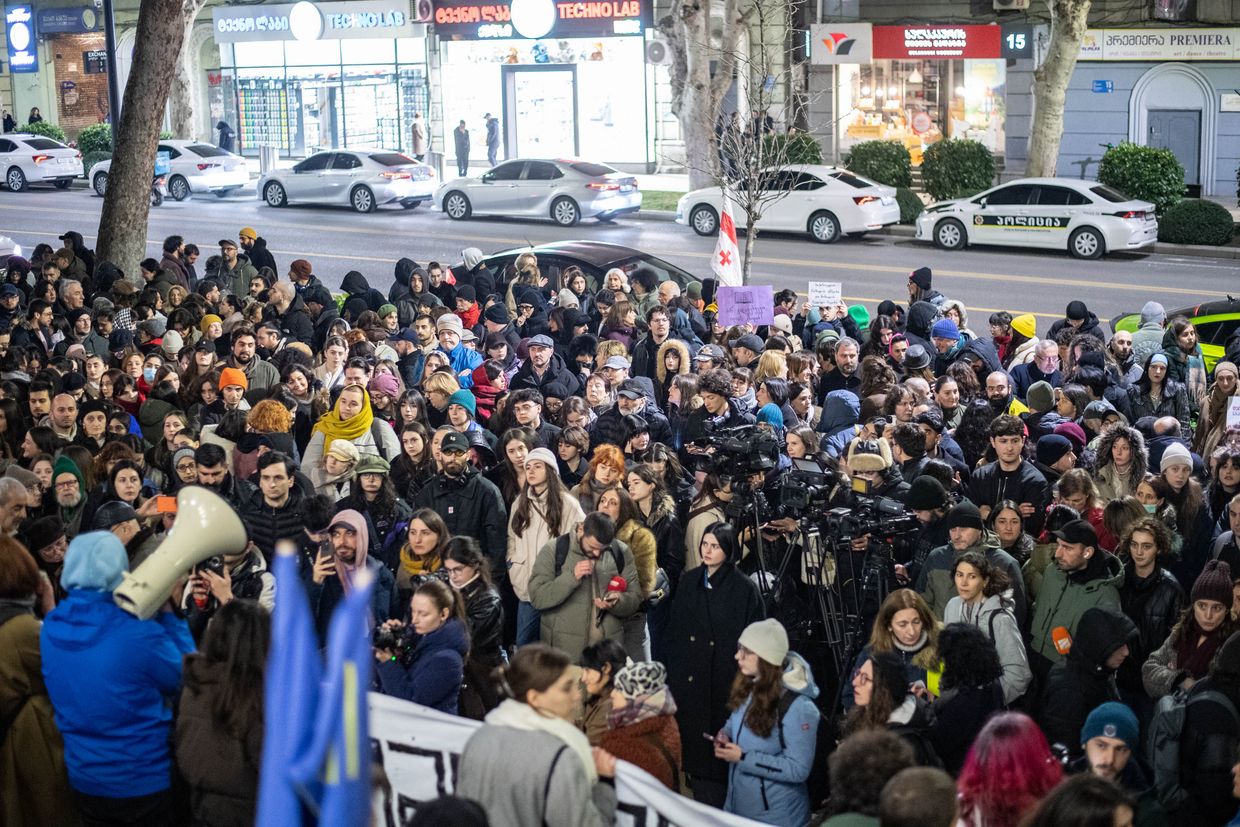
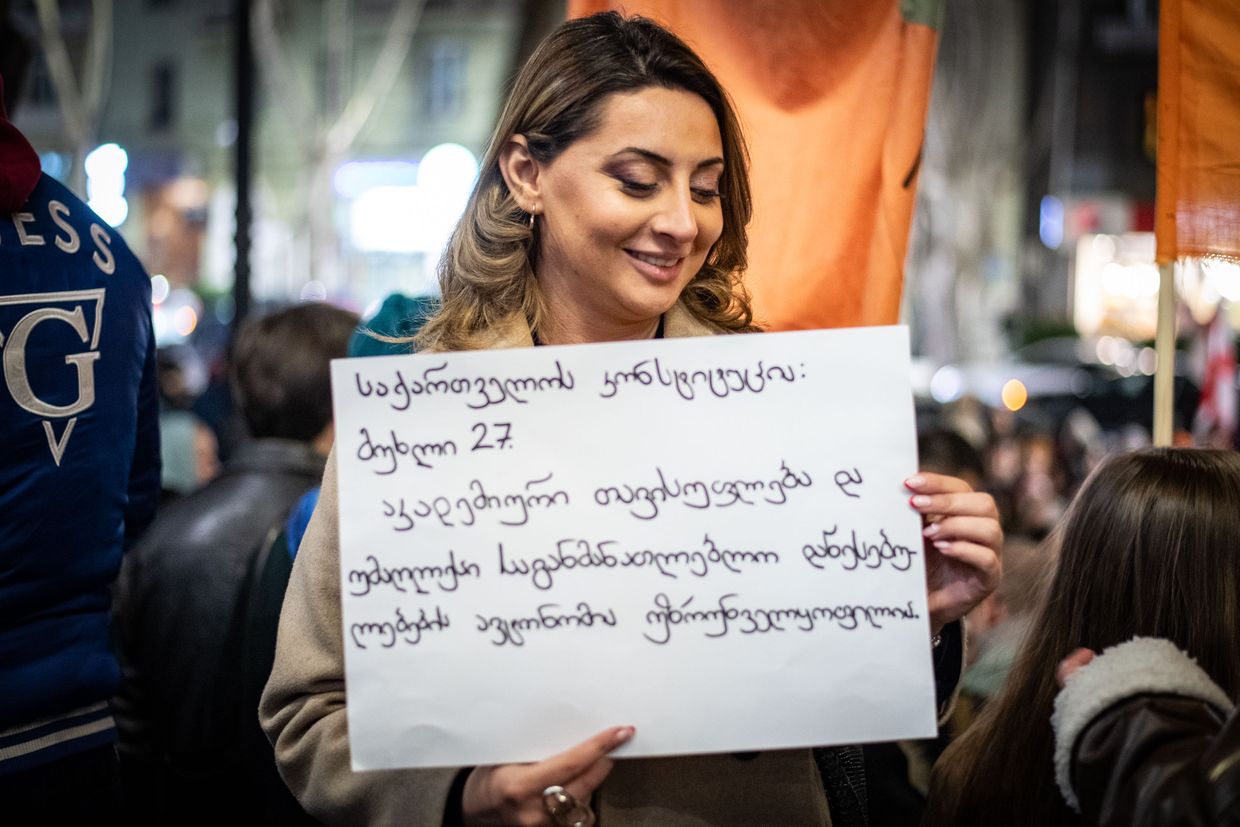
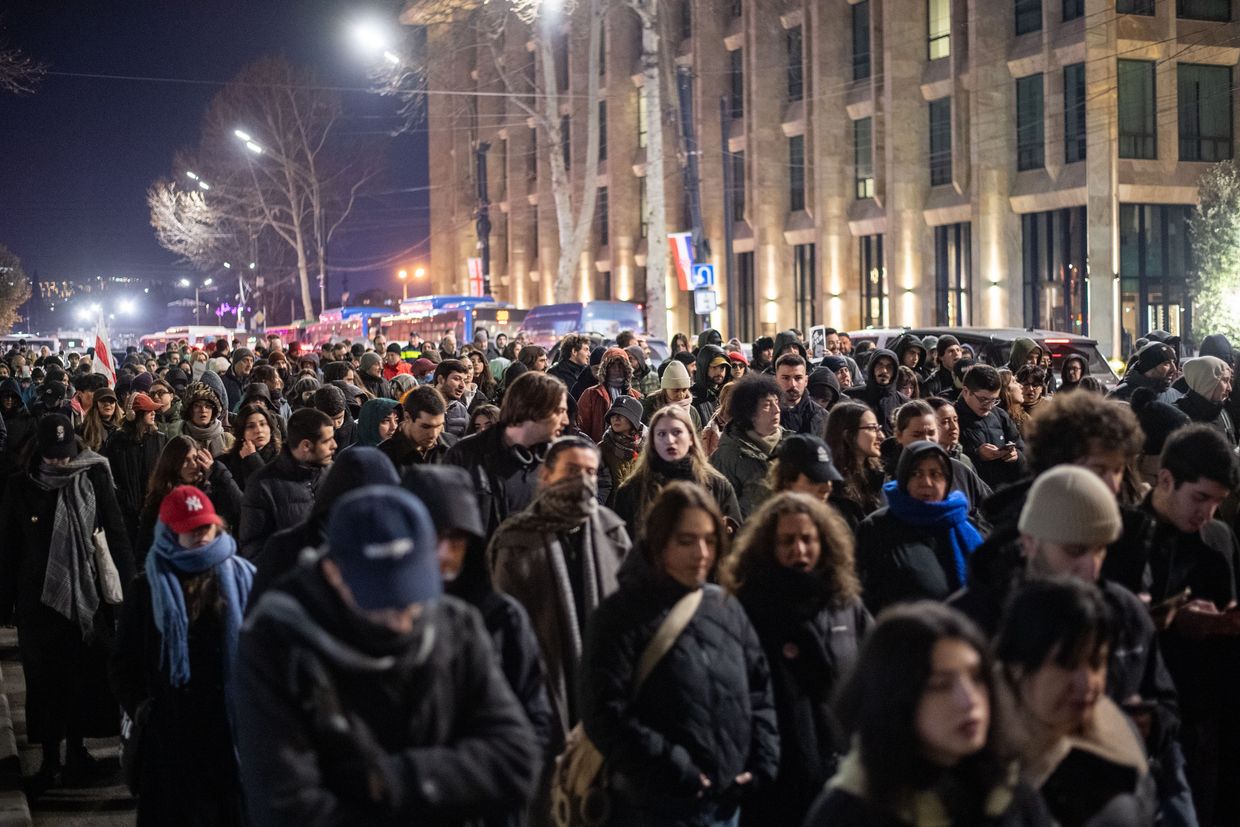
Mikanadze’s briefing was soon followed by a protest outside the main campus of ISU, joined by its students and others opposed to the decision. Shortly afterwards, ISU’s governing bodies released a statement demanding the decree be revoked and calling for a meeting with the decision-makers.
Thousands of students are marching through central Tbilisi to protest the government’s plan to gut two key universities in the capital, Tbilisi State University and Ilia State University.
— OC Media (@OCMediaorg) February 12, 2026
More: https://t.co/ZRnIRi6NAG pic.twitter.com/R7m5iNTQRN
‘This decree strips ISU of the ability to implement educational and research programmes in all the fields of science (social and humanities, life sciences, and hard sciences) in which ISU is the undisputed leader in Georgia according to international rankings’, the statement said.
Before the statement was released, the university’s rector, Nino Doborjginidze, described the government’s move as ‘unconstitutional’.
‘Over the past 20 years, our professors have achieved the impossible, making ISU a well-ranked university in ratings,’ Doborjginidze noted, echoing the statement’s sentiment that the authorities are stripping the university of the right to teach all three fields in which ISU leads in the country.
 Mikheil Gvadzabia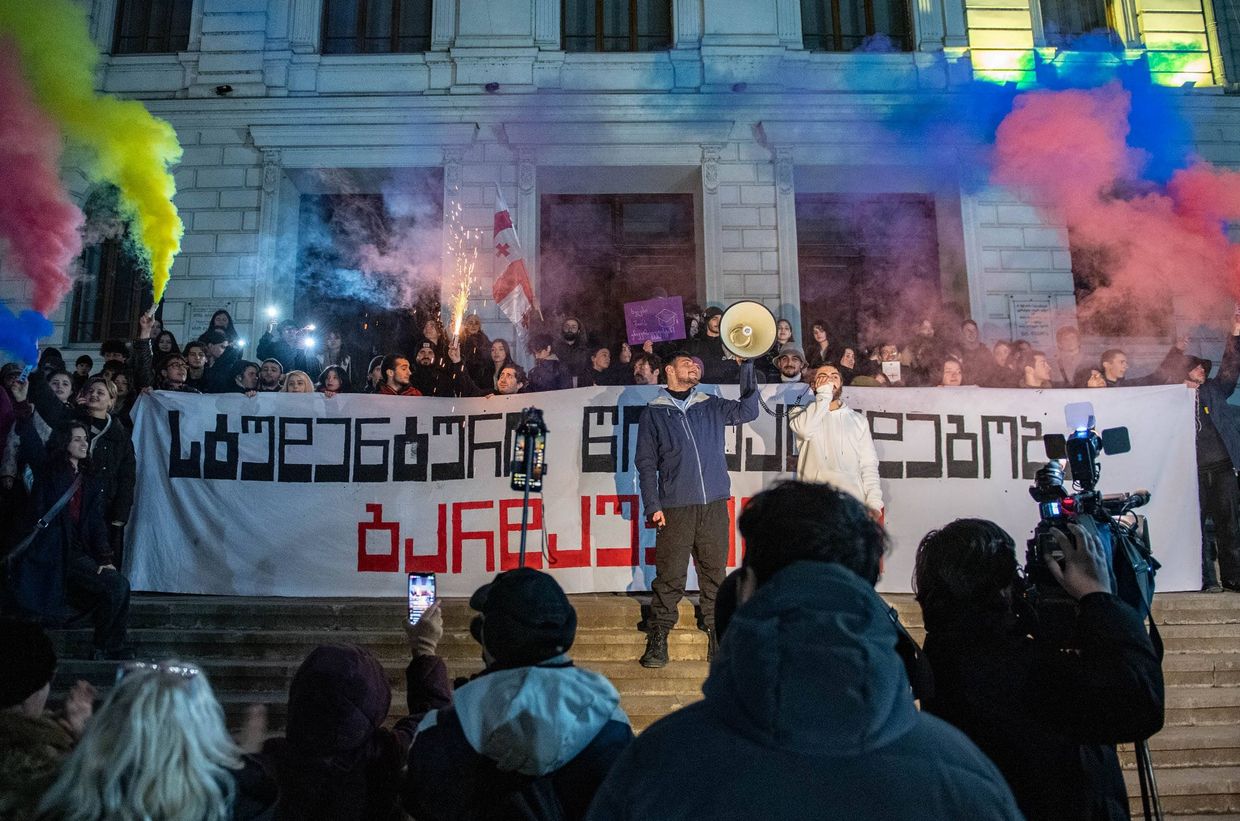
Controversial education reform
The Georgian government first announced its intention to redistribute faculties among state universities back in autumn 2025.
Under the plan, higher state education institutions would follow a ‘one city — one faculty’ principle, aimed at eliminating what officials described as ‘duplicated faculties’ across different public universities within the same city.
The government argued that the redistribution preserves disciplines at specific state universities ‘taking into account their traditional profiles and historical experience’. They also claimed that both the programmes and the number of admissions were determined based on a labour market study.
The process is part of a broader higher education reform that was announced in October 2025 and has quickly become a subject of controversy.
The relevant legislative amendments intended to create a legal framework for the reform have already been passed by parliament, including the latest package of changes adopted the first week of February.
Among other measures, the reform included a complete revision of the current grant-based university funding system, instead replacing it with a state-order model.
In addition, the amendments stipulated that the state will annually determine the number of students state universities are allowed to admit, as well as the list of academic programmes they will be authorised to offer. Under the changes, the current programmes that are not included in the government-approved list will be phased out over time.
Under the amendments, if a state university is reorganised, the government will be authorised to set the objectives, form, and timeline of the process, as well as establish temporary mechanisms to manage it. During the reorganisation period, the state may suspend or alter the way university governing bodies exercise their powers.
The government claimed the reforms are aimed at improving the higher education system, including by optimising resources, refining personnel policy, and promoting the geographic decentralisation of higher education.
Critics, however, skeptical of the state’s declared intentions and promises, have argued that the reform would worsen the situation by increasing state control, breaching university autonomy, reducing the number of professors critical of the government, and cutting the number of spots for incoming students.
One of the disputed initiatives under the reform was the planned merger of Tbilisi State University (TSU) with Georgian Technical University (GTU), announced at the end of January. Amidst protests from professors and students, who questioned the justification for the decision, the government ultimately withdrew the proposal.
Mikheil Gvadzabia