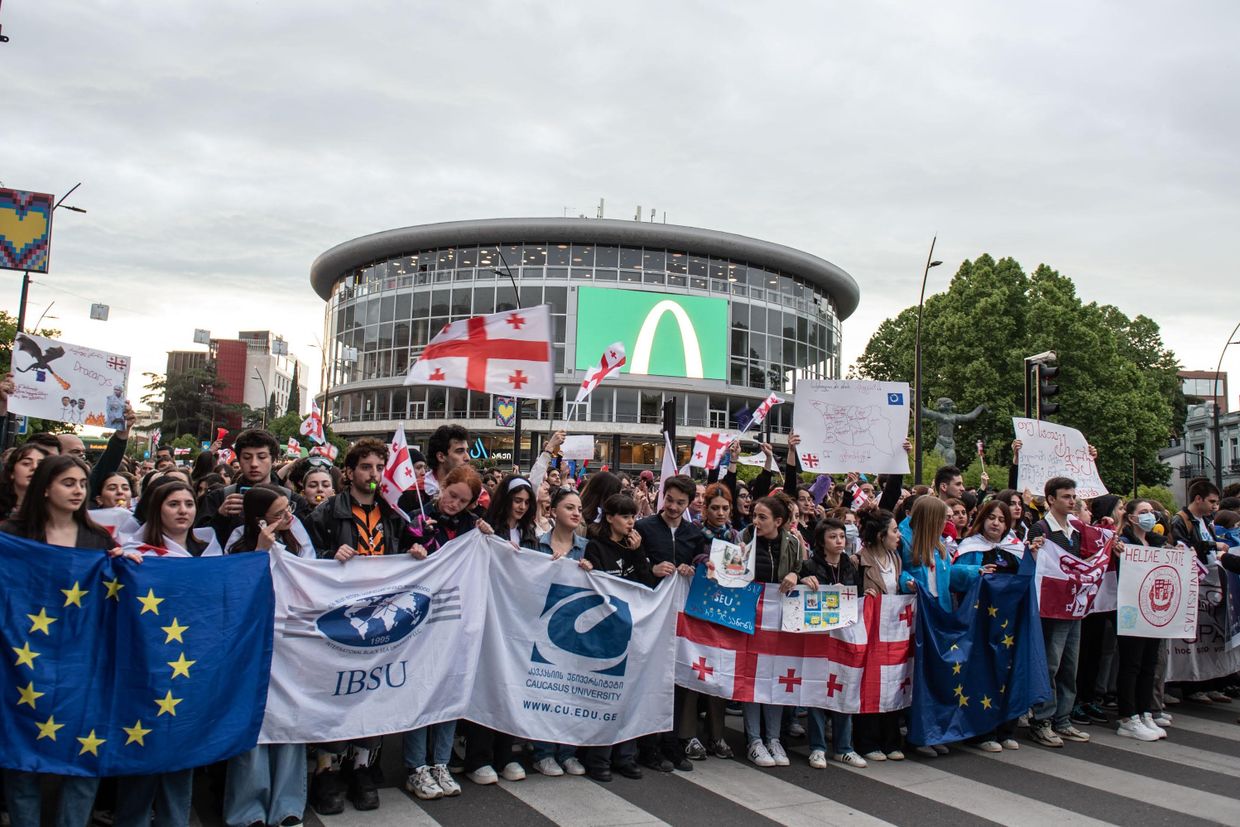
Foreign students will no longer be accepted at Georgia’s state universities starting next academic year, leaving private universities as their only option to study in the country. During a TV interview on Wednesday, Education Minister Givi Mikanadze said that ‘state universities must be oriented toward state interests’.
The Georgian government first said it wanted to restrict the admission of foreign students to state universities in October while unveiling its controversial higher education reform.
Mikanadze announced this would take effect as of the next academic year in an interview with pro-government TV Rustavi 2.
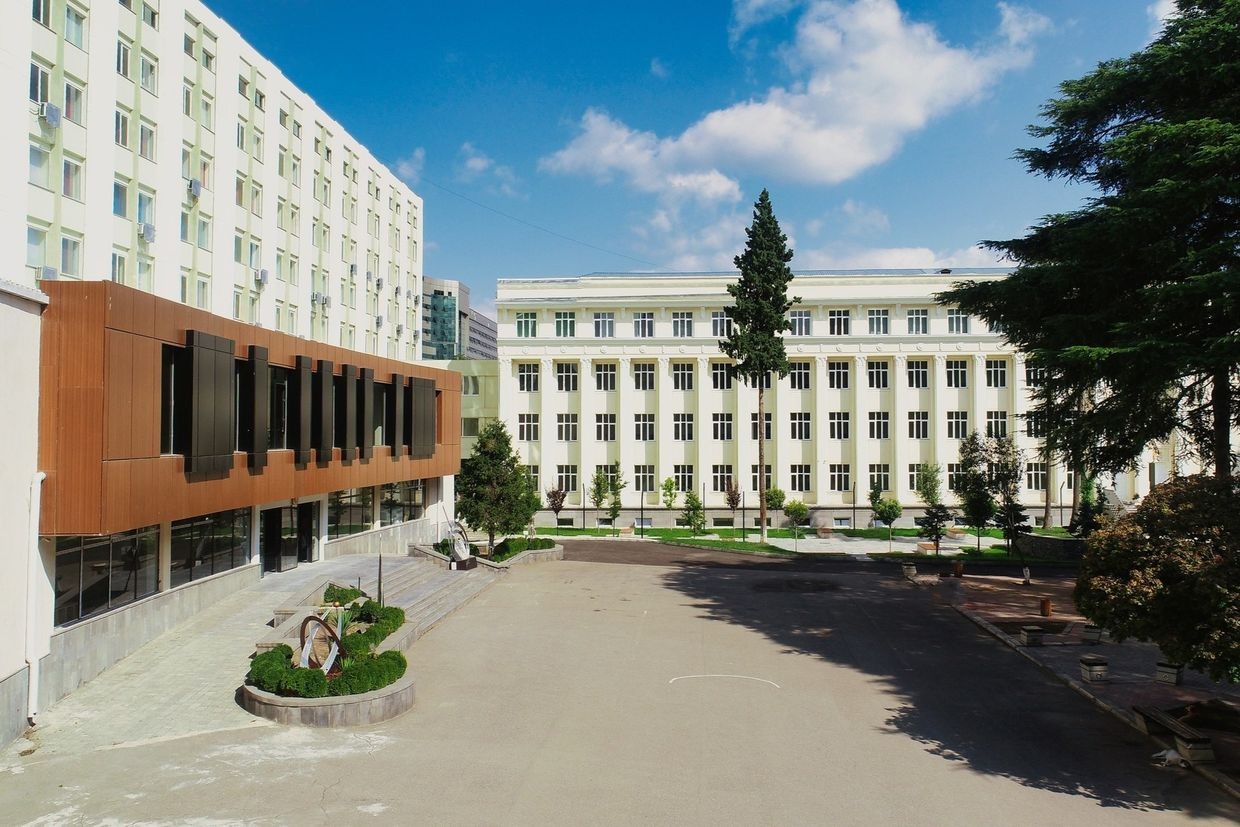
Speaking about the number of foreign students in state universities, Mikanadze cited Tbilisi State Medical University (TSMU) as an example, where, according to him, 45% of its students are foreigners, while 55% are Georgian citizens.
‘We are telling representatives of private [universities] that foreign students are right here, and you can focus on them. Of course, they are not prohibited from having Georgian students as well’, he said, also adding that foreign students pay ‘several times higher fees’ than those set for Georgian students.
Announcing their higher education reforms in October, the government said that ‘excessive attention’ was given to attracting foreign students in ‘some state universities’. They argued this reduced the resources a university had to allocate to preparing Georgian students. Their concept document, however, stipulated that foreign students may only be admitted in ‘exceptional cases provided for by law’. Mikanadze did not discuss the nature of these exceptions in his Wednesday interview.
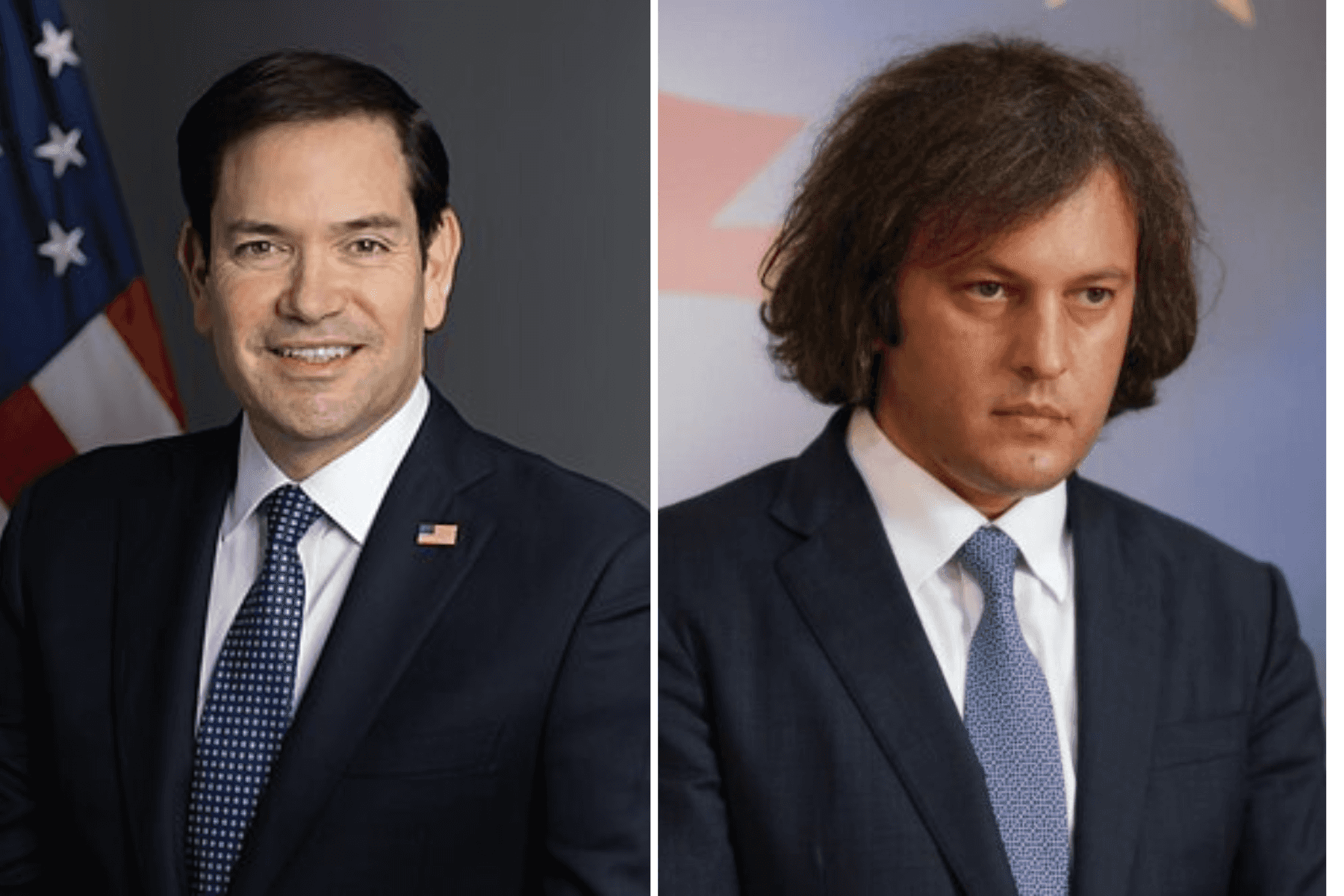
The topic of foreign students was also raised on 26 November, when Prime Minister Irakli Kobakhidze appeared before parliament in a Q&A session.
Emphasising the numbers, Kobakhidze stated that half of the infrastructure at state medical universities intended for training doctors for the Georgian system ‘goes to foreign students’ and ‘is lacking for potential future Georgian doctors’.
Kobakhidze also acknowledged that banning the admission of foreign students will cost the ‘medical university’ — apparently referring to TSMU — ₾80 million ($29.6 million). According to him, TSMU will be able to compensate only ₾5 million ($1.8 million) of this amount. The rest of the money, as Kobakhidze noted, ‘will remain in the country’, just ‘redistributed to private universities’.
‘What the [TSMU] will lack and what needs to be compensated, we must compensate, and the resources for this, naturally, exist’, he added.
Georgian universities are especially popular among Indian citizens. According to a 2025 sectoral overview based on official statistics by TBC Capital, a subsidiary of TBC Bank, in the 2024–2025 academic year, 55% of non-resident students came from India. Smaller but still significant numbers came from Jordan, Israel, and Sudan.
However, the same study indicated that the vast majority of foreign students — 85% — enrolled in ‘private institutions’.
A growing number with substantial revenue in Georgia’s economy
Kobakhidze noted that foreign students made a notable contribution to Georgia’s economy while discussing the matter in parliament. According to him, in 2024, foreign students in medical fields alone brought ₾1.2 billion ($450 million) into Georgia, which he described as ‘not a small figure’.
The number of foreign students in Georgia has increased over the past years. According to the National Statistics Office, in the 2024–2025 academic year, out of nearly 188,000 students in state and private universities, more than 37,000, or roughly 20%, were foreign students. This included bachelors and masters students, as well as vocational programme students.
In comparison, in the 2015–2016 academic year, the number of foreign students was around 7,000; in 2019–2020, it exceeded 13,000; and in 2022–2023, it was just over 25,000.
Normally, medicine is the most popular field among foreign students. In the 2024–2025 academic year, over 91% of all foreign students — not including the 36 foreigners enrolled in PhD programmes as of 2024 — studied in healthcare and social protection programmes, according to the statistics office.
 Mikheil Gvadzabia