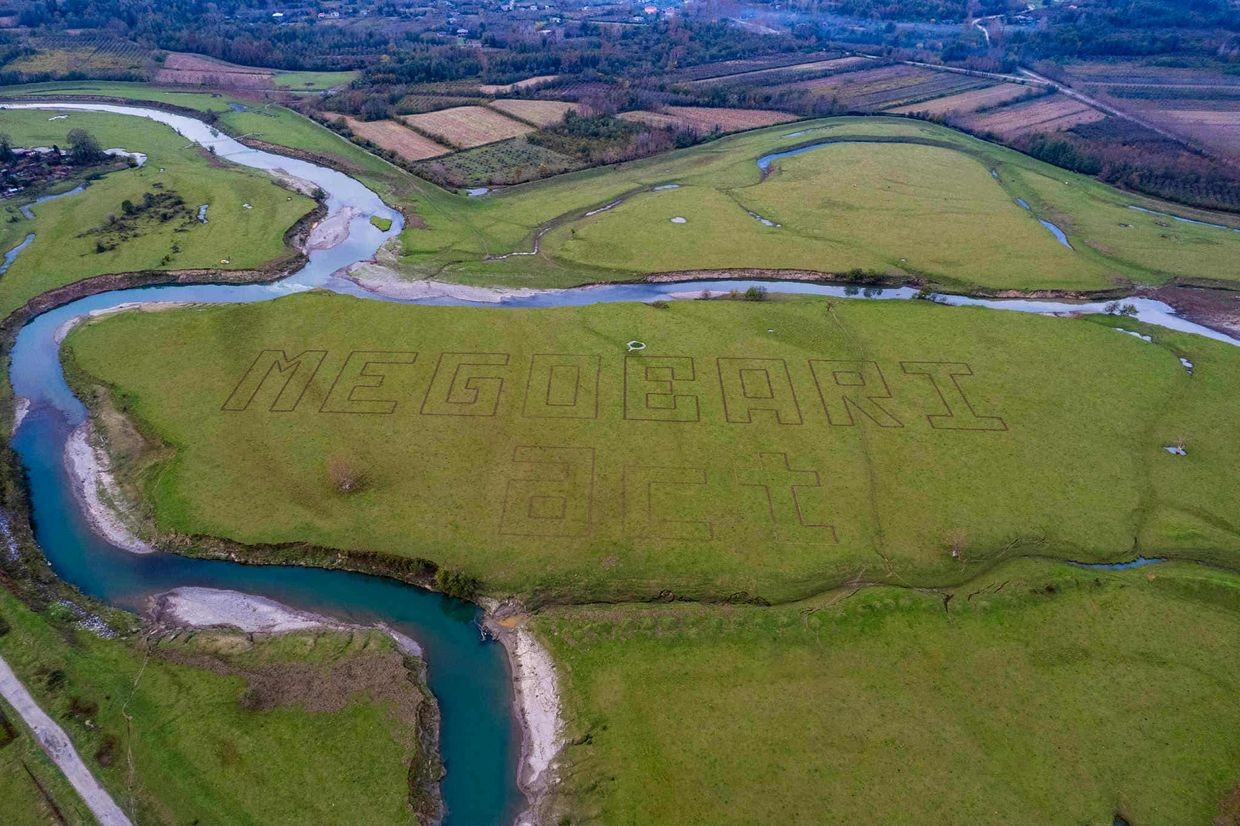
An activist from the western Georgian city of Zugdidi, Rostom Zarandia, was fined for the second time for leaving a geoglyph reading ‘MEGOBARI Act’ at the Black Sea resort of Anaklia. The geoglyph was in reference to a US bill that envisages sanctions against Georgian authorities.
The court fined Zarandia on Tuesday following a complaint filed by the Ministry of Environmental Protection. Local media reported that Judge Irakli Abshilava set the penalty at ₾1,750 ($650), finding Zarandia guilty of ‘removing and relocating the fertile topsoil layer’.
According to independent media outlet Batumelebi, Zarandia and several other activists spent 15 days creating the geoglyph on pastureland, with each symbol measuring approximately 50 metres in height. The artwork was finalised in mid-November.
Zarandia told the outlet that, in this way, the activists wanted to express their support of the US act, as well as to demonstrate the ‘difference in positions’ between the public and the authorities when it comes to relations with the West.
He claimed that no harm had been done to the environment.
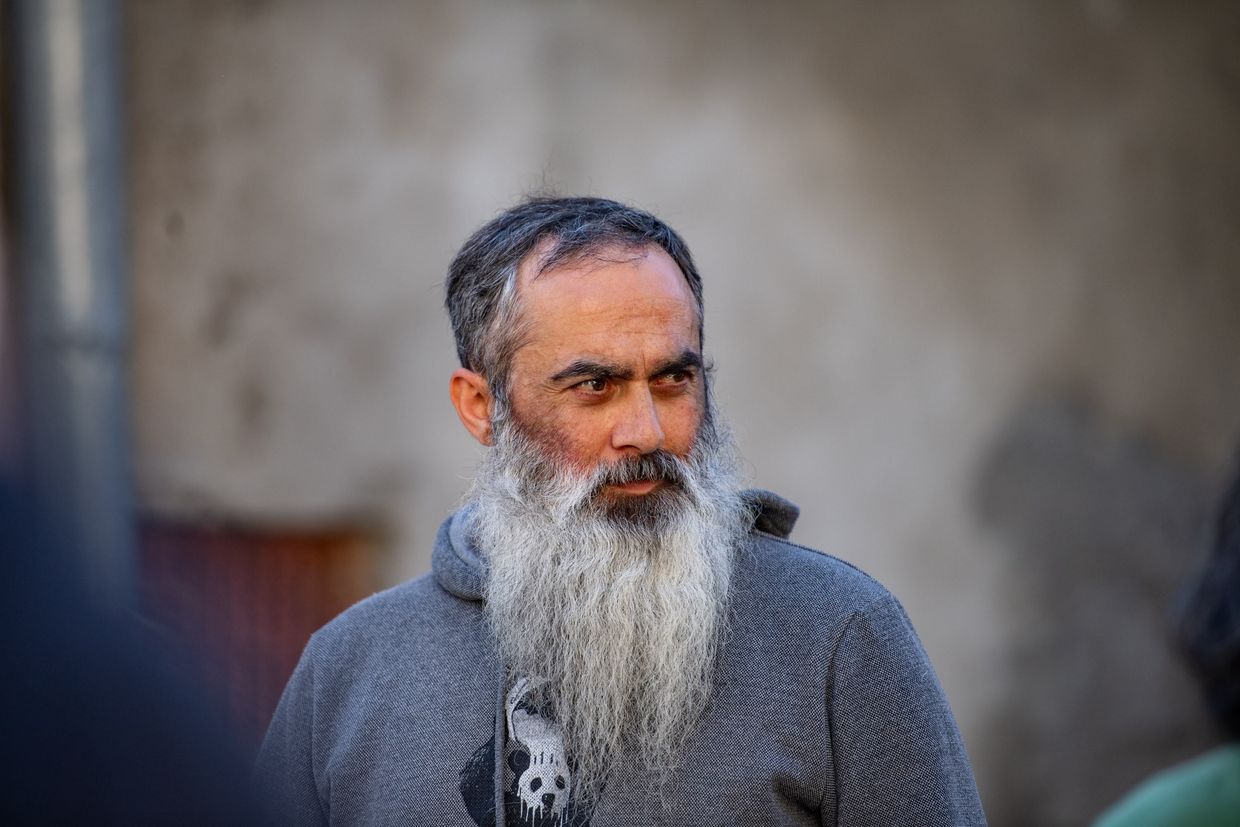
Zarandia had previously been fined once for creating the geoglyph. The incident took place in December, when the Zugdidi City Hall imposed a ₾2,000 ($750) fine on him, arguing that he had used a state-owned plot of land without the right to do so.
Zarandia’s run-ins with the justice system were not limited to the geoglyph. In July, he was detained for five days over a Facebook comment in which he referred to an employee of the Zugdidi City Hall press office as ‘braindead and sluggish’. The court found him guilty of insulting a public official. In addition, he has been fined twice for creating stencils in Zugdidi in support of jailed journalist Mzia Amaghlobeli.
The bill — Mobilising and Enhancing Georgia’s Options for Building Accountability, Resilience, and Independence (MEGOBARI, Georgian for ‘friend’) — was first introduced by Republican Representative Joe Wilson in May 2024. It was created amidst widespread protests against Georgia’s controversial foreign agent law in Tbilisi and other cities.
The bill calls for sanctions to be imposed on certain individuals, including Georgian government officials, ‘who are undermining Georgia’s security or stability’.
The bill was passed by the US House of Representatives in May 2025 with overwhelming bipartisan support. However, it did not advance further, with Oklahoma Republican Senator Markwayne Mullin named as a key figure in blocking the measure, preventing its inclusion in the US National Defence Authorisation Act (NDAA).
 Nate Ostiller
Relations between Georgia and the US have sharply deteriorated amid the Georgian authorities’ adoption of restrictive laws, the disputed 2024 parliamentary elections, and police violence against anti-government demonstrators. This has been accompanied by claims from the ruling Georgian Dream party that certain actors in the West are seeking to drag Georgia into a war with Russia.
Washington has sanctioned a number of Georgian officials, including Bidzina Ivanishvili, the founder and honorary chair of the ruling party. In November 2024, following Tbilisi’s decision to suspend the country’s EU membership bid, the US also halted its strategic partnership with Georgia.
The ruling party has repeatedly expressed hopes that the situation would change with the departure of the Joe Biden administration and Donald Trump’s return to presidency, only to voice disappointment at the absence of any major shift in attitude towards Tbilisi.
Mikheil Gvadzabia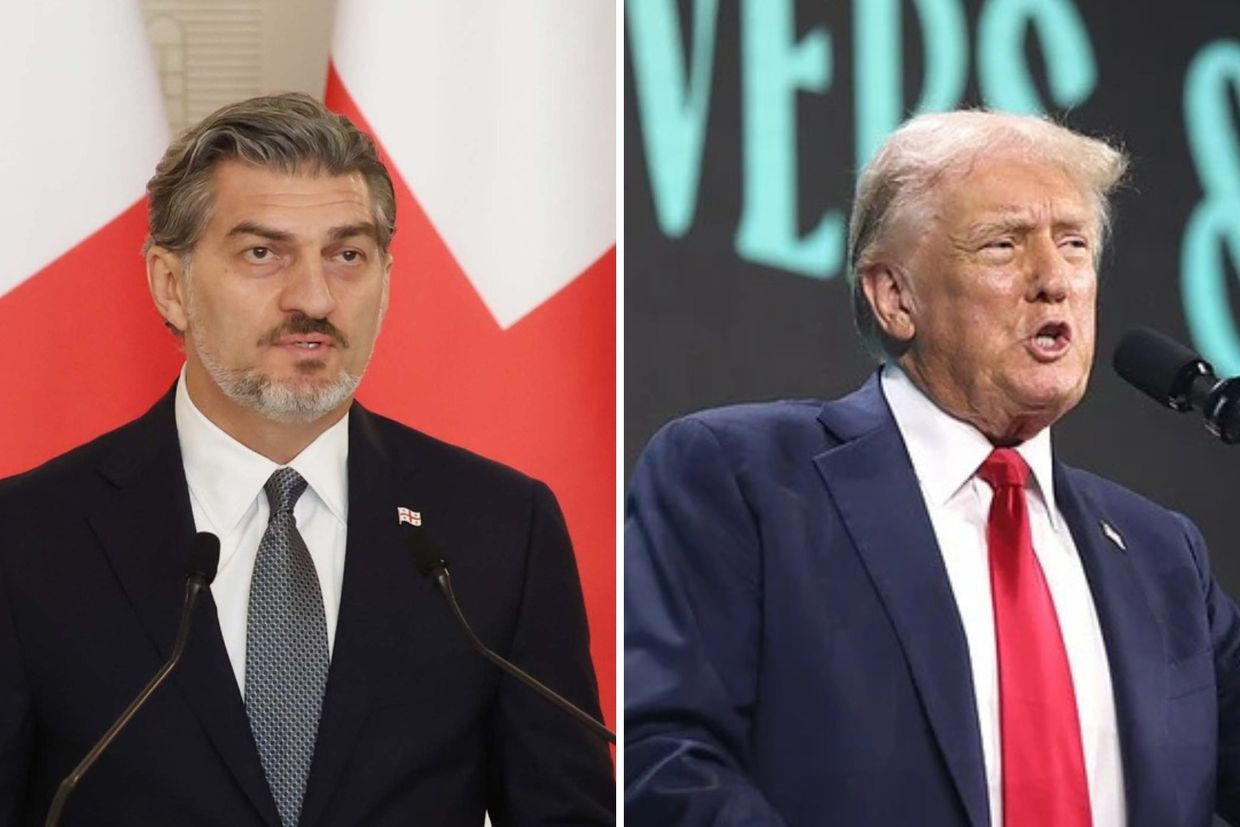
This article was translated into Georgian and republished by our partner On.ge.