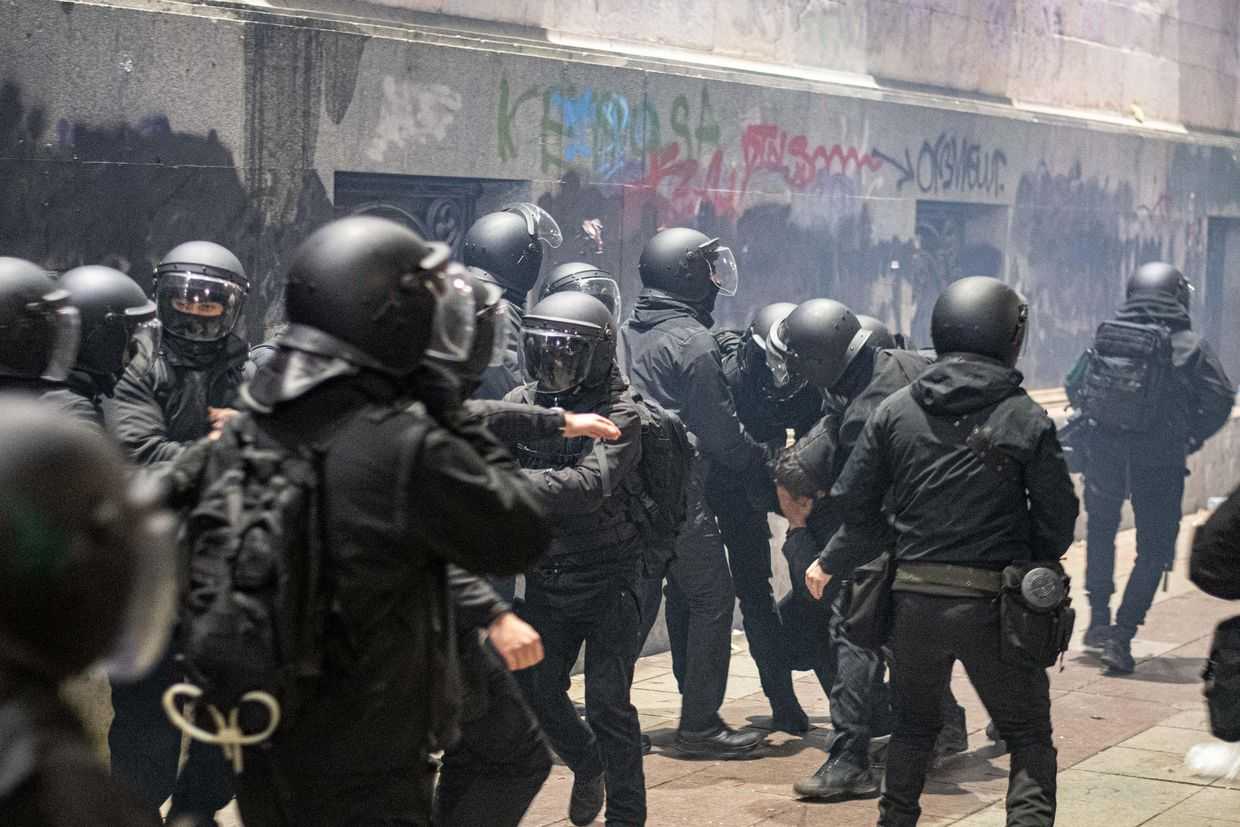
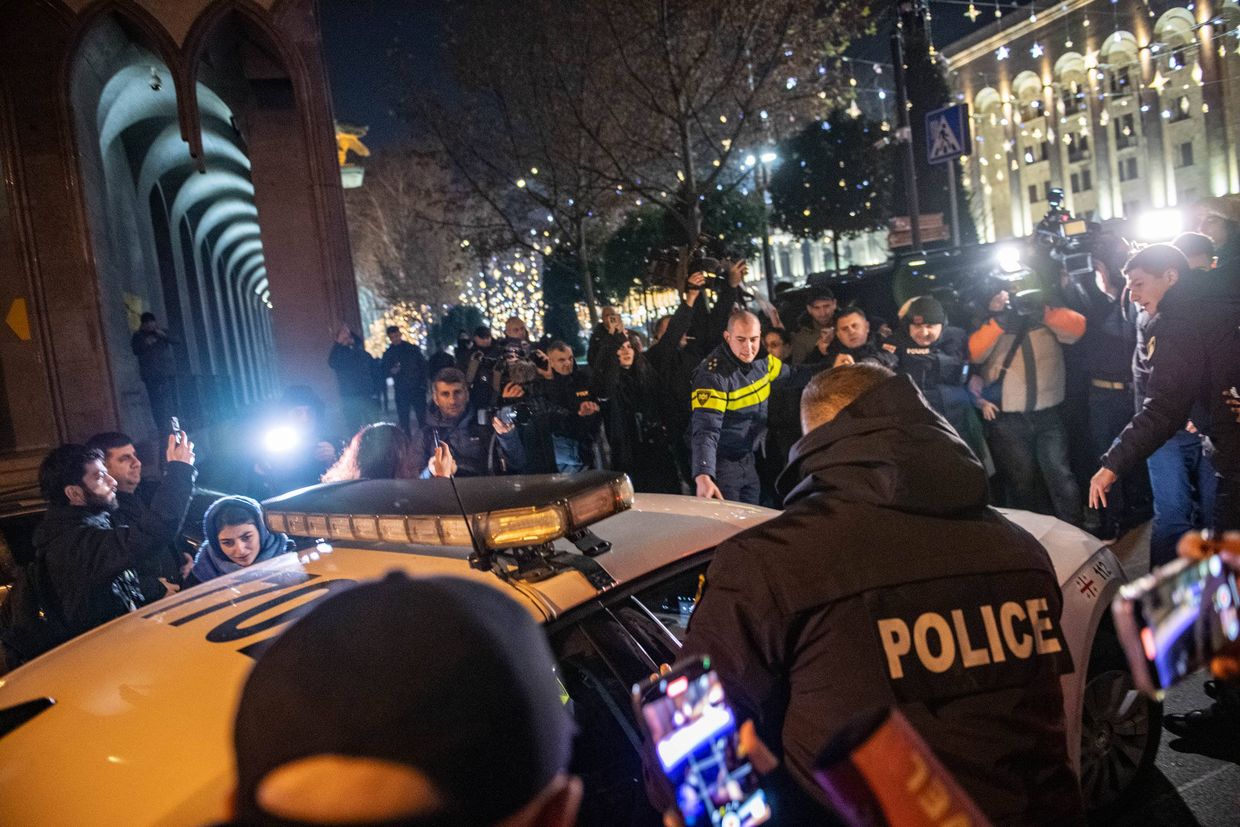
The Georgian police have intensified efforts to enforce new legislation specifically targeting demonstrations on the pavement. Officers have repeatedly approached participants of the daily anti-government protests outside parliament in Tbilisi, deemed their presence there unlawful, and warned that the law would be enforced ‘with full severity’.
Under the amendments, protesters must notify the Interior Ministry at least five days in advance before holding demonstrations in areas designated as ‘people’s movement’ zones. The state has the authority to change both the location and timing of a protest. Failure to comply with the new regulations is punishable with imprisonment.
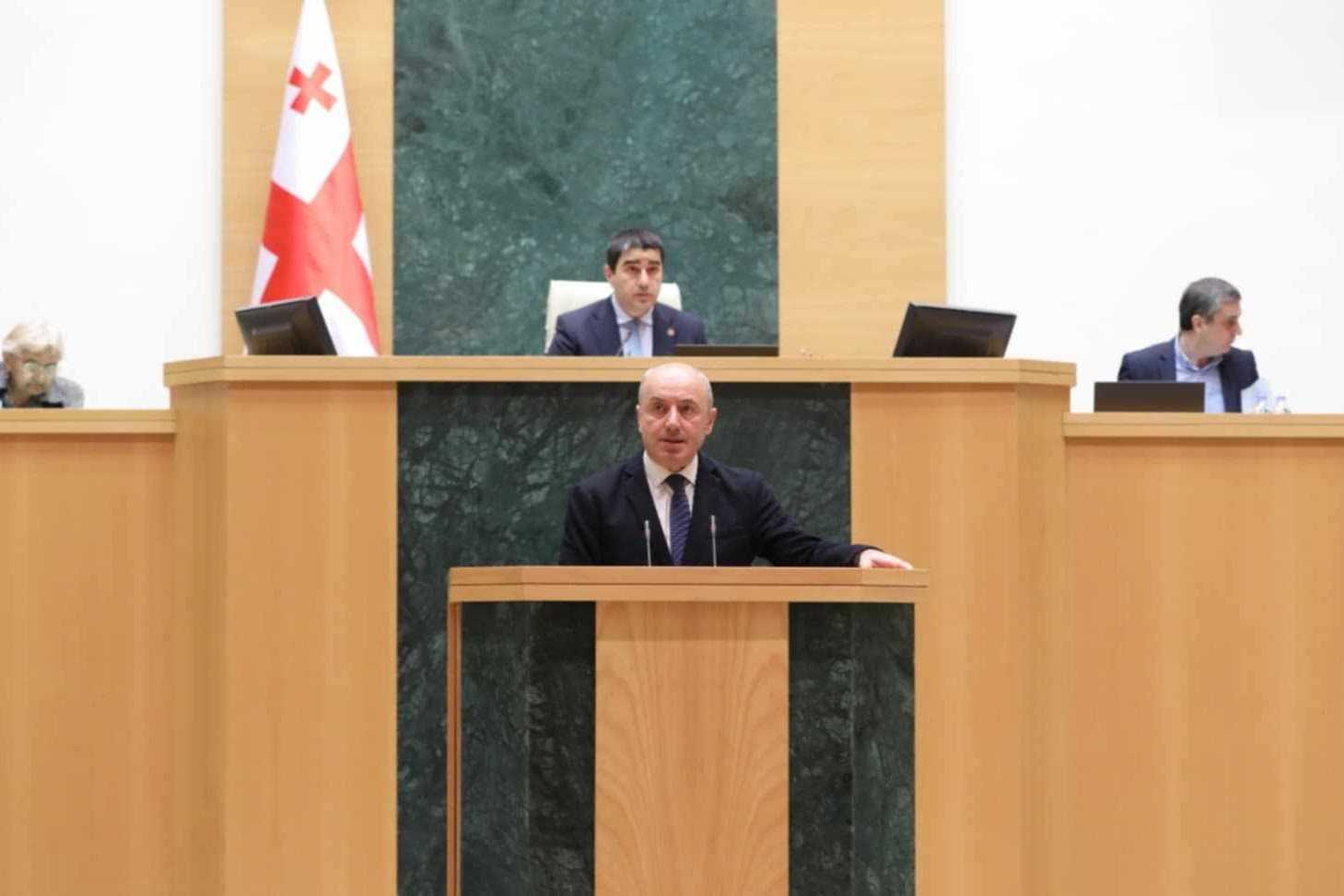
The legislation, prepared and hastily adopted by the ruling Georgian Dream party and its allies, created a new legislative reality for anti-government protesters who have been holding daily demonstrations at the parliament since November 2024. After the police recently succeeded in preventing them from blocking the roads, the main focus of the protests has shifted to pedestrian areas — primarily the pavements around parliament and the surrounding streets.
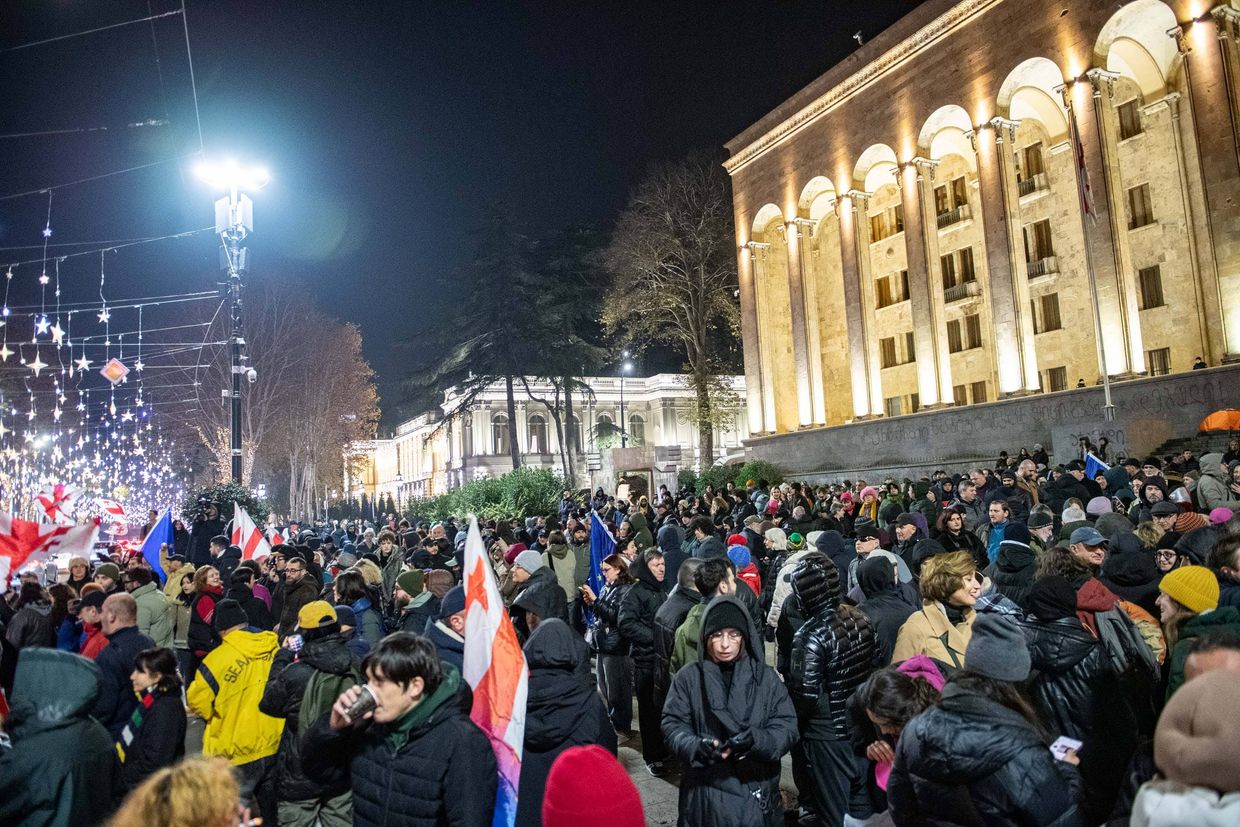
The new regulations came into effect on 12 December, but officers began warning the protesters gathered outside parliament only on Tuesday. The Chief of the Patrol Police, Levan Maisuradze, urged protesters to submit a request to the Interior Ministry before gathering and then wait for the response to be published on its website.
‘If you fail to comply with this law [...] your gathering will be considered a violation’, he said, emphasising that protesters face up to 15 days in detention, while ‘organisers’ face up to 20 days.
Protesters gathered outside parliament on Wednesday as well, with police appearing on the scene again. Lawyer Kakha Tsikarishvili, who often attends protests, told officers that he had submitted the warning required under the new regulations to the Interior Ministry on 11 December, to which he was told that submitting the request alone is not enough and that he must wait for a response.
‘Go find out why there’s no response. I can’t give you an answer on that’, police officer Davit Mamageishvili told Tsikarishvili when the lawyer pointed out that his notification had gone unanswered by the ministry.
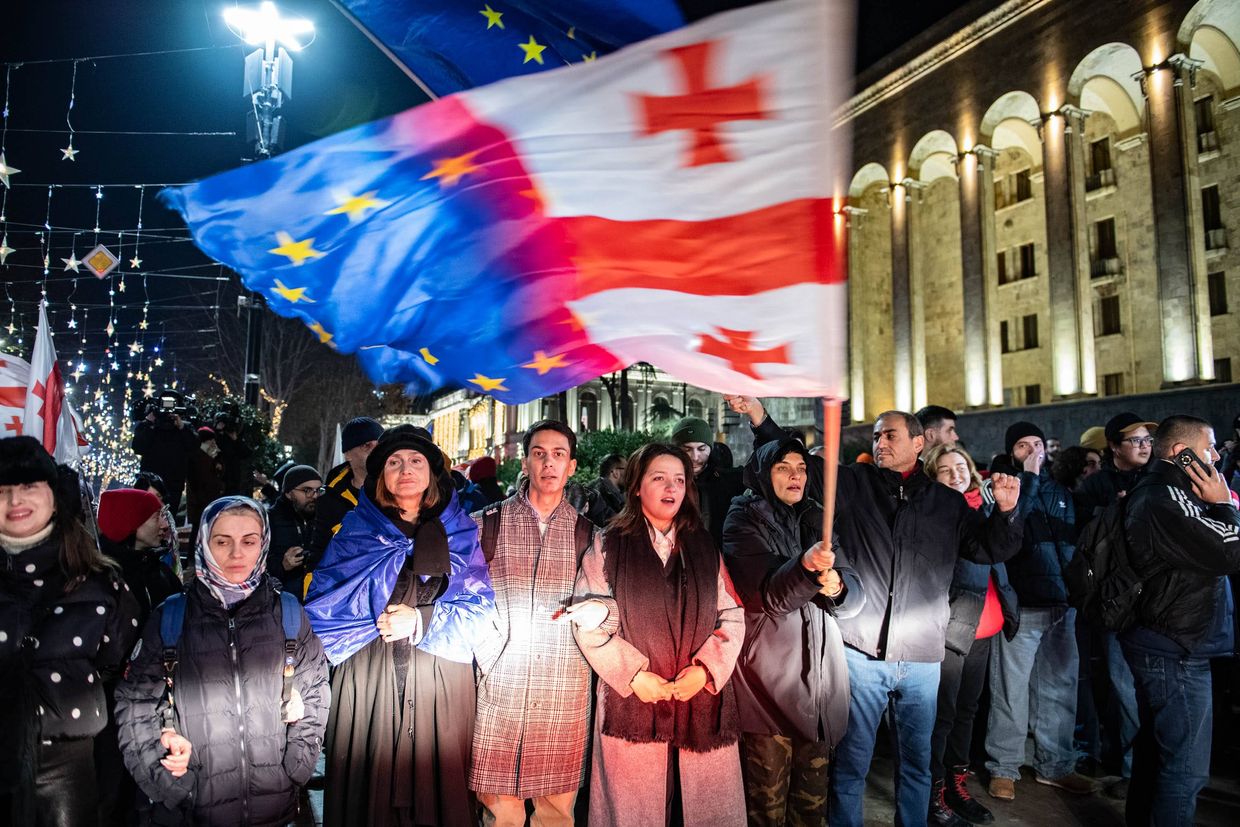
‘If you want to hold a gathering, you must wait for our permission’, Mamageishvili said, using the term ‘permission’ even though neither the old nor the current legislation recognises such a term, while the Georgian constitution guarantees people the right to assemble peacefully ‘without prior permission’.
Tsikarishvili argued to the police officer that protesters only needed a response from the ministry if the authorities had any objections regarding the demonstration.
‘The constitution mentions a notification, [not permission]’, the lawyer said.
The Public Defender’s Office described the changes as ‘unclear’ in a statement on Wednesday, emphasising that the law’s enforcement should not make holding a gathering a subject of obtaining permission, which is ‘explicitly prohibited by the 21st article of the constitution of Georgia’.
Police detained one demonstrator during Wednesday’s protest; however, OC Media was unable to obtain a response from the ministry regarding the charge at the time of publication.
In recent months, several restrictive laws passed by the ruling Georgian Dream party have directly or indirectly targeted street protests — from harsher penalties for blocking roads to bans on face coverings and other actions.
Government critics have repeatedly condemned the latest amendments as yet another attempt to restrict the right to protest, with Nona Kurdovanidze, head of the Georgian Young Lawyers’ Association (GYLA), saying Georgian Dream was ‘criminalising freedom of expression’.
The ruling party dismissed the criticism but did not deny that the changes were linked to the ongoing anti-government protests.
Daily anti-government protests have been taking place in Tbilisi and other cities almost continuously since 28 November 2024, when the authorities halted Georgia’s EU membership bid.
In addition to street protests, the ruling party has targeted civil society, independent media, and the political opposition through laws adopted alongside the demonstrations.
 OC Media
This article was translated into Armenian and republished by our partner CivilNet.