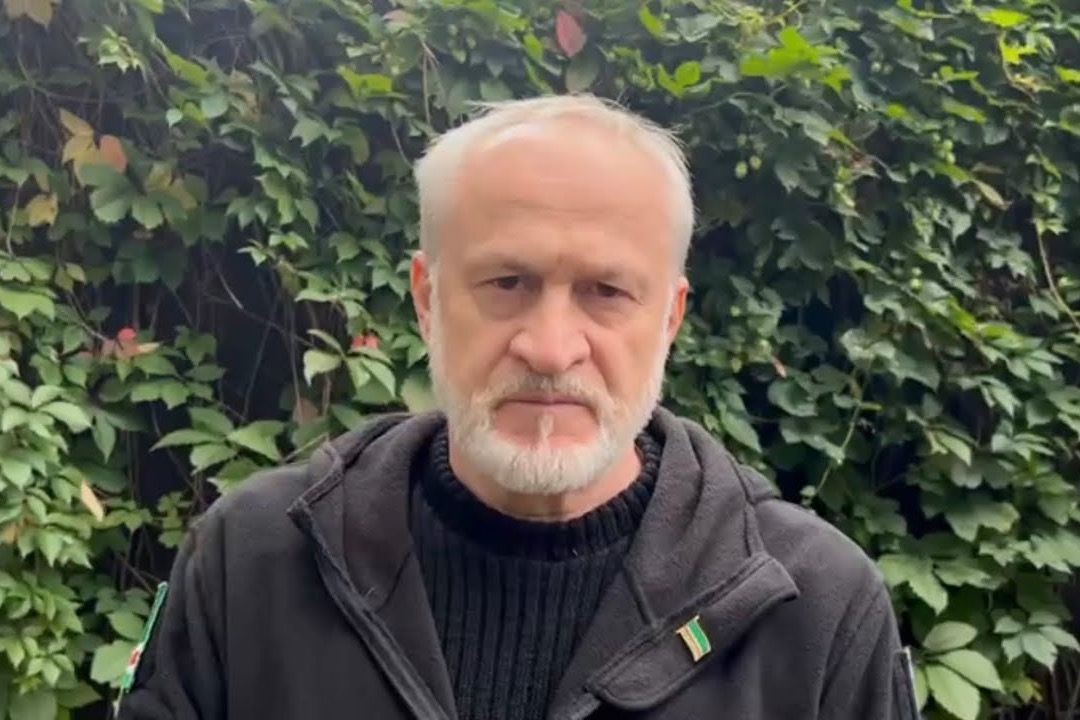
The Sheikh-Mansurovsky District Court in Grozny has recognised the government of Ichkeria in exile as a terrorist organisation, banning its activities in Russia.
The government of Ichkeria in exile claims to succeed the Chechen Republic of Ichkeria, a short-lived breakaway Chechen state that was crushed by Russian forces throughout two wars in the 1990s.
It has been headed by Akhmed Zakaev, who is based in the UK, since 2007.
The decision was made on the basis of materials collected by the Federal Security Service of Russia (FSB) in cooperation with the Prosecutor General’s Office. As specified, the ban also applies to 29 subdivisions which, according to Russian security forces, operate in 14 European countries.
The security service stated that after the start of Russia’s full-scale invasion of Ukraine in 2022, supporters of Ichkeria have been taking part in combat operations against Russian armed forces as part of Ukrainian formations. The FSB claims that representatives of these units have been involved in sabotage activities in Russia’s Belgorod and Kursk regions, as well as in attacks on Russian soldiers and civilians.
The Russian Telegram channel 7x7 noted that the decision to recognise Ichkeria as a terrorist organisation had been made on 12 March.
The FSB has stated that all individuals involved in the organisation’s activities or providing assistance to it will be identified and prosecuted under Russian law, which provides the punishment of up to life imprisonment.
Earlier, Chechen Head Ramzan Kadyrov publicly threatened Zakaev. In 2022, after the start of the full-scale military invasion of Ukraine, Kadyrov called for his killing and promised a reward in the form of a lavish life in Chechnya.
Several units consisting of supporters of Ichkeria are fighting on the side of Ukraine. Among them is a separate special forces battalion (OBON) within the Foreign Legion, which was formed in 2022 with the participation of Zakaev. Also fighting on Ukraine’s side are the Sheikh Mansur and Dzhokhar Dudaev battalions, as well as other formations: Beshennaya Staya (‘A rabid pack’), Special Operation Group (SOG), and the Khamzat Gelaev battalion.
Zakaev left Russia in 2000. In 2002, he was detained in Copenhagen at the request of the Russian authorities, which accused him of a number of serious crimes, including participation in an armed rebellion. However, a Danish court did not find sufficient evidence for extradition and released him. He has been living abroad since.
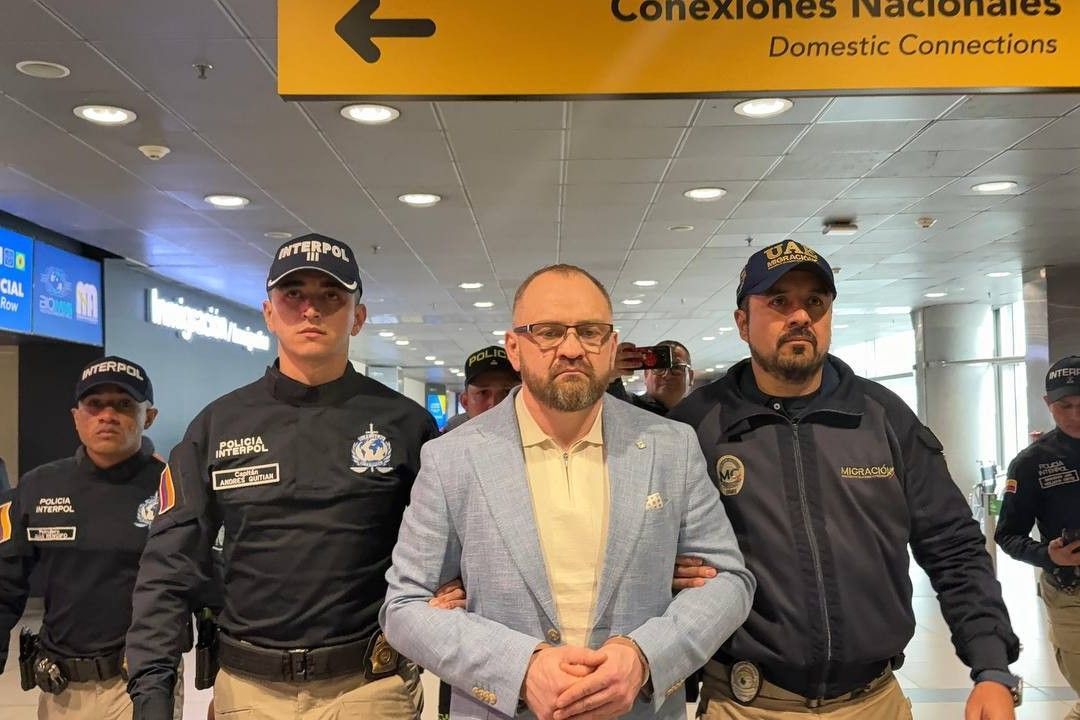
In March, The Insider reported that a Russian operative who was arrested in Colombia and accused by the US of conspiring to kidnap or murder Russian dissidents had intended to target relatives of exiled Chechen politician Akhmed Zakaev. According to the investigation, their plans were uncovered through Google Translate logs.
The Chechen Republic of Ichkeria declared its independence in 1991 under the leadership of its first President, Dzhokhar Dudaev. In 1994, Russia sent troops into Chechnya, marking the beginning of the First Chechen War. In 1996, the parties signed the Khasavyurt Accords, as a result of which Russian troops withdrew from Chechnya.
In 1999, Russia launched a new, final military campaign officially described as a counter-terrorist operation. Exact figures for losses during the second war remain disputed.
 Gunef Yedic