Is the Georgian government secretly killing stray dogs?
Rumours have spread recently regarding the disappearance of street dogs across Georgia and their possible cremation in Gori.

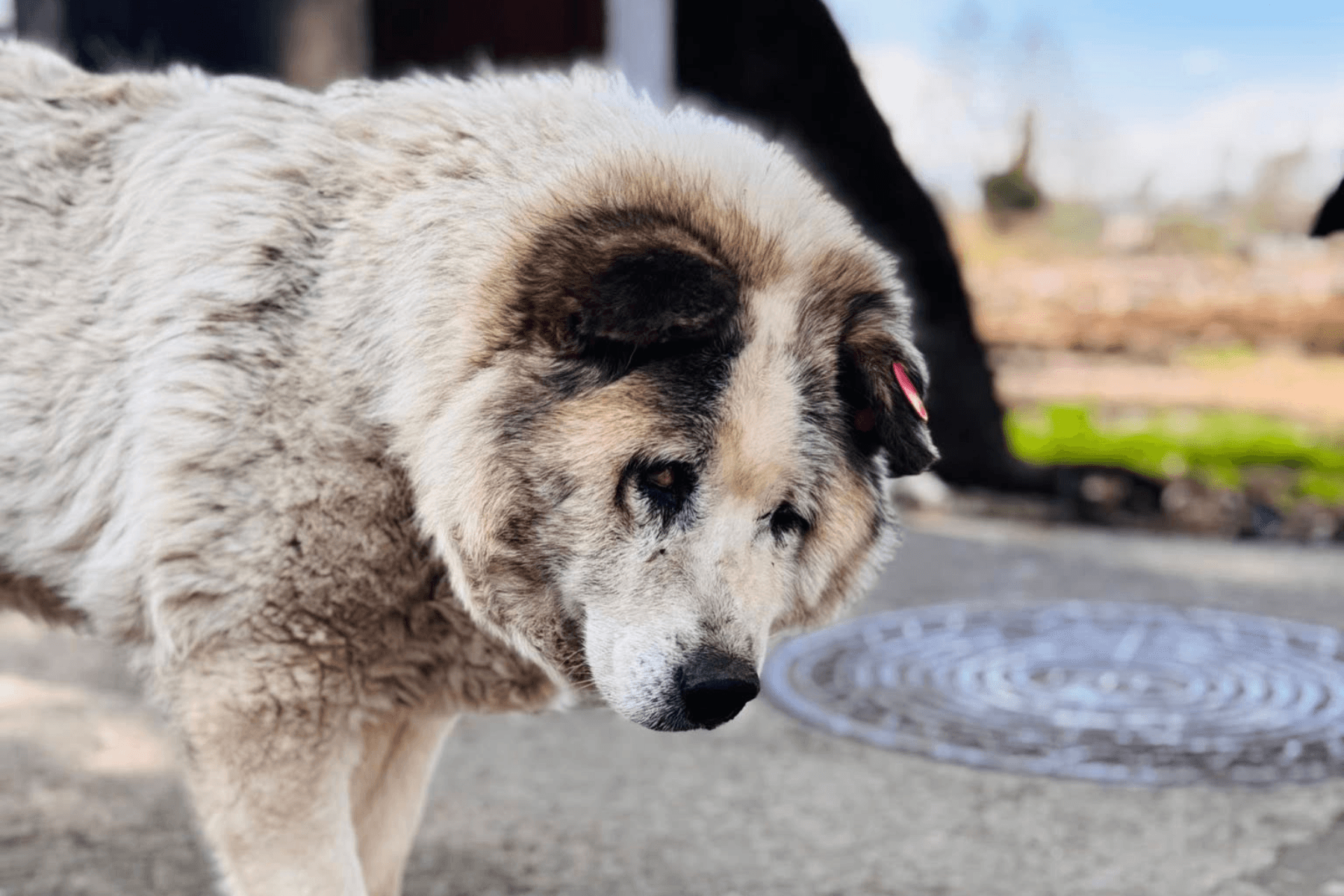
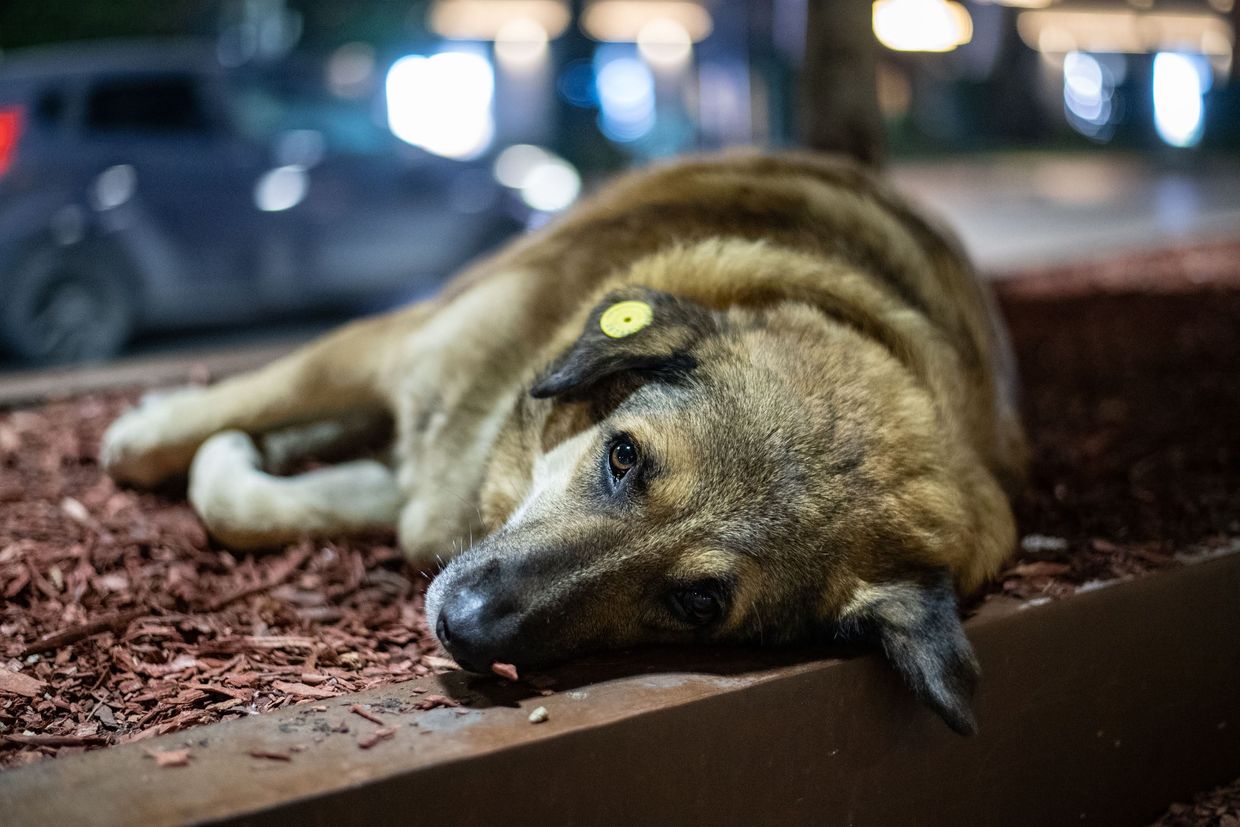
Bata, as the stray dog is known on social media, is likely the oldest and most helpless animal in Zugdidi. Local activist Salome Partsvania has noted that for years, the blind and deaf dog has lived on the grounds of the former regional hospital, never moving more than 10 metres from his spot. He is so frail he cannot even cross the road. To those who knew him, it was clear he had only days left to live.
‘When I discovered him among the dogs that were brought in, my knees gave out,’ Partsvania wrote on 2 April.
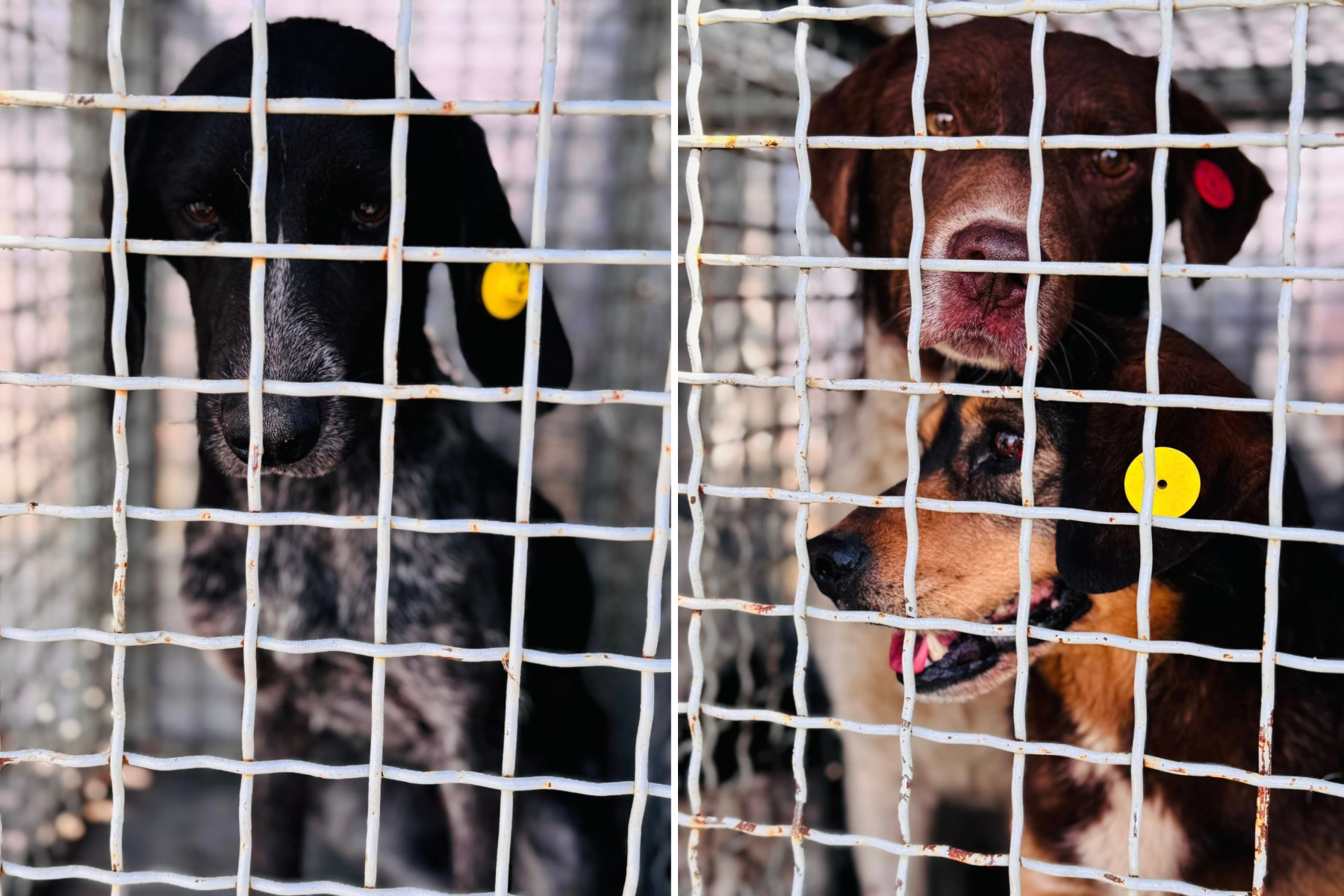
The dogs Partsvania refers to were those first taken on 30 March by the National Food Agency under the ordinance on the Management of the Population of Stray Animals. Partsvania filmed the vehicle in Zugdidi, a ‘car-cage’ packed with dogs destined for Kutaisi, ostensibly for vaccination. However, Partsvania noted a glaring inconsistency: many of these dogs were already wearing ear tags, proving they had been vaccinated and neutered or sterilised.
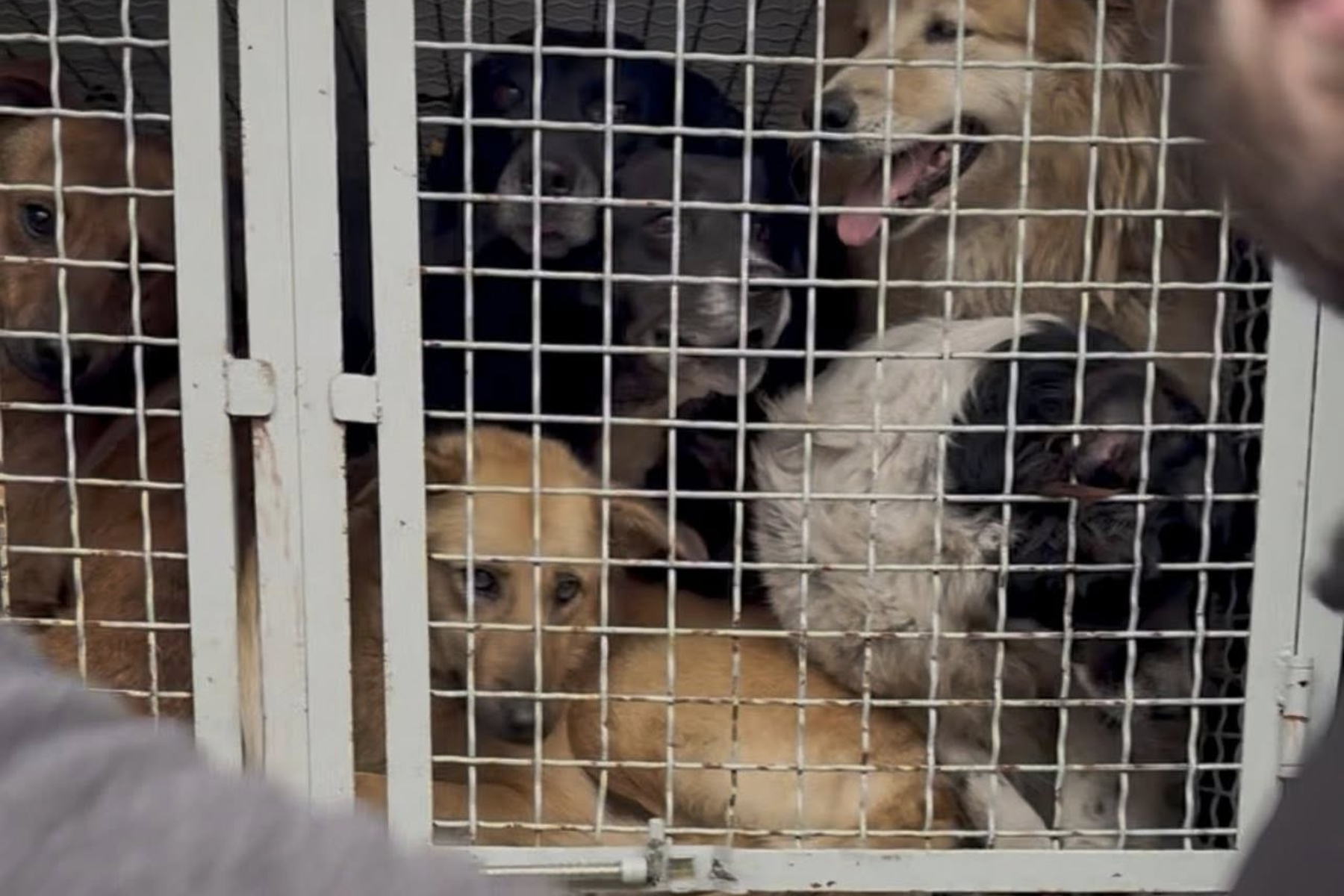
Partsvania begged the workers not to take the animals that were already processed. Her pleas were dismissed — she claims one man shoved her, while a woman in the vehicle vaguely promised the dogs would eventually be ‘released into nature’.
Partsvania’s video raised immediate concerns, leaving Georgian animal rights activists asking where these dogs were being taken and why. What was the purpose of this transportation if vaccination was possible in the locations where the dogs actually live?
On 1 April, a video shared by the Tamaz Elizbarashvili Dog Shelter showed thick smoke rising from the Gori State Shelter in the middle of the night. According to the footage (taken by a third party), the crematorium furnace, which is rarely used, began ‘roaring’ just minutes after the Food Agency’s vehicles arrived at midnight. As Elizbarashvili wrote, the author of the video described a horrific stench of burning flesh and fur hanging in the air.
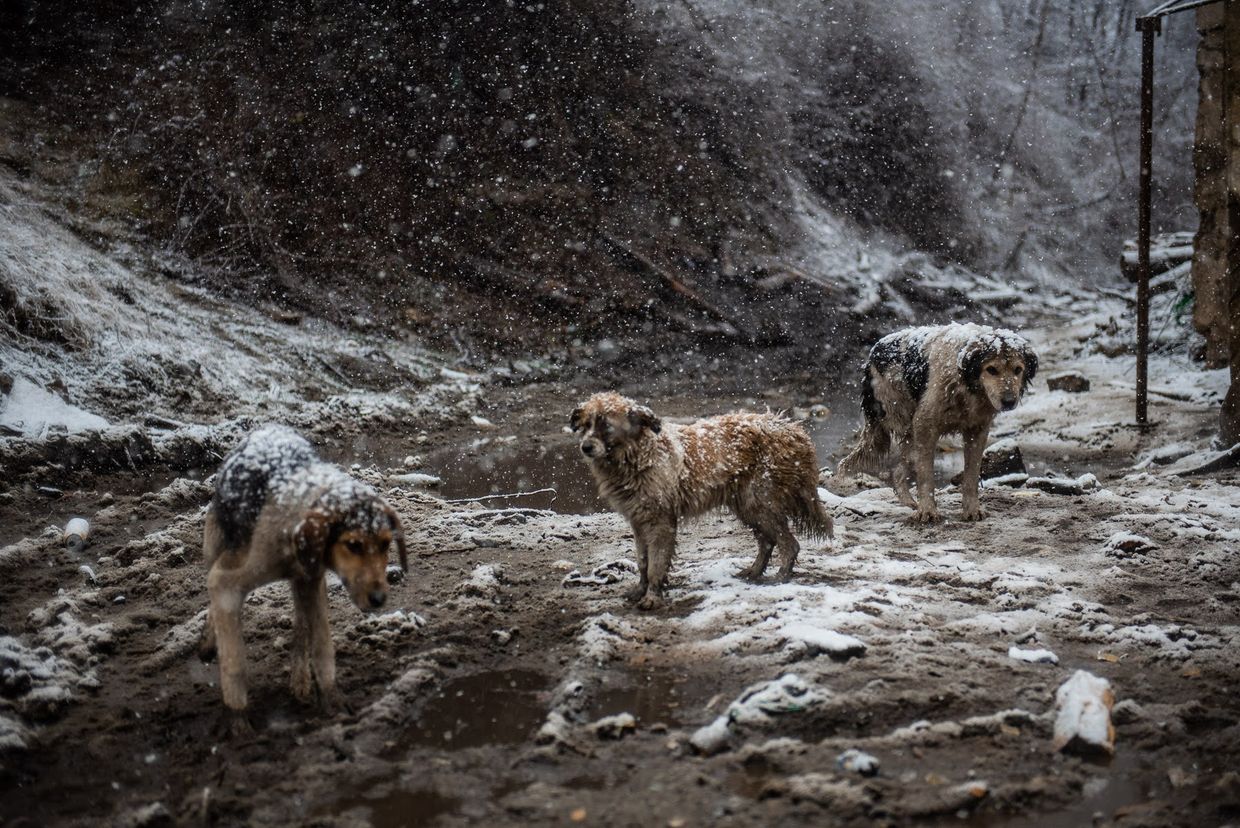
That same day, activists from Zugdidi went to the Kutaisi shelter to demand the dogs’ release. They were told the animals would be released in ‘uninhabited places’ far from schools or parks. While some releases did later occur, the numbers tell a different story. In Zugdidi, Partsvania reports that of the 65 dogs taken, only 26 were returned to what the authorities called ‘neutral territory’.
Bata, the helpless, blind dog, was among those returned to this ‘neutral territory’. Partsvania eventually took him back to his original living area.
‘I publicly declare that I returned him to the territory where he lived, and I am ready to face legal or other consequences for this’, Partsvania wrote.
Even though Bata has been returned to his home, many other dogs remain missing.
A shifting legal framework
The current management of stray animals in Georgia is governed by a rapidly evolving series of legislative measures. While the government maintains these actions are necessary for public health, animal rights defenders have pointed to significant gaps between the written law and its actual implementation.
In June 2025, the Georgian government launched a ‘pilot programme’ for the management of stray populations. This initiative was geographically limited to the municipalities of Gurjaani, Kutaisi, and Batumi, with a target of sterilising, neutering, and vaccinating animals, specifically cats and dogs. The programme followed the ‘Trap-Neuter-Return’ (TNR) model, which mandates that animals be returned to their original environment after veterinary processing.
During this pilot phase, however, activists began documenting inconsistencies, including reports that the National Food Agency was failing to return captured dogs to their specific community locations.
On 25 February 2026, the framework shifted with the issuance of Ordinance N412. This decree expanded the programme from a local pilot into a nationwide strategy for managing ‘dog hyperpopulation’, covering all regions of Georgia with the exception of Tbilisi and Adjara.
A central feature of the ordinance is a new clause that restricts where dogs can be legally released. According to legislation, it is prohibited to return a dog to areas adjacent to pre-schools and general educational institutions, medical facilities, restaurants and cafes, agricultural markets and hotels, and children’s and sports playgrounds.
Because these categories encompass the majority of developed urban spaces, the ordinance effectively limits the ‘environment’ to which a dog can be returned. Activists argue that this practice contradicts the humane principles of the original 2025 law, as it removes domesticated animals from the community-based food sources they rely on for survival.
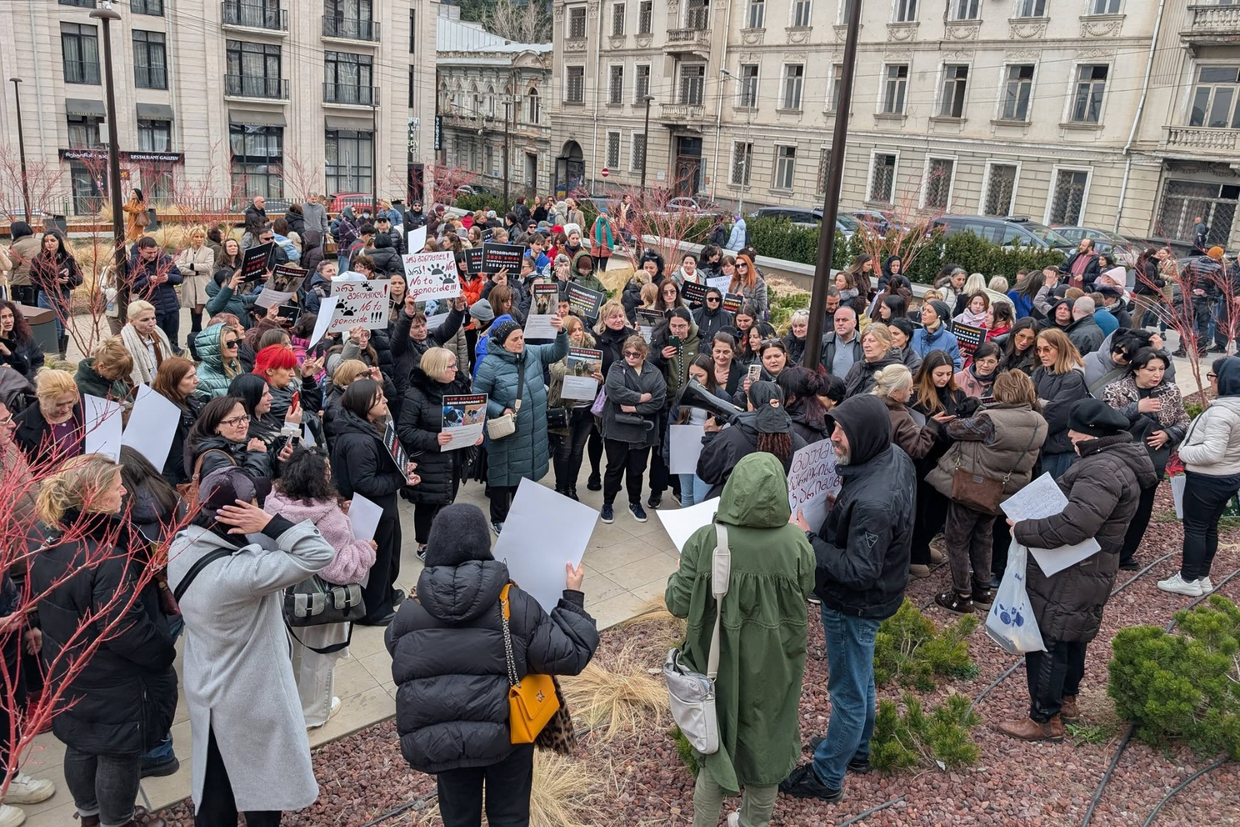
Animal activists have been actively protesting in front of the government administration building since the new ordinance was introduced.
Tiko Kvaliashvili, the founder of Animal Rescue Georgia, argues that no method employed by state structures has proven effective or acceptable in addressing the stray animal crisis.
‘We, the animal lovers, and the writers of this law have one main thing in common — none of us want stray animals to be on the street. Instead of the National Food Agency fighting the primary source of the problem, it decided to solve the problem easily. The primary source of the problem is irresponsible owners and breeders, who breed animals and then leave them on the street without care’, Kvaliashvili says.
‘They have forbidden animals from living everywhere’, Kvaliashvili says. ‘The authorities have secured significant funding to fight rabies, yet many rabies-carrying wild animals live in the very “uninhabited places” where these dogs are being sent’, Kvaliashvili explains. She argues that by placing domesticated dogs in areas populated by wildlife, the government may inadvertently contribute to the spread of the disease rather than preventing it.
More than 40 animal rights organisations have also shared a joint statement which argued that taking already vaccinated and sterilised animals for ‘re-vaccination’ was a waste of budget.
‘As a result [of taking away animals that were already sterilised], the budget was being wasted, and the animals were pointlessly ending up in shelters and transport, where viruses, especially canine distemper and rabies, spread easily. Moving them over such long distances and keeping them with numerous foreign animals is additional stress, which contradicts the humane approach to managing animal hyperpopulation’, the statement reads.
Speculation grows over the Gori crematorium
After the Gori crematorium video was realised, the National Food Agency issued a formal statement urging people to refrain from spreading ‘unverified and incorrect information’. The agency categorically denied that stray dogs were being taken to be euthanised, or ‘put to sleep’, asserting instead that the animals are only transported for essential veterinary procedures. Furthermore, the agency defended its policy of not returning dogs to schools and parks, framing the relocation to ‘safe locations’ as a necessary measure for public security.
The National Food Agency also argued that a primary source of the crisis is the abandonment of pets, noting that the new registration system will allow the state to identify and fine owners who leave their animals to the streets.
They did not answer the questions the public had about the crematorium.
As Kvaliashvili told OC Media, cremating an already deceased animal as a result of a viral disease in order to stop the spread of said disease is a widely accepted global practice. However, in this case, the crematorium must also meet safety standards.
‘Here, we have no information at all on what standards this crematorium is of, even. Not to mention at all that no one has said exactly which animals and for what reason ended up in the crematorium. A crematorium that does not damage the environment and meets standards should not have smoke coming out of it. This is a much greater threat to human health’, Kvaliashvili says.
The official narrative has done little to ease the suspicions of animal welfare advocates. Some animal activists even believe that these dogs were burned alive.
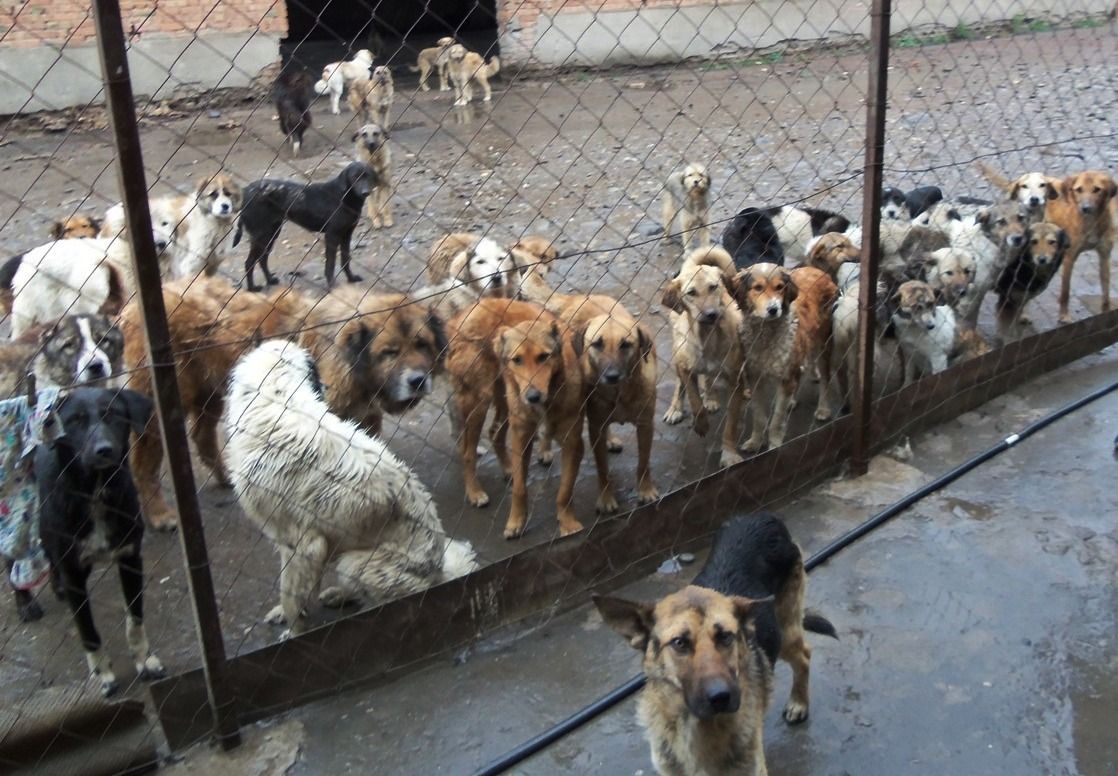
Tamaz Elizbarashvili, the founder of one of Georgia’s private dog shelters, asked the government to release CCTV footage from the Gori State Shelter. He argues that if the crematorium was being used legitimately, to dispose of animals that had died of natural causes, there should be a clear record of the process.
‘The furnace is there to burn carcasses, but we need to see what was being burned for those six hours. Why did the incinerator roar into life just half an hour after the Food Agency vehicles arrived, and why did it continue until dawn?’, he asked live on TV Pirveli on 2 April.
Elizbarashvili also pointed to a potential contradiction in the state’s logic: if the facility was indeed burning a large number of dogs that had died naturally, it would imply there was a massive outbreak of disease within the shelter.
‘If there were five or more dead dogs, then an epidemic is raging there’, he noted, adding that in such a case, the facility should have been placed under immediate quarantine by health services.
Addressing journalists that same day, Tbilisi Mayor Kakha Kaladze dismissed the allegations of animal cruelty, claiming they were a coordinated smear campaign.
‘They say dogs are being burned alive, but there is not a single fact to support this’, Kaladze said. ‘It is a deliberate lie’.
Kaladze framed animal right activists’ protests not as a grassroots movement for animal welfare, but as a politically motivated attack orchestrated by opposition parties. While acknowledging that challenges remain regarding stray animal management, he defended the government’s record, citing an increase in sterilisation and castration procedures in the capital. He also pointed to new infrastructure projects, including a shelter currently under construction in the Gldani district with the capacity to house 500 dogs.
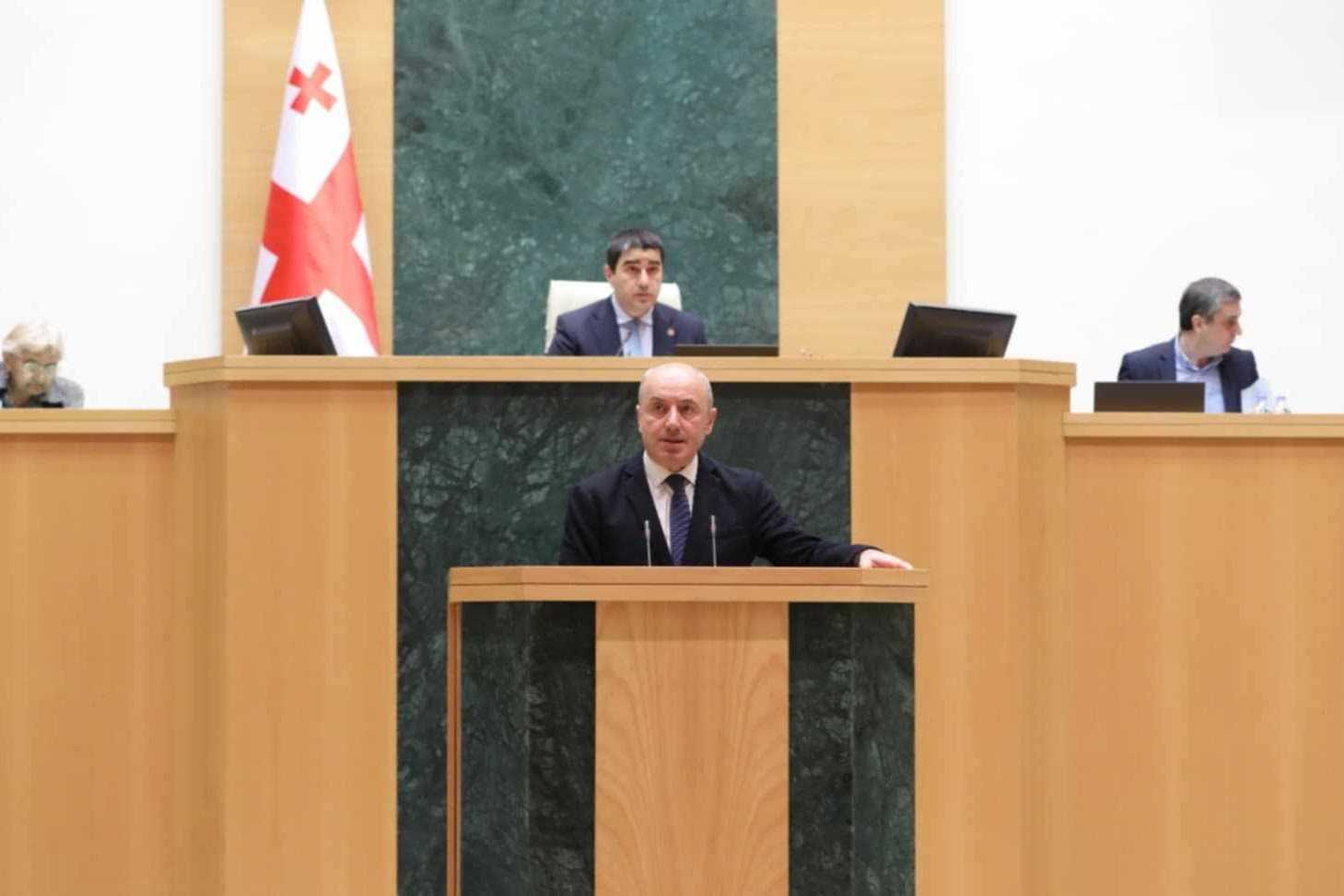
The Ministry of Environmental Protection and Agriculture also responded to the allegations with a firm denial, calling the claims of animal cruelty ‘unacceptable’ and an attempt to mislead the public. Its Deputy Minister Lasha Avaliani likewise explicitly challenged activists to move beyond social media rumours and provide concrete proof.
‘Allegations that animals are being burned alive are unacceptable, and anyone making such claims must provide evidence to support them’, Avaliani stated. He added that the authorities should investigate why such information was being spread as an established fact.
Despite these firm denials, the atmosphere remains one of deep mistrust. A large-scale demonstration is planned for 4 April in front of the Government Administration building in Tbilisi. Organisers say the protest is not just about the fate of the missing dogs, but about demanding a transparent, science-based approach to animal welfare that respects the original humane intent of the law.