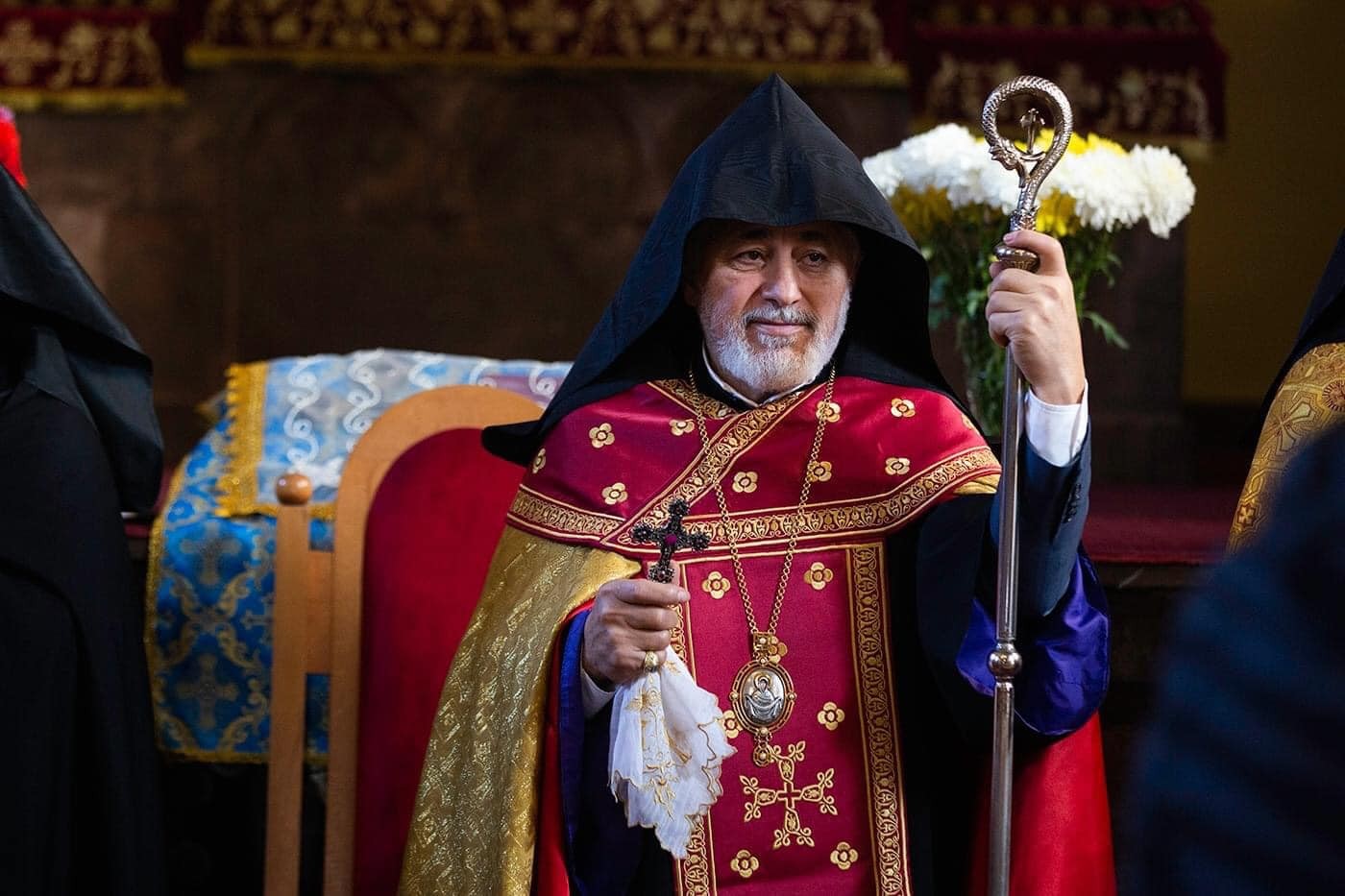
Catholicos Karekin II’s brother, Archbishop Yezras Nersisyan, cast doubt that any judge could be found in Armenia who would sentence Catholicos Karekin II, who has been under investigation since February. He additionally threatened any judge who would sentence the catholicos with excommunication.
‘This person will be excommunicated, and the people will curse his entire family’, Nersisyan told the Russian state-run media outlet TASS on Wednesday.
He further argued that the Armenian authorities ‘will go even further to achieve their goals’, which, as stated by Prime Minister Nikol Pashinyan, include removing Karekin II from his position.
Armenian authorities barred Karekin II from leaving the country as part of a criminal case opened in January regarding the firing of a pro-Pashinyan priest from his position as a head of a diocese. Formal investigations against Karekin II began in February.
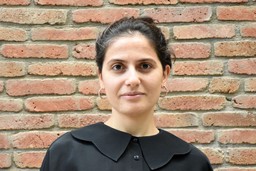
 Arshaluys Barseghyan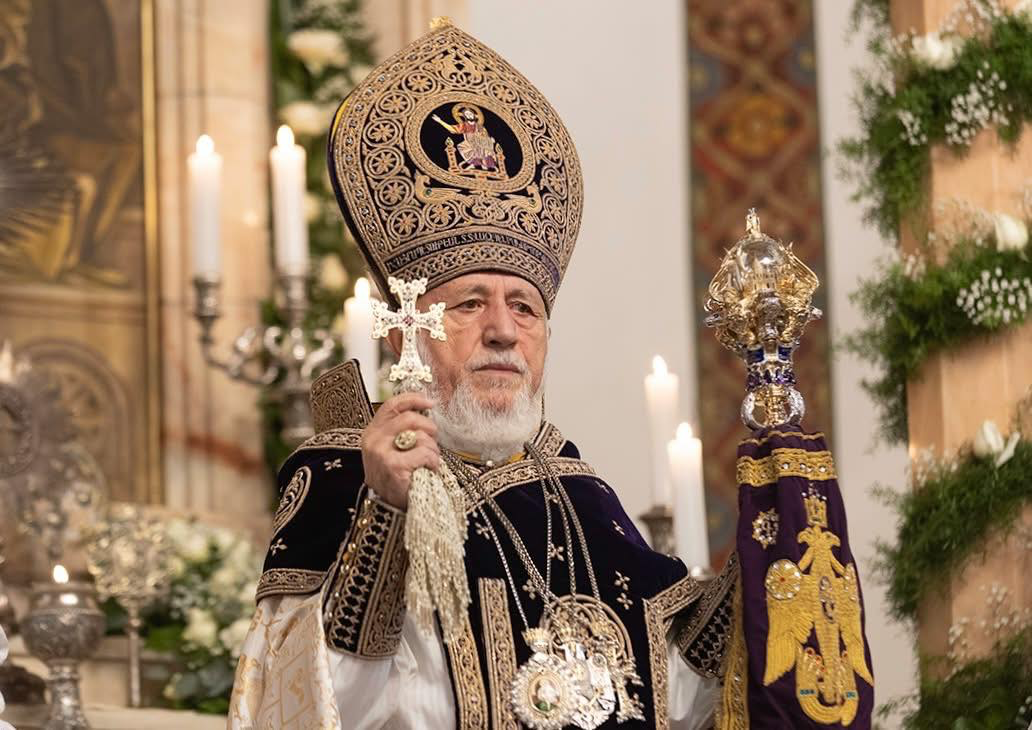
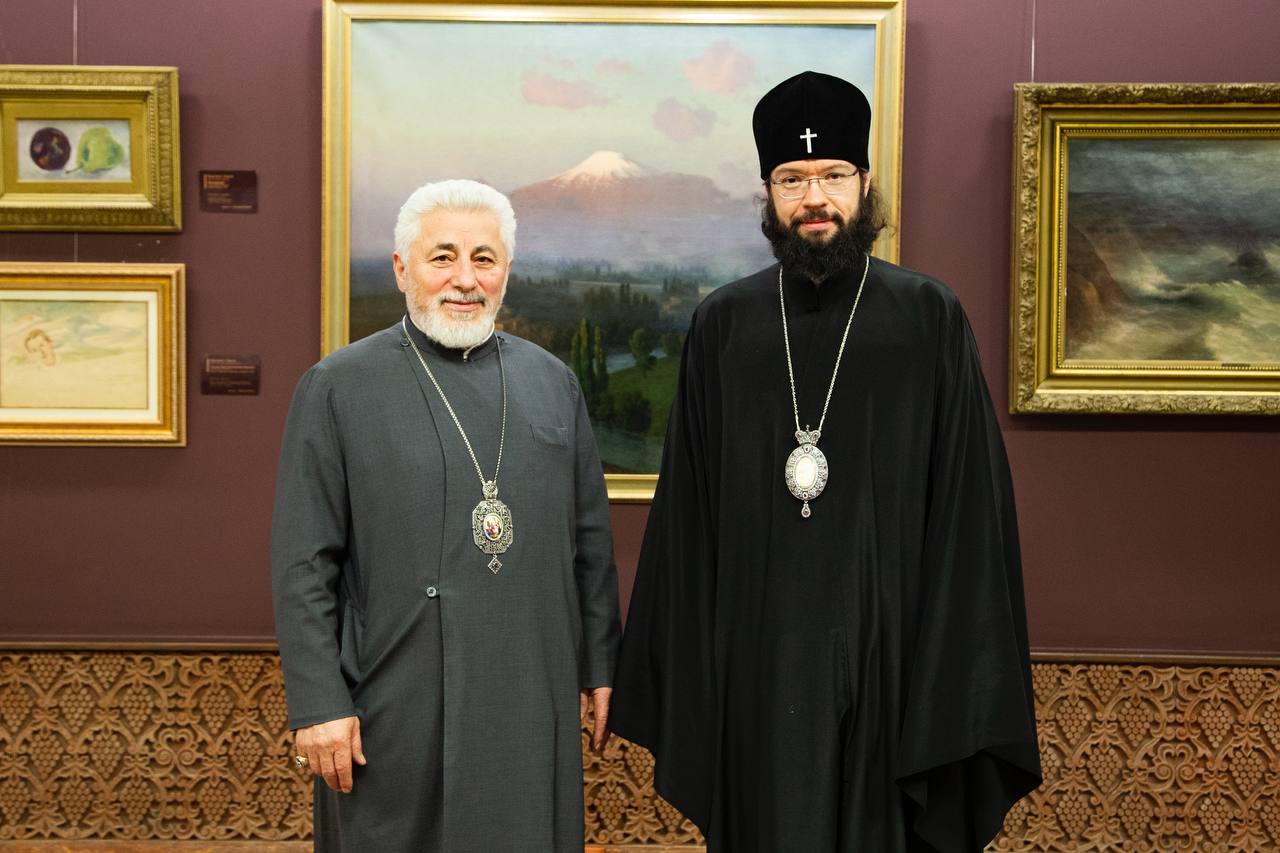
Nersisyan is the head of the Russian and New Nakhichevan Diocese of the Church. According to the declassified documents published by the Armenian National Security Service (NSS), Nersisyan was recruited by the Soviet Union’s KGB and cooperated with the agency from 1986–1988.
Amid the confrontation between the government and the Church, Nersisyan received a state award from Russian President Vladimir Putin in November 2025, which was perceived by critics as evidence of his ties to the Russian authorities.
Following this, the Russian Orthodox Church, during a meeting with Nersisyan, described the ongoing standoff as an attempt by the Armenian authorities ‘to grossly interfere in church affairs’ and said any attempts ‘to engineer a schism among believers’ would be ‘unacceptable’.
In his interview with TASS, Nersisyan argued that the Church, as a non-partisan institution, ‘has never interfered in state affairs’, unlike the current Armenian authorities.
However, following Armenia’s defeat in the 2020 Nagorno-Karabakh War, Karekin II repeatedly called on Pashinyan to resign. In spring 2024, Pashinyan also faced the largest anti-government protests led by Archbishop Bagrat Galstanyan, a senior cleric who positioned himself as a candidate for prime minister.
‘But the authorities trampled on the constitution to silence the Church, deprive it of its influence, and subjugate it. The time has come for the Church to raise a united voice and denounce the illegal, unconstitutional actions of the authorities’, Nersisyan said.
Nersisyan also claimed there had been a ‘coup d'état’ in Armenia, without specifying which events he was referring to.
He further said the authorities were using administrative resources ‘to discredit the clergy for political purposes, inciting intolerance toward the Church in society, and they do not shy away from slander and outright lies’.
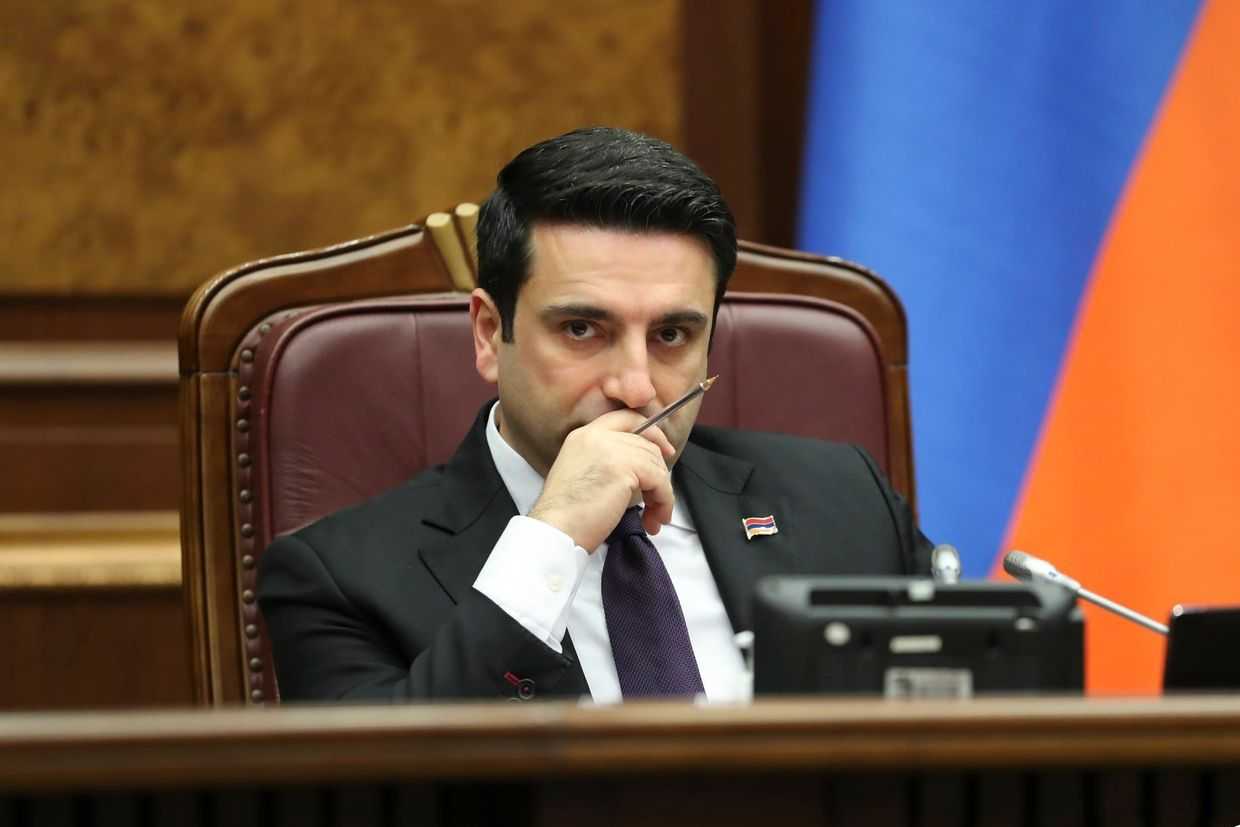
A day before Nersisyan’s comments, Parliamentary Speaker Alen Simonyan said during a press briefing that if the government was using administrative resources against the catholicos, he would already have been ‘handcuffed and taken’.
Responding to questions about reduced public attention to the conflict with the Church amid ongoing internal political processes — including efforts to determine the ruling Civil Contract party’s list for the 7 June parliamentary elections — Simonyan insisted that ‘the process that has begun is now irreversible’ and that it would continue ‘until it reaches its natural conclusion’.
‘Another question is at what stage, according to what timetable, and what actions will be taken’, Simonyan said, arguing that Karekin II ‘does not fully control the situation, he is unable to make decisions’.
Asked about Pashinyan’s recent absence from Sunday liturgies, Simonyan said he expected the prime minister to resume attending mass.
‘We even discussed it in connection with the [election] campaign — he said, “I can’t; I must attend liturgies, we need to arrange the [schedule] accordingly” ’, Simonyan said.