Moldova’s ruling party declines Tbilisi visit over poor bilateral relations

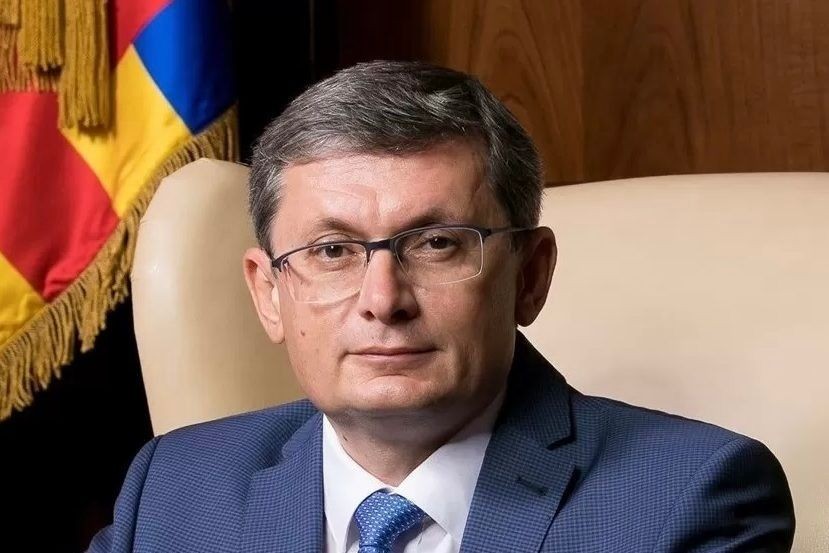
Moldovan Parliamentary Speaker Igor Grosu, of the ruling Party of Action and Solidarity (PAS), said members of his party had declined an invitation from Georgian Dream to visit Tbilisi, citing poor relations between the two governments.
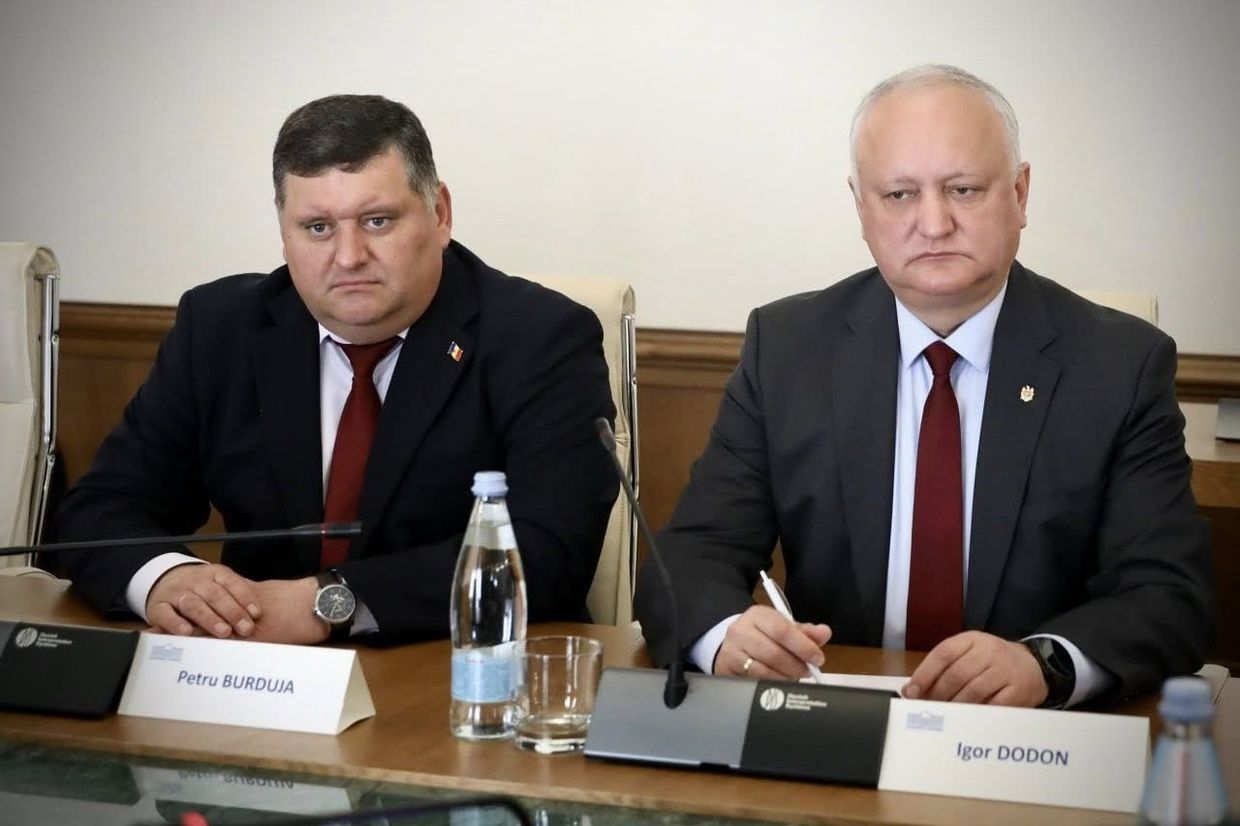
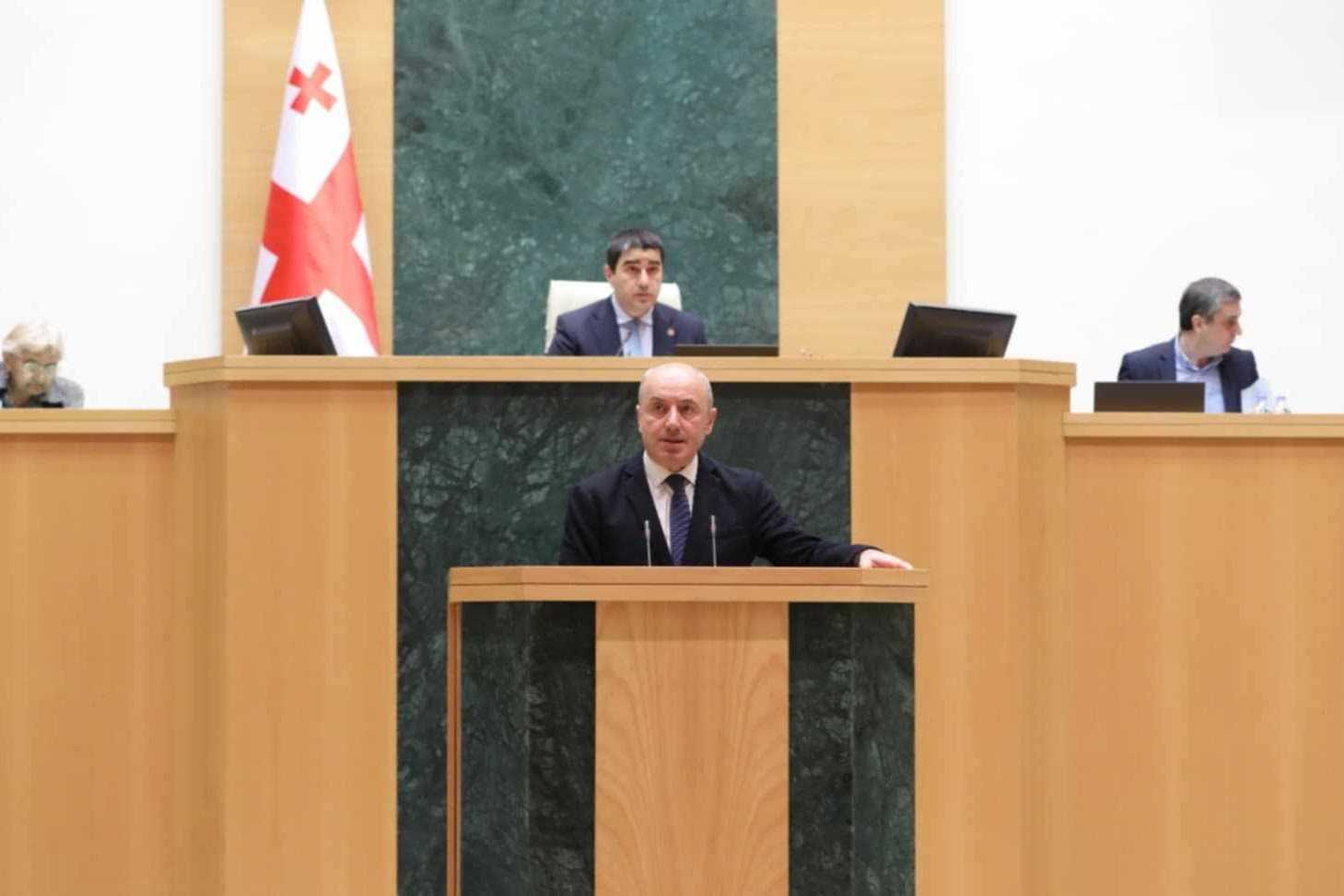
On Thursday, a delegation of Moldovan lawmakers, headed headed by pro-Russian lawmaker Bogdan (Bogdat) Țîrdea and controversial former President Igor Dodon, visited Georgia as part of an official friendship group between the two parliaments.
The decision not accept the invitation to visit was also condemned by Țîrdea, who alleged in a brief street interview with RFE/RL’s Georgian service that the PAS had tried to prevent him and other opposition members from travelling.
‘We were shocked by this [...] If you do not want friendship with Georgia, what are you looking for in the friendship group?!’, he said.
Grosu told the Moldovan media outlet NewsMaker that PAS members had decided not to accept Georgian Dream’s invitation over several factors, including the undue influence of Georgian Dream’s billionaire founder Bidzina Ivanishvili on domestic politics and repeated criticism by Georgian Dream of the PAS.
‘It is no secret to anyone that Georgia is, unfortunately, captured by an oligarch’, Grosu said. He added that Moldova has faced similar problems with the influence of oligarchs in the country’s electoral politics.
Moreover, Grosu said ‘We cannot honour this invitation from a country from which [...] has made very disrespectful statements towards the Republic of Moldova and the people of the Republic of Moldova’.
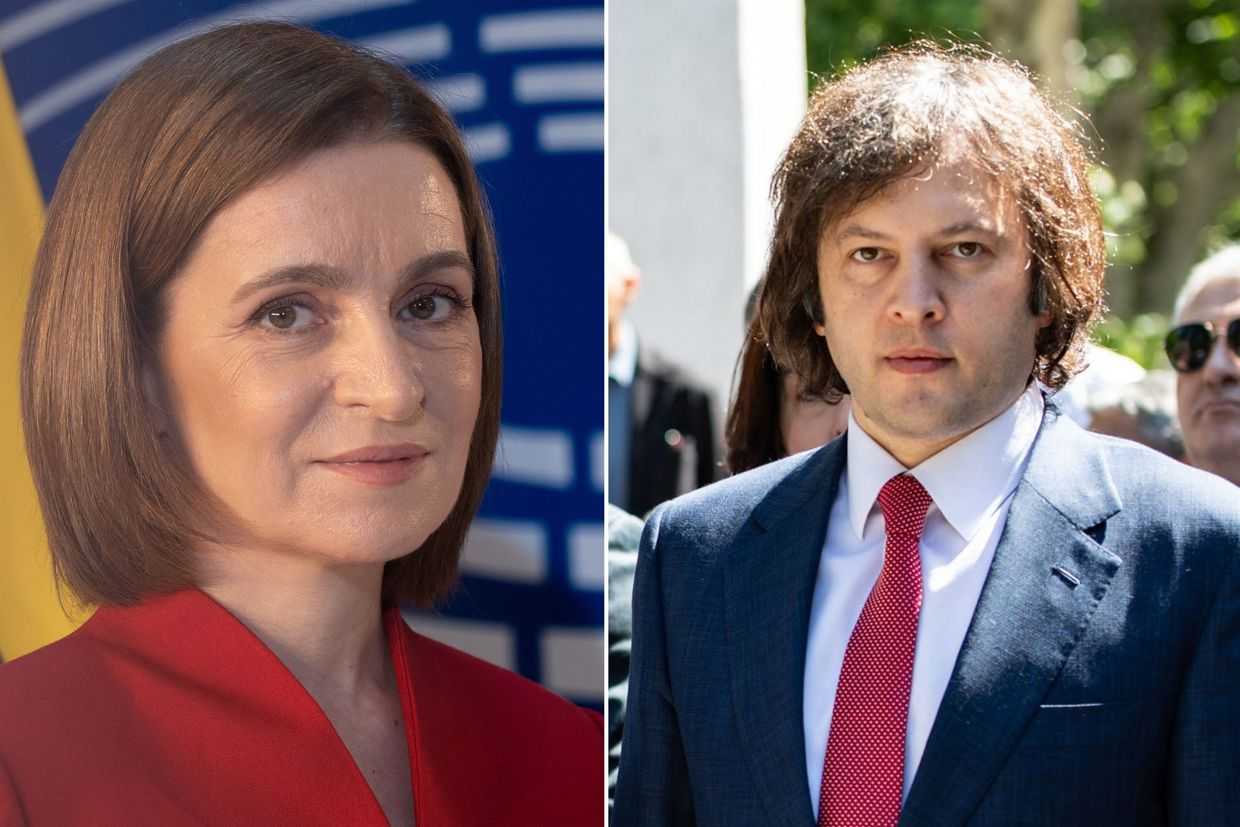
Georgian Dream officials have routinely attacked the PAS and President Maia Sandu, who has also hit back at times.
Following the victory of Sandu’s party in the Moldovan parliamentary elections in September 2025, Prime Minister Irakli Kobakhidze said it would be ‘difficult’ to congratulate her, citing Moldova’s membership in the Russian-led Commonwealth of Independent States (CIS).
Kobakhidze’s citing of Moldova’s CIS membership as a reason to refuse to congratulate Sandu were mocked and seen as a smokescreen by some on social media, obfuscating the unwillingness of Georgian Dream to publicly support Moldova’s pro-EU government. Georgian Dream has repeatedly complained that the EU has a hypocritical approach towards Moldova, unfairly focusing on problems in Georgia while ignoring similar issues there.
Ahead of the Moldovan elections, a crew from the Georgian pro-government media outlet Imedi was denied entry into the country. While documents shared of the refusal indicated simply the relevant legislation that concerns the registration of foreigners in the country, Imedi journalists claimed the reasons were political.
In 2024, Moldova summoned Georgia’s chargé d’affaires after Kobakhidze claimed there were ‘gross flaws’ in the Moldovan presidential election that had just been held.
 Mikheil Gvadzabia