Opinion | ‘A list of rich people in a poor country’ — what Forbes’ top 100 list reveals about Georgia
Georgia’s Forbes Top 100 shows an uneven playing field, offshore wealth, hidden names, and women playing safety rings for rich families.
Georgia is a very unique developing country, where most poor people love the rich and look up to them, not as an example but as a protective hope. Almost no one expects the rich to start a business and create jobs; rather, they expect the government to pursue this, while the rich spread glitz and glamour.
This Soviet mentality has not changed much, even as Forbes Georgia, for the first time in its history, released its list of the 100 wealthiest entrepreneurs in the country.
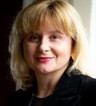
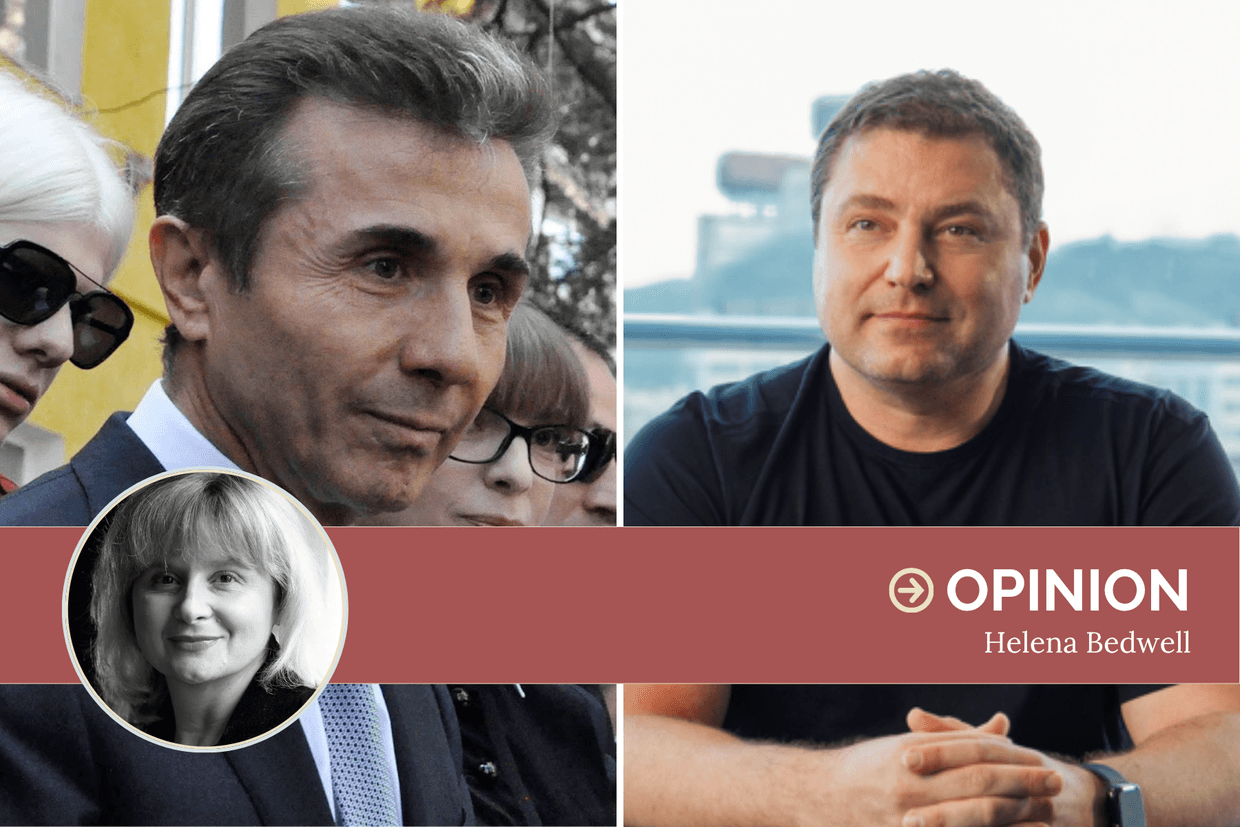
The list largely made headlines due to its claim that Georgian Dream founder and billionaire Bidzina Ivanishvili had lost his crown to Mikheil Lomtadze, a cheerful-looking Georgian based in Kazakhstan. The remaining list members — many of whom are closely affiliated with the current government or its circles — and their fortunes (listed in the local currency, lari) stirred further controversy and arguments amongst the public and experts.
 Mikheil Gvadzabia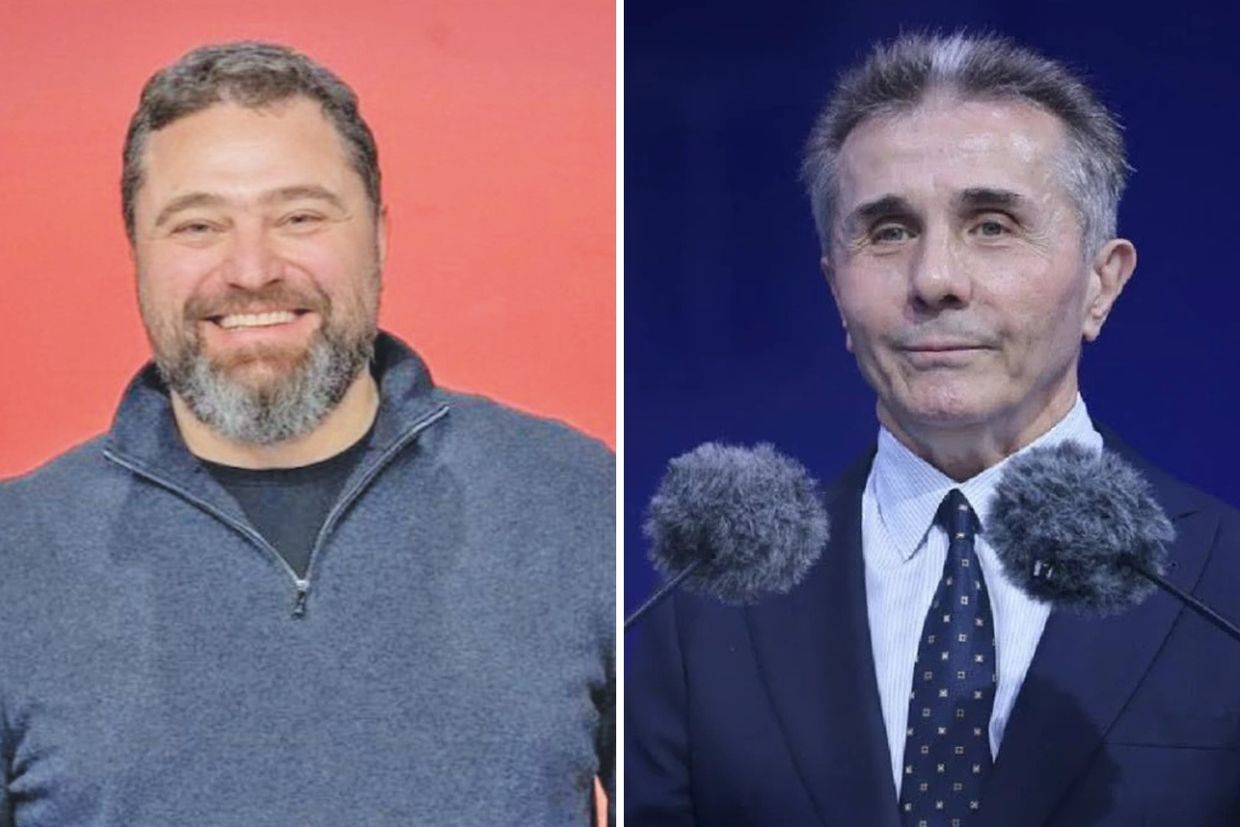
As a former Bloomberg regional reporter covering the country for 19 years, I have kept a very close eye on Ivanishvili’s fortune, especially given his informal rule over the country.
Earlier in March, Bloomberg told me that Ivanishvili was worth $3.7 billion, according to the Bloomberg Billionaires Index, while Lomtadze was worth $4.8 billion. These are interesting numbers to consider, especially given that by comparison, Georgia’s original oligarch, Badri Patarkatsishvili, was listed by Forbes as having an estimated $12 billion worth when he died in February 2008.
It is also curious that Lomtadze, the CEO and chair of the board of Kaspi.kz, a leading digital payments and banking service in Kazakhstan, is featured on the list at all, despite not having assets in the country.
‘With the exception of Lomtadze, the list includes only those who hold Georgian assets, whose ownership can be verified by a third party through official documents’, Forbes Georgia editor-in-chief Shota Dighmelashvili told me following the article’s publication.
He explained that because both Ivanishvili and Lomtadze appeared on Forbes’ global list as being Georgian, Forbes Georgia did not have the right to make any revisions in this regard.
According to former National Bank governor Roman Gotsiridze, the Forbes Georgia list raises many questions, especially in regards to the methodology. He highlights in particular the difference between the Forbes global list, which includes all of the person’s assets, regardless of the country or jurisdiction in which they are registered, with regional lists, which generally only account for assets that exist in Georgia and can be identified.
‘The vast majority of people included in the Georgian list own assets abroad — such as apartments, commercial spaces, shares, and deposits. For example, some MPs who are obliged to submit financial and property declarations also indicate their family’s foreign assets. Other members of the list do not do this, and it is impossible to identify their foreign assets. At this stage, ignoring such assets is correct’, Gotsiridze says.
Even so, he highlights that it is ‘undoubtedly commendable’ to even compile the list in the first place.
‘It caused a big resonance in society’, he says. ‘It’s the list of rich people in a poor country’.
Beyond his assessment of the list itself, Gotsiridze’s most notable comment was the observation that out of 100 people, only four — including Temur Chkonia, with ₾1.7 billion ($630 million), the owner of 87% of Coca-Cola Georgia and 90% of the local McDonald’s franchise operator — are not afraid to place advertising on opposition TV channels and with other media critical of the government.
When contacted by OC Media, several members of the list, such as Giorgi Ramishvili, founder of Silk Road Group, declined to comment. Separately, one businessperson who did not make the list and refused to be identified publicly stated that ‘he was glad he was not on the list’, preferring to stay out of the limelight.
Going through the list, I recognised several names from my personal experiences, including Giorgi Jokhtaberidze, who owns 75% of the telecommunications company Magticom and whom I met aboard former President Eduard Shevardnadze’s plane in the 1990s, when he became a family member as his son-in-law.
Interestingly, it was the women on the list whom I largely failed to identify.
An anonymous source who works in Georgia’s PR sector told me that those who were less known on the list were likely to be cover-ups for others, especially the women.
‘However, there is this positive note too’, she added, ‘the myth of the great Bidzina Ivanishvili being the richest and the only one who may crumble’.
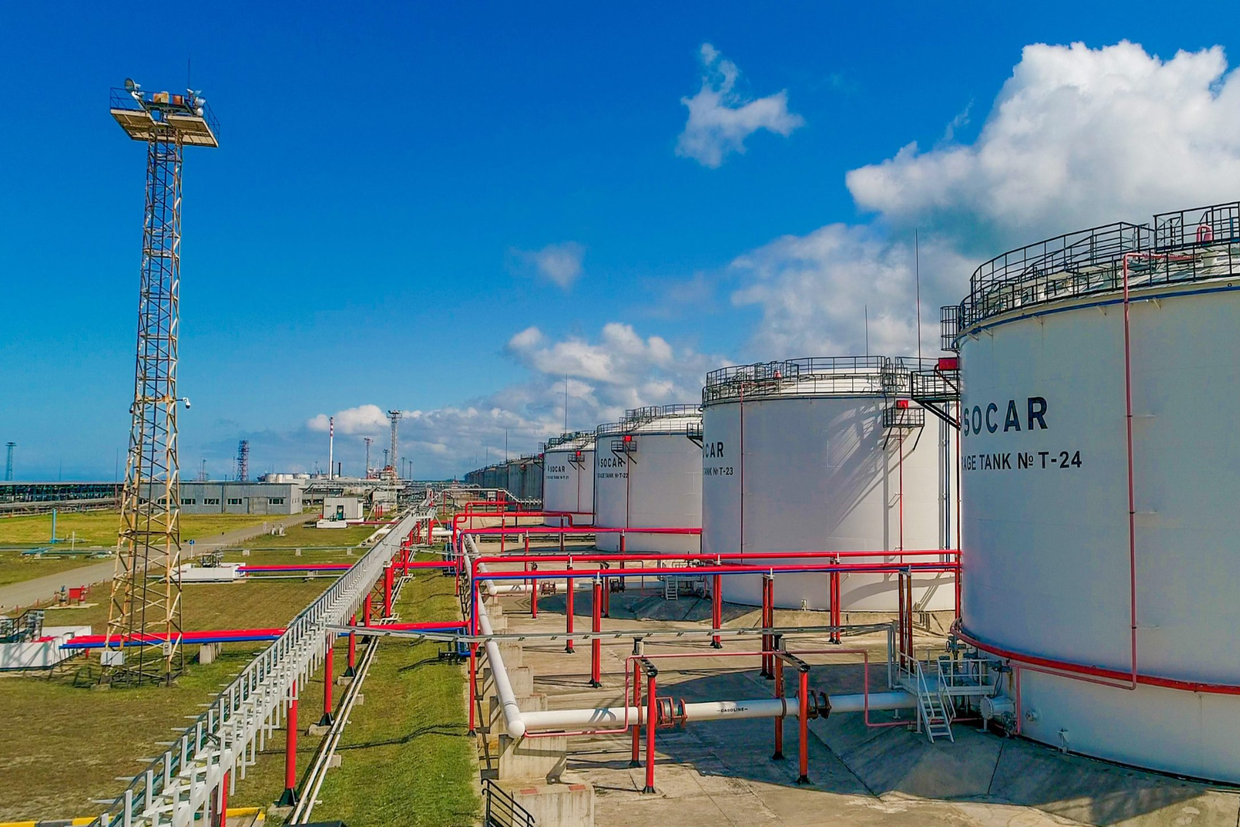
Maka Asatiani was one of the most identifiable female figures on the list, but for troubling reasons. As owner of 30% of Black Sea Petroleum, operator of the new oil terminal in Kulevi, she made headlines after beginning to process crude oil imported from Russia in October 2025.
‘We can say that the list release is fantastic — suddenly, we see 12 women and their involvement, but when we go deeper, most of them are formally family members [of other list members], and the reality is that women have limited financial access’, Tayona Baghdavadze, founder of Key Communications, told OC Media.
She also added that most businesses are trade, lending, and family-based businesses rather than something innovative. This is despite the fact that Georgia is a country of very strong women. In the 1990s, when most economic indicators plummeted, work disappeared, and men were left jobless, Georgian housewives put away their aprons and made a living — yet they do not seem to have broken through the glass ceiling just yet.
Despite the long list, Ivanishvili still grabs most of the public interest. Many experts are not convinced that his numbers have decreased, however — rather, they believe he has become even richer.
‘Just because Forbes and Bloomberg cannot identify the wealth does not mean it is not there’, Gotsiridze highlights.
This could be largely due to the fact Ivanishvili’s property is opaque, hidden, and re-registered. While some assets are known to belong to him, legally they are not.
‘[Ivanishvili] got richer in every direction: the value of his shares increased, the value of his paintings increased, the value of his real estate increased, even the collateral with the Swiss bank compensated the damage twofold or more. Part of this money, $463 million, has already been transferred from this bank; $600 million is still frozen, although he won a lawsuit against the bank! And most importantly, he made colossal money here in Georgia. His companies win tenders and mostly benefit from various tax and non-tax privileges’, Gotsiridize emphasises.
Various experts I spoke to agree that although Ivanishvili is presented in second place on this list, in reality, he could be richer than Lomtadze.
‘Come on, [Ivanishvili] owns the country’, one Georgian told me.
For them, openly criticising Ivanishvili is hard, proving just how politically sensitive the country’s wealthy people can be.
Even so, lawyer Zaza Bibilashvili praised the appearance of more billionaires in the country after years of Ivanishvili being Georgia’s sole billionaire, arguing that this would inevitably affect Georgia’s political environment.
‘It is highly likely that the new billionaires do not feel secure or comfortable in this reality. However, time will show what they choose to do — whether they will try to use their wealth and influence to restore a political equilibrium, or whether they will become controllable subservients, like the many we see in Russia under Vladimir Putin’, Bibilashvili concludes.
Helena Bedwell