Opinion | Armenia’s unbreakable and vicious cycle of violence against children
New reforms to protect children exist on paper — yet every minute the government delays in fully implementing them risks another child’s life.

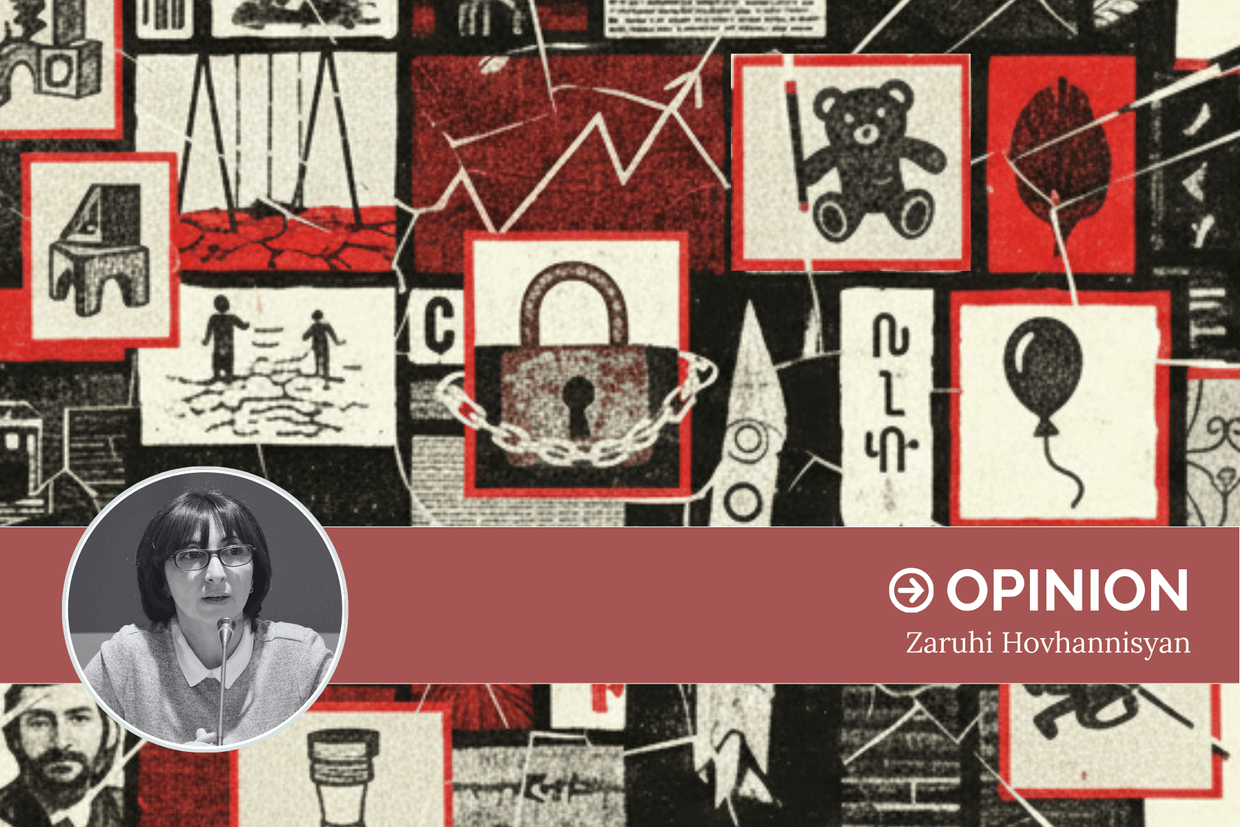
The death of a child shakes society to its core — unleashing a brief wave of anger, fear, and grief that fades almost as quickly as it erupts. We treat each case as an aberration, refusing to examine its deeper causes, and then we return to routine until the next tragedy strikes. Yet behind each headline lies the same story: an unprotected child, an ineffective state protection system, an indifferent social environment, and a culture that normalises violence.
Armenia’s family code and the law on children’s rights clearly prohibit violence against children. Still, we continue to witness bullying in schools, online harassment, psychological pressure and humiliation in families, and widespread acceptance of corporal punishment. Public spaces offer at least some chance of witnesses; the family, however, remains a closed institution, where violence is easily concealed until its consequences become unbearable. It is precisely here that the cracks in the state’s child-protection system are most visible.
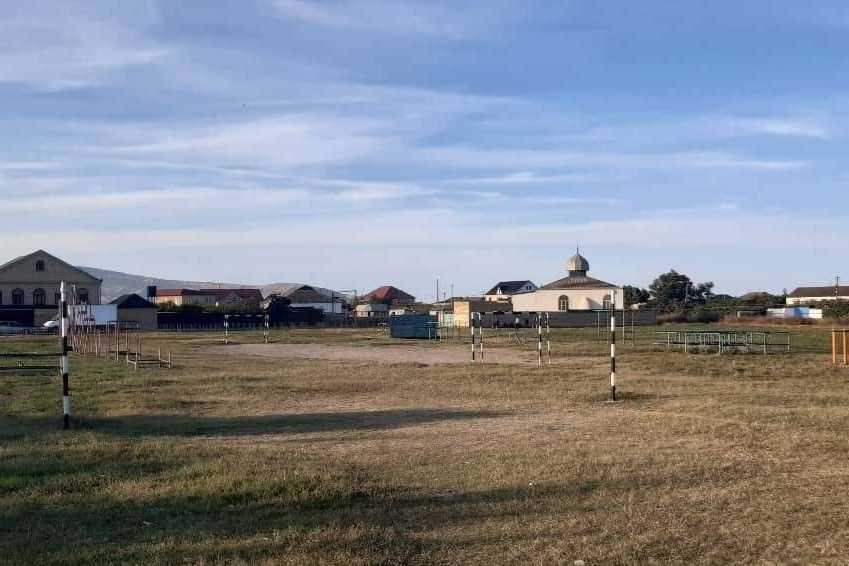
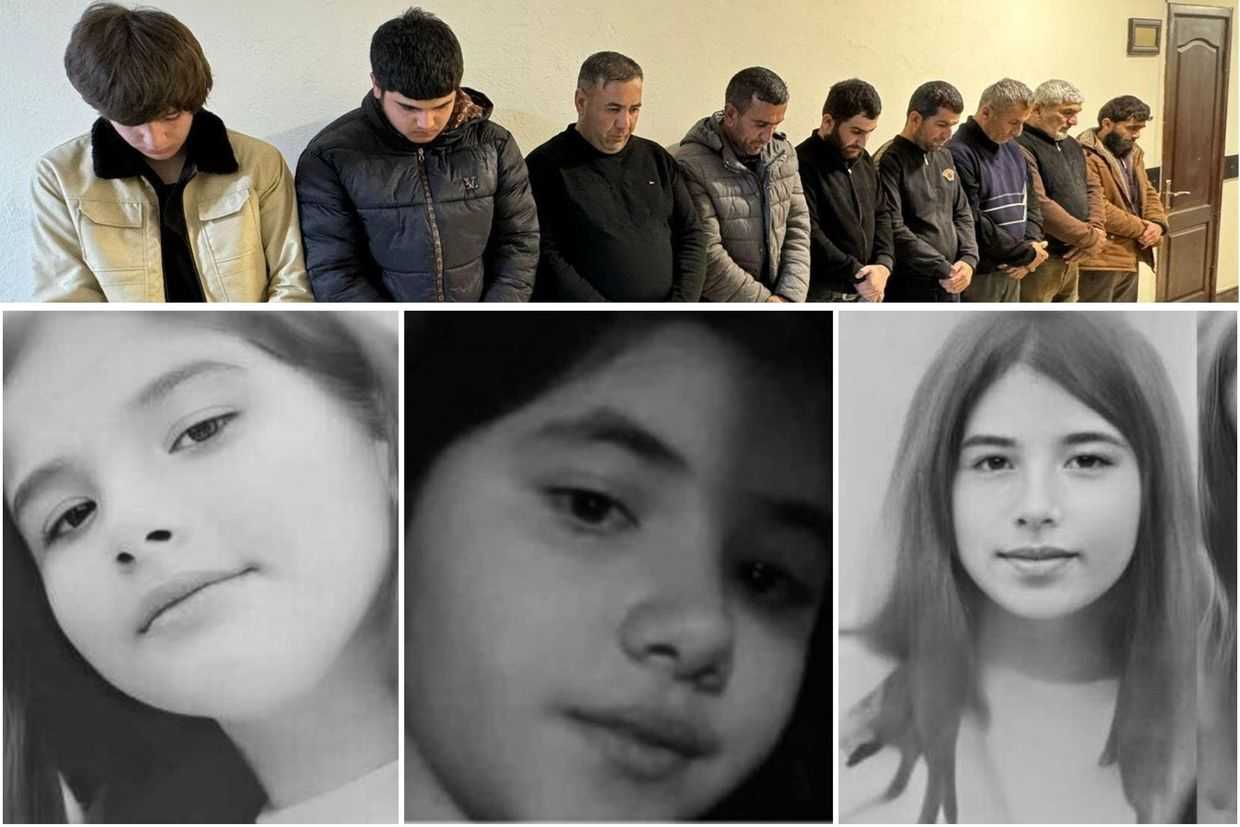
In November, in the village of Tsapatagh in the eastern region of Gegharkunik, the killing of a three-year-old child by his father shocked the nation. The boy was found with severe head and body injuries.
Before this, in 2020, a public outcry followed another horrific case in the northern community of Khashtarak, where a six-year-old boy died after being brutally beaten by family members.
In 2019, in Hartagyugh, Lori region, a mother killed her seven-year-old daughter by suffocation.
In 2018, in Armavir, a father beat his young child to death.
These stories reveal the darkest side of a systemic failure — when a child loses not only protection but the right to life itself. But such tragedies do not emerge from nowhere. Violence against children is rarely a single act; it is a pattern, a continuous process that can eventually lead to death. At its core lies a cultural problem: the perception of the child as parental property rather than an autonomous human being.
The phrase ‘It’s my child, I raise them as I see fit’ is still used throughout Armenia to justify corporal punishment and other harmful practices. This mindset perpetuates a culture of violence. And this is where the state’s role becomes central — not only in responding to violence, but also in preventing it through robust institutions, clear responsibilities, and genuine expertise. Are Armenia’s laws anything more than declarations on paper, lacking enforcement and effective mechanisms? That question grows louder with every tragedy.
 Tata Shoshiashvili
Armenia has committed, through both national legislation and international treaties — including the UN Convention on the Rights of the Child and the Council of Europe Convention on the Protection of Sexual Exploitation and Sexual Abuse — to protect children’s rights. Yet in practice, the system remains weak, fragmented, and unable to stop recurring abuse.
One of Armenia’s major challenges is the lack of reliable, unified data on violence against children. There is no comprehensive database that tracks cases, their types, causes, risk factors, or outcomes. Reports are scattered across police stations, schools, healthcare institutions, and social services — but they have never been consolidated into a single analytical system.
This informational vacuum severely limits the government’s ability to design targeted policies or effective prevention mechanisms. Without knowing where violence is most prevalent, which types are rising, which families are at highest risk, or which interventions actually work, policy-making becomes reactive rather than preventive. Decisions are taken based on assumptions rather than evidence.
Effective and sustainable policy is only possible when built on complete, transparent, and continuous data. Without it, Armenia’s child-protection system continues to operate blindly — responding only after tragedies occur, rather than preventing them.
Furthermore, Armenia’s three-tier child protection system — which includes guardianship and custody bodies in communities; regional and Yerevan-level child protection units; and the National Commission for the Protection of Children’s Rights under the Ministry of Labour and Social Affairs — suffers from deep institutional weaknesses that undermine the state’s effectiveness.
Indeed, guardianship and custody bodies — the frontline of child protection — hold wide legal responsibilities but operate with non-professional and often volunteer-based staff. A 2017 report by Armenia’s Human Rights Defender identified serious shortcomings, including legislative gaps and lack of expertise. Seven years later, the core problem remains unchanged: these bodies still function voluntarily, with inconsistent training and limited understanding of the ‘best interests of the child’. This means decisions with life-changing consequences for children are often made without professional competence.
Kushane Chobanyan
Human rights defenders have repeatedly raised these concerns, placing significant hope on the newly adopted legislative package aimed at reforming the system.
Recent amendments aim to ensure the real, not only declarative, protection of the child’s best interests. Under the new laws, Guardianship and Custody Commissions will no longer function voluntarily. Instead, specialised and trained social workers with clear responsibilities and mandatory professional preparation will take over. For the first time, child protection is expected to become a professional state service rather than a voluntary administrative duty.
The reforms also introduce a multi-sectoral cooperation model, obliging educational, healthcare, social, and law enforcement systems to work together, rather than in parallel, with a child-centred and protection-focused approach.
These reforms are significant, long overdue, and promising — but they currently exist only on paper. How long it will take for the state to implement them fully remains uncertain. Yet the tragedies we witness — and the silent histories of abuse that never make headlines — are urgent reminders that Armenia cannot afford further delay. Every unprotected child, every preventable death, is an alarm. The question is how many alarms we need before real change reaches the lives of the children who depend on us most.
This article was translated into Russian and republished by our partner Jnews.