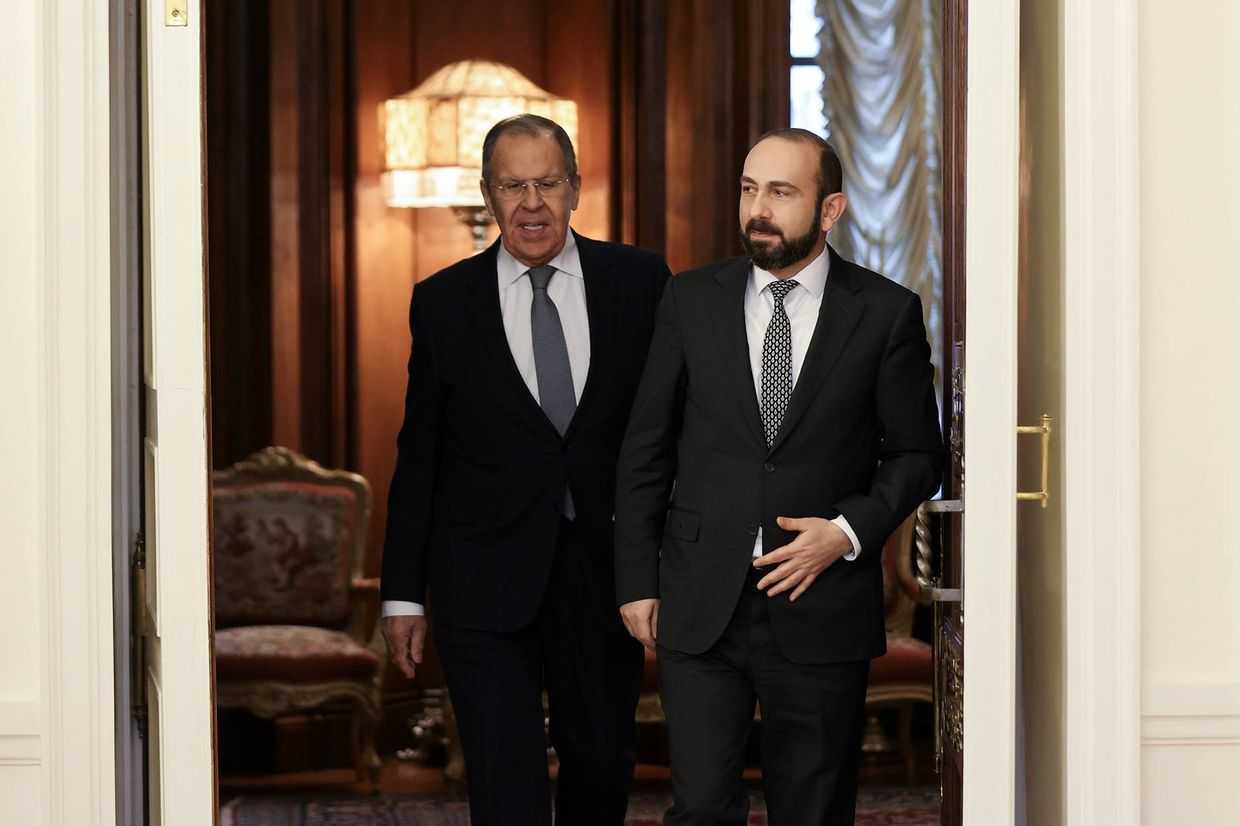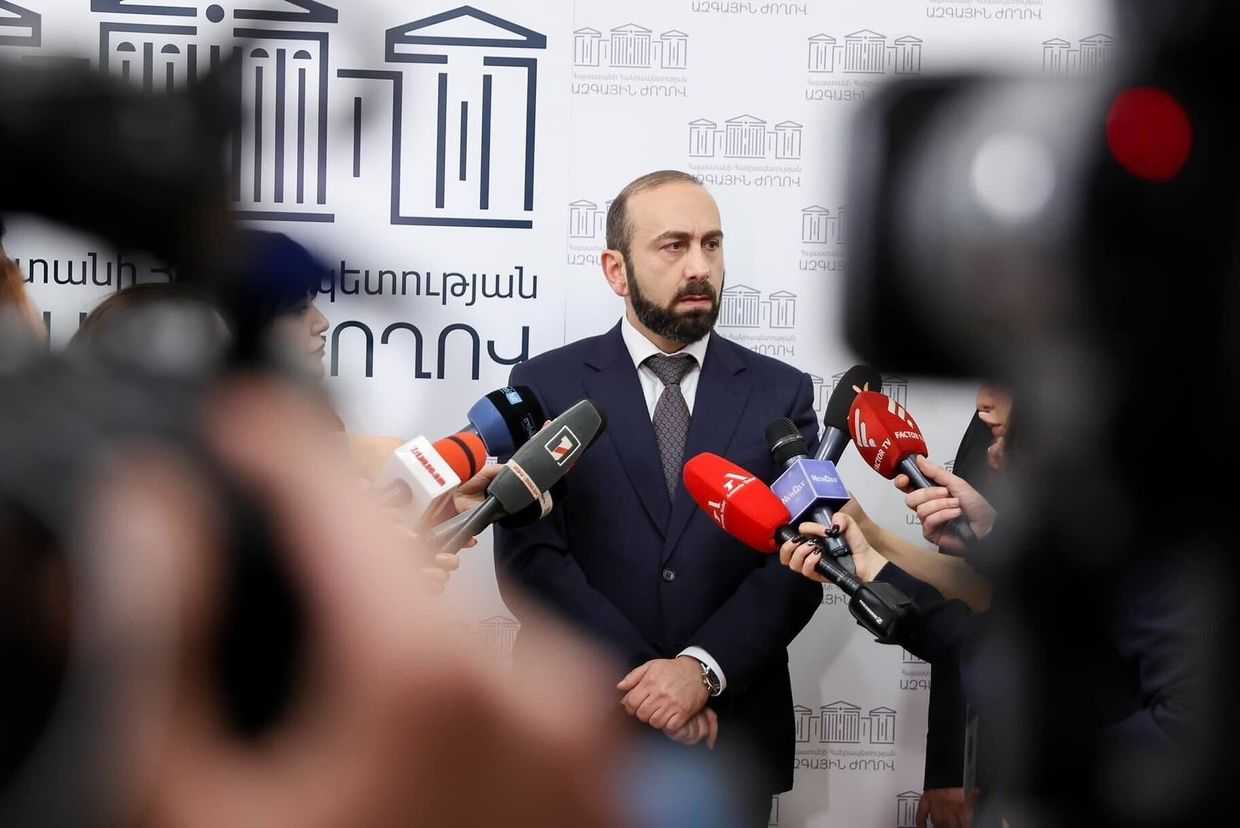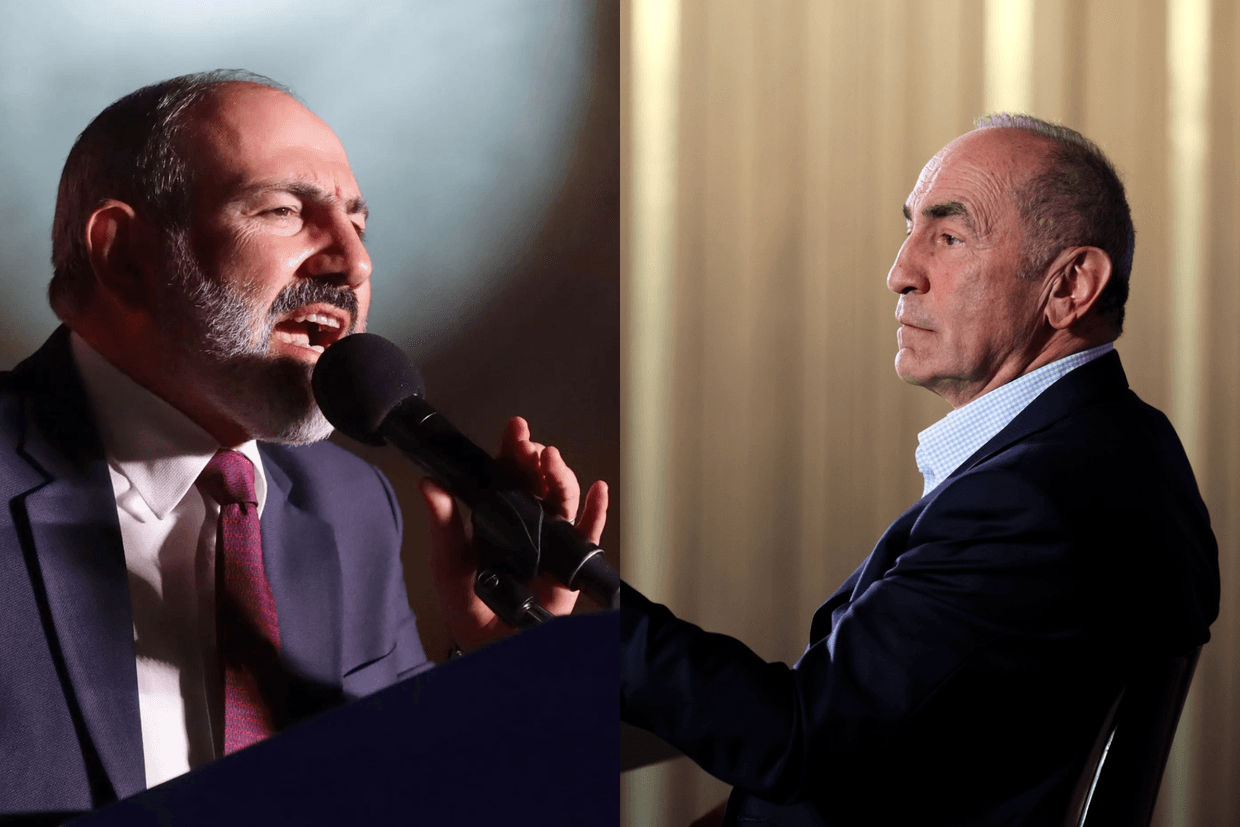
Ahead of the parliamentary elections in June, Prime Minister Nikol Pashinyan and his opponents have been exchanging mockery and challenges online, testing each other’s physical and intellectual abilities. The back-and-forths come despite the official campaign not yet having begun.
The exchange began after Pashinyan’s weekly press briefing on 19 March, when he questioned the strength of his main opponents, who portray themselves as strong past or future leaders of Armenia.
‘If those oligarchs can do 30 pull-ups, let them do 30 pull-ups live’, Pashinyan said, adding that he himself would be unable to do so. However, he added that his strong suit is riding a bike, claiming he could ride for 100 kilometres.
Pashinyan also questioned his opponents’ intellectual abilities, suggesting they go live and ‘show their intellect’, while expressing confidence that they would prove their weakness ‘in analytical thinking and vocabulary’.
He further questioned that their strength lay in their wealth, which he claimed came from ill-gotten gains.
Pivoting, Pashinyan said on Thursday that his government’s strength is their ‘legitimacy’.
‘There is no greater strength than that, and there cannot be’, Pashinyan said.
Following the 19 March briefing, Pashinyan continued challenging his opponents online, first repeating his pull-up challenge while also suggesting an intellectual alternative.
‘In a live stream, without any outside help, say what the capital of Spain is, and I will accept that you are a super-intellectual, a strong intellectual’, Pashinyan said.
 Arshaluys Barseghyan
He also singled out his main opponents — ex-President Robert Kocharyan, tycoons Samvel Karapetyan and Gagik Tsarukyan — challenging them to write the word ‘ignore’ in Armenian, which has complicated spelling, suggesting he would accept their strength if they made ‘less than two mistakes’.
Pashinyan also proposed a science challenge, saying, ‘Are you strong in biology? If so, go live stream and say whether lichen is a fruit or an animal’.
‘No rival when it comes to braying’
None of Pashinyan’s opponents accepted the challenges, but rather chose to present their own ostensible strengths, as well as suggesting challenges of their own.
Narek Karapetyan, the nephew of Samvel Karapetyan, was among the first to respond to Pashinyan’s challenges. On 19 March, he posted a video on social media answering what he called Pashinyan’s question ‘in street-style language’.
Arshaluys Barseghyan
‘Our strength lies in our programmes and in the will to implement them’, Karapetyan said, providing further details of their plans while also asking Pashinyan what his strength was.
On the same day, Tsarukyan’s spokesperson Iveta Tonoyan told RFE/RL that Armenia’s pressing issues cannot be solved through such competitions, rejecting being ‘drawn into imaginary agendas dictated by others’.
At the same time, Tonoyan highlighted Tsarukyan’s physical achievements, noting that he was a former world champion in arm wrestling and ‘an advocate and enthusiast of a healthy lifestyle who trains daily’.
In contrast, Kocharyan appeared to engage Pashinyan directly through a newly launched TV programme called Big Politics run by Kocharyan and two MPs from the Armenia Alliance faction.
Arshaluys Barseghyan
In its latest episode released on Tuesday, the hosts emphasised that their ‘competitive advantage is our seriousness, not the shows being put on by the authorities’.
They criticised social media content created by Pashinyan and his Civil Contract party which goes viral, saying it overshadows important issues.
‘If any politician or well-known figure in Armenia starts braying like a donkey, braying with gusto, I think the views would reach millions’, Kocharyan added.
Pashinyan then responded to Kocharyan the next day, suggesting that Kocharyan should himself bray like a donkey to see how many views he could get. He also suggested that Kocharyan would struggle to obtain more than his usual average number of views.
Kocharyan’s office countered, underscoring that Kocharyan did not personally challenge Pashinyan, and unlike Pashinyan, took it personally.
‘Calm down, weak boy — you have no rival when it comes to braying’, the statement read, further suggesting Pashinyan was experiencing seasonal ‘aggravations’.
‘This will continue until the morning of 8 June, when the post officer brings the summons to the madhouse’, the statement concluded.
It is not the first time that public rhetoric has stooped into the gutter during political campaigns — the previous parliamentary elections in 2021 were full of personal insults, violent language, and mutual recriminations.
Ani Avetisyan