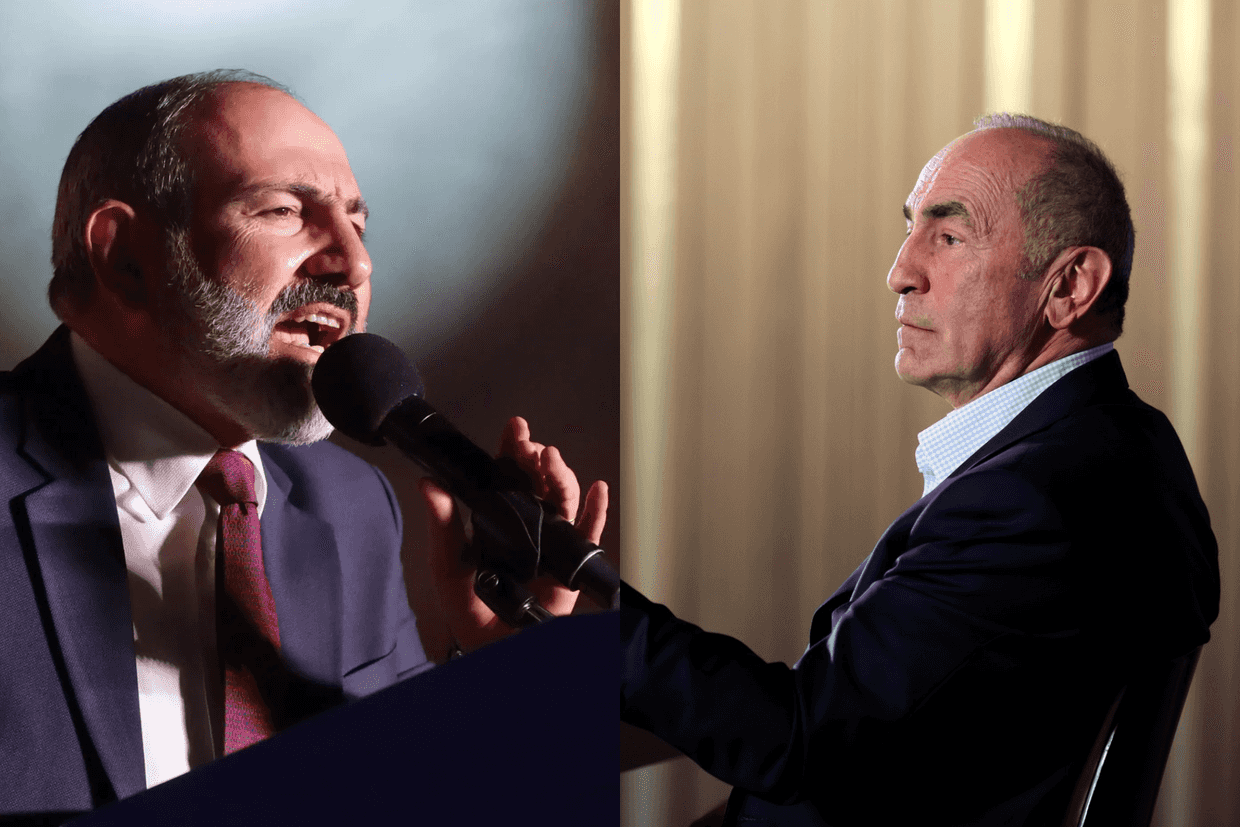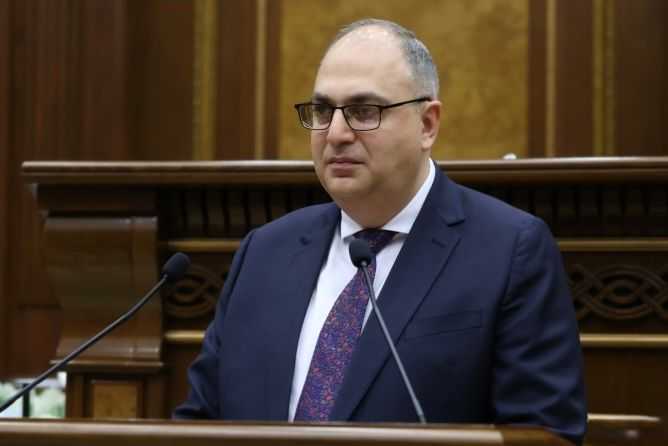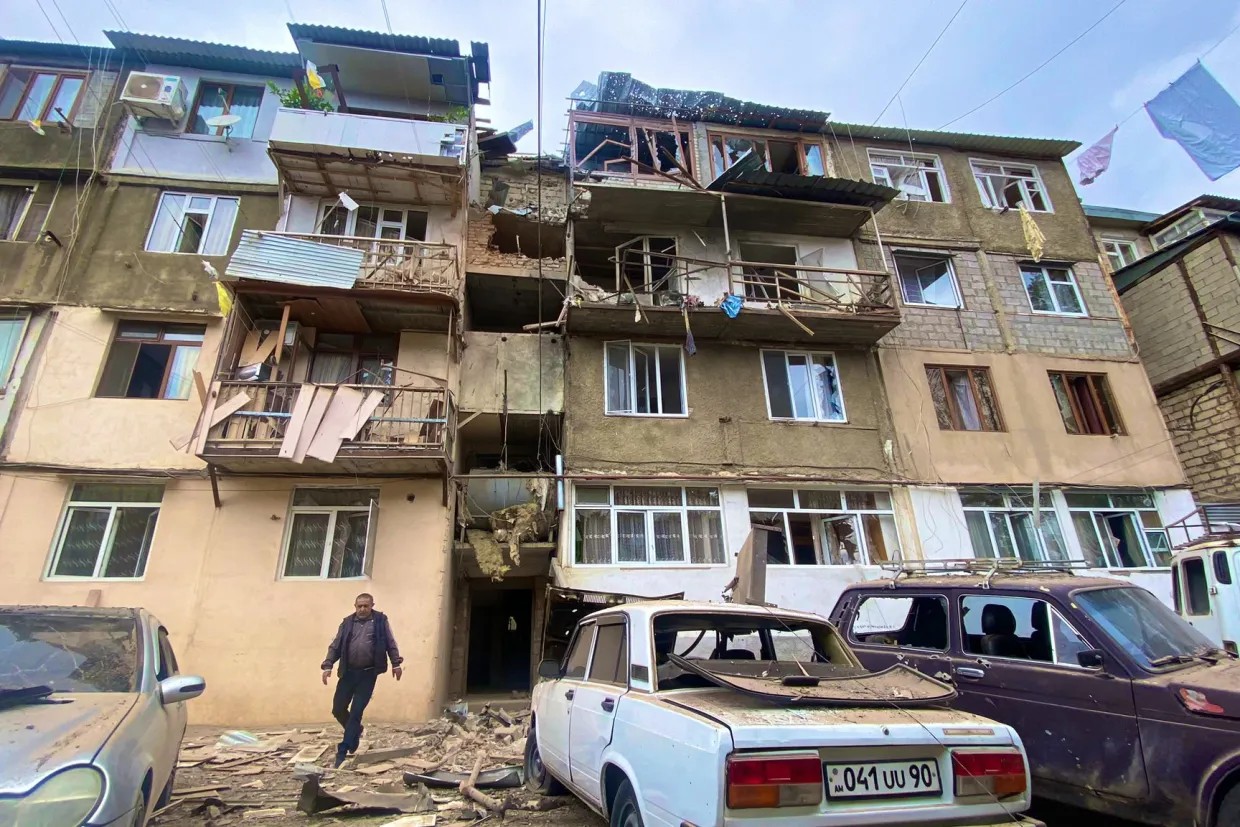
Prime Minister Nikol Pashinyan has claimed that the Nagorno-Karabakh Army did not fight back against Azerbaijan during the one-day lightning offensive in September 2023 that ended with the region’s capitulation. Citing intelligence data, Pashinyan said the notion that they ‘fought to the end’ was a ‘myth’.
The statement was made on Thursday during his weekly press briefing.
This claim comes despite Pashinyan’s government officially confirming that as a result of one-day war, 223 people were killed, including 25 were civilians, while 244 were wounded. In turn, Azerbaijan reported 205 casualties, while the number of injured was over 511.
The outcomes of the war were later analysed in a meeting of the Armenian Security Council, according to Pashinyan.
‘Without being able to disclose much, I want to note that claims about fighting and so on are, to put it mildly, not consistent with reality, because according to data available to our intelligence, and not only intelligence, the vast majority of the available weapons and ammunition, perhaps 80% or even 90%, remained untouched’, Pashinyan said.
Im hearing all types of weapons sounds… pic.twitter.com/67p25ADt3u
— Marut Vanyan (@marutvanian) September 19, 2023
He expressed willingness to declassify the data ‘if necessary’ and ‘at the right moment’, and further accused the Nagorno-Karabakh ‘elite’ of having ‘ran away, slipped away’.
He stressed that his assessment did not apply to the people.
This clarification came days after Pashinyan had faced backlash after calling Nagorno-Karabakh Armenians ‘runaways’ during an argument with a refugee from the region on Sunday. After initially denying that he had used the insult, he later apologised the same evening.
 Arshaluys Barseghyan
Pashinyan’s controversial claims were widely criticised, with many emphasising the confirmed casualties and to the fact that the Armenian Armed Forces had enlisted the last commander of the Nagorno-Karabakh Army, Kamo Vardanyan.
Opposition MP Tigran Abrahamyan from the I Have Honour faction was among those pointing out the appointment.
Abrahamyan offered two possible explanations: he suggested that Pashinyan was either ‘lying’ in an effort to ‘manipulate through disinformation’ or that he found the appointment of ‘people he himself considers to be “runaways” ’ to serve in the army to be ‘beneficial’.
Constitution and military parade
During Thursday’s press briefing, Pashinyan also stated that if the new Armenian Constitution would not pass the referendum intended for this year, ‘we will hold another referendum’.
‘We will go to our people, we will convince them, we will explain — we have no problem with that. I am convinced that whatever we speak about honestly and fairly with our people, our people will understand. We are not imperial representatives whom the people cannot understand. We are representatives of our people’, Pashinyan said.
Armenia intends to hold a referendum on a new constitution after the 2026 parliamentary elections, set to be held on 7 June. Although Armenian authorities have officially expressed their intention to change the constitution, they insist that they were not not doing so based on Azerbaijan’s demands.
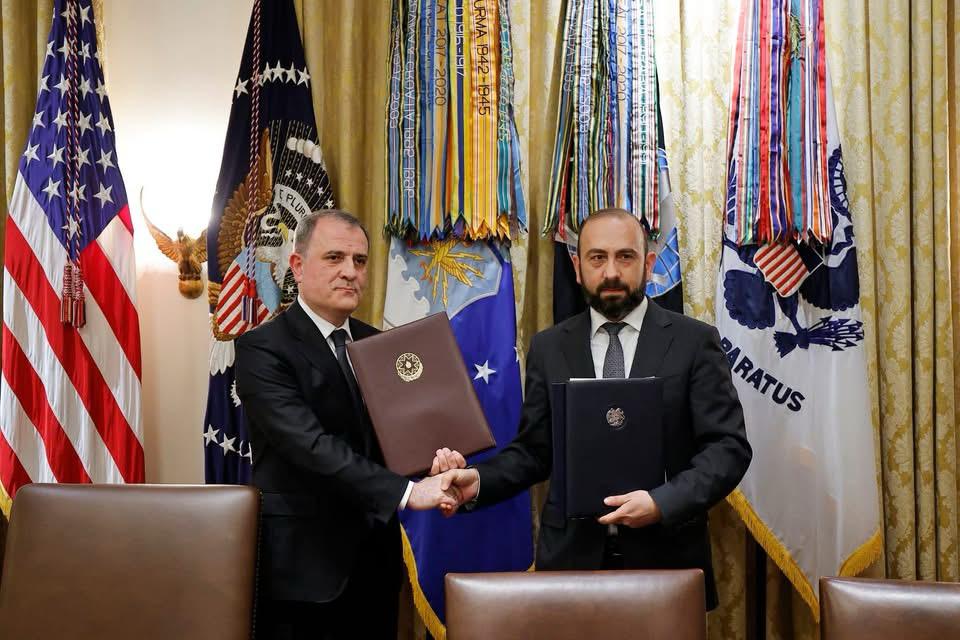
Azerbaijani officials, including President Ilham Aliyev, have repeatedly stated that Armenia’s constitution contains territorial claims against Azerbaijan and demanded that it be changed, which remains the sticking points holding up the signing of the peace treaty initialled in Washington in August 2025.
Armenia’s constitution references the Declaration of Independence, which in turn says it is ‘based’ on a joint decision made by Soviet Armenia’s Supreme Council and the Nagorno-Karabakh National Council on the ‘reunification’ of the two territories.
Pashinyan has repeatedly stated that the new constitution should not contain a reference to the Declaration of Independence, suggesting that the latter is built on a ‘logic of conflict’.
The Armenian government also intends to showcase the military equipment acquired over the past few years during a 28 May Republic Day event in Yerevan.
Pashinyan had earlier announced plans to publicly present a list of weapons acquired under his tenure after 2022, citing high public interest.
On Thursday, he stressed that the event aimed at being a ‘more of a report’ to Armenian society. He added that work was ongoing with the international community, ‘including the countries of the region, so that they do not interpret it in any way as a rejection of the peace agenda’.
‘I believe that the display of this military equipment will be an impressive sight for the citizens of Armenia’, Pashinyan said.
For ease of reading, we choose not to use qualifiers such as ‘de facto’, ‘unrecognised’, or ‘partially recognised’ when discussing institutions or political positions within Abkhazia, Nagorno-Karabakh, and South Ossetia. This does not imply a position on their status.