Pashinyan says Armenia–Russia relations undergo ‘constructive transformation’

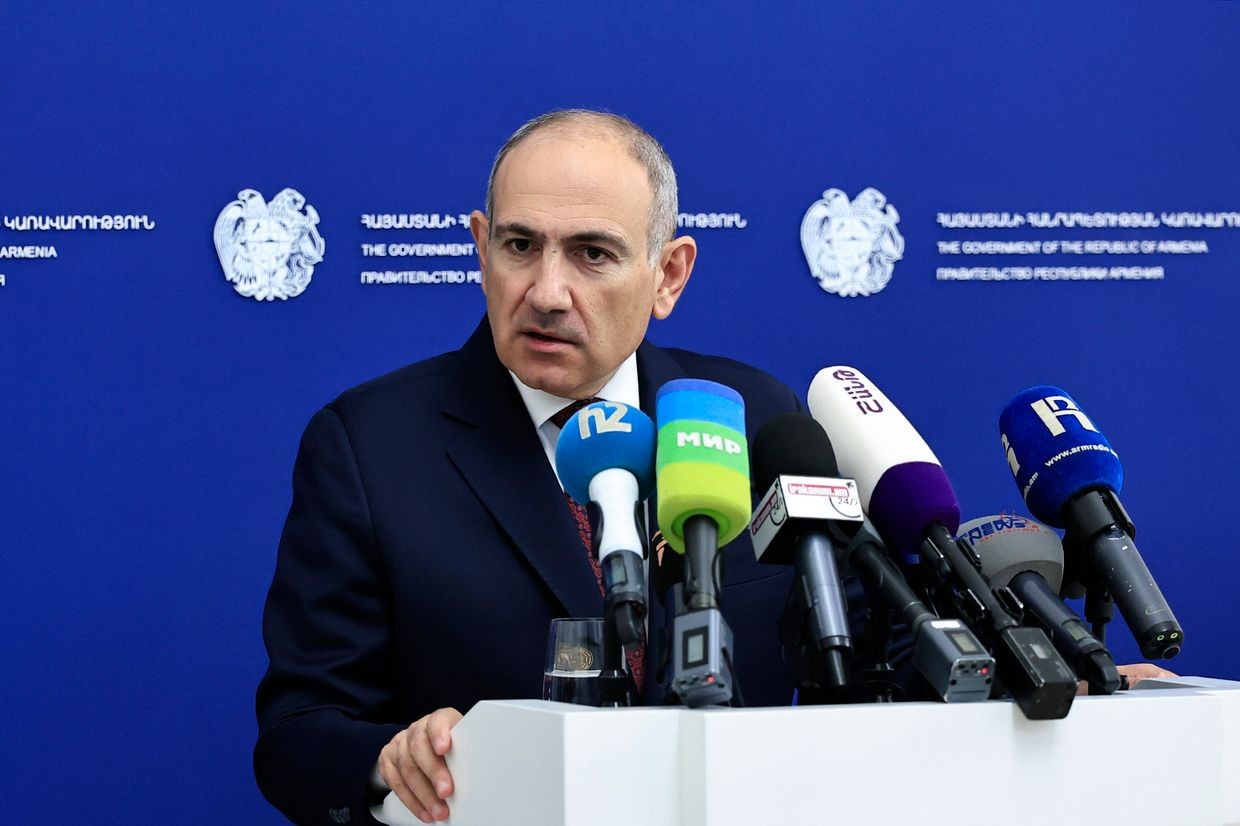
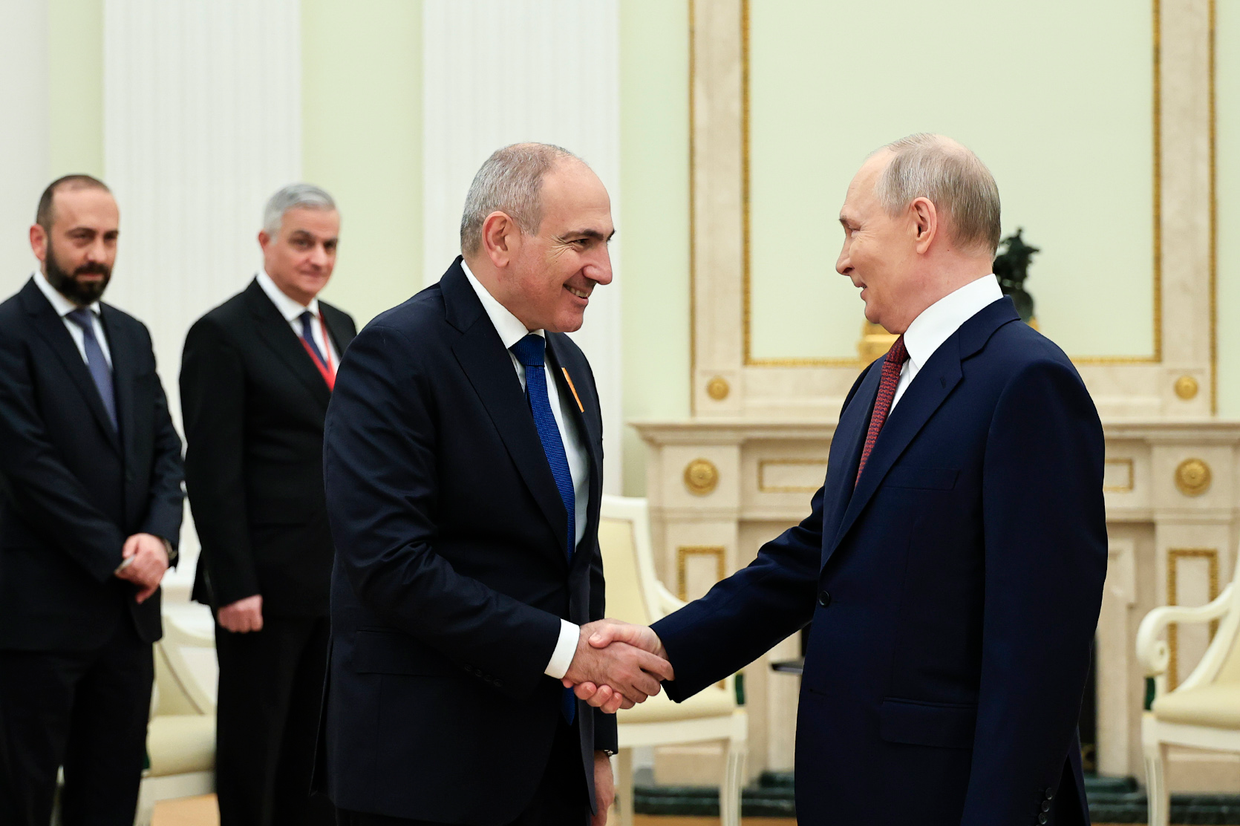
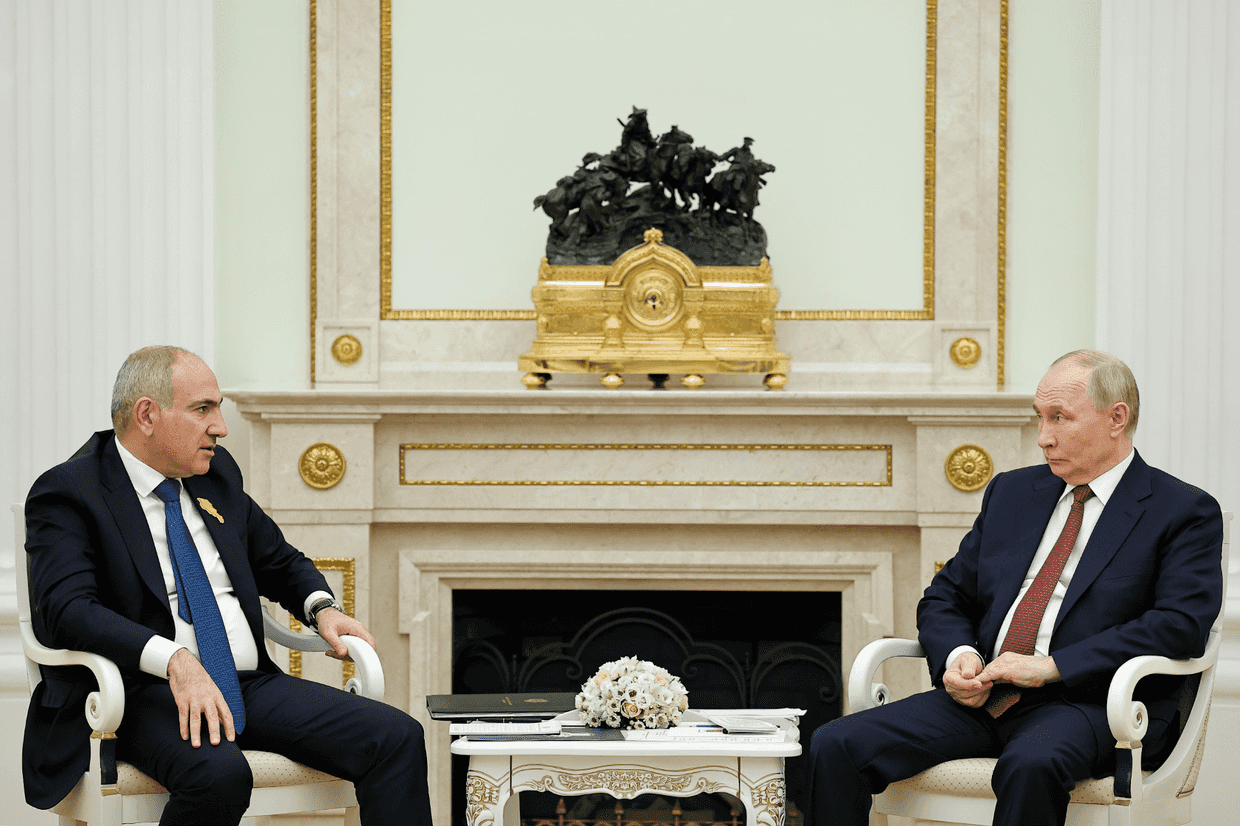
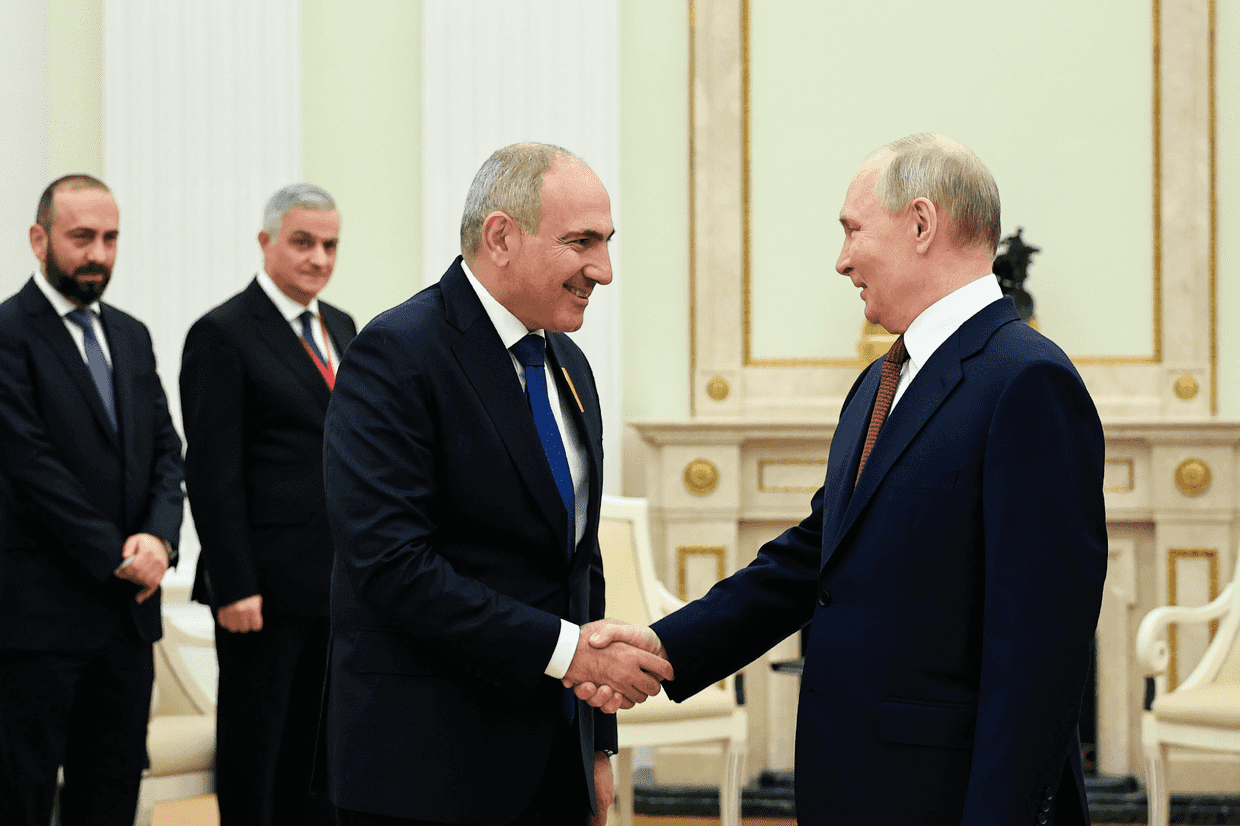
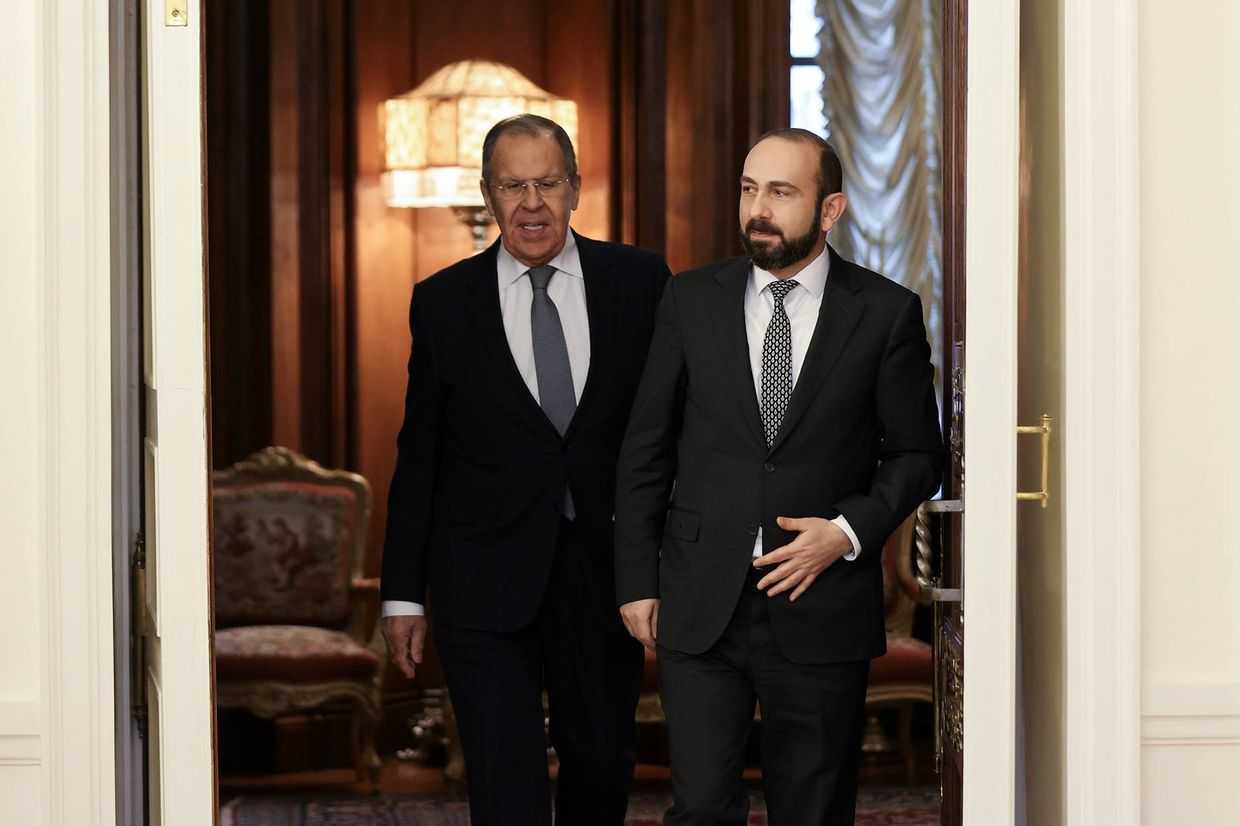
Amidst renewed tension in Armenia–Russia relations following a meeting between Armenian Prime Minister Nikol Pashinyan and Russian President Vladimir Putin on 1 April, Pashinyan has said the bilateral relationship is undergoing a ‘constructive transformation’.
‘I evaluate this process positively’, Pashinyan said during his weekly press briefing on Thursday.
He added that Armenia would ‘not deviate from the logic of friendly dialogue and will continue along this path’. Pashinyan also disclosed that, based on the agreements reached, he would meet Putin again in the ‘second half of June’.
During their latest meeting in April, Pashinyan and Putin failed to reach an agreement regarding the future of Armenia’s railways, which is currently under Russian management as part of a 30-year concession agreement signed in 2008.
Following the talks, Russian Deputy Prime Minister Aleksei Overchuk stated there were ‘no objective reasons for selling’ the concession to a third party.
 Arshaluys Barseghyan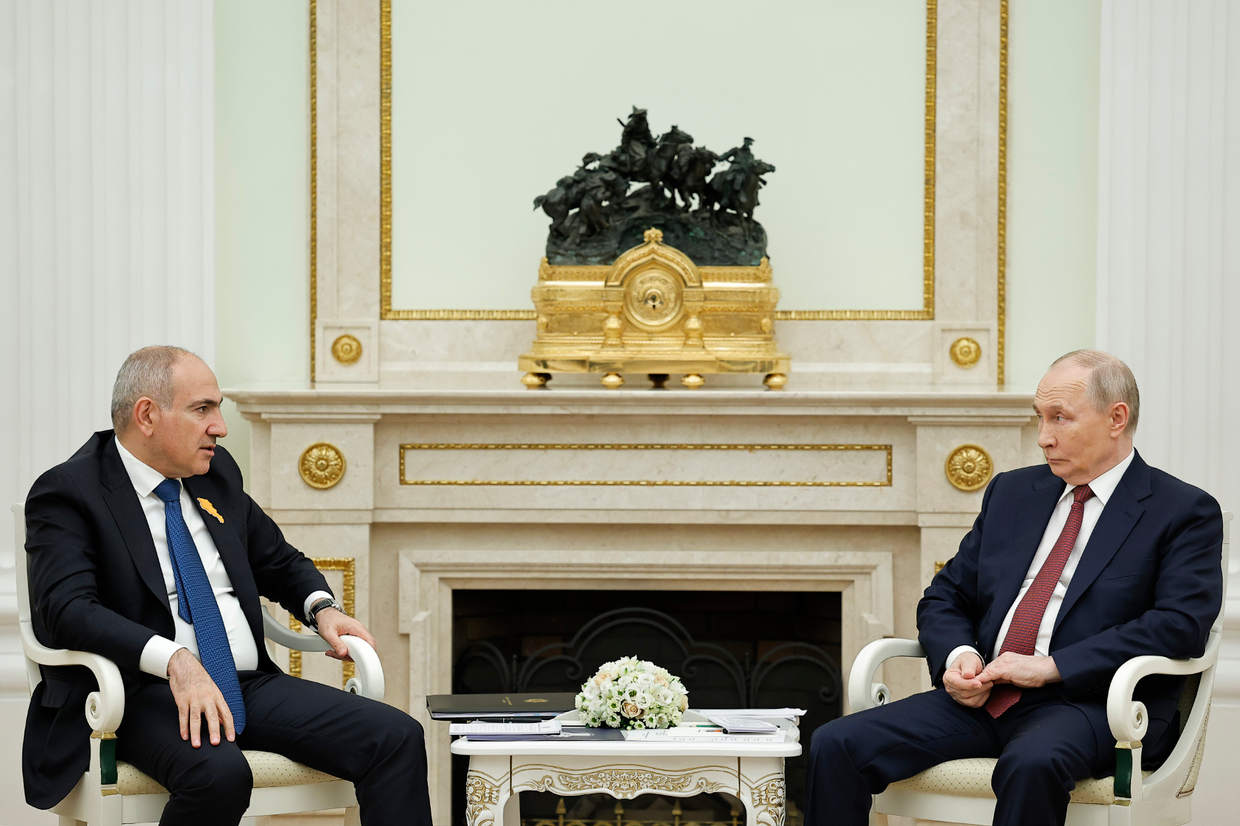
However, Armenia has insisted that Russian management means a loss of ‘competitive advantage’ by having international routes pass through the country. In February, Pashinyan said that a country with ‘friendly relations’ with both Russia and Armenia could ‘purchase the concession management rights’ of Armenia’s railways, naming Kazakhstan, among others, as a possible fit for the role.
Pashinyan stated that the railway issue ‘may’ be touched upon ahead of talks between Kazakhstan and Armenia in Yerevan on Thursday, as the country’s Foreign Minister Yermek Kosherbayev and Transportation Minister Nurlan Sauranbayev arrived in the capital.
Meanwhile, he expressed Armenia’s reluctance ‘to do anything behind Russia’s back or against Russia’.
‘At least at this stage, when dialogue opportunities are open and broad, we will continue our work’, Pashinyan said.
Threats do not scare a hedgehog
During his Thursday briefing, Pashinyan also stated that there exists ‘no basis’ for the increase in the Russian gas price for Armenia, noting that Armenia has ‘long-term contracts’ with Russia.
Speculation appeared following the 1 April talks, when Putin addressed gas prices, highlighting the significant discount Armenia receives from buying Russian energy.
‘The price of gas in Europe exceeds $600 per 1000 cubic metres, and Russia sells gas to Armenia for $177.5 per 1000 cubic metres’, Putin said.
In turn, Armenia threatened to leave the Russian-led Eurasian Economic Union (EAEU) and Collective Security Treaty Organisation (CSTO) in case of an increase in Russia’s gas prices, though adding that such an increase seemed unlikely.
Arshaluys BarseghyanDuring her Wednesday briefing, Russian Foreign Ministry spokesperson Maria Zakharova burst into laughter for several seconds upon hearing the name of Armenia’s Parliamentary Speaker, Alen Simonyan — one of the officials who had suggested such a withdrawal — at the start of a journalist’s question.
Only after this outburst did the journalist manage to finish the question, requesting a comment on Yerevan’s threats to leave the two organisations. Zakharova responded with a metaphor, saying the threats reminded her of ‘threatening a hedgehog by exposing one’s capabilities’. She apparently implied that it would be impossible to threaten such an animal, or Russia, due to the number of needles or protective barriers it has.
Zakharova further noted her lack of interest in ‘seriously commenting on the statements of emotional politicians’. Instead, focusing on gas prices, she noted that it was the ‘responsibility of the Armenian leadership to ensure its country’s energy security’.
She added that the issue was especially relevant given the turmoil in gas markets due to the US–Israel attack on Iran.
Arshaluys Barseghyan