3.5/5★
Malika Musaeva’s film is an uncompromisingly depressing look into how little agency young women in the North Caucasus have in their own lives.
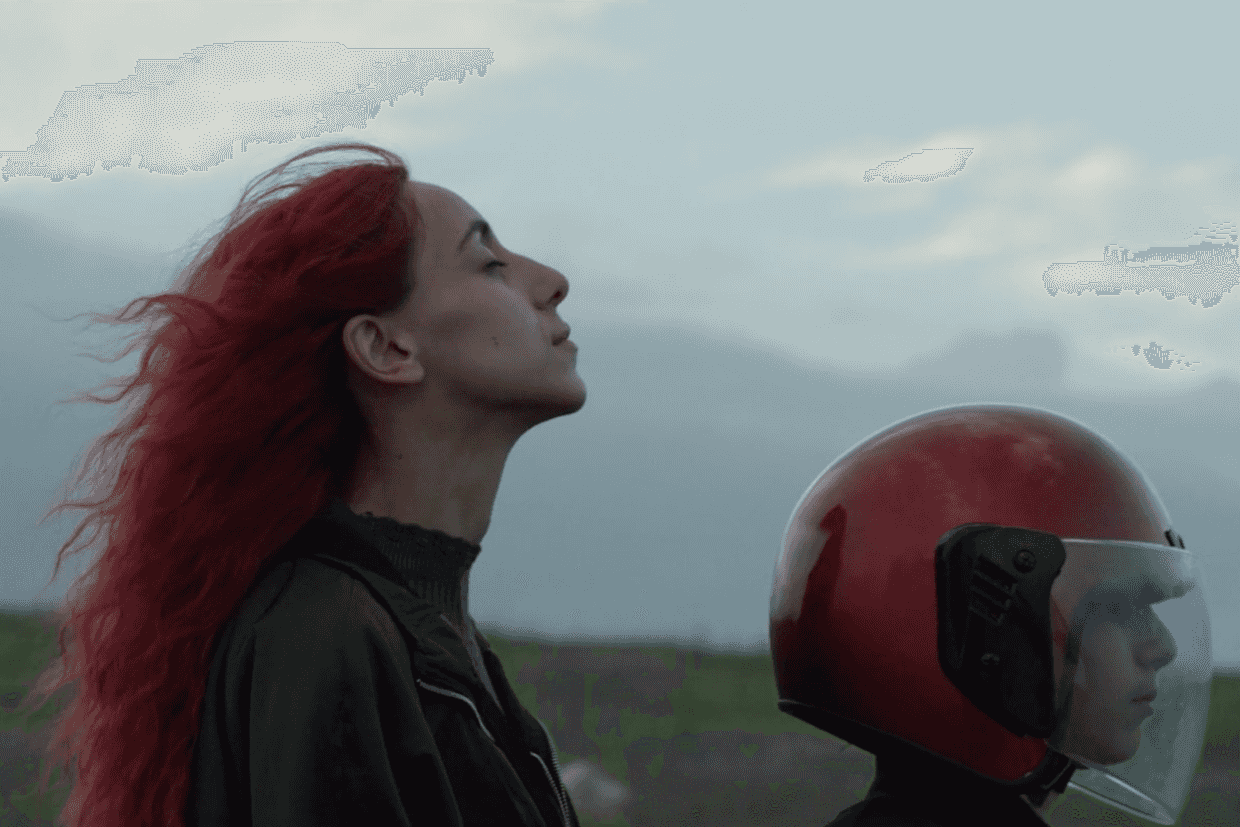
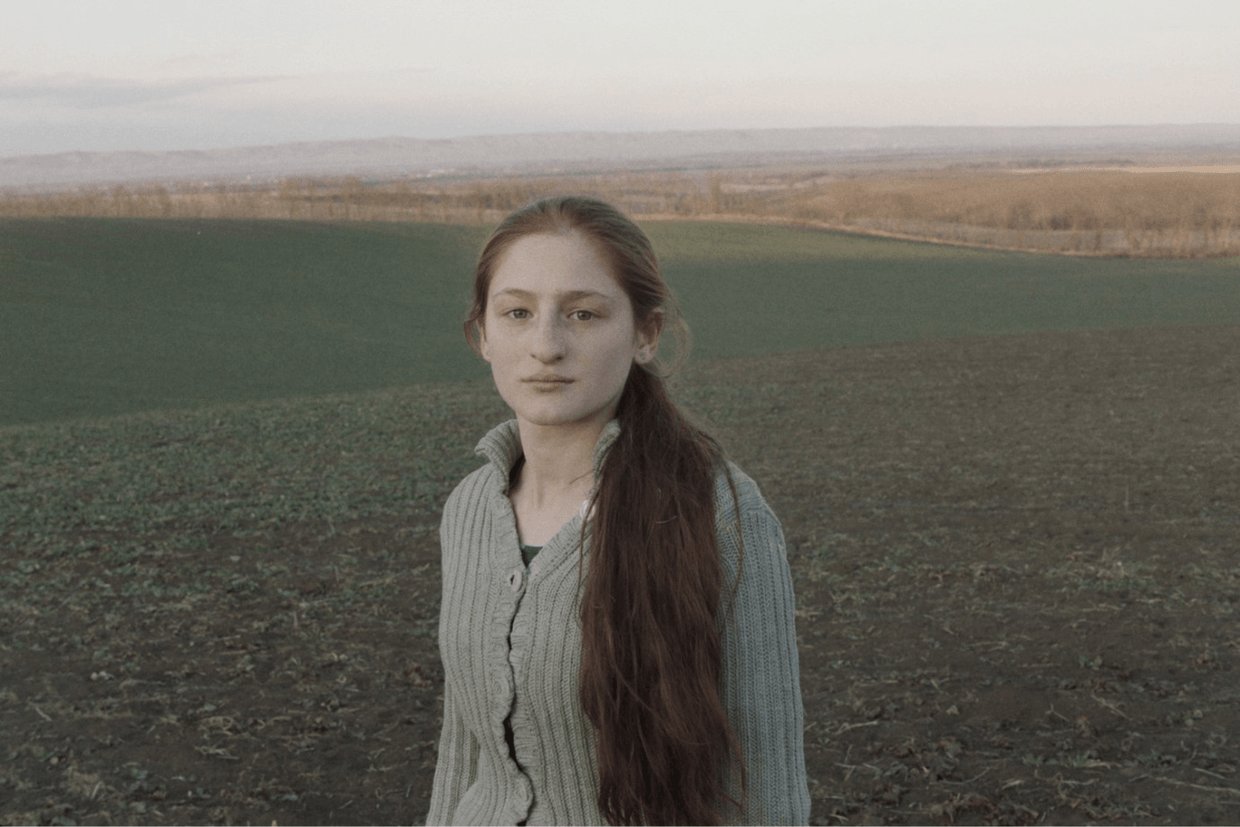
Released in 2023, The Cage is Looking for a Bird is Chechen director Malika Musaeva’s debut feature film, following the story of Yakha (Khadija Bataeva), a young Chechen girl, and that of the women — both young and old — surrounding her.
The film begins when Yakha is in her last year of school. She spends her days with her closest friend and classmate, Madina — they run across the hills of their mountainous village, sing songs, and help each other remove makeup from their faces before heading home from school, lest they risk reprobation from their families.
It’s clear that neither of them want to remain in the village, with both expressing a desire to leave and ‘see how people live outside’. However, for girls like Yakha and Madina, leaving home is simply not a choice they get to make.
This is immediately enforced in one of the earliest scenes in the film, where Yakha’s eldest sister, Kheda, tearfully tells her mother that she can no longer live with her husband, but that their young son left her hesitant about leaving. Her mother dismisses her feelings, simply and harrowingly, telling her it was a woman’s ‘destiny’ to stay with their husband.
Shortly after, Yakha, possibly inspired by Madina who elopes in a bid to leave their village, grapples with the idea of leaving as well — particularly after her family attempts to rope her into an arranged marriage.
The film is a slow burn, and is often quiet with a dearth of music and a heavy emphasis on natural sounds. Musaeva skillfully captures the haunting beauty of the mountainous landscape: birds are heard everywhere, and when you can’t hear them, you are listening to the sound of wind rustling through sprawling green hills.
In one scene, following Madina’s exodus, Yakha rolls down the same hills she used to frequent with her friend, before looking over the precipice of a valley and shouting into the void, only to be met with the screeching of birds and her own echo — an abstraction of the cage, if you will.

Subscribe to the Culture Dispatch
A bi-weekly newsletter featuring film, book, and music recommendations from the Caucasus, handpicked by our team.
As winter creeps in on the village, all of its colour is drained, leaving only traces of green in each shot. The film is at its coldest when Yakha attempts to flee. The attempt ends in failure, however, after her taxi driver receives a call from her relatives demanding that he return her to the village, which he obliges unquestionably.
Throughout the film’s runtime, it is made clear that there was no conceivable way for Yakha — or really any other female figure in her life — to get what she wants without making a compromise. And although the film seemingly ends on an ostensibly hopeful note with Kheda packing her bags and taking her son away with her, we know that her husband and their village will eventually get their way.
In an interesting directorial choice, the cast of the film was entirely composed of non-professional actors from the village itself, including Yakha, who is brilliantly portrayed by Bataeva, who was 15 at the time of filming. Musaeva stresses that all relations in the movie were real; ‘they were real life friends, real life siblings’.
Her direction is commendable, and it was obvious from the get-go that she was personally and heavily involved in the dynamics of the village and its families. Musaeva herself acknowledges that it most certainly helped that she herself is Chechen, speaks the language, and knows the customs.
Despite her connections, the film was not shot in Chechnya, but in a Chechen village in Ingushetia on the border with Chechnya. This was because it would have been ‘impossible’ to film in a Chechen setting, due to the republic’s political and social situation.
Yet, despite acknowledging this reality, Musaeva notably responded in a Q&A session that the film’s messaging was ‘not political’, a statement hard to believe, especially as reports continue to stream out of the North Caucasus about women struggling with abusive relationships, arranged marriages, and extended and brutal custody battles with their husbands. These cases are often highly publicised, with the authorities in Grozny, for example, establishing a commission to reunify families, often under pressure.
The Cage is Looking for a Bird is a genuinely impressive and beautiful film carried by its cast of characters, brilliant cinematography, and subversively oppressive atmosphere. It is, however, burdened by its length, which, while only around 90 minutes, could have used its runtime to go the distance and show the viewer just how powerful this social and patriarchal hierarchy is in keeping women under control.
Regardless, Musaeva has succeeded in making a film that any woman from the North Caucasus can relate to, and one valuable for just this reason to all other viewers.
Film details: The Cage is Looking for a Bird (2023), directed by Malika Musaeva. The film had its Georgian premiere on 7 March 2026 at FOMO Cinema.