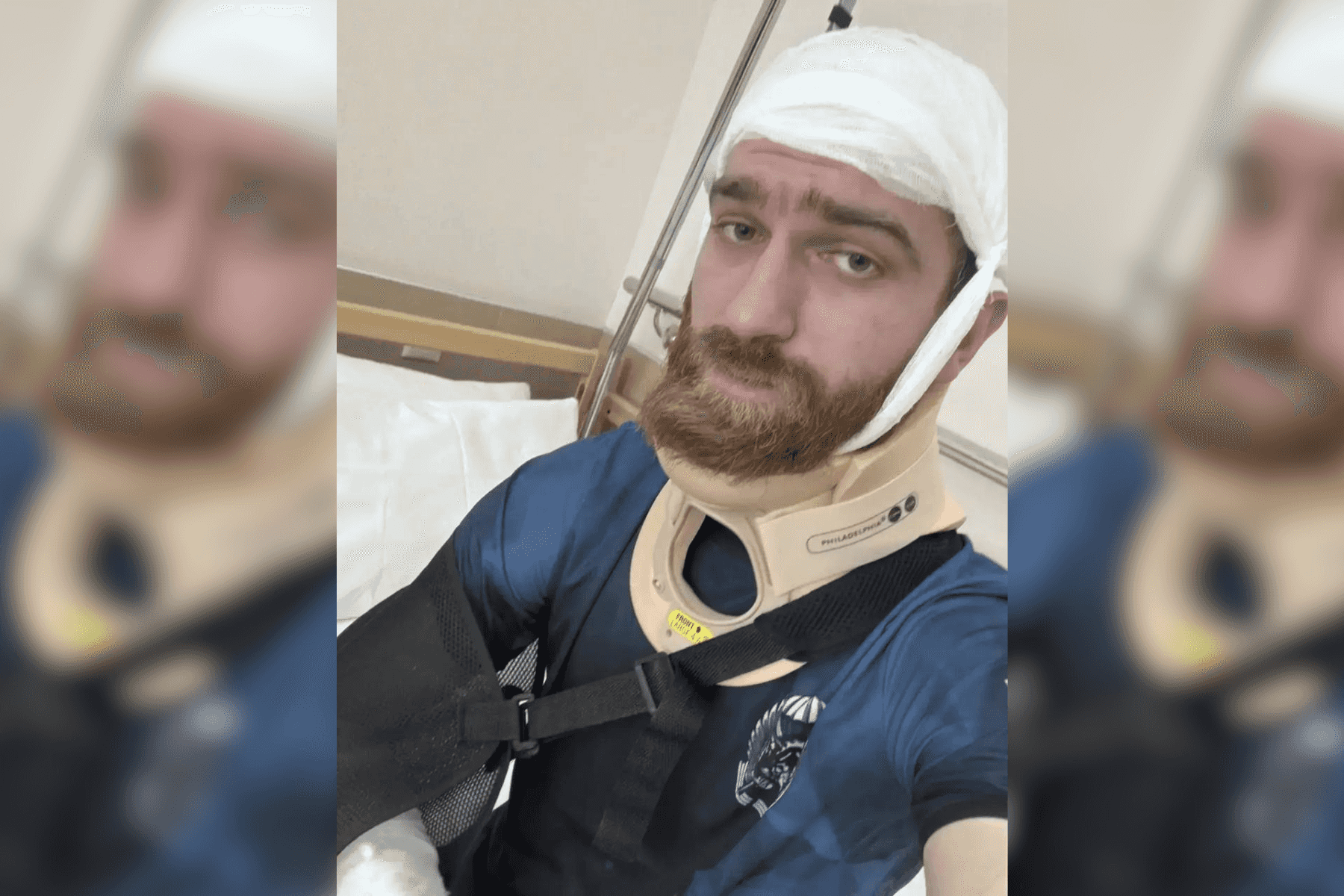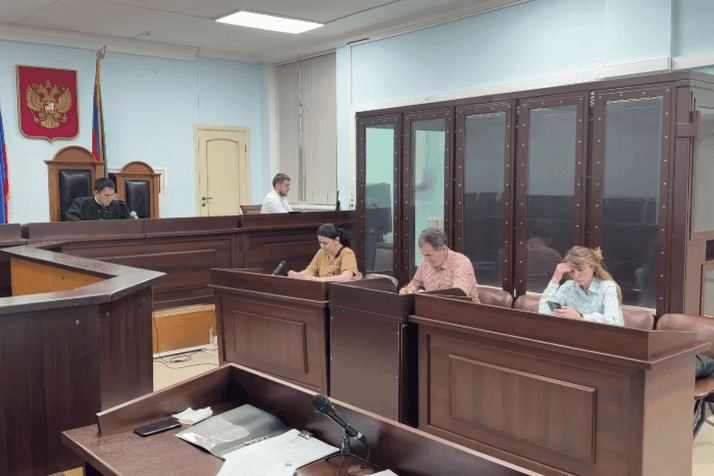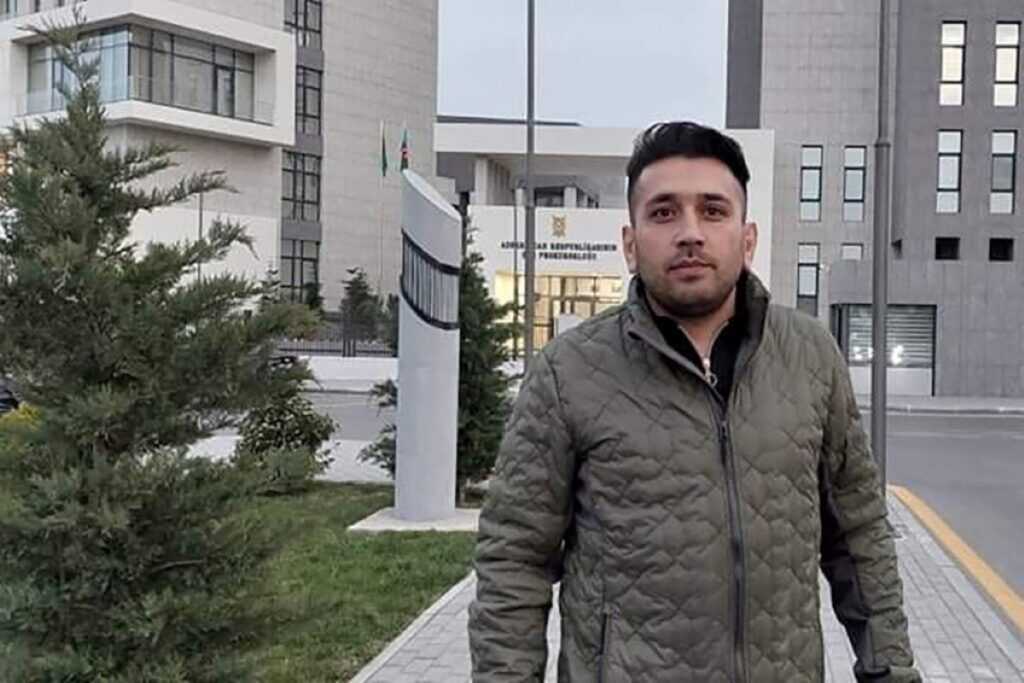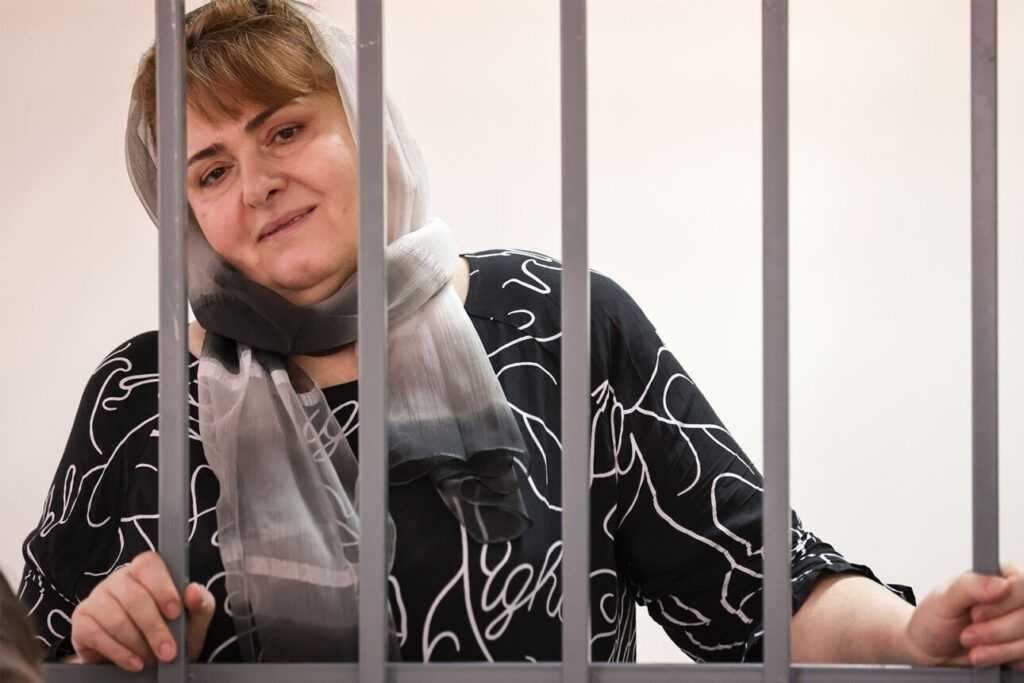

The Southern District Military Court in Rostov-on-Don has agreed to hear a criminal case against two natives of Daghestan accused of collecting funds to purchase drones with thermal imaging equipment for Ukraine’s Azov Battalion.
Both defendants have been placed on the federal and international wanted list, and have been remanded to custody in absentia.
The Daghestan Prosecutor’s Office announced the continuation of the case on Telegram on 6 February.
According to the prosecution, in 2022 and 2023, the two men, while located outside Russia, created foreign companies that became part of an organisation recognised in Russia as undesirable. The agency claimed that they also created a channel in a messaging application and organised the collection of money to purchase specialised drones for a unit that Russian legislation designates as ‘terrorist’ — the Azov Battalion. In Russia, participation in Azov is classified as a crime punishable by up to 20 years in prison.
The case is the latest in a series of criminal prosecutions involving North Caucasians related to Russia’s full-scale invasion of Ukraine.
In January 2025, the investigative department in Nalchik, Kabarda–Balkaria, opened a criminal case under the same article against a 41-year-old citizen of Ukraine for collecting funds for the needs of the Ukrainian military. The name of the suspect was not disclosed, and at the time the criminal case was initiated, she was outside Russia.
In July 2024, a court in Kabarda-Balkaria found local resident Aleksandr Sidorov guilty of failing to report a ‘terrorist’ crime after he did not inform the authorities about the virtual enlistment of his step-daughter’s partner in the Azov battalion. Sidorov was sentenced to eight months in prison, and taking into account a previous sentence for theft, he was to serve a total of one year and nine months in a strict-regime colony.
The Southern District Military Court regularly hears cases against soldiers of Azov. All are accused of terrorism and are sentenced to long terms of imprisonment. The most recent such verdict was issued at the beginning of February 2026, when Denis Golub was sentenced to 20 years in prison.