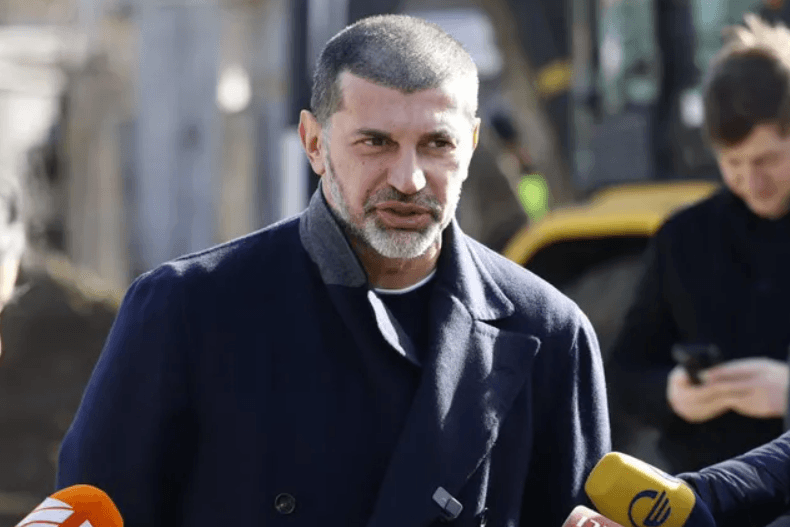
Tbilisi Mayor Kakha Kaladze said the long-promised above-ground metro project, which was never implemented, has been ‘temporarily’ suspended, with priority instead given to extending existing metro lines.
The ruling Georgian Dream party pledged to work on the project in 2018, a year after Kaladze first became mayor.
According to Kaladze, the construction was initiated by then-Prime Minister Mamuka Bakhtadze, while Tbilisi City Hall was tasked with conducting feasibility studies and preparing the project.
‘We hired European companies that carried out studies and found the project would cost around €300 million ($350 million)’, Kaladze said, as quoted by IPN, adding that the project’s relevance was therefore called into question.
‘When we began discussing whether it was right to spend such a large sum on this project, given the urgent need to extend the Akhmeteli Theatre and Varketili metro lines, we decided to temporarily suspend it’.
Varketili and Akhmeteli Theatre are the two terminus stations of Tbilisi Metro’s first line, which consists of 16 stations and connects the city’s east with the north.
Kaladze further noted that if work on the above-ground metro project had begun, it would have immediately drawn criticism and questions over ‘why so much money was being spent when other priorities and urgent needs exist’.
Kaladze announced plans to extend the first metro line in September, noting that it will be extended by one station on each end, which will help ease congestion on the network.
The government promised back in 2018 that the construction of the above-ground metro would provide new routes for a total of 260,000 people.
According to the project, construction was scheduled to begin in 2019 and go through two phases. During the first, from 2021 and 2022, the Samgori Metro Station in eastern Tbilisi was to be connected to the Lilo neighbourhood and Tbilisi International Airport, with seven new metro stations planned to be built and the Samgori station fully renovated. In the second phase, Tbilisi would be connected to the neighbouring city of Rustavi.
By 2021, Tbilisi City Hall claimed that a feasibility study for the overground metro project had been completed, but the project was hampered by the COVID-19 pandemic.
However, even after the pandemic, the municipality provided scant updates regarding the project, leaving the now six-year-old promise unfulfilled and unstarted to this day.
The lack of progress on the above-ground metro has not stopped Kaladze from making new pledges to improve Tbilisi’s public transit — in November 2025, he promised to introduce a tram line in the city’s northern districts, which would bring back a mode of transport that disappeared from the capital years ago.
Kaladze announced the plan a month and a half before the October 2025 municipal elections, in which he won by a large margin amid a boycott by several opposition groups.
Three weeks after the elections, Kaladze announced that a tender had been issued for the design and construction of the tram line, originally scheduled to conclude in December. However, by mid-December, it was revealed that the deadline had been extended by another two months, to February.
 Mikheil Gvadzabia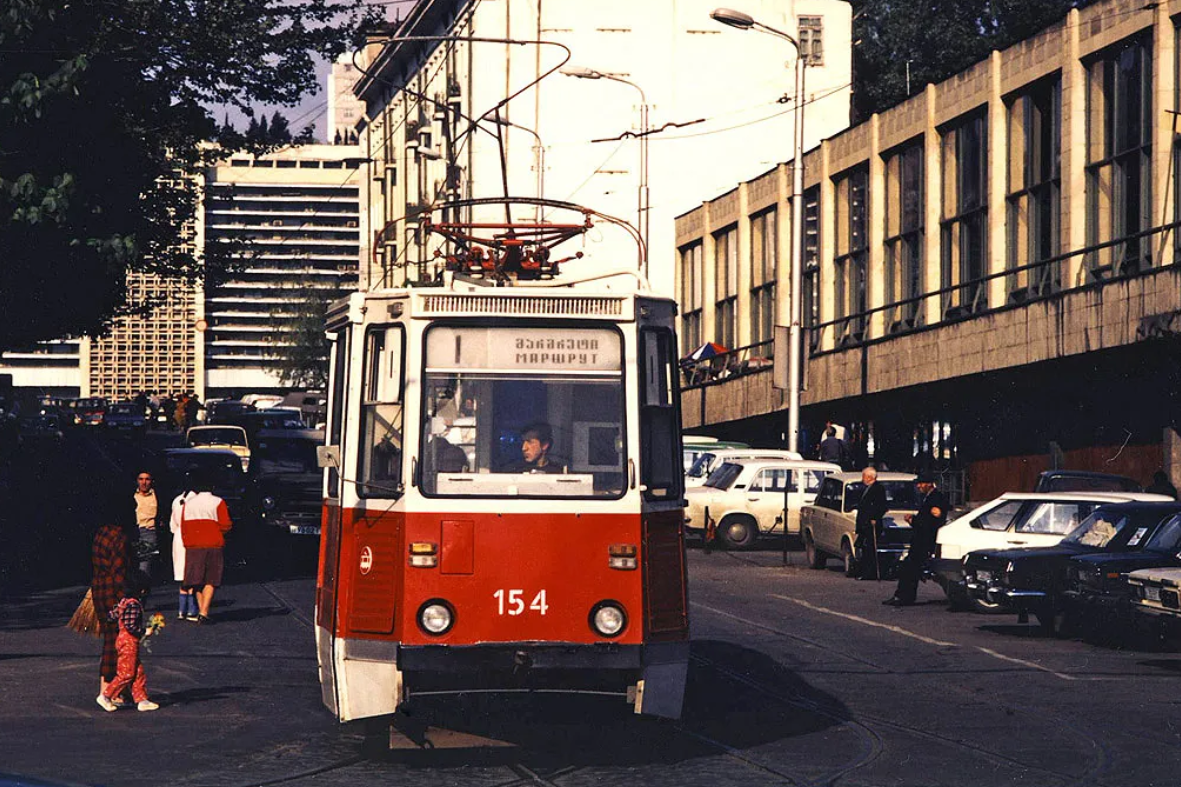
This article was translated into Armenian and republished by our partner CivilNet.
This article was translated into Russian and republished by our partner SOVA.