A generation under pressure — the future of activism in Azerbaijan
Despite the risks, a new generation of activists are continuing to raise their voices, from advocating for peace to protecting women’s rights.

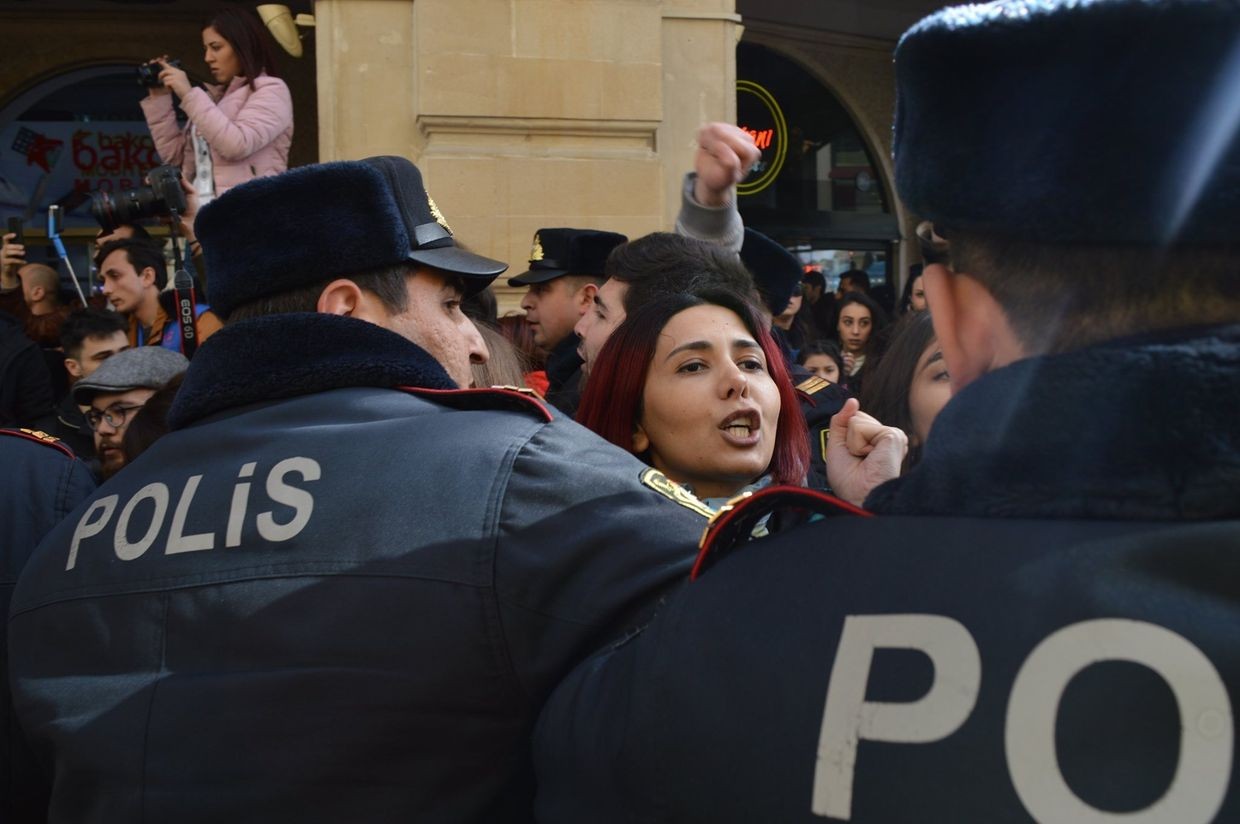
Over the past few years, Azerbaijan’s state-sponsored repression against activists has become even more severe. A status posted on social media, a small protest on the street, or even public criticism can result in arrests, police harassment, or smear campaigns for activists.
According to estimates by local and international organisations, there are currently over 350 political prisoners in Azerbaijan.
Even outside of the country, government critics face monitoring by Azerbaijani law enforcement agencies, with threats often being directed at such activists in exile as well as towards their family and friends still in Azerbaijan.
But despite all these risks, activism in the country is not completely silent. A new generation of young people continues to raise their voices for activism in various fields, from women’s rights to labour movements, from queer advocacy to peace initiatives.
‘The loudest voices we hear belong to those behind bars’
The main obstacle to activism in Azerbaijan is the systematic persecution by the government. Human rights organisations have repeatedly stated that criminal cases are purposefully opened against activists on the basis of false charges, activists are regularly summoned to police stations, kept under strict surveillance, and their living conditions made difficult. Activism in this environment carries serious risks for both personal freedom and social well-being.
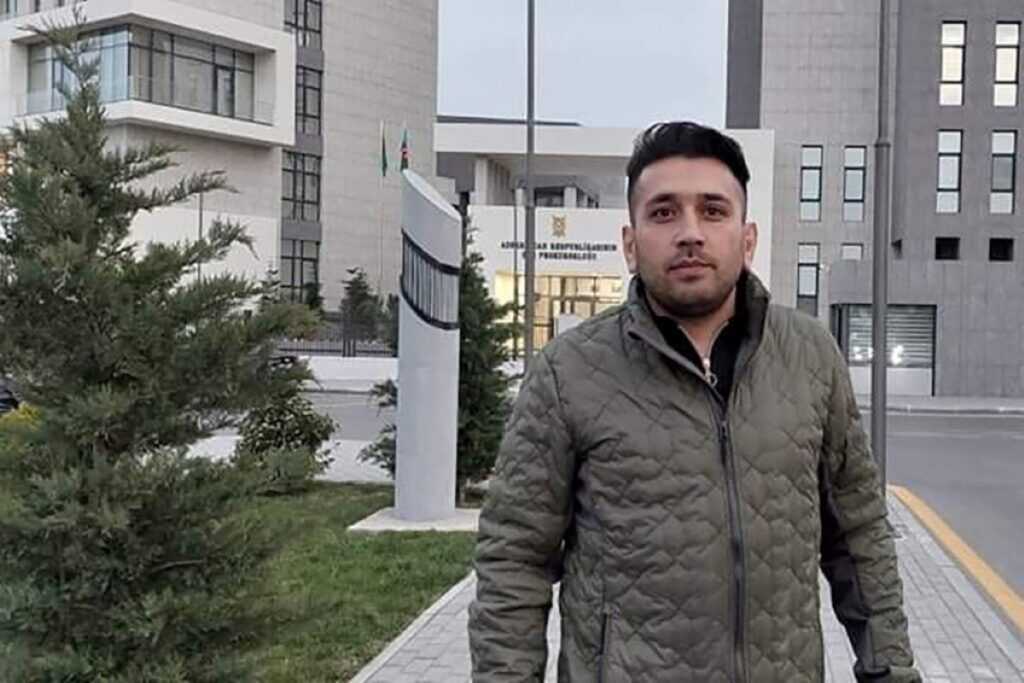
One such example of this is the case of Afiaddin Mammadov, the co-founder of the Labour Desk Confederation of Trade Unions — he is currently serving an eight-year prison sentence after being found guilty of hooliganism and intentionally causing serious bodily harm to someone. During the trial, Mammadov detailed how the charges were politically-motivated, accusing the police of putting a knife into his already hand-cuffed hands and noting that the witness testimonies differed during the investigation and in court.
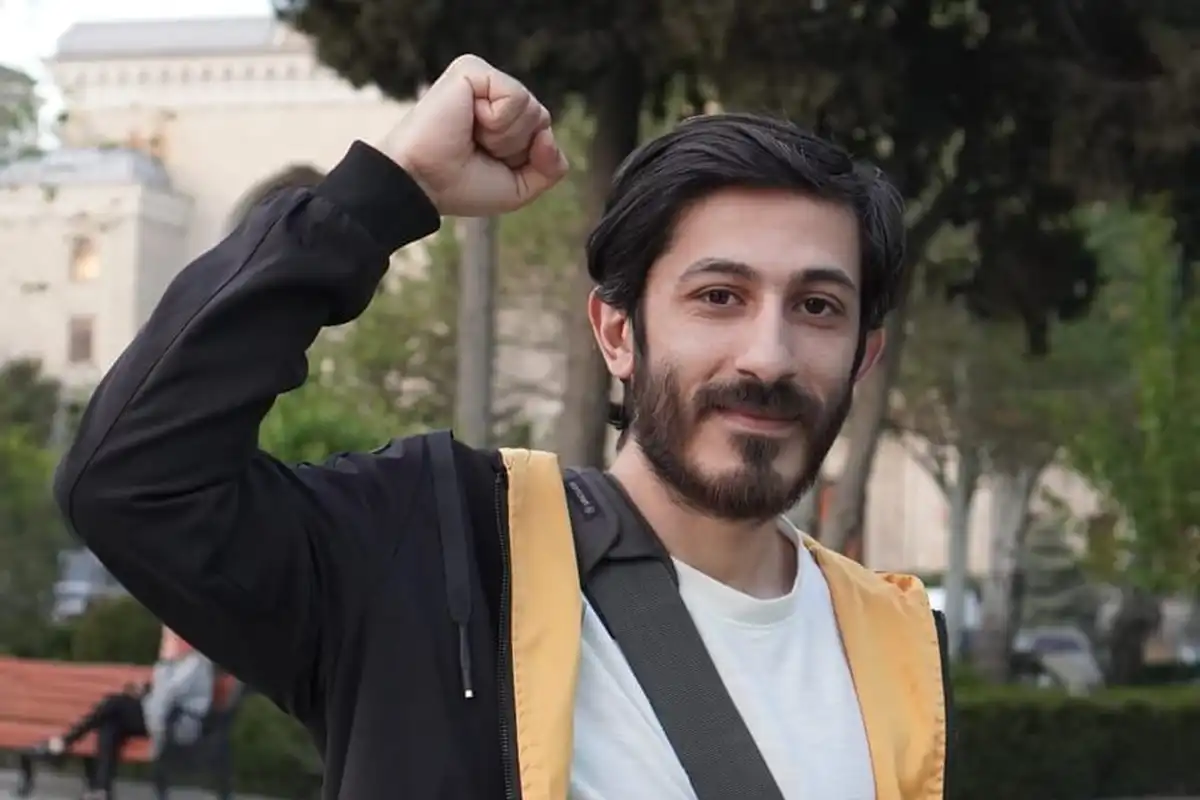
Speaking from prison, he told OC Media that his arrest, along with that of his colleagues and other Azerbaijani activists, was due to the ‘fear and panic’ of the authorities.
‘They want to clear the square now. We are being targeted with false accusations because we are an organisation that supports ordinary citizens and workers. Movements that receive feedback from society pose a threat to the government, which is why the arrests continue on an increasing scale’.
Four other members of the labour confederation are in pre-trial detention. While they face different charges, all say such charges are politically motivated and fabricated.
‘Today, activism itself has been confined to prisons. The loudest voices we hear belong to those behind bars — journalists, activists, others’, says Azerbaijani peace and human rights activist Giyas Ibrahimov.
 Gulnara Mehdiyeva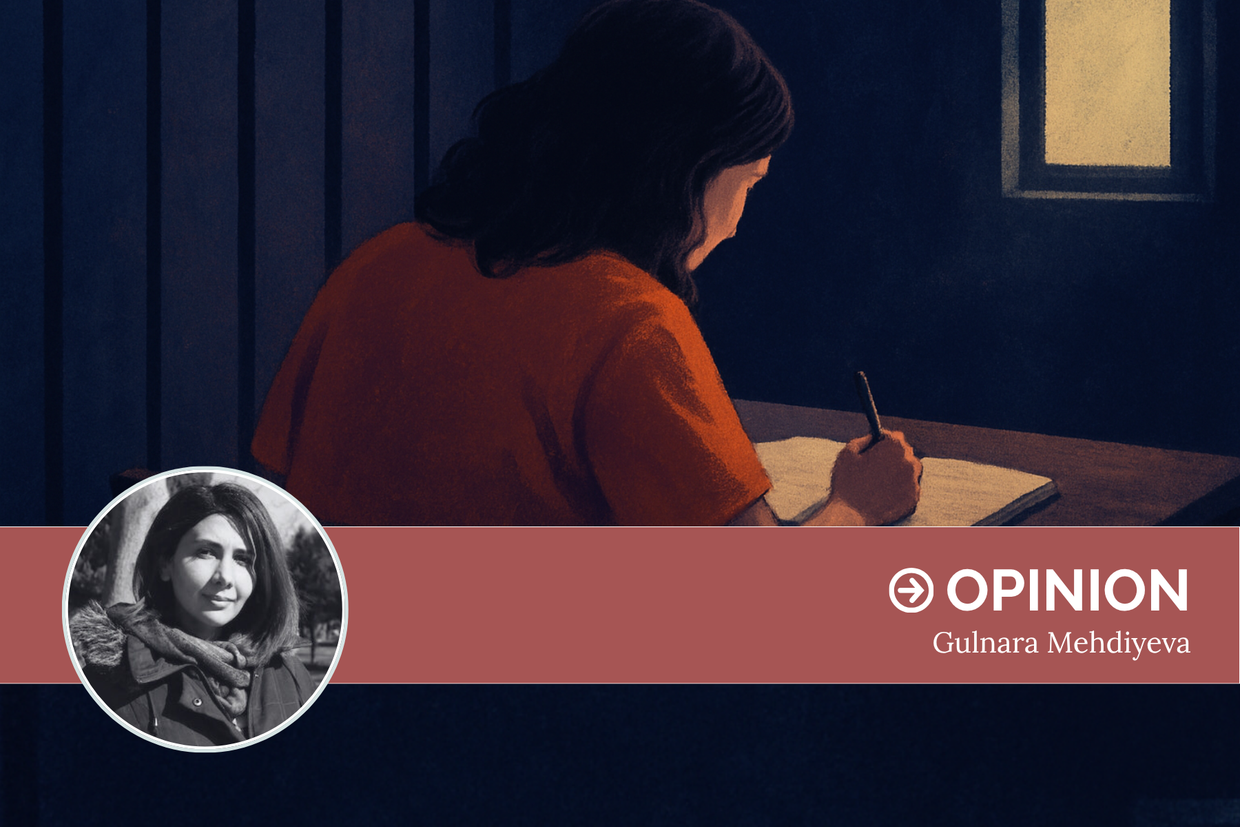
‘Outside, the regime’s power has nearly silenced everyone. Even on social media, which I am not counting here, the number of outspoken individuals has sharply declined’, he continues.
With the increased arrests and subsequent decrease in public dissent, some activists feel alone.
‘I would compare activism in Azerbaijan to being blind while seeing, or mute while speaking — because there is no other choice. Even the most determined person has no real alternatives’, peace activist Samad Shikhi tells OC Media.
‘If you are arrested, not only is there no one to support you, but there isn’t even a single person left to publicise your arrest. There isn’t anyone to even tweet about it’, he adds.
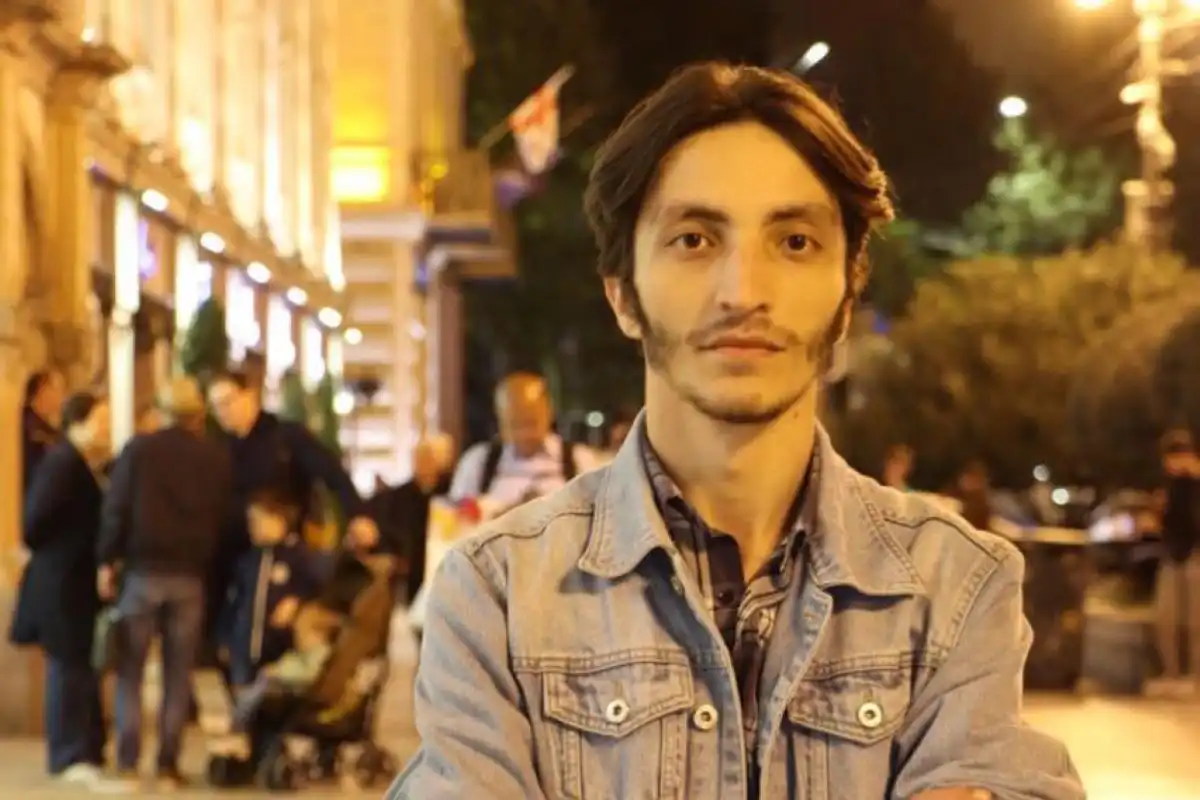
This lack of support has led him to focus on solo work rather than joining an organisation or group. He emphasises that while civil society still struggled to organise itself in the past, it seems ‘entirely incapable’ of doing so now.
‘People only act when someone close to them is in danger. Some individuals remain in the public eye, but many others have been forgotten’, Shikhi says, highlighting Mammadov’s case.
‘Once, Hillary Clinton herself visited to secure Bakhtiyar Hajiyev’s release from prison — now those recently arrested are in the same position, but hardly anyone is writing about Ahmad Mammadli or Bahruz Samadov anymore’, he emphasises.
Equating criticism with treason
According to Ibrahimov, following the Second Nagorno-Karabakh War in 2020, civil society and activists believed the Armenia–Azerbaijan conflict would be shortly resolved, allowing them to return to their pre-war concerns.
Instead, the government began to increasingly use militaristic rhetoric and national unity narratives as new tools to portray any form of dissent as a threat to national security. Activists who questioned corruption, social inequality, or called for peace were often branded as ‘traitors’ or accused of undermining the state. This shift blurred the line between patriotism and loyalty to the regime, creating an environment where criticism itself became a form of ‘betrayal’.
Vafa Naghiyeva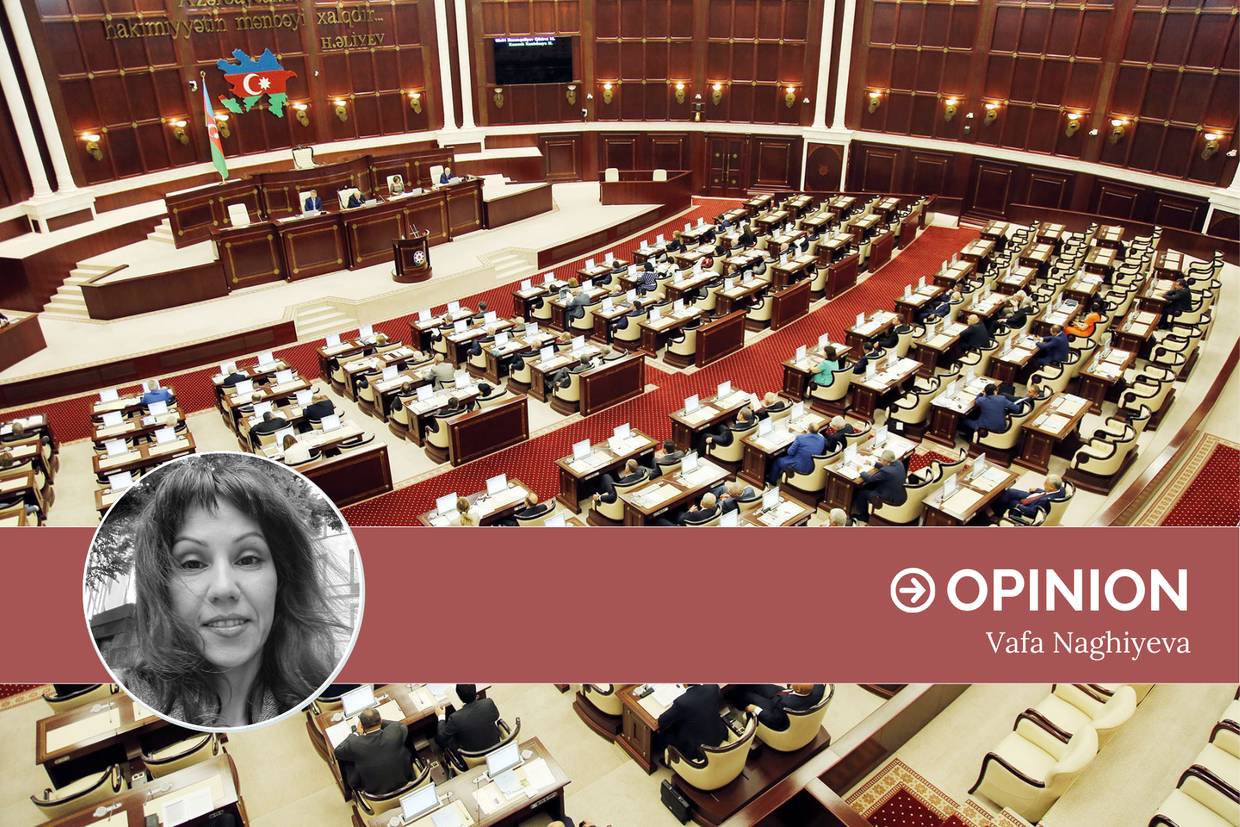
As several activists noted in their interviews, this atmosphere of enforced unity became another instrument of control, a continuation of the war by other means, this time against civil society.
Indeed, just a little over a month before Armenia and Azerbaijan initialled the text of a peace treaty in Washington, peace activist Bahruz Samadov was sentenced to 15 years in prison for allegedly committing ‘high treason’.
‘They’re signing a peace treaty, why aren’t they releasing me?’ Samadov questioned after the news broke about the 8 August agreements.
Gulnara Mehdiyeva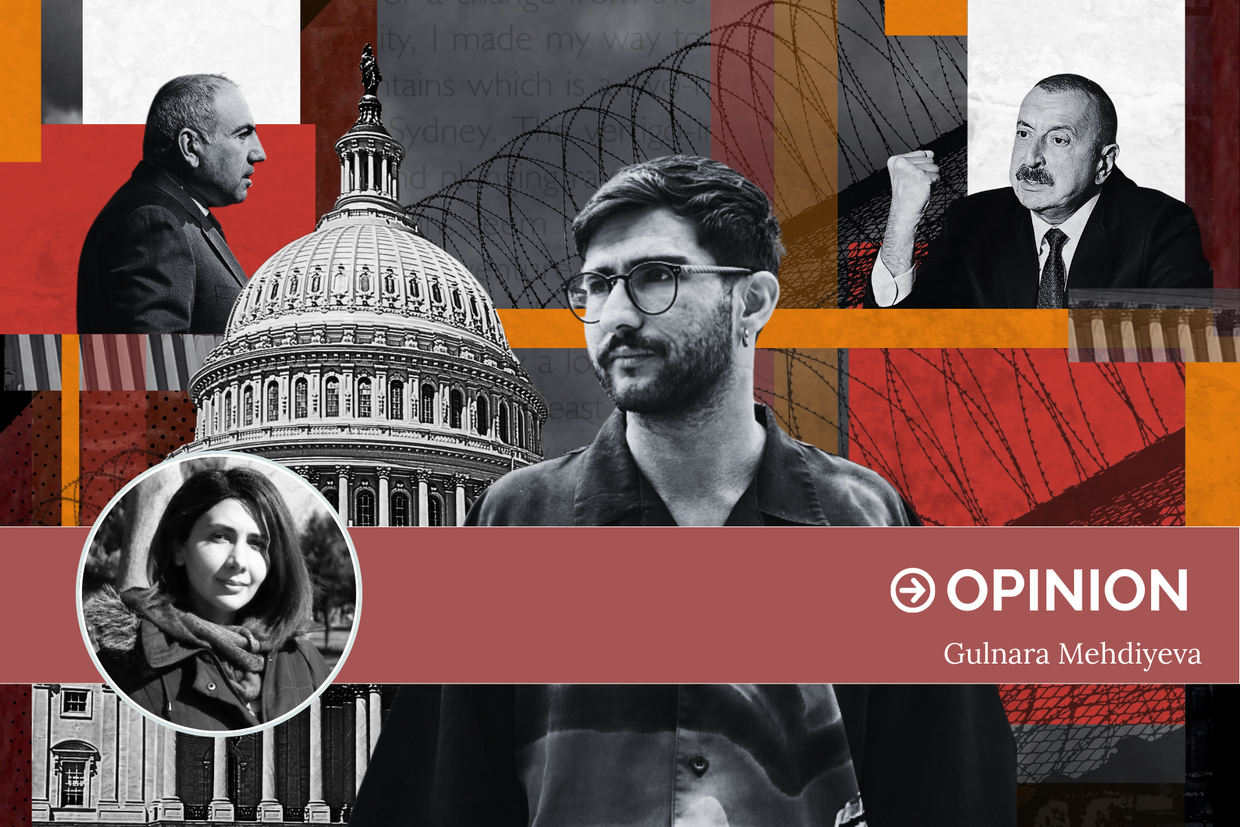
Shikhi believes that even to talk about peace in such an environment is an act of courage.
‘Talking about peace is often branded as “treason”. But in reality, we are talking about protecting our future’, Shikhi says.
Peace activists are not the only ones to face such smear campaigns.
LGBTQ+ Activist Ali Malikov says that Azerbaijan’s queer community is constantly portrayed as ‘traitors’ within Azerbaijani society.
‘In smear campaigns, we are constantly portrayed as “traitors”, and in state media, our presence is double-stigmatised and presented as a threat. This weakens the momentum of activism within the country, because both our organisational capabilities are being curtailed and community members are afraid to appear openly’, he says.
Even as Armenia and Azerbaijan appear to move closer to a peace deal, it remains unclear whether this will translate into greater tolerance for dissent at home. Many activists fear that as long as the government continues to equate criticism with treason, genuine reconciliation will remain out of reach. The peace process may end the war between the two countries, but not the one between the state and its own citizens.
Vafa Naghiyeva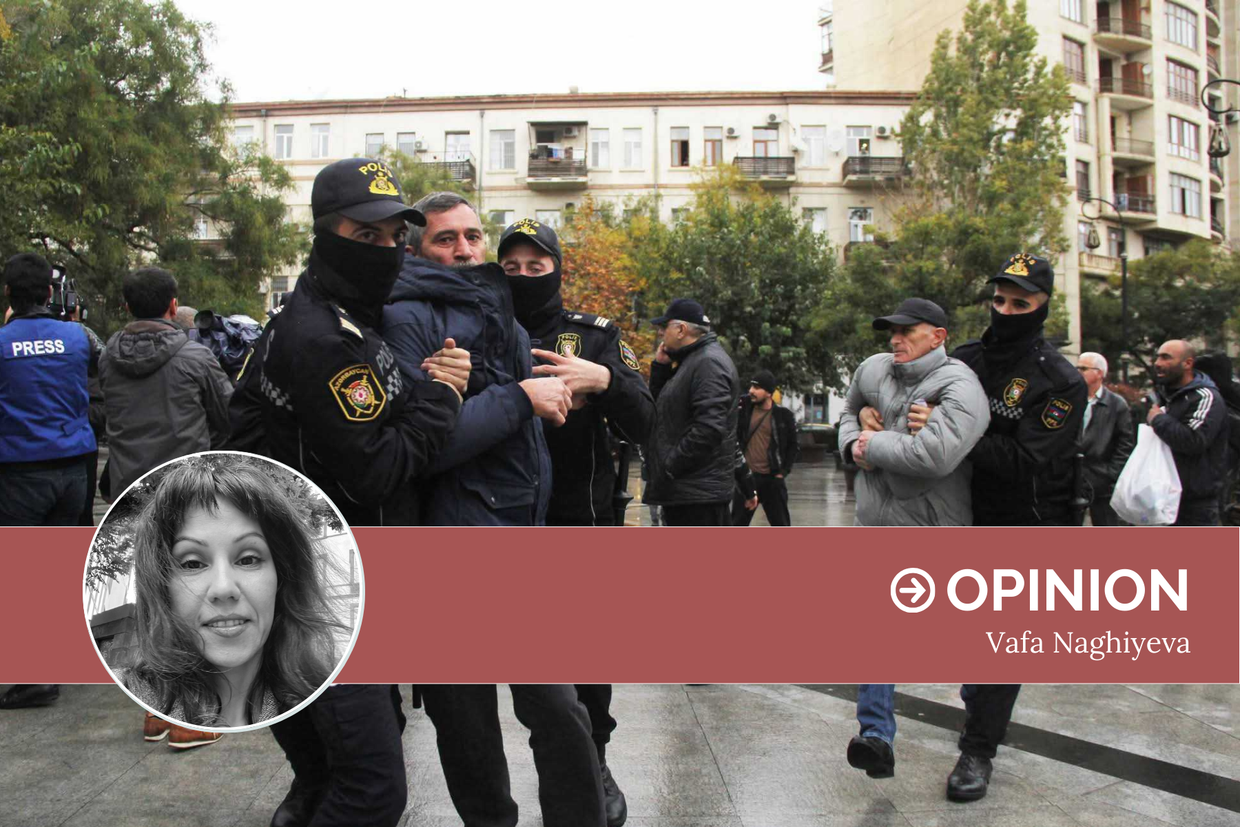
‘Despite all this pressure, we continue’
Activism in Azerbaijani society is under constant pressure. Yet, while repression breaks individuals, it cannot prevent movements from disappearing as a whole. Despite all the risks, new forms of activism shows that the voice of civil society is still alive in Azerbaijan.
Some of this new activism is taking part outside of Azerbaijan from activists in exile, such as Malikov. He says that even though he is outside the country, he continues to fight by raising awareness of what is happening to the community, conducting campaigns, and collecting donations.
He also notes a generational difference in how activism manifests itself, with members of Gen Z fighting with more flexible methods.
‘Our difference is that despite every difficult environment that arises, we are able to find a way to make a voice’, he says, citing the case of 18-year-old Elgun Ibrahimov, who was found in critical condition in Ganja on 12 May and died in hospital the next day. While social media reports suggested he had been beaten, the Prosecutor General’s Office attributed his death to a fall from a height. On 1 June, Ibrahimov’s peers attempted to hold a protest in Baku demanding a transparent investigation, which was broken up by police violence.
‘The police imposed silence in the city centre, but Gen Z was still protesting independently of all political movements’, Malikov says.
Aytan Farhadova
Similarly, Shikhi says the fact that young writers and activists are joining peace initiatives shows that an alternative voice still exists in the region.
‘The younger generation already understands that violence does not solve anything’, he says.
Technology has played a large role in any successes of modern Azerbaijani activism.
‘If we look at the roots of feminist activism, during the first wave in the 19th century, feminist activists faced far harsher repression and had even fewer rights than they do today. Now, with a small device in our hands, we can amplify our voices across the country and even abroad’, feminist activist Gulnara Mehdiyeva tells OC Media.
She emphasises that despite the increasing pressure on feminist activists — from criminal prosecutions to the impossibility of protests — as long as resources exist to ‘raise our voices’, activism will continue.
One recent example of this is the online Susma (Don’t Stay Silent) campaign, which began following the spread of news that a 13-year-old girl had given birth in Aghjabadi. Mehdiyeva highlights that the campaign was not led by well-known feminists, but instead came about spontaneously by younger activists working online.
Gulnara Mehdiyeva
‘I place great importance on online activism, and clearly, so does the Azerbaijani government’, Mehdiyeva says, noting that all of the media outlets who have been targeted — including Abzas Media, Toplum TV, and Meydan TV — were online platforms.
However, she adds that, as can be seen from the Susma campaign, ‘online activism is still powerful, even though the government has begun shutting down TikTok accounts of certain activists’.
‘The system’s approach to women activists is more aggressive, because the presence of women in the streets undermines both patriarchal values and the political status quo. But despite all this pressure, we continue. Because speaking up also means living’, Mehdiyeva concludes.