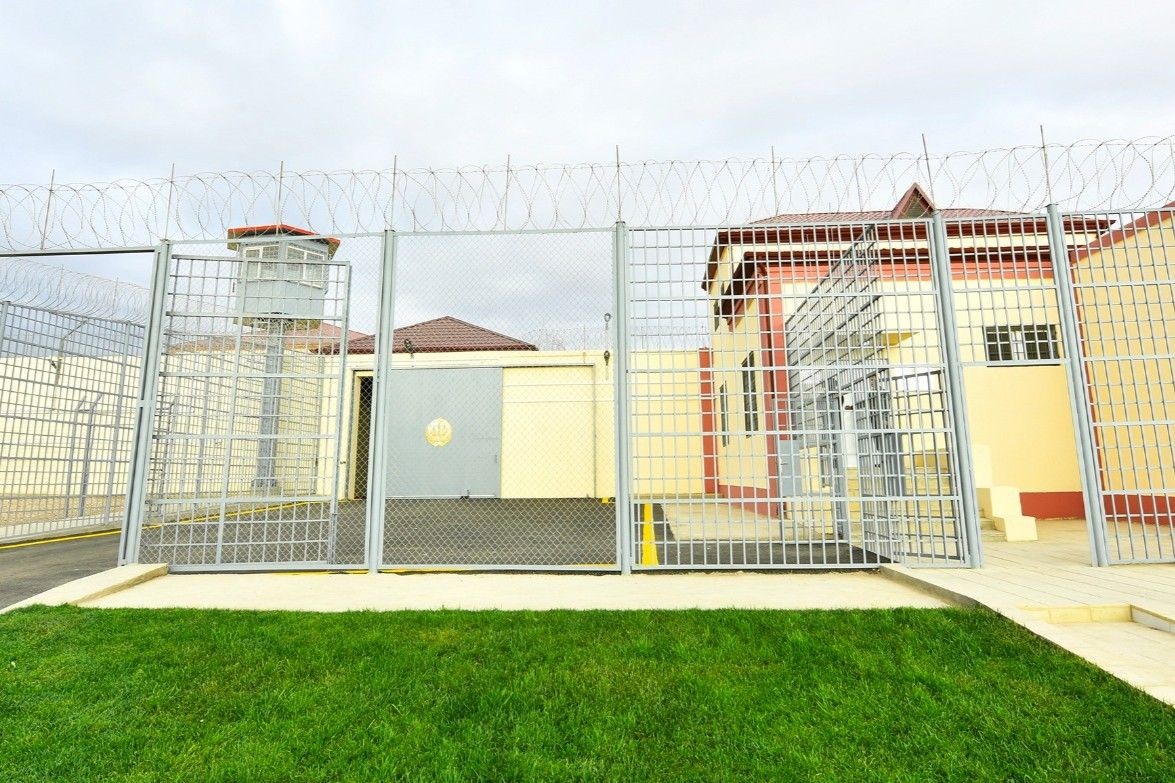
Since February, pressure has intensified on imprisoned civil society members, journalists, politicians, and scholars in Azerbaijan. Amongst activists abroad, much speculation has occurred as to why this pressure is increasing now.
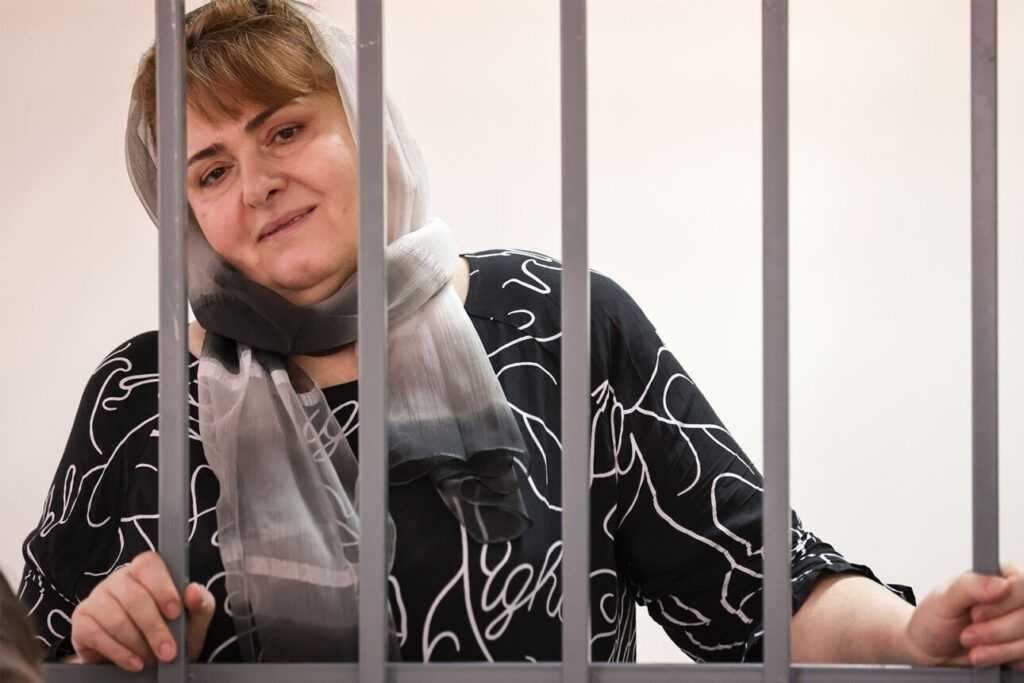
Starting in late February, imprisoned Meydan TV journalists Aytaj Ahmadova (Tapdig), Aysel Umudova, and Khayala Aghayeva complained of brutal behaviour and psychological abuse in the Baku Pretrial Detention Centre.
Later, journalists refused to meet with their family members behind a glass partition that had been newly built in the centre’s visiting room, viewing it as another example of pressure against them.
 Aytan Farhadova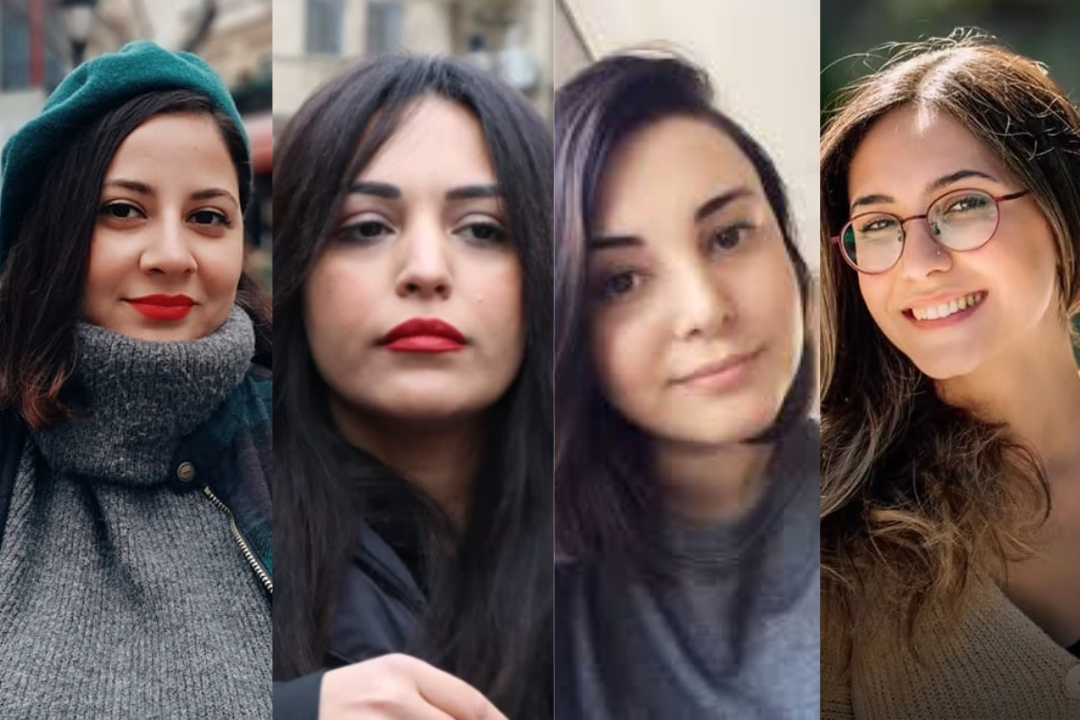
Shortly after this, news was published that detained opposition Popular Front Party (PFP) member Zamin Salayev was placed in solitary confinement in facility N11. According to Salayev’s family, ‘the order came from somewhere else’, outside of the prison.
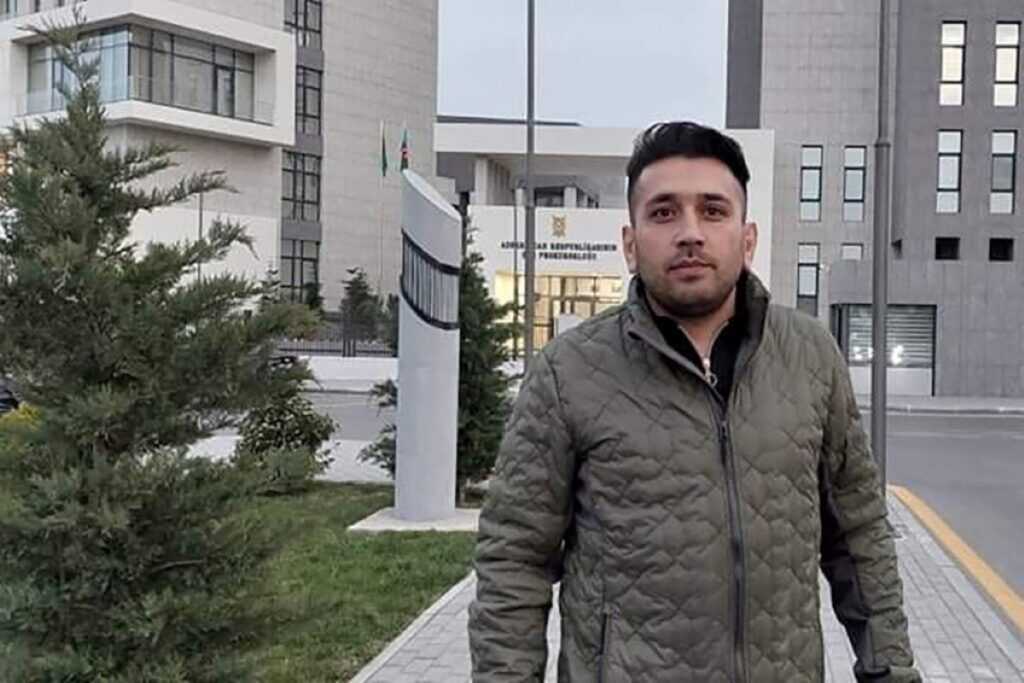
In early March, two members of the Muslim Unity Movement — Samir Babayev and Alikram Namazov — were detained in Baku. A voice recording reportedly of Babayev was subsequently shared on social media, in which he spoke about how he had been tortured during his arrest and transfer to a pre-trial detention centre.
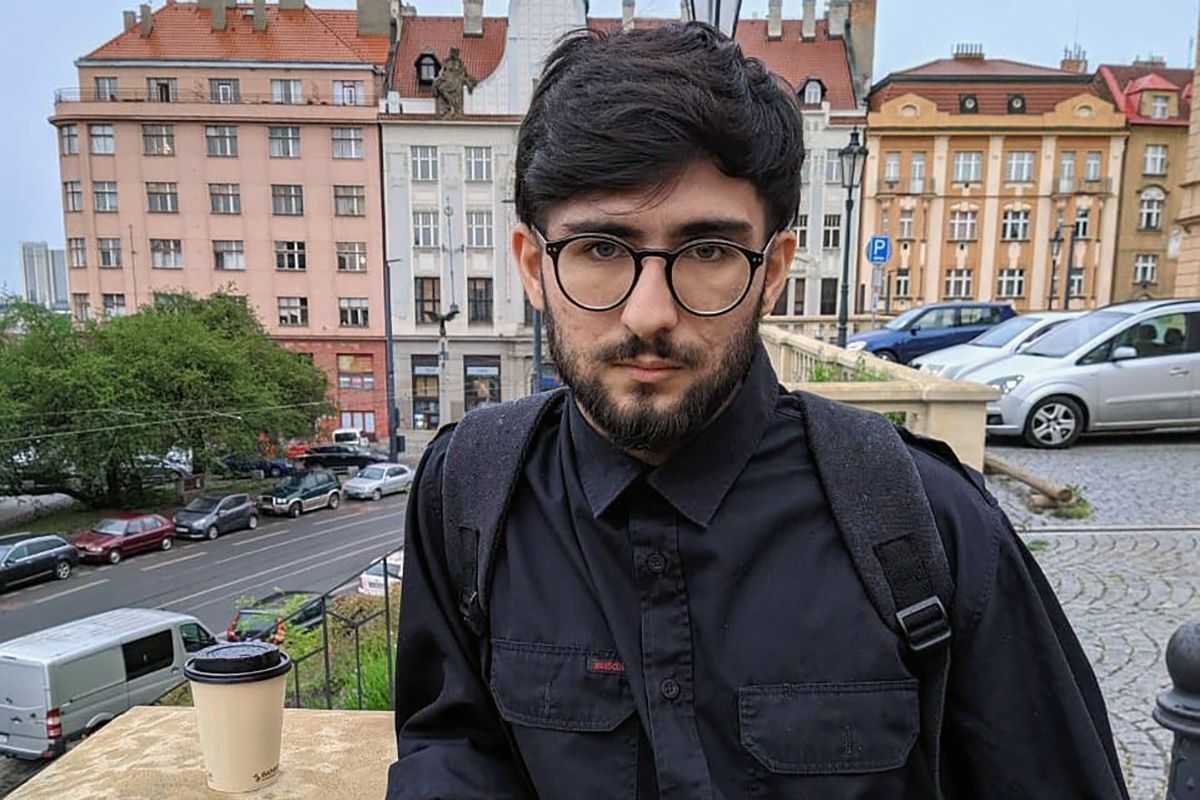
More recently, on 25 March, imprisoned peace activist and OC Media contributor Bahruz Samadov appealed to the public over his harsh conditions in prison, detailing how he has been psychologically abused and isolated.
Aytan Farhadova
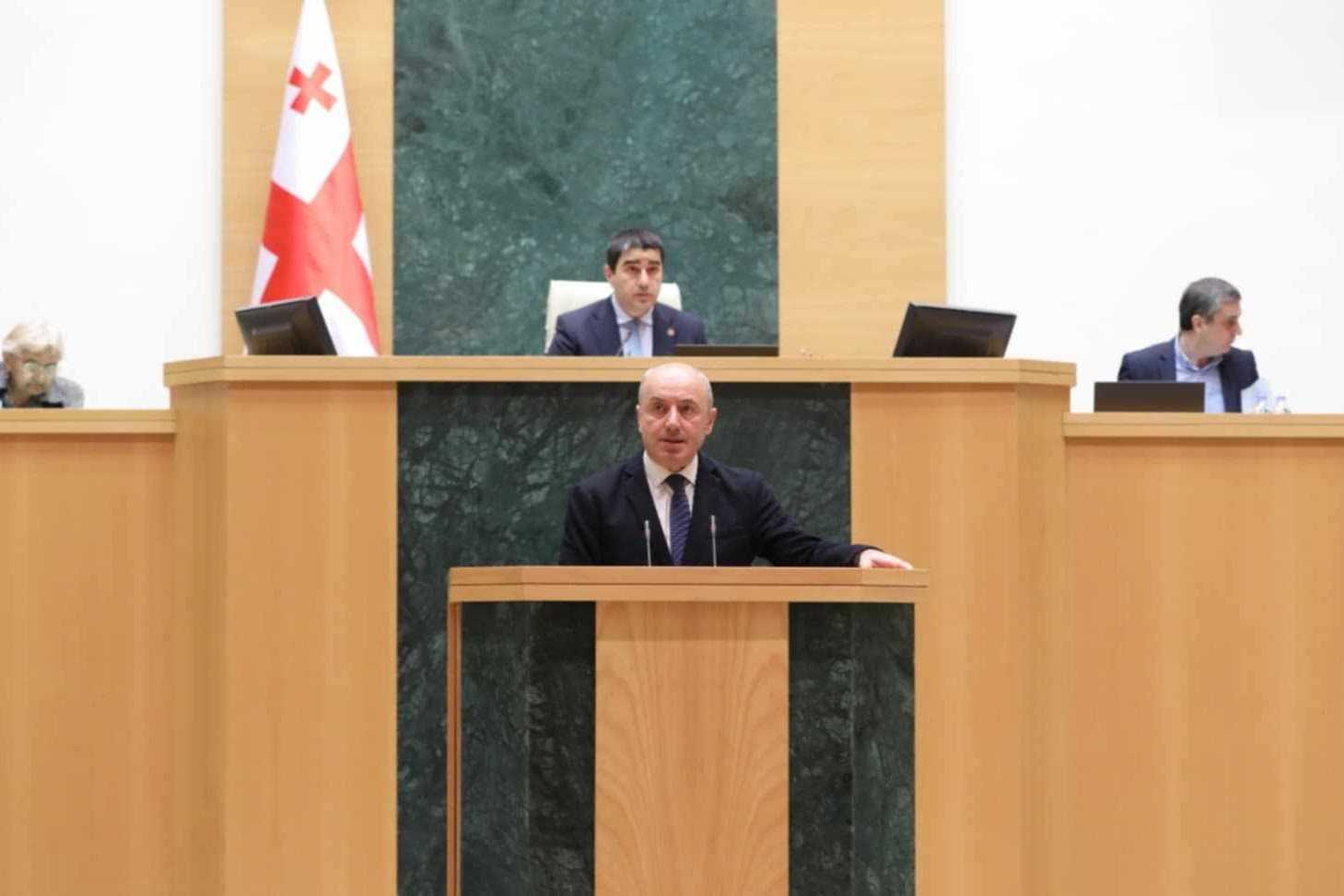
On 30 March, Farida Baydamirli, the wife of imprisoned former MP Nazim Baydamirli, appealed to Azerbaijani President Ilham Aliyev on social media, asking that her husband be remanded to house arrest.
Nazim Baydamirli was originally arrested in July 2023, and subsequently sentenced to eight years in prison on charges of extortion. He has denied all accusations.
According to his wife Farida, her husband’s health condition has continuously worsened in prison.
‘We, the Baydamirli family, don’t consider anyone in this country an enemy, but our enemies, whose names we don’t know, have made our lives hell. Nazim Baydamirli is currently in a penitentiary service facility with very serious health problems. He must be transferred to a more spacious hospital and provided with comprehensive treatment’, she stressed.
Amidst these cases, human rights activist Giyas Ibrahim has speculated that the increased pressure could be a sign the authorities might release some of those ‘arrested for political reasons’ in the near future.
‘I also know from personal experience that such systematic repression occurs when such a plan is on the agenda. If you recall, at the end of the chain of events that began with the reopening of the criminal case against Mehman Huseynov in 2019, Huseynov himself was released first, followed by other political prisoners in March 2019’, Ibrahim wrote on social media on 28 March.
Huseynov was originally detained in January 2017 for ‘defamation, defamation by accusation of a serious or especially serious crime’, after which he was sentenced to two years in prison during which the prison administration twice applied for an extension. He was eventually released in March 2019 after he began a hunger strike and opposition parties protested earlier that year in Baku.
According to Ibrahim, the reason to release such prisoners now ‘is not entirely clear’, but speculated that it might be tied to the possible release of Armenian prisoners in Azerbaijan, with Aliyev intending to also silence critics of his human rights violations at the same time.
Not everyone views the increased pressure as a sign of positive things to come, however.
‘No one will be released from prison in the near future. None of them’, human rights activist Hilal Mammadov told OC Media.