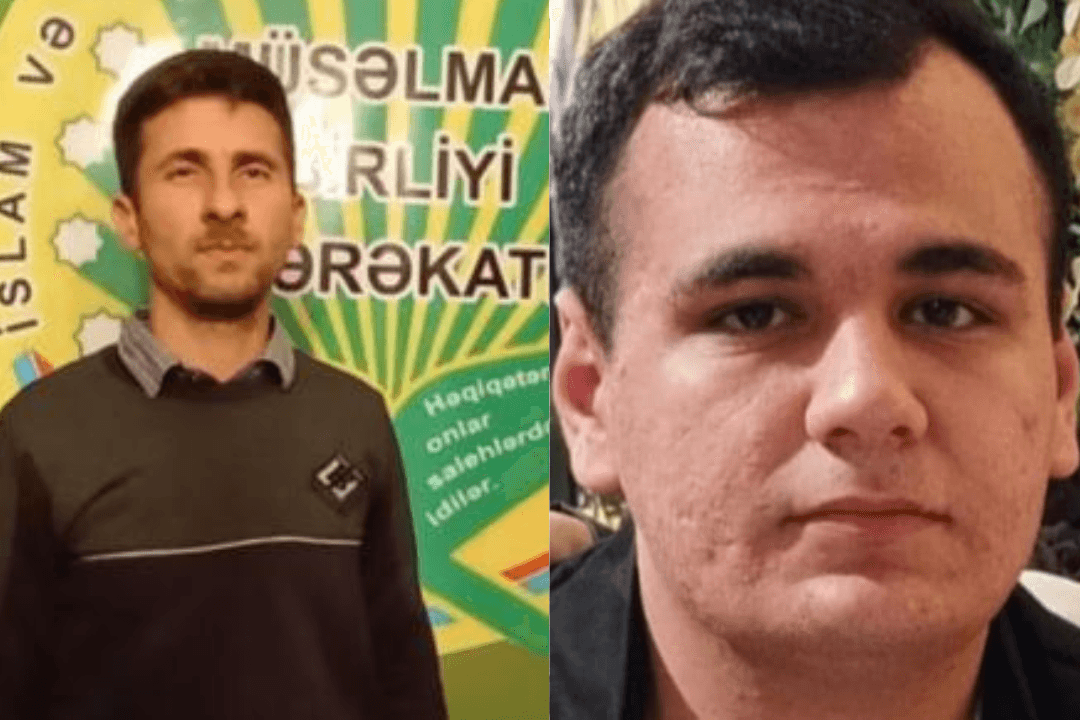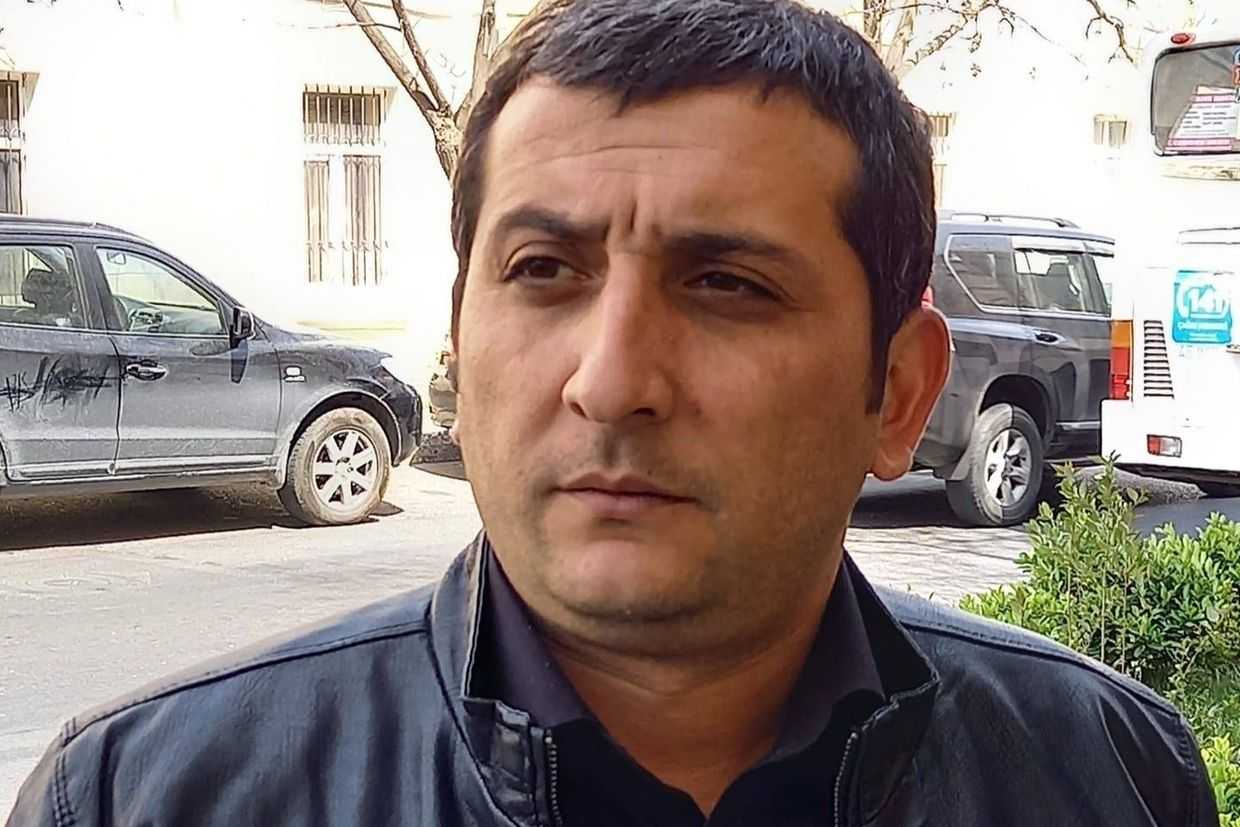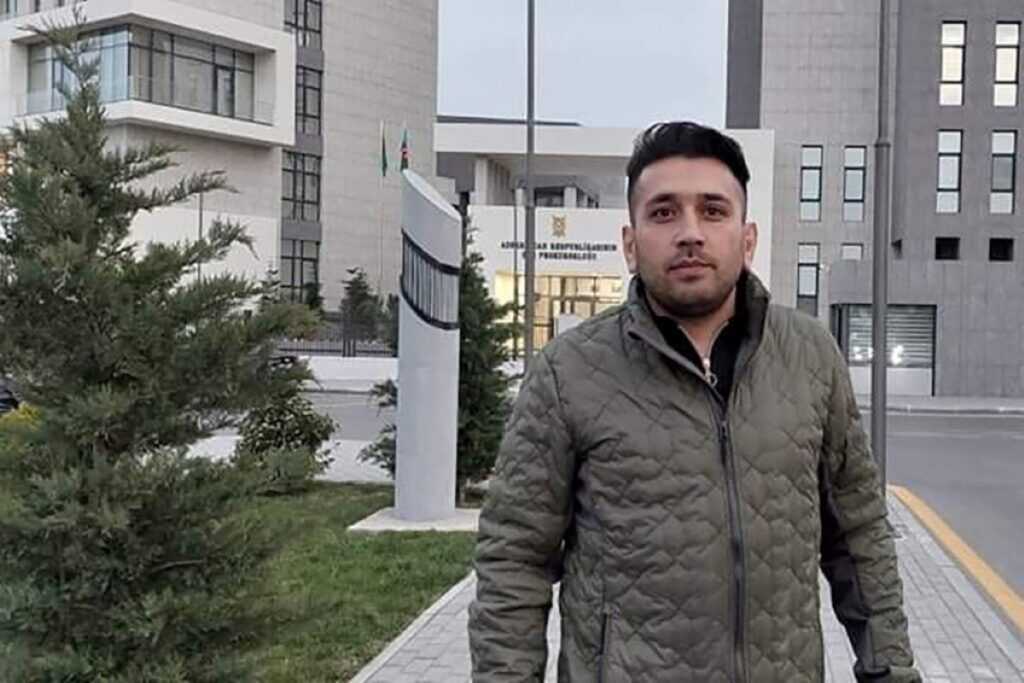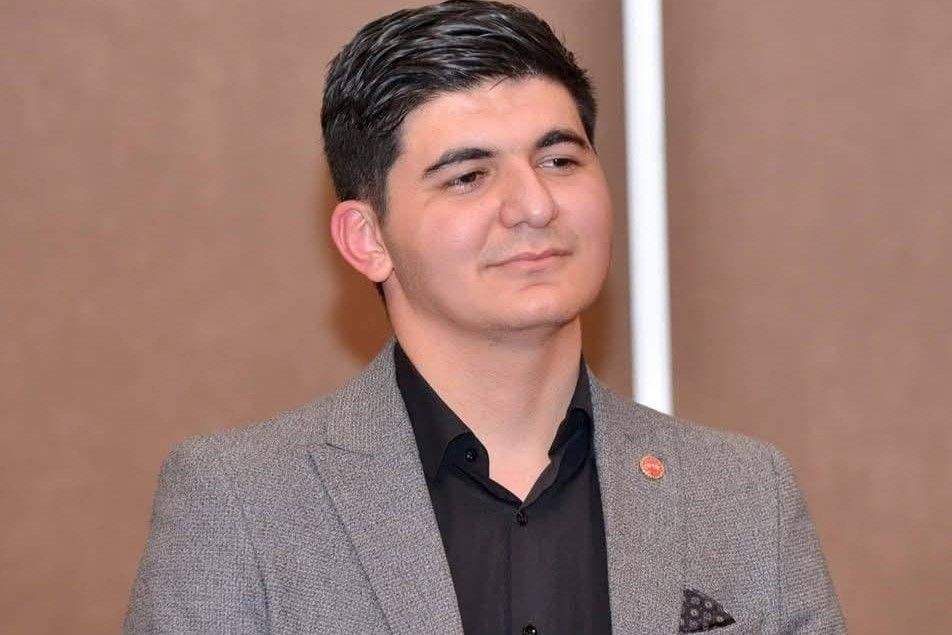
Ahmad Mammadli, a public activist and journalist, was sentenced by the Baku Court of Grave Crimes to six years in prison for allegedly stabbing a person.
Mammadli was detained in May 2025 as part of Azerbaijan’s crackdown on media.
Mammadli, who was formerly the chair of the now-dissolved pro-democracy group Democracy 1918 and later founder of social media news page Yoldash Media (‘Comerade Media’) denied the accusations, and insisted that he was arrested for his journalistic work.
On Monday, during his final speech in court, Mammadli spoke about the conditions he grew up in in his home village in the Jalilabad district. He recalled witnessing ‘illegal activities and lawlessness’ amidst deteriorating social conditions.
‘The people’s silence about what was happening outraged me even more. Land seizures, unemployment, and disregard for the villagers’ basic rights had dragged them into such a quagmire that they were dragging their families down with them’, Mammadli said.
Hilal Mammadov, a Talysh human rights activist, told OC Media that Mammadli refused to face the judge during the session, and instead faced the crowd.
‘The judge asked him to turn his face to him, but Mammadli insisted and said these people came for him and he wants to address them’, Mammadov told OC Media.
Historian Jamil Hasanli, who also attended Mammadli’s trial, wrote on social media that the prosecutor had demanded that Mammadli be imprisoned for nine years.
‘Thank God this did not happen. It was written that Mammadli allegedly stabbed a man. But there was no knife, no man. In recent years, the number of people stabbed and beaten “in the name of state power” has increased significantly’, wrote Hasanli.
During the court hearing, Mammadli said that he was severely beaten by police officers, injuring his eye. However, his complaints were not taken into consideration by the judge presiding over his case.
He claimed that when he was detained in May 2025, police officers at the Binagadi District Police Station hit him in the eye, neck, head, and various parts of his body after he had asked to speak to a lawyer.
‘I no longer responded, and after a while, the floor turned into a pool of blood from the blow to my eye, and I lost consciousness. They beat me with a baseball bat until I lost consciousness and broke a tooth. When I opened my eyes, the investigating officer tried to revive me by [putting smelling salts] into my nose’.
Mammadli, who maintained his innocence, stressed that the investigation was unable to prove that he had stabbed someone, and that the knife they had procured as evidence did not have his fingerprints.
‘Meanwhile, witness testimony was contradictory; even two police officers called as witnesses clearly stated that “we did not see Ahmad Mammadli stabbing anyone”. A witness living near the scene of the incident stated that he was stopped by a field commander on his way home and signed a statement, which he had not read, at the insistence of the investigator’.
Mammadli couldn’t finish his testimony and was interrupted by the judge as he was saying: ‘one day, everything will be fine, but then, everything will be worse’.
 Aytan Farhadova